


Ecommerce returns are the source of many headaches for online retailers. Businesses with generous ecommerce return policies won’t know how much revenue they’ve truly generated until their return window passes. If a retailer has to wait 365 days to finalize sales figures, it can be difficult for stakeholders to assess performance or to make business decisions.
However, companies can’t restrict their return policies without suffering major consequences. Shoppers want to be able to change their minds about their purchases and expect flexibility from retailers. In fact, 51% of Americans say they won’t make an online purchase if a retailer doesn’t offer free returns. Implementing a restrictive ecommerce return policy inevitably leads to fewer sales.
To balance both your customers’ needs and your business’s financial considerations, it’s critical to be flexible while striving to reduce ecommerce return rates. We’re giving you the scoop on the
What’s the average return rate for ecommerce purchases? How do returns affect your bottom line? These are the ecommerce return rate statistics you need to know:
While offering ecommerce returns is a part of staying competitive, doing so can take a significant bite out of profits. Here are our top tips for lowering your ecommerce return rate.
47% of returns occur because the item isn’t what the customer expected. Set expectations properly by providing detailed product descriptions on your product pages.
Depending on the type of item, you could provide measurements and size details, materials, or ingredients so shoppers know exactly what they’re getting.
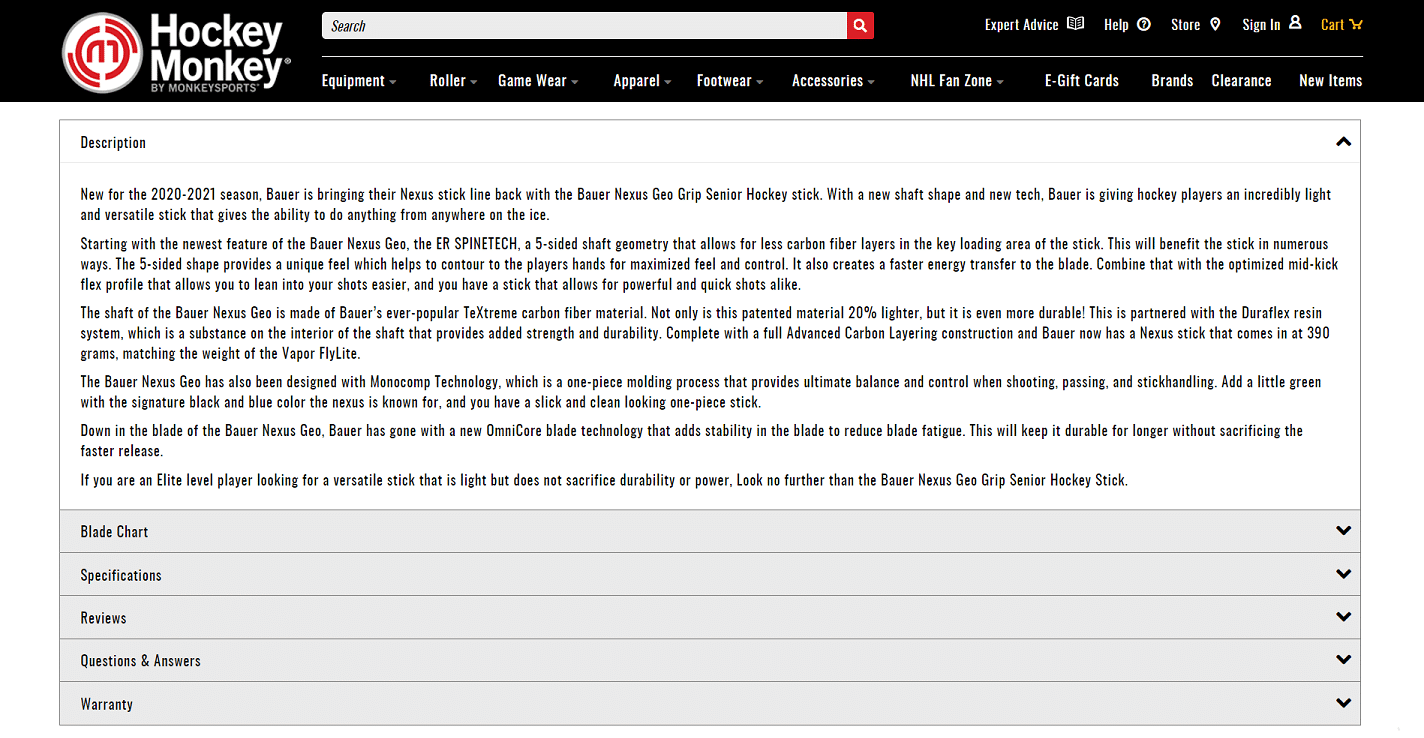
Sports equipment retailer Hockey Monkey includes detailed descriptions, charts, specification information, and FAQs on their product pages to help customers choose the perfect item.
Another tactic to help shoppers know what they’re getting is to share customer reviews. After all, four in five shoppers seek social proof of the quality of a product by reading reviews before making a purchase.
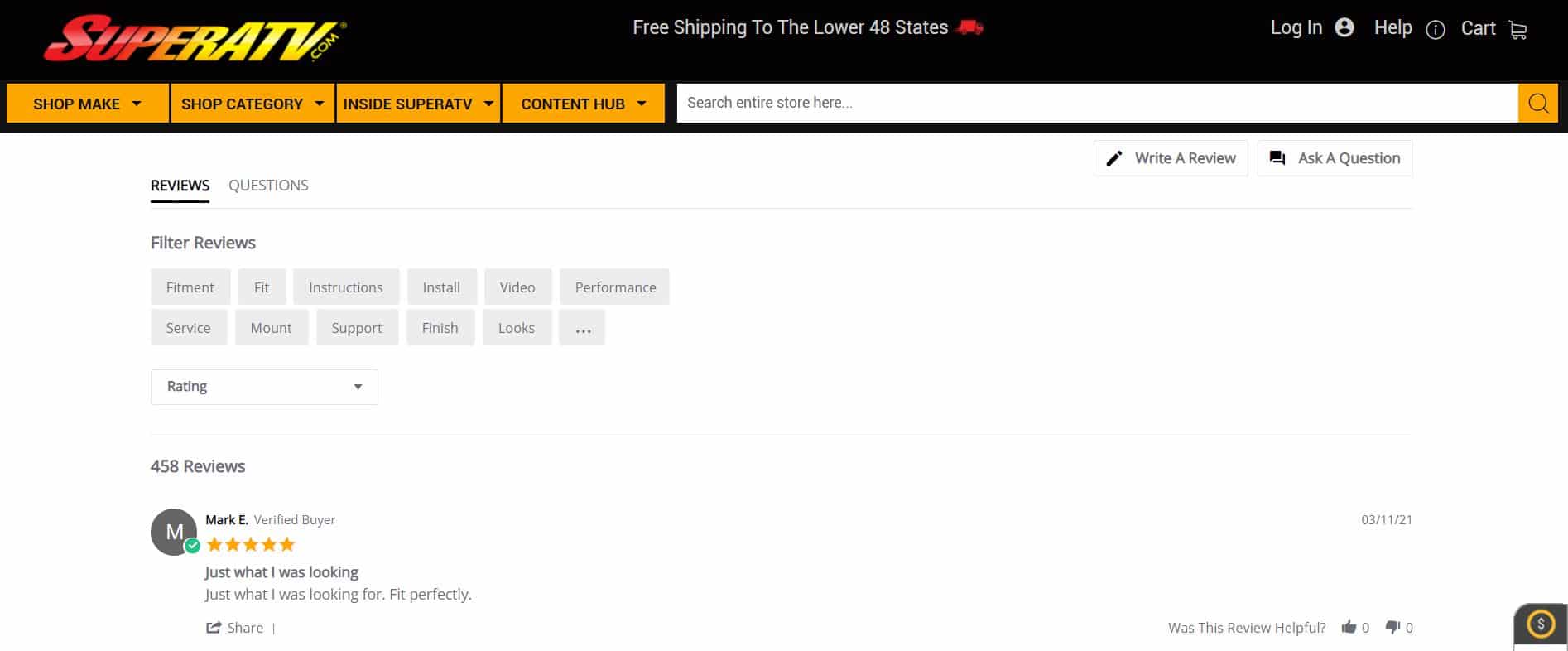
Display customer reviews on product pages to help shoppers understand what products are really like, beyond what they can discover from the photos and descriptions on the page. Take inspiration from SuperATV.com, which lets shoppers view and filter through customer reviews on every product page.
Don’t let the fear of bad reviews deter you from sharing testimonials. Occasional negative feedback that outlines why a particular product wasn’t suitable for an individual shopper’s needs can ultimately prevent another customer from purchasing and returning the item for the same reasons.





