


Sell custom products with Printify
With Amazon’s net sales expected to exceed $1 trillion by 2027, it’s no surprise that sellers are flocking to this eCommerce giant to start making money.
Selling digital products on Amazon offers a fantastic opportunity to reach a wide audience and generate a steady income stream.
In this guide, we’ll show you how to sell digital products on Amazon – from setting up your seller account and choosing the right products to optimizing your listings and promoting them effectively.
This post may contain affiliate links, which means we may earn a commission if you make a purchase through those links. This comes at no additional cost to you.
Digital products are items you can sell online without the need for shipping, such as eBooks, online courses, templates, stock photos, music, and software. One major advantage is that they can be sold repeatedly without extra work, making them a great source of passive income.
Since there are no shipping or production costs, digital products have high profit margins and can be a simple, low-maintenance way to make money.
Choosing the right digital content to sell on Amazon is crucial to attracting buyers and ensuring sales.
Your digital offerings need to be high-quality and appealing to achieve the best results.
So, how and where do you start?
A niche is a specific market segment that targets a particular audience with unique interests or needs. Identifying a niche market is key to successfully selling digital products on Amazon. Start by exploring areas where your passions and expertise align with market demand.
For example, if you love vintage typography, consider selling digital font collections, typography online courses, or design templates for vintage-style projects.
If you’re into obscure history – create digital art, eBooks, or documentaries on lesser-known historical events and figures.
Market research means learning about your target audience, competitors, and industry trends. It helps you understand what customers want and how to stand out, so you can maximize your sales.
Check reports, expert opinions, and forecasts to stay informed about industry trends. Identifying emerging opportunities helps you adapt and stay competitive.
Use tools like Semrush or Google Trends to find high-impact keywords with low competition. Focus on long-tail keywords and update your strategy regularly to improve visibility.
Study competitors’ pricing, marketing, and customer engagement. Check reviews for buyer insights, analyze their social media presence, and explore their product listings for gaps. Use tools like PowerAdSpy to uncover their ad strategies and find opportunities to offer unique products, improve your marketing tactics, or target unmet customer needs.
Track buyer preferences, demographics, and customer feedback to refine your digital products. Engage in online communities to gather insights and improve your offerings.
Explore Amazon’s Best Sellers page to identify high-demand digital products.
Analyze product features, prices, and customer reviews to understand what works and what can be improved.
Use tools like MerchInformer or JungleScout to track sales trends and keyword data, simplifying your research process.
Pro tip
Consider offering both digital and physical products. For inspiration, check out our guide on what to sell on Amazon.
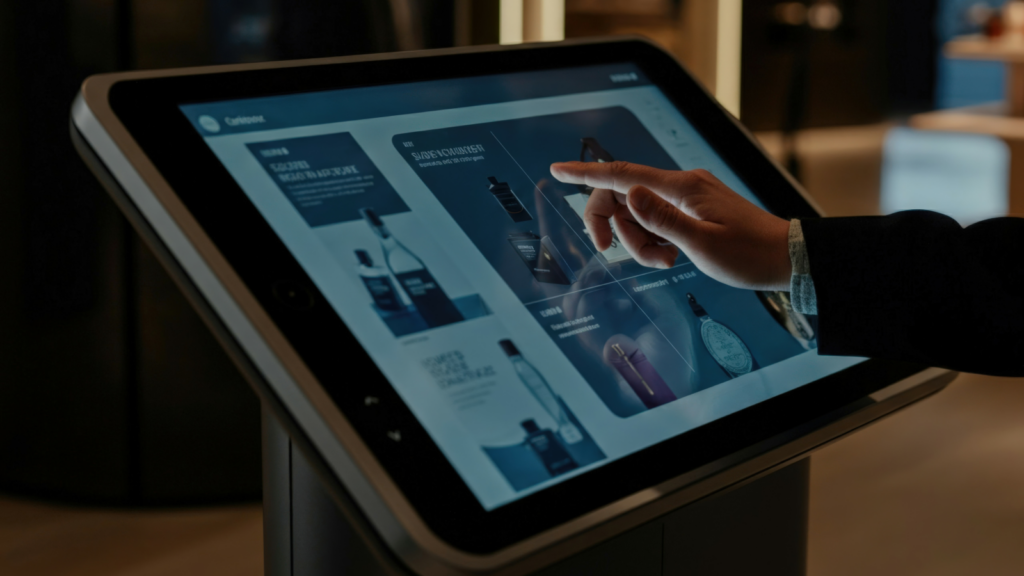
Visuals, from eye-catching eBook covers to engaging GIFs, are key to capturing attention and representing your digital products. Well-designed visuals attract customers, convey value, and help establish your brand identity. You can make or source high-quality designs that connect with your audience in multiple ways.
If you have graphic design skills and access to design software like Photoshop or free Photoshop alternatives, creating your own designs allows you to personalize your products and align them with your brand and customer preferences.
If you don’t have design expertise or prefer to focus on other aspects of your business, hiring freelance designers or agencies can be a worthwhile investment.
Platforms like Fiverr offer access to a diverse pool of talented designers specializing in various styles and niches.
Collaborate with them to create custom logos, artwork, interfaces, or promotional graphics tailored to your specific needs.
Go to online marketplaces like the Creative Market for a wide range of ready-to-use templates, graphics, and digital assets created by professional designers.
Pre-made designs are convenient and cost-effective. They allow you to quickly enhance your product listings with visually appealing elements without generating ideas and extensive customization.
Partner with Printify to easily upload your designs or create new ones for physical products. Our Product Creator allows you to customize items with your own artwork, text, and design elements – and even use the AI image generator to create unique product visuals.
Follow these steps to ensure a smooth setup and access to seller tools.
Registering on Amazon Seller Central is the first step toward selling digital products in this bustling marketplace.
Follow Amazon’s step-by-step registration process, providing accurate information on your business location, type, and register your business name.
Choose between two selling plans:
To activate your account, verify your identity and agree to Amazon’s terms of service. Once set up, you’ll access tools for managing listings, orders, and customer interactions.

To stand out in the marketplace, ensure your products are visually appealing, intuitive to use, and reflect your brand identity for maximum engagement and customer conversion.
Design visually appealing layouts, choose readable fonts, and create compelling cover art that grabs attention. Tools like Canva or Adobe InDesign can help you format your eBook professionally.
Review Amazon’s guidelines to create metadata correctly before you start selling eBooks with Kindle Direct Publishing.
Structure lessons in a logical flow, use engaging visuals, and incorporate interactive elements like quizzes or worksheets to enhance learning. Platforms like Teachable or Thinkific offer templates for professional course layouts.
Ensure high-resolution images and clear details to make your artwork stand out. Consider themes, color palettes, and styles that resonate with your niche audience. If selling printables, format files in user-friendly sizes (e.g., A4, 8×10″) and offer different versions (PDF, PNG).
Use Printify to upload your art on custom posters and canvas to sell physical products.
If creating an audiobook, invest in clear audio quality and a professional voiceover. Use tools like Audacity or Adobe Audition to edit and enhance sound. Musicians should ensure tracks are properly mixed and mastered before selling via Amazon Music Direct or listing them on Amazon’s Music Unlimited or Prime Music services.
Prioritize an intuitive user interface (UI) and seamless experience (UX). Use wireframing tools like Figma or Sketch to plan layouts before development. Keep visuals clean, responsive, and aligned with your branding.
Whether you’re creating tutorials, documentaries, or digital animations, focus on high-quality visuals, engaging scripts, and professional editing. Tools like Final Cut Pro, Adobe Premiere Pro, or DaVinci Resolve help refine your videos before publishing on Amazon Prime Video Direct or other platforms.

A well-crafted listing with strategic keywords, compelling descriptions, and high-quality images increases your chances of ranking higher in Amazon search results. Follow these key steps to create listings that stand out and drive sales.
Your product listing is your storefront on Amazon, featuring the title, description, images, and key features. A well-optimized listing attracts buyers, improves search visibility, and boosts sales.
Your title is the first thing customers see. Make it clear, concise, and keyword-rich, accurately reflecting your product. Ensure it meets Amazon’s guidelines for length and content to avoid penalties.
Use this space to highlight key benefits, features, and unique selling points. Bullet points improve readability, while descriptive language helps customers visualize the product. Address common concerns and questions to increase buyer confidence.
Images play a major role in conversions. Include:
– Multiple angles to showcase details.
– Lifestyle shots to demonstrate real-world use.
– Infographics or diagrams to highlight key features.
Clear, professional images build trust and improve sales.
Conduct keyword research using tools like Semrush or JungleScout. Place keywords naturally in the title, description, and bullet points to increase search visibility.
Amazon rankings change over time, so regularly analyze performance metrics (click-through rates, conversions, and customer feedback).
– A/B test different titles, descriptions, or images.
– Update based on trends and reviews to stay competitive.
A well-maintained listing keeps your product visible, relevant, and converting at a high rate.

Develop a marketing strategy to promote your digital products and drive traffic to your Amazon listings.
To reach and engage your target audience, consider using a multi-channel approach that includes social media marketing, online advertising, email campaigns, and content marketing.
Platforms like Facebook, Instagram, and TikTok provide excellent opportunities to connect with potential customers and build a loyal following.
By creating engaging content that resonates with your audience, you’ll be able to drive traffic to your Amazon listings and increase sales.
Most popular social media platforms offer features that make it easy to share and advertise your digital content to segmented groups of people.
Find social media influencers to expand your reach and build credibility.
Influencers can help you tap into their follower base, providing authentic endorsements that resonate with potential customers.
Invest in paid advertising on social media platforms to boost your product visibility.
Target specific demographics and interests to reach a more relevant audience and maximize your ad spend.
To streamline your promotional efforts and achieve better results, try online tools like Later or Tailwind.
These tools help you plan, schedule, and analyze your social media posts, ensuring you maintain a consistent online presence.
Regularly analyze your performance to see what content resonates with your audience. Use insights from likes, shares, comments, and engagement rates to refine your strategy.
By understanding audience preferences, you can optimize content for better reach and engagement.
Online advertising allows you to precisely target potential customers, drive traffic to your Amazon digital product listings, and ultimately increase sales and revenue.
By strategically using various advertising channels, it’s possible to maximize your reach and achieve better results in selling digital products on Amazon.
Use Amazon’s marketing tools to run sponsored ad campaigns and set bids on relevant keywords to advertise your products and brand.
Run targeted Google Ads campaigns that direct traffic to your Amazon product listings.
Use keyword research to optimize ad copy and bid strategically to attract clicks and conversions.
Place sponsored display ads on relevant websites and blogs that cater to your target market. This approach increases brand exposure and drives traffic to your Amazon product pages.
Implement retargeting ads to re-engage users who have visited your Amazon listings but haven’t made a purchase. This strategy keeps your products top of mind and encourages conversion.

Email marketing is a powerful way to promote and sell Amazon digital products. To engage your audience, focus on delivering valuable content – share helpful tips, behind-the-scenes insights, and exclusive discounts or early access to new products.
Create opt-in opportunities on your website and Amazon product pages to collect email addresses. Offer incentives like discounts or free downloads of digital content to encourage sign-ups.
Segment your email list based on buyer personas, past purchases, or engagement levels. This allows you to send targeted and relevant content to different parts of your audience.
Craft personalized email campaigns that highlight the benefits of your digital products. Include customer testimonials, demo videos, or exclusive offers to drive engagement and conversions.
Set up automated drip campaigns to nurture leads over time. Send a series of emails that provide valuable information, address common pain points, and gradually promote your digital products.
Track key metrics such as open rates, click-through rates, and conversion rates. Use A/B testing to optimize subject lines, content, and calls to action for better performance.
To attract and engage your audience, create valuable content related to your products. This can include blog posts, videos, and tutorials.
Content marketing is essential for attracting and converting customers interested in Amazon’s digital products.
Develop high-quality content, such as blog posts, tutorials, whitepapers, or eBooks, that provides valuable information related to your digital products.
Focus on solving problems or addressing specific needs of your target audience.
Optimize your content for search engines to attract organic traffic.
Conduct keyword research and incorporate relevant keywords naturally into your content to improve visibility on search engine results pages.
Collaborate with industry experts, influencers, or bloggers to guest post or co-create content.
This expands your reach, builds credibility, and attracts qualified leads to your Amazon listings.
Share downloadable guides, templates, or free trials of your digital products to capture potential customers’ email addresses.
Use email marketing to nurture leads and guide them toward purchasing your products on Amazon.
Pro tip
Explore our guide on how to sell digital art for additional tips and tricks.

Make informed decisions to streamline your processes, improve product offerings, and scale your store efficiently.
Amazon’s reporting tools help you track sales trends, inventory levels, and customer buying patterns. Use this data to identify best-sellers, adjust pricing, and optimize your listings.
Monitoring inventory ensures you avoid stockouts or overstocking. Regularly reviewing these insights helps you refine your strategy and maximize sales.
Use Amazon’s Request a review button to gather valuable customer feedback, and use the buyer-seller messaging service to address customer inquiries.
Pay attention to these reviews and questions. They often provide insights into what your customers value most, which can help you tailor your products and marketing strategies to better meet their needs.
Review other stores selling digital products on Amazon to identify their strengths and weaknesses.
Use this knowledge to differentiate your products and stay ahead of the competition.
Pro tip
Check out our blog on making money on Amazon for additional insights on how to turn your ideas into steady income streams.
Turn your digital creations into physical products by integrating them with Print on Demand. Whether it’s artwork, designs, or templates, you can print them on apparel, home decor, accessories, and more – without handling inventory or shipping.
Design and sell custom products effortlessly – no need to handle inventory, packaging, or shipping. Our automated fulfillment takes care of everything.
We’ve partnered with printing facilities worldwide, so your orders are produced and shipped closer to your customers, reducing both delivery times and costs.
With no upfront costs, you only pay when you make a sale. Our competitive pricing ensures better profit margins while keeping products affordable for buyers.
Need help? Our expert Support Team is available around the clock to assist with orders, troubleshooting, and any questions you have.
Yes, Amazon allows sellers to list and sell digital products such as eBooks, music, software, and more on the marketplace and through features like Amazon’s Kindle Direct Publishing and Amazon Music.
Create an Amazon Seller Account, choose a niche, and design high-quality digital products like eBooks, templates, or printables. Set up your listings with compelling descriptions, keywords, and images, then use Amazon’s marketing tools to attract buyers and grow your store.
As mentioned, Amazon’s net sales are expected to exceed $1 trillion by 2027, so yes, selling digital products can be a highly profitable business thanks to low production costs and high potential for passive income. It’s possible to sell the same product multiple times without restocking inventory.
Selling digital products on Amazon gives you access to a wide customer base and various marketing tools to scale your business efficiently.
Pro tip: If Amazon doesn’t seem like the right marketplace for you, consider selling digital products on Etsy.
To start selling digital products on Amazon, register as a seller and set up your account. Next, upload your digital products, such as eBooks, software, or music, onto Amazon’s platform.
Ensure your listings are optimized with clear descriptions and relevant keywords. Monitor sales metrics and customer feedback to continually improve your listings and enhance your sales performance.
Selling digital products on Amazon is a great opportunity with high earning potential. Now you know how to successfully navigate the process and start generating income.
Find your niche, use high-quality designs, and consider print-on-demand platforms like Printify to easily turn digital products into physical goods.
Ready to start selling digital products on Amazon?
The post How to sell digital products on Amazon: 2025 Guide appeared first on Printify.





