Related article
Print on Demand vs do-it-yourself printing: How to choose the right business model
Let’s break down Print on Demand vs do-it-yourself printing so you can make the right call.


Start your custom printing business today!
Starting a clothing brand used to mean fabric orders, sewing machines, and warehouses full of unsold inventory – not anymore.
With Print on Demand, you can design products, set up a store, and start selling online – all from home.
Here’s how to start a small clothing business from home in 2026 without the upfront risk.
This post may contain affiliate links, which means we may earn a commission if you make a purchase through those links. This comes at no additional cost to you.
Starting a small clothing business from home means selling products online without a physical storefront, any inventory, or sewing equipment.
Most home-based sellers use Print on Demand (POD), which handles production and shipping for them, so they can focus on design and marketing.
Here’s how it works:
Printify’s POD model lets you launch a home-based clothing business for under $100. The platform is free, so most of that budget goes toward ordering a few samples and setting up your storefront.
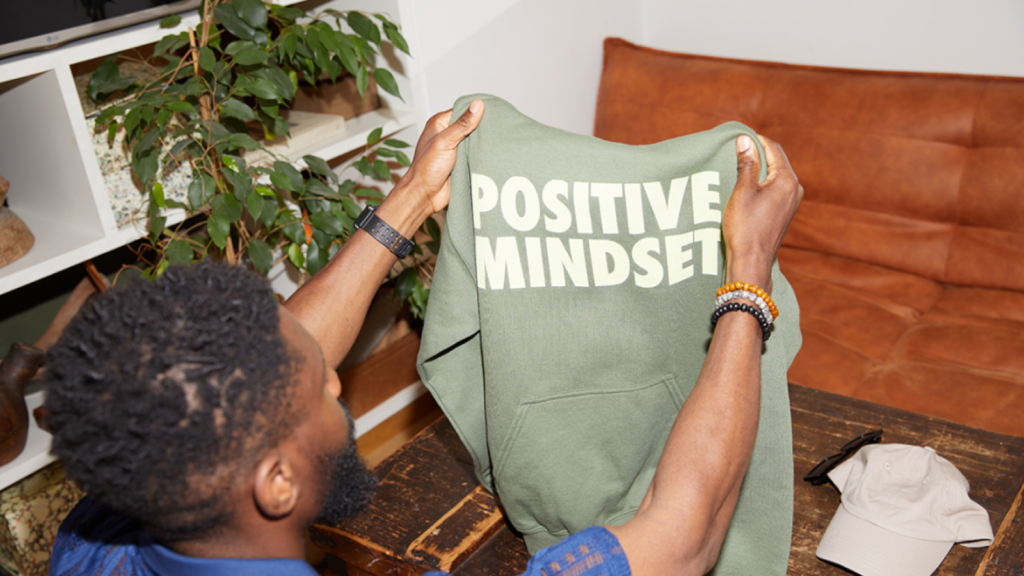
Printify’s print-on-demand business model makes it easy to start your own clothing brand from home. Here’s why:
POD lets you launch your own online clothing business for free – you don’t pay for the production fees until someone makes a purchase.
Plus, there’s no minimum order quantity and no warehouse rent. Instead of scouting fabrics or hiring clothing manufacturers, sellers can put their budget toward ordering samples and setting up an online store.
Learn how Catherine Waites switched to POD to sell t-shirts and now runs multiple Printify-powered Etsy shops to handle production.
While you design your own clothing line and grow your business, our Print Providers handle order fulfillment from start to finish.
Every item is fulfilled only after a customer places an order, so there’s no unsold stock, no postage runs, and no surprise damage costs.
POD is excellent for business owners who want the freedom to work from anywhere. Design custom clothing items, manage orders, and reach customers in over 209 countries – all from your laptop.

Here’s how to start your own clothing business in five steps with Print on Demand:
A niche is the specific group of people you’re selling to, like fitness enthusiasts, dog moms, BJJ practitioners, or plant parents.
The clearer the niche, the easier it is to create products that connect with the right target market.
While it’s possible to start a clothing brand without a niche, it usually results in generic products, weak marketing, and price competition with bigger stores.
How to validate niche demand
Run a few quick checks before choosing a niche:
Popular clothing niches for 2026
A few print-on-demand niche ideas:
Your brand is how people remember your online clothing store between visits – a clear name, a story worth telling, a cohesive visual identity, and a recognizable tone of voice.
Choose a brand name that is short, easy to spell, and easy to search for. Run a quick trademark search on USPTO.gov to avoid legal issues later.
Define a brand story that answers three questions: who you make products for, why you started, and what your brand stands for. Two or three sentences are enough for your About page and social media profiles.
Build your visual brand identity – the logo, color palette, fonts, and overall design feel. Free design tools like Canva and Adobe Express can handle the basics. If the budget allows, hire a designer on Fiverr for a more polished result.
Create a brand voice. Is it calm and minimal? Bold and direct? Write a few sample product descriptions in that voice and use them as a reference for writing copy. Consistency is what turns a small clothing business into a brand customers recognize.
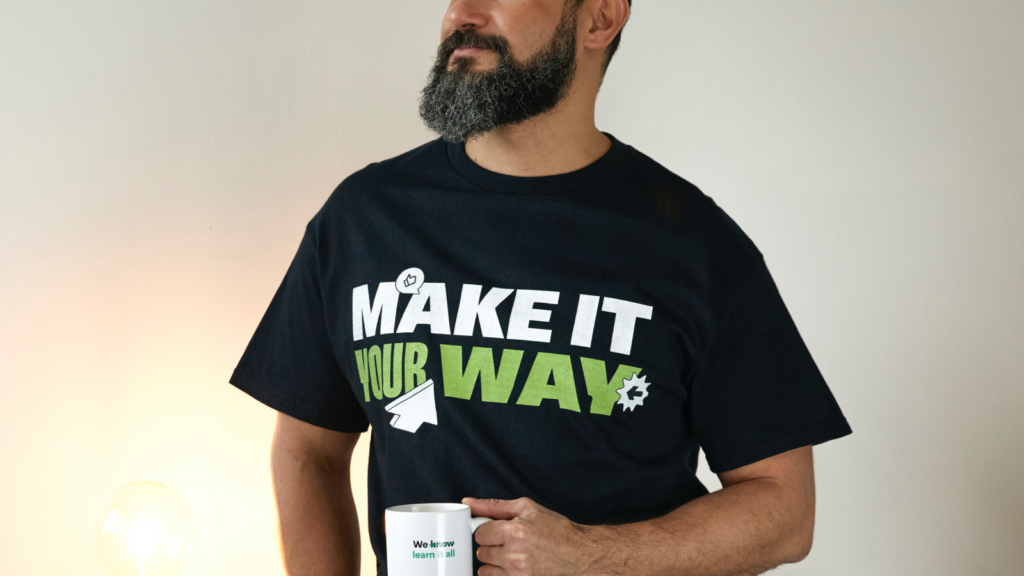
Time to turn your niche into products under your own label. Printify provides the full toolkit for free:
Need help choosing and designing your clothing items? Read these guides for step-by-step guidance:
Tips for designing print-on-demand clothing:
Pick products that your target audience actually wears
For instance, a fitness audience tends to reach for performance tees and tank tops. If you’re building a premium fashion brand, prioritize items with better structure, heavier fabrics, and a higher perceived quality.
Stay updated with market trends
The fashion industry moves fast – what sells in spring may flop by fall. Use Printify’s Trends tool to see which designs are gaining popularity and use these insights to inspire your next bestseller.
Stay clear of copyright traps
Avoid logos, song lyrics, copyrighted characters, and trademarked phrases. Many eCommerce platforms and online marketplaces will suspend or shut down accounts over IP violations.
Price for profit
Most POD products need a profit margin of around 30% to 40% to cover platform and marketing fees, while still leaving room to reinvest and grow.
Premium items like heavyweight hoodies and garment-dyed tees can carry higher markups, while basic blanks and accessories often do better at lower price points to drive volume.
Read our guide on how to price print-on-demand products for more information.
Order samples before listing
A sample can help you determine the product quality and whether the sizing matches the listing. Catching issues now is far cheaper than dealing with returns, refunds, and bad reviews later.
When learning how to start selling clothes from home, one key decision is where to list your products. The choice typically comes down to a marketplace like Etsy or your own online store hosted on an eCommerce platform like Shopify.
Our guide on the best platforms for selling online compares the two in more detail, but here’s an overview:
| Factor | Marketplaces | eCommerce platforms |
|---|---|---|
| Examples | Etsy, TikTok Shop, eBay | Shopify, WooCommerce, Squarespace |
| Setup | Quick – create a seller account and list your clothing items | Longer – set up your own website |
| Typical costs | Listing fees and transaction fees | Monthly subscription and apps |
| Traffic | Built-in potential customers already searching | Generate your own traffic |
| Customization | Limited to marketplace templates | Full control over design |
| Brand building | Harder – your small clothing brand sits beside competitors | Easier – you control your own brand identity and customer experience |
| Best for | Sellers who want to start a small clothing line quickly without building a website | Sellers building their own brand and a long-term online clothing boutique |
Printify integrates with all the major sales channels, from Etsy and Shopify to WooCommerce and TikTok Shop – so you can sync products to one or several at once.
Alternatively, check out Printify Pop-Up Store – a free, ready-made storefront that is shareable with a link. It’s the fastest way to start a small clothing business from home with zero setup cost.
Most online businesses are legally required to register and obtain a license, even if they only sell digitally. Read our guide on how to get a business license to figure out the right structure and bank account setup.
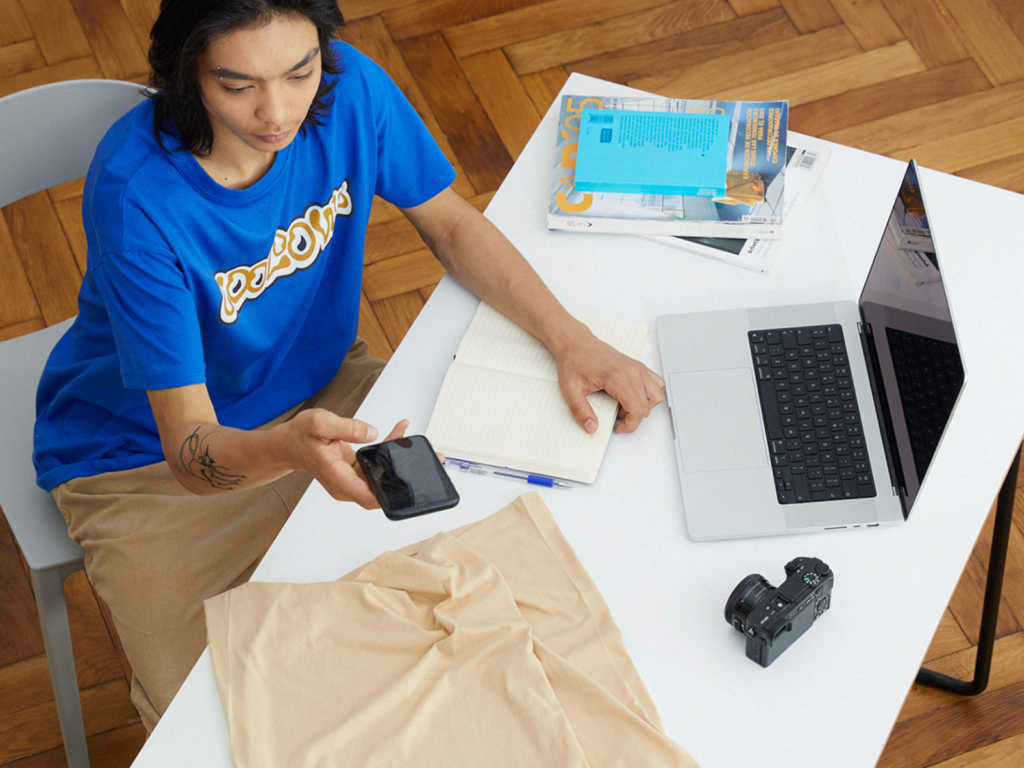
Your clothes don’t sell themselves. Here’s how to market your clothing brand and bring in your first buyers:
Social media marketing
For new clothing brands, posting short-form videos on Instagram and TikTok is the cheapest way to build brand awareness and reach your target audience.
Mix product showcases, behind-the-scenes clips, styling tips, and customer testimonials. Post three to five times a week to give the algorithm enough signal to find your audience.
No need for a big budget for influencer marketing, either. Sending free products to micro-influencers is a far more affordable way to get the word out about your brand online without paying celebrity rates.
Search engine optimization (SEO)
SEO has always been important for getting your brand found through organic search. It matters even more now that AI tools like ChatGPT, Perplexity, and Google’s AI Overviews pull product information directly from well-optimized pages.
To rank, include relevant keywords that your target market searches for in your product titles, descriptions, and meta tags.
For example, if you sell custom t-shirts for new dads, potential keywords may be “funny new dad shirt” or “dad joke t-shirt.” Use tools like Google Trends and Semrush to find search terms with strong demand and manageable competition.
Email marketing
Email is where successful clothing brands quietly do most of their selling – the one channel with no algorithm changes and no rising ad costs, just a direct line to people who’ve already shown interest.
Collect emails from day one with a pop-up offering a discount on the first order. Tools like Mailchimp offer free plans up to a few hundred subscribers. Send restock alerts and one or two promotional emails every few weeks.
Seasonal marketing campaigns
Map your marketing plan to major shopping moments in the fashion world, such as Valentine’s Day, Mother’s Day, Black Friday, and Christmas.
A simple content calendar with five to seven marketing campaigns per year helps you capture predictable spikes without burning out.
You’ve learned how to start a small clothing business from home. Now make sure to avoid making these common mistakes:
Many new sellers write off a niche after listing a few designs and seeing no results for two weeks. In reality, it takes several design iterations and marketing efforts before you can make that judgment.
Treat the first 60 to 90 days as ongoing market analysis before pivoting your small clothing business.
Don’t list 40 products on day one – otherwise it’s hard to tell what’s actually selling versus what’s just sitting there. Start with five to ten focused designs, see which ones get clicks and sales, then expand on what works.
You don’t need to spend a fortune on branding, but you do need to give it some real thought. A sloppy logo, inconsistent colors, or stock-template product photos can make shoppers question whether your clothes business is legit.
Ask friends and family for their feedback on your branding. If they can describe what your clothing line is about in one sentence, you’re on the right track.
Pixelated or off-scale mockups signal low effort and hurt sales. Use Printify’s Product Creator for clean, on-model previews, and take some custom lifestyle photos once you have samples in hand.
Successful business owners spend weeks on social media marketing, SEO, and audience engagement before their first sales come in. Be patient, but stay consistent. Most shoppers need several touchpoints with a brand before deciding to buy.

Building an online clothing business is the easy part. Keeping it growing is where most sellers struggle. Set yours up for the long term with these tips:
Repeat buyers need far less convincing to return than new shoppers. They already trust your store and know what to expect from your products.
After a customer’s first order, follow up with a thank-you email and a small discount on their next purchase. Second orders compound into third, fourth, and beyond.
Most clothing lines grow by expanding what’s connecting with their target audience, not by replacing it with something new.
Once a few designs start outperforming the rest, build around them. Create variations – different colors, alternate product types, related themes – and run more marketing behind the winners.
Once your first store is consistent, consider adding a second channel. Selling through multiple platforms protects your business if any one of them changes its fees and policies.
Running both a marketplace storefront and a website means you capture browsing shoppers while building a direct audience you actually own.
Track recurring complaints and use them to refine your product lineup. Customers will tell you what fits poorly, which colors they’d like, and which products they’d buy next – often for free in reviews and direct messages.
Many new sellers get overwhelmed by dashboards, stats, and reports. When starting, just focus on these three:
Free digital tools like Google Analytics and your platform’s built-in dashboard should cover the essentials.
How to start an online clothing business from home:
The cost to start a clothing business from home depends on your business model. Print-on-demand services like Printify let you launch for under $100. The platform itself is free, so most of the budget goes to product samples and marketing fees.
Traditional sewing or wholesale models can run $5,000 or more for inventory, equipment, and storage.
T-shirts are the top-selling clothing category online. They appeal across various niches and use universal sizing standards, reducing the frequency of returns.
The most common mistakes when starting your own clothing business are not defining a niche, launching too many products at once, and expecting sales instantly.
It’s best to commit to a niche for up to 90 days for market analysis, and don’t add new products before you know what’s actually selling.
Learning how to start a small clothing business from home is the easy part. The harder, more rewarding work is sticking with it long enough for the effort to pay off.
Print on Demand gives you a low-risk way to test and grow a fashion brand without sinking your budget into stock that may sit in a closet for months.
Sign up with Printify for free and start your own small clothing business today.
The post How to start a small clothing business from home in 2026 appeared first on Printify.