

29th
September, 2025
In the ultra-competitive world of e-commerce, brands and Amazon sellers are turning to micro-influencers and content creators to gain an edge. These niche creators – often everyday people with dedicated followings – help generate authentic user-generated content (UGC) and build consumer trust in ways traditional ads struggle to match. From engaging social media posts to credible product reviews, micro-influencers can be a powerful resource for driving online sales. But to tap into their potential, brands need to set these collaborations up for success. That’s where a well-crafted influencer creative brief comes in. In this casual yet informative guide, we’ll break down what an influencer brief is, why it matters for your campaigns, and how to create an effective brief (with examples, tips, and even a custom chart!) to align creators with your goals.
An influencer brief is essentially an outline of instructions, expectations, and deliverables sent to creators before a brand collaboration. In other words, it’s a mini game plan or roadmap for your influencer marketing campaign. While influencers can create five-star content on their own, they’re not mind-readers – creators want and need direction to understand your vision. A concise brief provides that guidance without hindering their creative freedom, ensuring both parties are on the same page.
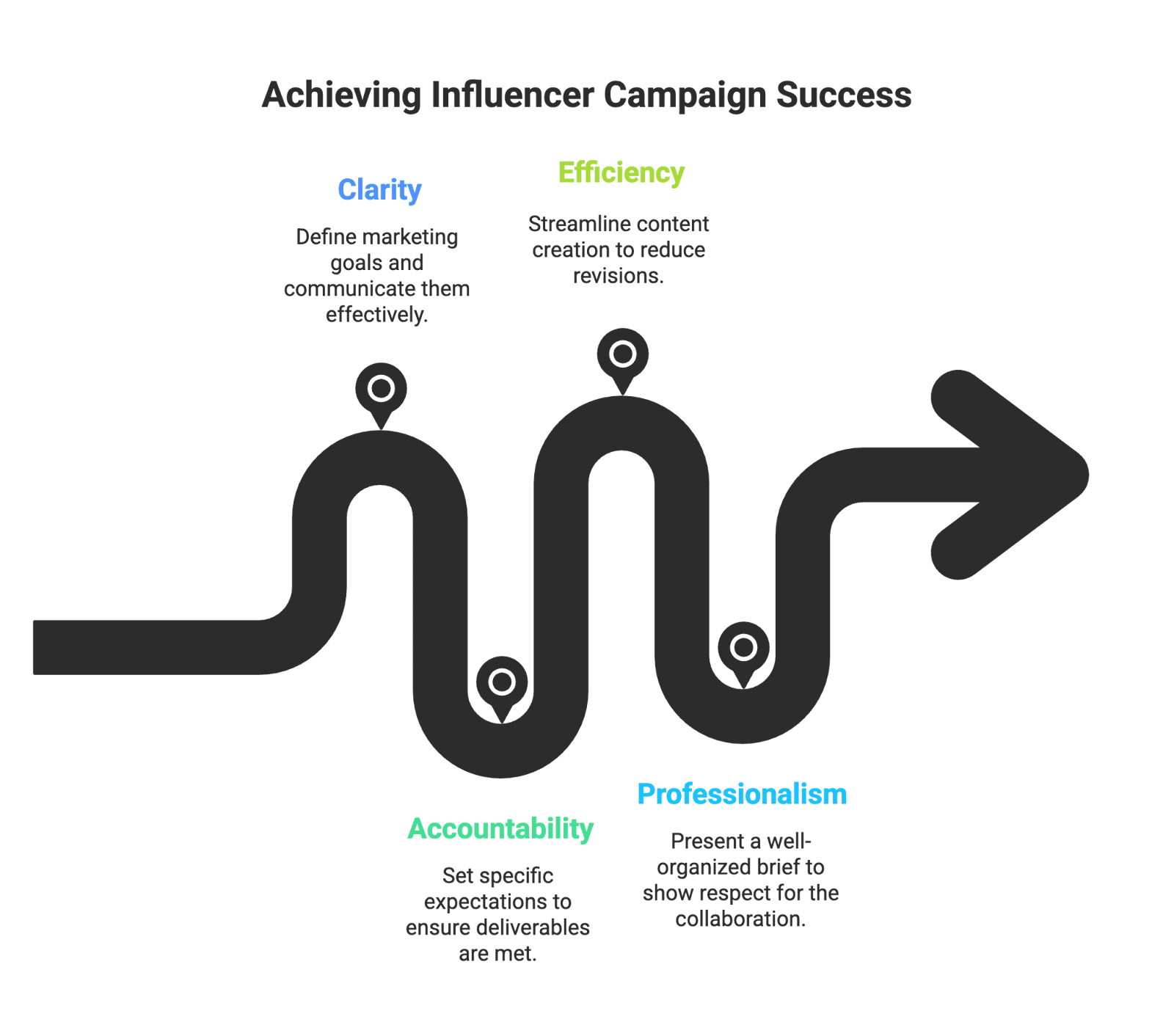
Brands that invest time in a good brief are often rewarded with smoother campaigns and better content. Your campaigns are more likely to meet their goals when you set clear expectations from the start. Consider a few key benefits of having a solid brief in place:
In short, an influencer creative brief is the blueprint for a campaign that delights both the brand and the creator. It ensures the influencer knows what you have in mind while still giving them room to apply their unique flair. Now, let’s dive into what key components you should include when crafting your brief.
What exactly goes into an influencer brief? Below we break down all the essential sections to include in your creative brief template. Tailor these to your specific campaign, but make sure to cover each area so nothing important falls through the cracks. A thorough brief typically contains the following components:
Start your brief with a quick intro to your brand. Many influencers are their own brand with their own values, and they’ll only collaborate with brands that align with those values. So, give them a reason to be excited about working with you! Include a snapshot of who you are, what your company does, and why it matters. For example, share a bit about your brand’s story (e.g. “Founded by two college friends passionate about sustainable fashion”), your mission or purpose, and core values. This helps creators understand your brand’s personality and ethos.
Make it easy for influencers to do a little homework on you. You might list your key products or best-sellers, your social media handles, or even the name of the founder and a contact person on your team. Providing these details gives the creator context and shows transparency. Also, highlight what sets you apart – your unique selling proposition (USP). If you’re an Amazon seller, for instance, mention if you’re a top seller in a category or if your product has won awards. Driving these points home will help your sponsored content stand out and give the influencer talking points to work with.
Finally, be sure to convey your brand’s tone and voice. Are you playful and quirky, or more professional and scholarly? Mention it in the brief so the influencer’s content can match your vibe. A quick recap of your brand voice, mission, and values (e.g. “Tone: friendly and humorous; Values: cruelty-free, locally made”) will ensure the creator’s content feels on-brand.
Next, clearly define the campaign goals. You can’t provide direction without defining what you want the influencer’s content to achieve. State your primary objectives in one or two sentences: for example, “Promote our summer product launch and drive traffic to our online store,” or “Increase brand awareness among tech enthusiasts on TikTok.” Common goals might include boosting social engagement, generating a certain number of sales or sign-ups, growing your follower count, or gathering UGC for future ads. Be as specific as possible – if you have key performance indicators (KPIs) in mind (like X% increase in website visits or Y number of coupon redemptions), note them. Measurable goals help influencers understand what success looks like.
Along with what you want to achieve, clarify who you want to reach. Describe your target audience for this campaign. Influencers often already appeal to a niche, which is why you chose them, but give extra insight into your ideal customer. Include relevant demographics (age, gender, location), interests, and any pain points or needs your product addresses. For instance: “Targeting health-conscious women 25–45 in the US who love yoga and eco-friendly products.” This reminds the creator exactly who they’re speaking to. Skilled influencers know how to talk to their followers, but your audience intel will help them craft a message that resonates. In short: define the bullseye so the influencer can aim their content right at it.
What key points must the influencer communicate about your product or brand? This section of the brief outlines the essential messages you want woven into the content. Think about the top 2–5 things you want an audience member to remember after seeing the post. These could be product features, benefits, or your brand’s story elements. For example, if you sell a skincare serum, your key messages might be: “100% vegan ingredients,” “visible results in 2 weeks,” and “dermatologist-tested.” List these talking points clearly for the creator.
It’s helpful to differentiate between “must-say” points and “nice-to-say” points. You don’t want the content to feel like a scripted ad, but you also don’t want the influencer to miss a crucial detail. Phrasing this section as a bullet list can be useful. For instance:
Providing these guidelines ensures accuracy (the influencer won’t accidentally overlook that your app is now available on Android, for example). It also helps them plan out captions or talking segments in a video. Remember, influencers will usually speak in their own voice – you’re not writing a script for them, just giving them the puzzle pieces to assemble in a way that fits their style. By listing the key messaging points, you eliminate guesswork and make it easier for the creator to hit all the important notes about your product.
Be very specific about what content the influencer needs to create and deliver. This is where you outline the deliverables: the type and quantity of content you expect, and where it should be published. For example, your campaign might include “1 Instagram Reel and 3 Instagram Story frames” or “2 TikTok videos and one blog post review.” List each required piece of content and the platform it’s for. If it’s a video, mention the approximate length or any format requirements (e.g. “15-30 second Instagram Reel”). If it’s a photo, mention if you need multiple shots or variations. Being straightforward about these deliverables avoids any ambiguity.
It can help to format this as a checklist. For instance:
If you have specific content angles in mind for each deliverable, you can note those too (e.g. Story 1: unboxing, Story 2: product in use, Story 3: testimonial/reaction). Also clarify any posting instructions: should they publish all in one day or spread over a week? Do they need to post at a certain time of day for best results? Provide a brief schedule if timing matters (“e.g. Reel on June 1, Stories on launch day June 5”).
Finally, mention if you expect the influencer to send you the raw content files. In many cases, especially for UGC usage, brands like to receive the original photos/videos. If that’s part of the deal, state it here (e.g. “Please provide us with the original high-res video file via Google Drive after posting”). The clearer you are about the deliverables – what, where, and when – the less room there is for confusion later.
Every brand has some do’s and don’ts – here’s where you lay down those rules. Think of this as the creative guardrails to protect your brand image, while still leaving room for the influencer’s creativity. Start with any mandatory requirements for the content. This often includes things like:
It’s helpful to actually label this section “Do’s and Don’ts” in your brief and perhaps bullet them separately. For example:
While giving guidelines, be careful not to micromanage the influencer’s creative process. Remember that authenticity is key in influencer marketing – followers engage more when content feels organic. Provide the non-negotiables, but avoid writing a word-for-word script or overly stiff instructions that could hinder the creator’s natural style. Influencers know their audience best, so let them have creative freedom within your parameters. For example, instead of dictating the entire caption, you might simply say “make sure to express what you personally love about the product.” This invites genuine endorsement in their own voice. The goal is to ensure brand alignment and accuracy while still allowing the influencer to do what they do best. As a rule of thumb, clarity is good; rigidity is not. Set your rules, then trust the creator to run with them.
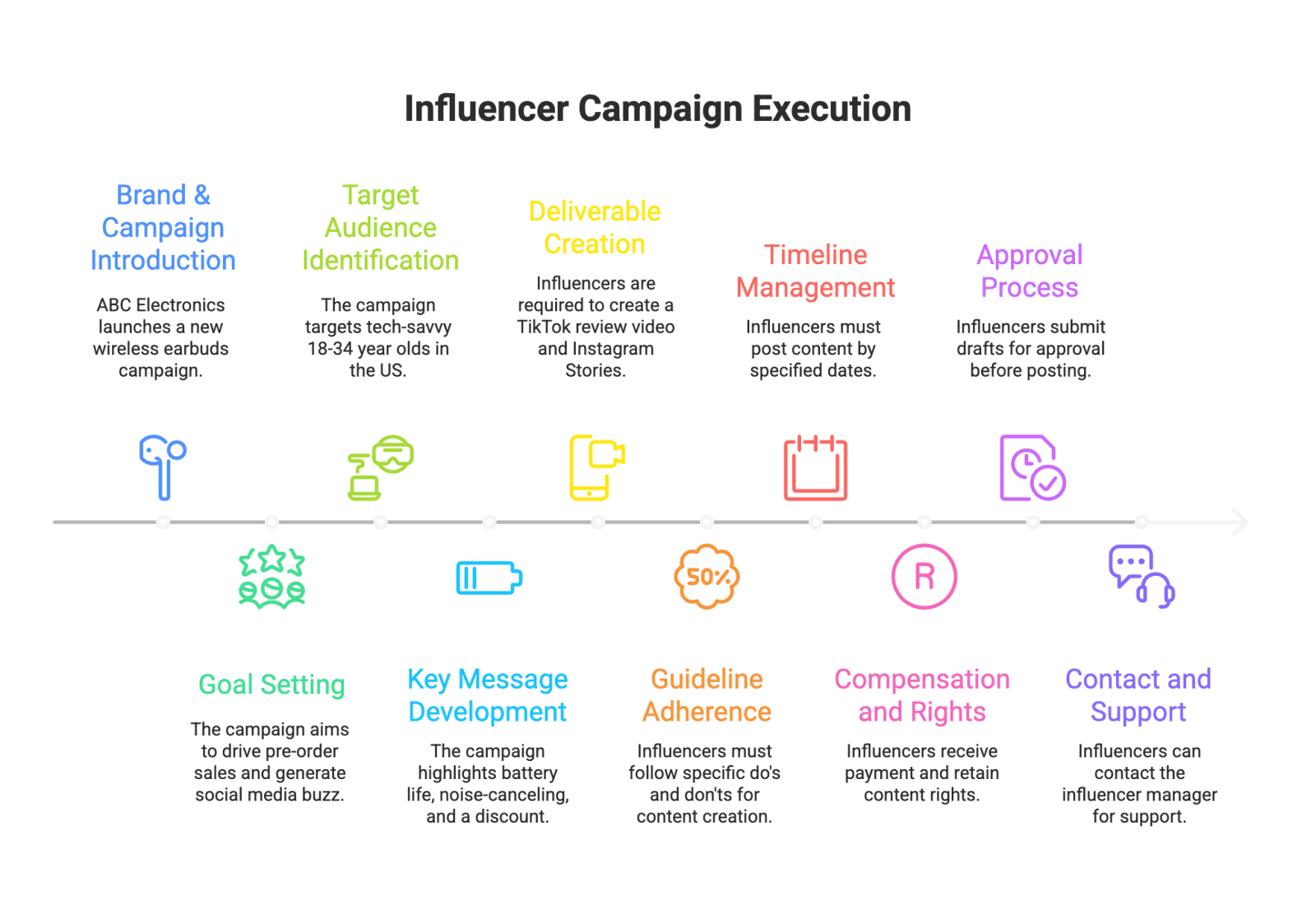
To tie it all together, here’s a simplified example of what an influencer brief could include for a fictional campaign:
As you can see, the example brief is friendly in tone, yet it covers all the bases. Your actual brief might be longer or shorter, but it should always give influencers a clear roadmap.
Putting together an influencer creative brief can feel like an art in itself. Here are some pro tips and best practices to ensure your brief is not only thorough, but also creator-friendly:
By following these tips, you’ll craft a brief that not only covers all necessary information but also motivates and inspires your influencers to do their best work. An effective brief strikes that balance between informative and enjoyable – it should educate the creator about your campaign, but also get them pumped to be a part of it.
Even seasoned marketers can slip up when creating influencer briefs. To ensure your brief doesn’t accidentally turn creators off or cause confusion, avoid these common mistakes:
By steering clear of these mistakes, you’ll maintain a smooth, positive working relationship with your influencers. The goal is for your brief to make the creator’s job easier – not harder. When in doubt, put yourself in their shoes and reread your brief: is it clear, fair, and motivating? If yes, you’re on the right track.
Crafting an influencer creative brief might take a bit of upfront effort, but it pays off with a campaign that runs like clockwork. Especially when working with micro-influencers and content creators for your e-commerce brand, a strong brief is the key to unlocking truly authentic UGC that still aligns with your marketing goals. When influencers know exactly what you’re looking for (and why), they can channel their creativity in the right direction – the result is content that feels genuine to their audience yet delivers your brand message effectively.
For e-commerce entrepreneurs and Amazon sellers navigating the world of influencer marketing, think of the creative brief as your campaign GPS. It guides your micro-influencer partners on how to represent your product, while leaving them room to showcase their personality (which is what their followers love about them in the first place). Done right, an influencer brief helps turn a one-off sponsored post into a powerful piece of marketing content that drives engagement, trust, and conversions. And as a bonus, you’ll accumulate a library of high-quality UGC – photos, videos, reviews – that you can repurpose across your own channels to amplify results even further.
In summary, a well-prepared influencer creative brief sets the stage for a win-win collaboration. Your brand gets consistent, on-message content and the influencer gets the guidance they need to produce their best work (while maintaining their authentic voice). So take the time to craft a killer brief – your micro-influencers (and your future self) will thank you when the campaign results roll in. Happy collaborating, and may your next influencer campaign be your most successful one yet!

By William Gasner
CMO at Stack Influence
William Gasner is the CMO of Stack Influence, he’s a 6X founder, a 7-Figure eCommerce seller, and has been featured in leading publications like Forbes, Business Insider, and Wired for his thoughts on the influencer marketing and eCommerce industries.
Want new articles before they get published? Subscribe to our Awesome Newsletter.
111 NE 1st St, 8th Floor
Miami, FL 33132



© 2025 Stack Influence Inc
© 2025 Stack Influence Inc
The post Influencer Creative Brief Template: Complete Guide for Micro-Influencer Campaigns appeared first on Stack Influence.





