


27th
October, 2025
Influencer Marketing vs Traditional Marketing: Which is Best for You? This question has become increasingly relevant as marketing strategies evolve. In recent years, influencer marketing has surged from a niche tactic into a powerhouse $24+ billion industry (on track to reach $32.5 billion by 2025). This explosive growth – far outpacing traditional advertising sectors – reflects a fundamental shift in how brands reach consumers. But does that mean influencer campaigns are always better than old-school ads? Below, we’ll break down what influencer marketing is vs. traditional marketing, compare their pros and cons, and help you determine which approach (or mix of both) is best for your business.
Traditional marketing refers to the classic, offline methods businesses have long used to promote products or services. This includes channels like print ads in newspapers or magazines, television and radio commercials, direct mail flyers, billboards on highways, and in-person events or sponsorships. Traditional marketing is essentially any advertising strategy that predates the digital age. It’s often considered “outbound” marketing because it broadcasts messages to broad audiences, sometimes interrupting people’s daily routines (think of a TV ad that plays mid-program).

Despite the rise of digital media, traditional tactics still offer some notable advantages:
On the downside, traditional marketing faces several challenges in today’s environment:
Ultimately, traditional marketing can still build broad awareness and lend credibility, but its one-size-fits-all approach is less efficient in the digital era. It tends to be expensive, harder to target or measure, and struggles to engage modern consumers who are increasingly adept at filtering out advertising noise. This sets the stage for the rise of a more targeted approach – influencer marketing – which thrives on digital engagement and trust.
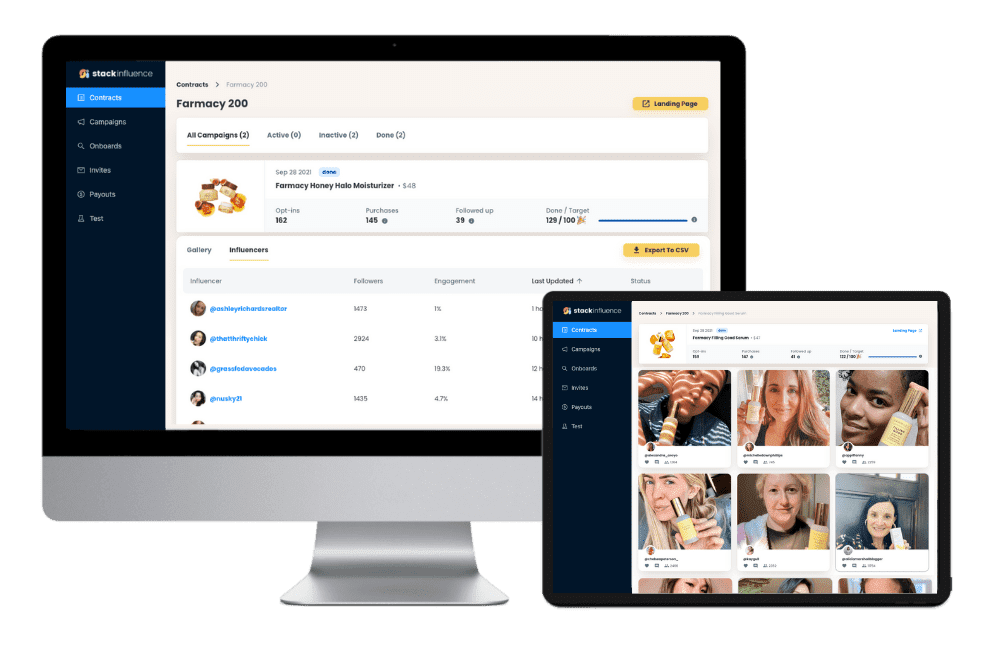
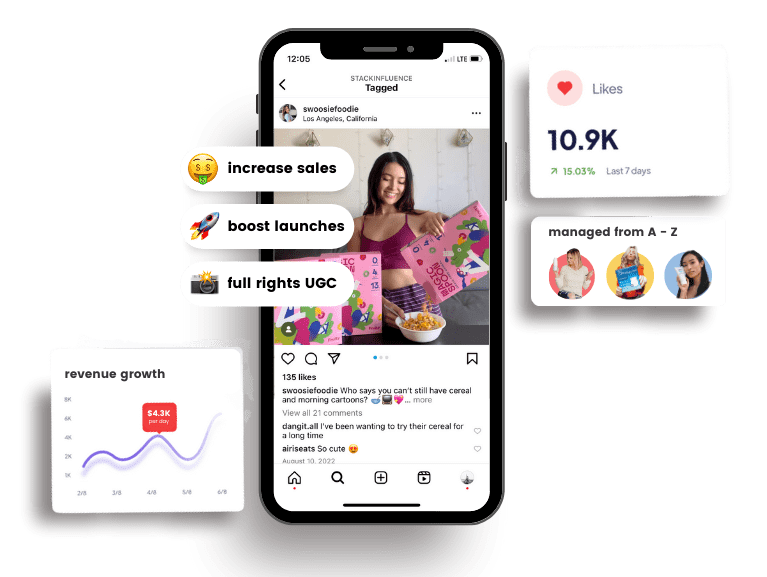
Influencer marketing is a modern strategy built for the social media age. Instead of buying ad space directly, brands collaborate with influential content creators – individuals who have gained a dedicated following on platforms like Instagram, YouTube, TikTok, or blogs. These individuals (called influencers, or often content creators) promote the brand’s product or service to their audience, typically through content that feels more like a personal recommendation than a traditional ad. The core idea is to leverage the influencer’s credibility and relationship with their followers: if people trust and admire the creator, they are more likely to trust their endorsements.
In essence, influencer marketing is like word-of-mouth on steroids. It harnesses the age-old power of referrals (“I tried this product and loved it!”) but delivers it at scale through online networks. This approach has become incredibly popular in the past decade as consumers spend more time on social platforms and less time on print or broadcast media. From mega-celebrities with tens of millions of followers to micro-influencers with a few thousand highly engaged fans, there’s an influencer for every niche and audience size.

Influencer marketing offers distinct advantages that complement (and in some areas surpass) traditional tactics:
Of course, influencer marketing isn’t a silver bullet. There are potential pitfalls to keep in mind:
Despite these challenges, the impact of influencer marketing is undeniable when executed well. It excels at generating trust, engagement, and targeted reach – qualities that directly address many of traditional marketing’s weaknesses.
With a clear picture of each approach, how do you decide which is best for you – influencer marketing or traditional marketing? The truthful (if unsatisfying) answer is: it depends. Each strategy has its place, and the optimal mix varies based on your business type, goals, and audience. Here are key factors and scenarios to consider when making your decision:
In the ultra-competitive world of e-commerce, many brands and Amazon sellers today are indeed leaning toward the influencer route. They’re turning to micro-influencers and creators to gain an edge, generating authentic UGC and building consumer trust in ways traditional ads struggle to match. Online-native businesses often find that a viral TikTok or a credible YouTube review drives more traffic than a newspaper ad ever could. The appeal is clear: influencer marketing offers a potent combination of social proof, community engagement, and conversion-driven content that aligns perfectly with how modern consumers make decisions.

By William Gasner
CMO at Stack Influence
William Gasner is the CMO of Stack Influence, he’s a 6X founder, a 7-Figure eCommerce seller, and has been featured in leading publications like Forbes, Business Insider, and Wired for his thoughts on the influencer marketing and eCommerce industries.
Want new articles before they get published? Subscribe to our Awesome Newsletter.
111 NE 1st St, 8th Floor
Miami, FL 33132



© 2025 Stack Influence Inc
© 2025 Stack Influence Inc
The post Influencer Marketing vs Traditional Marketing: Which Is Best for You? appeared first on Stack Influence.





