

The rise of digital content has opened doors to countless niche careers, redefining how individuals build their personal brands online.
Among these, influencers are household names, leveraging their social presence to share ideas, promote products, and connect with audiences. But now, a fascinating subset is gaining traction: foot-fluencers. These creators focus exclusively on foot content, appealing to highly specific interests and monetizing a niche that proves there’s room for everyone in digital entrepreneurship. Whether you’re aiming for mainstream influence or exploring unconventional avenues, the choice reflects your personal goals and creative style.
In the evolving world of digital marketing, influencers play a pivotal role in shaping purchasing decisions and driving engagement. These individuals connect directly with their audiences, blending relatable content with brand messaging in ways that traditional advertising cannot achieve. Whether focusing on a broad or niche audience, the importance of influencers remains undeniable.
Not all influencers are created equal. The ones who thrive typically share three critical attributes:
Influencer marketing is constantly evolving, as platforms introduce new features and consumer behaviors shift. Let’s explore how current trends are reshaping the industry:
Integrating these trends into your strategy means keeping up with the constantly shifting influencer landscape, allowing marketers to stay ahead of the curve and create campaigns that genuinely connect. Want to explore even more predictions? Check out the insights shared in this article for an updated look at where the industry is heading.
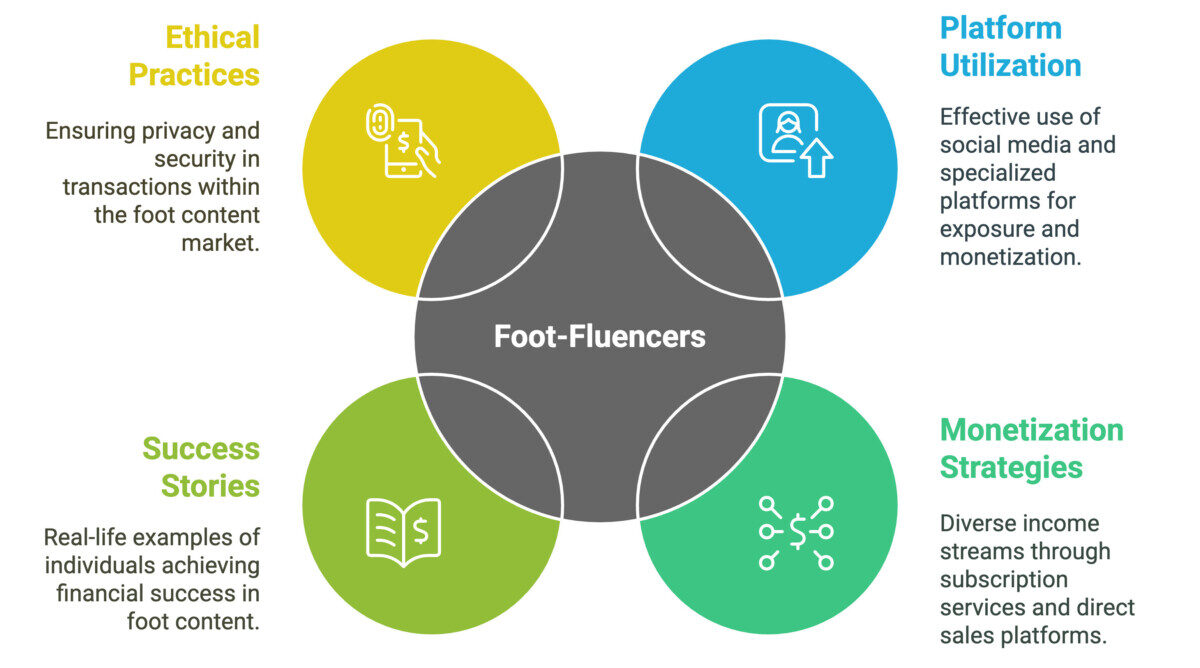
Foot content, once considered an unconventional pursuit, is gaining serious traction in the world of digital media. The rise of “foot-fluencers” highlights how niche markets can create lucrative opportunities when approached with creativity, professionalism, and proper platform management. Let’s break down why this trend is booming and how individuals are capitalizing on it.
Foot content’s popularity can be chalked up to a combination of aesthetic charm, targeted audience appeal, and the widespread reach of digital platforms like FeetFinder. Feet often have an understated allure, with their symmetry and unique features sparking interest across demographics. For creators, foot content is an accessible entry point to tap into a highly engaged audience, often niche but incredibly loyal.
The influence of social sharing platforms has amplified this demand. Instagram, TikTok, and even specialized spaces like FeetFinder have made it easier than ever to connect with consumers interested in foot photography and aesthetics. According to this resource on foot content, the foot-focused craze is a multi-dimensional market that features everything from highly stylized images to candid shots tailored to specific preferences. These platforms not only facilitate monetization but also foster a robust community around the niche.
If you’ve wondered how to monetize foot content effectively, there are several platforms specifically designed to cater to this niche. Social media sites such as Instagram and TikTok often act as the starting point for foot-fluencers, offering free exposure and engagement tools. However, serious monetization typically involves pivoting to platforms that allow direct sales or subscription services.
Dedicated sites like OnlyFans, FeetFinder, and Instafeet bridge the gap between creators and buyers, providing secure environments for transactions. Platforms such as FeetFinder emphasize security and compliance, creating a reliable foundation for financial success. Interested in learning which platforms bring the highest returns? This guide outlines the top options for selling foot content.
While subscription-based services are a cornerstone, diversifying income streams has also proven effective. Some creators use Foap, a platform where content can be marketed directly to brands. Others leverage free platforms such as Reddit to generate organic traffic to paid offerings. These platforms not only expand opportunities for creators but also simplify processes like content uploading, ad protection, and payouts.
Turning foot content into a full-fledged business isn’t just a dream—there are real creators who’ve done it. For example, a woman using FunWithFeet turned her “side gig” into a full-time income stream, reportedly making over $5,000 each month. Stories like hers, shared in this Business Insider article, underscore the potential of combining consistent effort with the right platform.
Even public figures like Lily Allen have leaned into the niche, finding unexpected financial gains. According to Business Insider, she disclosed making more from foot content on OnlyFans than from her music royalties. These examples highlight how diverse the market is—from college students looking for supplemental income to celebrities exploring alternative monetization routes.
Critically, the rise of foot content champions ethics and privacy. Verified platforms like FeetFinder prioritize security, ensuring both buyers and sellers can interact in a safe environment. With weekly payouts and transparent systems, creators gain peace of mind while focusing on scaling their content portfolios.
In a world of digital entrepreneurship, foot-fluencers are proving there’s room for everyone—even within the most unconventional niches.
The digital era has given birth to diverse opportunities in content creation, where influencers and foot-fluencers represent two unique yet thriving career paths. While influencers appeal to broad interests and market trends, foot-fluencers operate within a more specialized niche. Let’s explore the distinctions between these camps through audience demographics, monetization strategies, and societal perceptions.
The audience for traditional influencers often falls into general consumer categories, ranging from teenagers following the latest fashion trends to adults invested in financial advice, fitness goals, or technology reviews. Influencers typically cater to larger, heterogeneous demographics, translating into higher follower counts but often diluted engagement levels.
By contrast, foot-fluencers serve a highly focused audience, such as enthusiasts of aesthetic foot content or those seeking fetish-related material. This niche market might seem specific, but these audiences are far more engaged. Why? Because their interest aligns directly with the creator’s content, fostering a deeper connection. Focused niches help foot-fluencers stand out amid the sea of general influencers dominating platforms like Instagram or TikTok. According to a resource on successful influencer trends, micro-influencers, who often mirror the engagement trends of niche creators like foot-fluencers, tend to cultivate meaningful interaction over vanity metrics.
The engagement differences highlight an intriguing trend: influencers win in reach, yet foot-fluencers thrive on high relevancy and audience loyalty. Engaged communities can create trust and a more sustainable content model.
Influencers rely heavily on brand partnerships to earn income. Picture this: a fitness influencer promotes new workout gear by sharing relatable stories about how it fits into their active lifestyle. These long-term collaborations with brands build credibility and revenue streams through sponsored posts, affiliate marketing programs, and direct ad revenue. Demand for these partnerships largely depends on follower numbers and overall audience influence.
Foot-fluencers, however, leverage platforms that prioritize direct seller-to-consumer interactions. Subscription-based models like Patreon or FeetFinder provide steady income, along with opportunities for custom offers. Foot-fluencers may also diversify through upselling exclusive photo sets, video requests, or even NFTs tied to their niche work. Platforms like FeetFinder emphasize secure payments and easy-to-use interfaces, ensuring creators get fair payouts without complexities. Interested in successful foot-fluencing? This guide on selling foot content explains how niche creators build sustainable revenue.
While influencers monetize through wide networks often amplified by algorithmic boosts, foot-fluencers build their path through microtransactions in uniquely tailored communities. This system puts the power firmly in their hands, making them less reliant on brand approval or platform trends.
Societal opinions on influencers often ride a wave of acceptance and skepticism. Influencers are largely accepted as valued players in modern marketing, yet they face criticism for promoting inauthenticity or perpetuating unrealistic lifestyles. Across sectors, from health advice to financial mentorship, audiences may question whether influencer endorsements prioritize profit over ethics.
On the other hand, foot-fluencers often encounter biases tied to stigma and societal taboos about their niche. Public understanding of such niches remains limited, pigeonholing foot-fluencers as operating outside “mainstream” ideals. However, these entrepreneurs prioritize professionalism, maintaining clear boundaries, and normalizing unique forms of content creation.
For context, biases also appear when comparing influencers to other niche-specific representatives. For example, the role of influencers in sports mirrors how public perceptions solidify or challenge professional identity, as described in this analysis on influencers in sports. Both types of creators face challenges tied to preconceived judgments, yet their ability to educate and represent their audiences often shifts these narratives.
Social proof and growing consumption habits are fostering gradual change. Still, perceptions often split between valuing “mainstream” approaches versus smaller communities offering tailored experiences. With foot-fluencers championing authenticity, these evolutions signify progress in digital entrepreneurship.
This comparative analysis illustrates not just diversity but the complementary aspects of influencers and foot-fluencers in the digital economy—each serving their unique purpose and possessing potential to flourish within a connected and content-driven world.
The worlds of influencers and foot-fluencers offer exciting opportunities but also come with challenges that creators must navigate. Whether you’re crafting content for the masses or a niche audience, success depends on your ability to overcome barriers and operate within ethical guidelines.
The digital content space isn’t without its hurdles. For influencers, creating mainstream content often demands considerable investments in equipment, production quality, and aesthetics. Think high-quality cameras, lighting setups, and editing software, all of which carry significant costs. Moreover, influencers must invest time, from brainstorming ideas to maintaining an active online presence to grow their audience. Scaling up requires sponsorship partnerships, which means constantly proving one’s value in a crowded marketplace.
Foot-fluencers, on the other hand, deal with a different but equally rigorous set of demands. While the niche typically calls for less elaborate production, creators face unique challenges in consistently generating content without diluting quality or creativity. Monetization platforms like FeetFinder or OnlyFans simplify scaling for this niche, but competition remains fierce. Although the market is small compared to broader influencer campaigns, it fosters strong audience loyalty, which can translate into sustainable income when managed well.
Curious about strategies to enhance your own influencer efforts? This article highlights tactics for better scaling that can also apply to niche creators.
For both groups, understanding their audience is key. Growth hinges on personalized content that strikes a balance between cost-effectiveness and audience connection. While mainstream influencers might struggle to stay fresh, foot-fluencers benefit from catering to a dedicated yet specific consumer base that supports recurrent campaigns.
Legal frameworks surrounding content creation evolve almost as fast as the platforms themselves. Influencers often face scrutiny surrounding compliance with ad disclosure guidelines and intellectual property laws. An influencer marketing campaign that doesn’t follow platform rules can lead to account suspension, destroying hard-earned progress.
For niche creators like foot-fluencers, the importance of privacy is amplified. Many creators prioritize anonymity to protect their personal identities, relying on ID verification systems and encrypted payment flows as safeguards. Platforms like FeetFinder emphasize strict security protocols to ensure creators can operate safely while maintaining compliance with local and global privacy laws.
Privacy and ethical advertising reinforce success for both influencers and foot-fluencers. Legal mishaps or data breaches can erode trust quicker than it is earned. For marketers and creators alike, working on trustworthy platforms with verified processes is paramount to navigating these challenges. This aligns with the idea that accountability and protocol adherence are the backbones of credibility in the content world.
Strategic execution, ethical consideration, and the willingness to address these barriers head-on are essential for those looking to stay relevant—whether they’re photographing feet or filming viral TikToks.
Influencer marketing and niche-focused content creation, such as foot-fluencing, are reshaping how individuals and brands engage with audiences. Influencers excel in leveraging broad reach and authenticity, building personal brands that foster trust and drive purchasing decisions. Meanwhile, foot-fluencers demonstrate the untapped potential of hyper-niche strategies, proving that even specific interests can turn into profitable ventures. Both paths offer unique opportunities to connect with audiences, depending on your goals and creative skills.
For ecommerce marketers, aligning with influencers or niche creators depends on your strategy. To succeed, focus on building authentic connections, whether through direct engagement with micro-audiences or partnerships with trusted influencers who share your brand’s vision. Stay flexible by adapting to emerging trends like platform-specific content or long-term influencer collaborations to sustain brand relevance. For niche creators, tools like FeetFinder or subscription-based services provide secure, scalable monetization opportunities that appeal to loyal audiences.
Actionable steps include identifying your own niche or audience, testing platforms that align with your content strategy, and maintaining clarity in your personal or brand message. By understanding your market, you can create meaningful content that resonates and converts. Whether you’re growing as an influencer or tapping into niche entrepreneurship, professionalism and consistency remain essential for standing out in a crowded digital space.
Ready to take the next step? Explore community-driven platforms that align with your goals, or dive into influencer marketing tips to refine your strategy. The digital landscape is vast and filled with potential—find where your voice fits and turn your passion into profit.
The choice between becoming an influencer or a foot-fluencer depends on your interests, market positioning, and goals. Influencers dominate broad reaches and rely on brand partnerships, while foot-fluencers excel through deep connections in niche markets. Both require dedication, creativity, and business acumen to thrive.
For those drawn to flexibility and individuality, exploring niche opportunities like foot content can be rewarding. Platforms like FeetFinder provide robust tools for niche creators to scale their ventures securely. Learn more about maximizing foot content sales in this pricing guide.
If traditional social influence is more aligned with your vision, start by defining a solid strategy with tips from this influencer marketing guide. Each path offers unique opportunities; what matters is aligning your skills with your chosen approach to build a sustainable and fulfilling career.
An influencer typically engages with a broad audience, promoting various products or ideas across general interests. A foot-fluencer, on the other hand, thrives in a highly niche market focused on foot content, appealing to specific preferences while building deep audience loyalty.
Foot-fluencers primarily earn income through platforms like FeetFinder or OnlyFans, which allow direct sales of images and videos. Many also use subscription-based models, custom requests, or even specialized services like NFTs to diversify revenue streams.
Micro-influencers, with follower counts between 1,000-50,000, often have higher engagement rates and stronger connections with their audiences compared to larger influencers. Brands turn to them to create targeted, relatable campaigns that feel authentic and yield better results.
Yes, foot content is a fast-growing niche that offers legitimate earning potential when approached professionally. Creators who build trust, use secure platforms, and cater to their audience’s specific preferences can turn this niche into a sustainable income source.
A common myth is that foot-fluencers operate in an informal or unserious industry. In reality, many are skilled entrepreneurs who prioritize professionalism, manage privacy carefully, and build profitable content strategies tailored to their niche.
Influencers can help build brand trust, expand reach, and drive sales by blending relatable storytelling with product promotion. Brands that partner with niche-focused influencers often see increased ROI as they target specific customer interests more effectively.
Begin by understanding your audience and defining a niche that aligns with your interests and skills. Consistently produce engaging, authentic content and choose platforms that match your goals, such as TikTok for growth or FeetFinder for specialized sales.
No, while social media is often a starting point, foot-fluencers can leverage dedicated platform like FeetFinder to monetize directly. Some also use Reddit communities to drive organic traffic to their paid offerings.
Influencers face stiff competition and often need to meet brand expectations, while foot-fluencers deal with social stigma and the need to ensure privacy. Both must navigate legal considerations, ethical guidelines, and platform policies to maintain credibility.
Consider your personal interests, audience goals, and market positioning. If you thrive on wide audience engagement, influencing might be for you, while foot-fluencing suits those who prefer niche markets and value deep connections with loyal followers.





