


10th
December, 2025
Instagram Shopping has become a game-changer for e-commerce in 2025. Rather than redirecting followers to external websites, brands can now create a shoppable storefront right on Instagram. This means customers can discover and purchase products seamlessly within the app – a huge win for businesses, micro influencers, and content creators looking to drive sales through social media. In this blog, we’ll explore what Instagram Shopping is, how to set it up, and how micro-influencer marketing and UGC (user-generated content) can supercharge your e-commerce strategy on Instagram. We’ll also share tips, examples, and key stats to help brands (including Amazon sellers) make the most of Instagram’s shopping features in 2025.
Instagram Shopping is a suite of features that allows businesses of any size to create a shareable, shoppable product catalog on Instagram. In practice, it transforms your Instagram profile into a mini digital storefront, where visitors can browse products, view details, and even purchase items directly (if using Instagram’s in-app Checkout) or via your website. This integration of content and commerce is at the heart of what many call “social commerce.”
Why is Instagram Shopping so important in 2025? Simply put, Instagram has become one of the top platforms for product discovery and shopping. Check out some eye-opening stats:
|
Instagram Shopping Stat (2025) |
Insight |
|
37.3% of U.S. Instagram users will make at least one purchase via IG. |
A huge segment of Instagram’s audience is actively shopping on the platform. |
|
61% of users turn to Instagram to find their next purchase. |
Instagram is the #1 social channel for product discovery, ahead of other networks. |
|
40.1% of Instagram shoppers spend $200+ on the app. |
Instagram leads all social platforms for big spenders – users tend to buy and spend more on IG than elsewhere. |
|
0.99% average engagement rate for Instagram micro influencers. |
The highest engagement of any influencer tier – translating to more interaction and trust on shopping posts. |
|
50% of consumers rely on social media recommendations when shopping. |
Shoppers heavily trust social proof (like influencer and peer posts) in their purchase decisions. |
In short, Instagram isn’t just for inspiration – it drives real sales. Shoppers are not only discovering products on Instagram, they’re spending serious money there. By showcasing your products on IG, you meet customers where they already hang out. And with features like shoppable posts and Stories, even a casual scroll can turn into a purchase. This is especially powerful when combined with micro influencers and authentic content, which we’ll dive into shortly.

Before we discuss strategy, let’s quickly break down the core features that make up Instagram Shopping:
An example of an Instagram Shop interface on a brand’s profile, showing product collections and personalized suggestions. Users can browse and buy products directly from the “View Shop” section.
These features collectively turn Instagram into a full-funnel platform: from awareness (seeing an influencer’s post) to consideration (viewing product details) to conversion (buying the product). Next, we’ll look at how to get your Instagram Shop up and running.
Ready to open your Instagram storefront? Here’s a step-by-step guide to setting up Instagram Shopping for your brand:
Once set up, your Instagram profile will display a “View Shop” button, and product tags will be live on your content. Now you’ve unlocked a whole new sales channel!
Setting up Instagram Shopping is just the first step. The real magic happens when you pair it with the power of micro influencers and UGC. Micro influencers (typically creators with ~5K–100K followers) are especially effective on Instagram – they often have tight-knit, engaged audiences and a high degree of trust with their followers. Here’s why micro influencer marketing and Instagram Shopping are a perfect combination:
In summary, micro influencers provide the relatable voice and engaged audience, while Instagram Shopping provides the frictionless path to purchase. Together, they shorten the distance between a recommendation and a sale. Brands – including savvy Amazon sellers and small businesses – are using this combo to thrive in a competitive online market. It’s not just about making a quick sale either; it builds long-term brand loyalty. A satisfied customer who found you through a trusted micro influencer is likely to come back again and again.
Real-World Example: An Amazon seller of kitchen gadgets partnered with a dozen micro-influencers in the foodie community on Instagram. Each influencer created recipe posts and Reels using the gadgets, tagging the products. Their followers, already interested in cooking, could swipe up or tap the product tag to buy the gadget from the Instagram Shop. The result? A spike in sales and a library of authentic content the brand could reuse in marketing. Half of all consumers say social media recommendations influence their purchases, so these influencer posts were like the new “word-of-mouth,” supercharged by easy shopping tech.
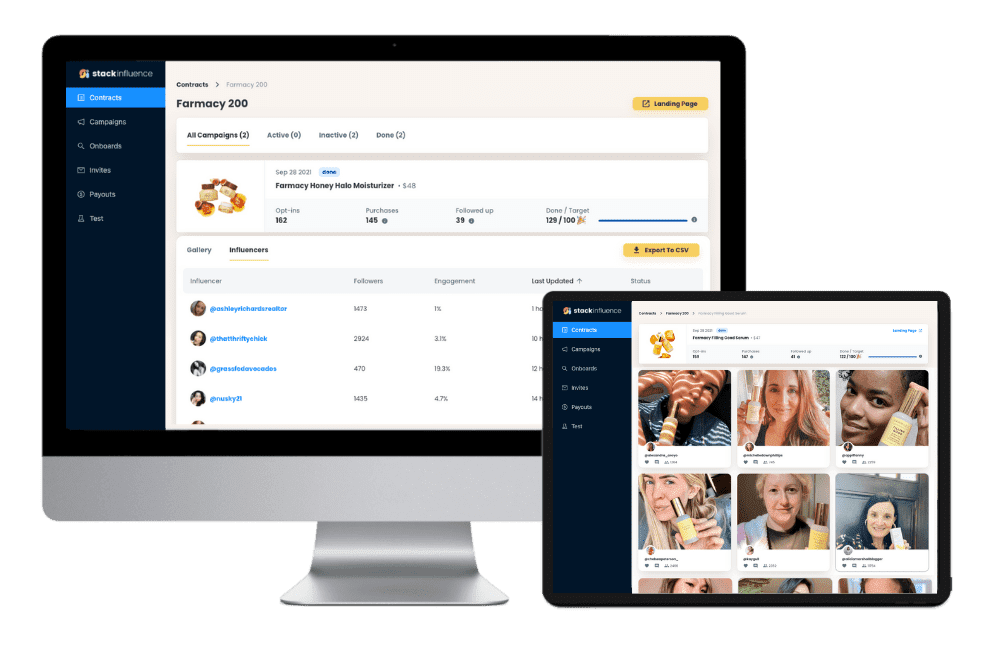
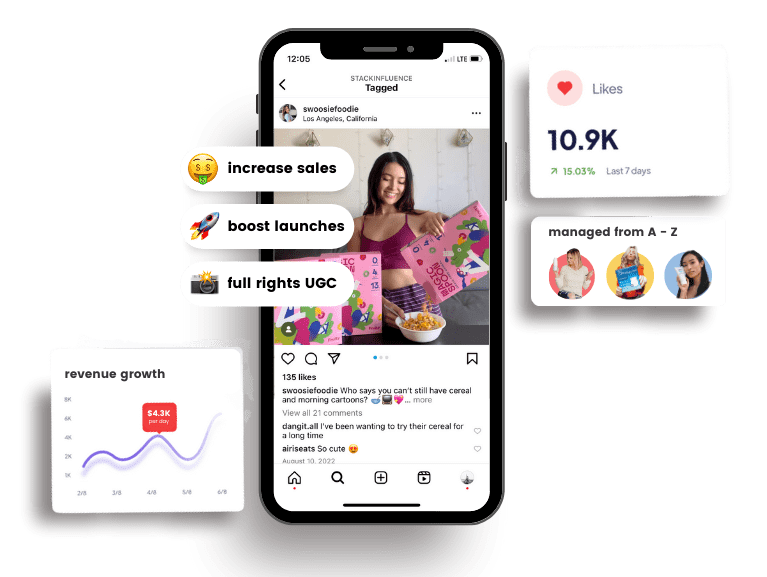
Stack Influence – an influencer marketing platform specializing in micro-influencer campaigns – notes that brands leveraging these small creators consistently see boosts in engagement and sales. The combination of micro influencers + Instagram Shopping is a win-win: influencers earn affiliate income or sponsorship, followers enjoy genuine product recommendations, and brands move more product.
Now that we’ve established the why, let’s get into how to maximize your results. Below are tips to optimize your Instagram Shop and campaign strategy for the best ROI.

To truly unlock the sales potential of Instagram Shopping, you’ll want to optimize both your shop and your content. Here are seven practical tips (drawing on best practices and 2025 trends) to help you succeed:
By implementing these tips, you’ll make your Instagram Shop not just a catalog, but a dynamic, engaging shopping experience that keeps customers coming back. Remember, the most successful brands on IG treat it as a community first and a storefront second – they interact with followers, embrace creativity, and build a brand lifestyle around their products.
Q1: Do I need a Business Account to use Instagram Shopping?
A: Yes. You must have an Instagram Business or Creator account to access Instagram Shopping features. If you’re currently using a personal account, switch to a professional account in settings. This not only unlocks shopping, but also gives you analytics and other tools for businesses.
Q2: What if my business is not based in the U.S.? Can I still use Instagram’s shopping features?
A: Absolutely. Instagram Shopping is available in many countries globally. The difference is in the checkout process. If you’re outside the U.S (or not using Instagram’s native Checkout), shoppers who tap on your product will be redirected to your website’s checkout to complete the purchase. You can still tag products and use all the shop features; just note that the final purchase step will happen on your site.
Q3: How can micro influencers or creators tag my products?
A: Once your shop is set up, any user can technically tag your products in their posts, if you allow it. By default, product tagging by others is enabled, but you can choose to restrict it to approved accounts (like your brand ambassadors or influencers) in your settings. When collaborating with an influencer, it’s best to add them as an approved partner. They can then tag your products in their content just like you can. Their post will show the shopping bag icon, and users can tap through to see the item on your product page. These tagged posts can even appear on the product page itself under “From the Community,” which is a great way to showcase influencer content right next to your product details.
Q4: What’s the easiest way to add products to my Instagram Shop?
A: If you already use an e-commerce platform like Shopify, BigCommerce, WooCommerce, etc., the easiest method is to use that platform’s Instagram integration (or connect via Commerce Manager). This will import your product catalog automatically and keep it synced. If you don’t have that, you might use Facebook’s Catalog spreadsheet upload or add items one by one in Commerce Manager. To save time, start with your best-sellers or a core catalog – you don’t have to list every single product, just those you want to feature on Instagram.
Q5: How can I make my Instagram Shop more engaging and increase sales?
A: Focus on content and community. Use high-quality images and descriptive captions for your products. Regularly post engaging content – Reels, tutorials, lifestyle shots – and tag products in those posts. Encourage customers to share UGC and feature that on your profile (social proof). Collaborate with influencers to reach new audiences. Also, interact with your audience: respond to comments and DMs promptly (Instagram is a social platform, after all). An engaged audience is more likely to convert. From a shop perspective, keep your storefront updated and organized – treat it like you would a physical store display, refreshing it with seasons and promotions. All these tactics together will make your Instagram Shop a vibrant, trust-worthy destination, not just a static catalog.
By following the strategies in this guide, you can turn Instagram into a revenue-driving channel for your business. Instagram Shopping in 2025 is robust and ever-evolving – it blurs the line between browsing and buying, especially when fueled by the voices of micro influencers and genuine customer content. From small Amazon sellers to established e-commerce brands, anyone can leverage these tools to boost sales. Remember, success on Instagram comes from being authentic, responsive, and strategic. So start tagging those products, nurture your community, and watch as 🛍️ Instagram Shopping and micro influencers stack up to influence 🛒 your sales like never before!

By William Gasner
CMO at Stack Influence
William Gasner is the CMO of Stack Influence, he’s a 6X founder, a 7-Figure eCommerce seller, and has been featured in leading publications like Forbes, Business Insider, and Wired for his thoughts on the influencer marketing and eCommerce industries.
Want new articles before they get published? Subscribe to our Awesome Newsletter.
111 NE 1st St, 8th Floor
Miami, FL 33132



© 2025 Stack Influence Inc
© 2025 Stack Influence Inc
The post Instagram Shopping 2025: How Micro Influencers Drive Sales appeared first on Stack Influence.





