

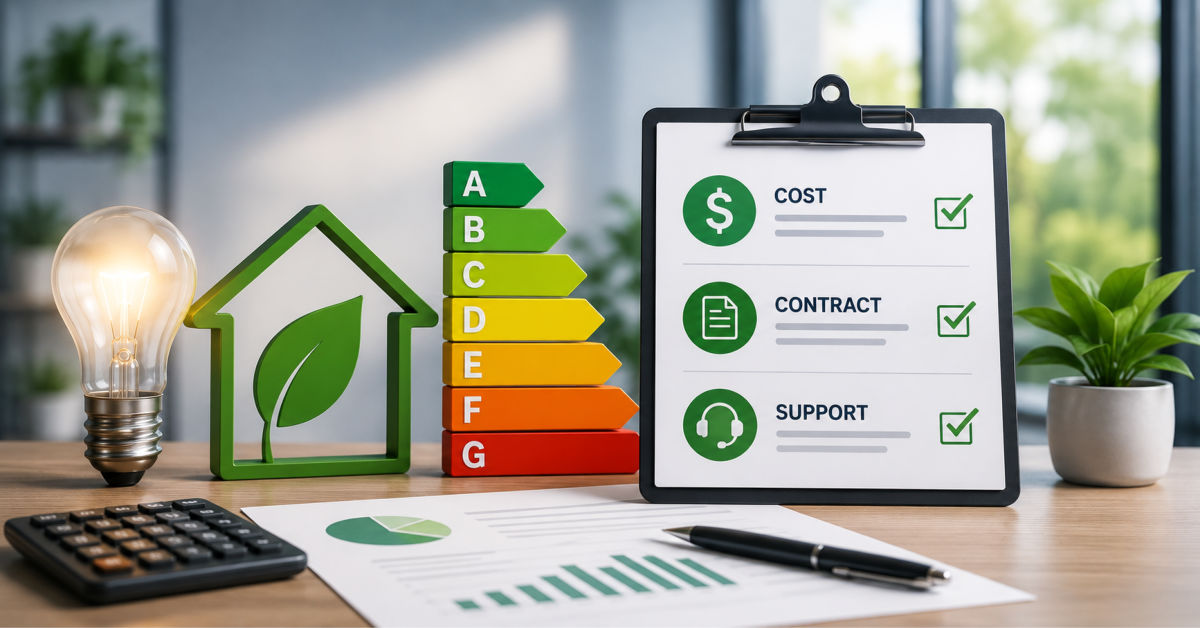
The best business energy plan is rarely just the cheapest headline rate; you need to weigh total costs, contract terms, and supplier service so your energy agreement fits your budget, future plans, and day‑to‑day operations.
Looking beyond the cheapest unit rate to total cost, contract flexibility, and service quality is what turns an energy deal into a business asset instead of a budgeting risk.
Managing energy costs is an important part of running a successful business. Whether you operate a small office, a retail space or a larger commercial site, the energy plan you choose can have a direct impact on your monthly expenses and overall financial planning. However, finding the right option is not simply about choosing the lowest price available.
Different suppliers offer different rates, contract terms and levels of support, which means businesses need to look beyond the headline figures. Taking the time to understand your options can help you choose an energy plan that provides good value and supports your long-term business needs.
The price you pay for energy is one of the most important factors to consider, but it is not the only thing that affects your overall costs. Many businesses make the mistake of comparing suppliers based only on the unit price, without looking at the full details of the agreement.
A complete comparison via eco save business energy should include the daily standing charge, contract fees and any additional costs that may apply. These smaller charges can add up over time and may make a significant difference to your final bill.
It is also important to understand the type of tariff you are choosing. Fixed-rate contracts can provide stability by keeping your energy prices consistent for an agreed period. This can make budgeting easier and protect your business from unexpected price increases. Variable tariffs can offer more flexibility, but costs may change depending on market conditions.
The best option will depend on your business size, energy usage and how much certainty you need when planning your finances. Looking at the total cost rather than one individual rate will give you a more accurate idea of the value a supplier provides.
The details of an energy contract can have a major effect on whether it remains suitable for your business over time. Before signing an agreement, it is important to understand the contract length, renewal process and any conditions that could affect your flexibility.
A longer contract may provide price security and help protect against rising energy costs. However, a shorter agreement could be more suitable for businesses expecting changes, such as moving premises, increasing operations or adjusting their energy requirements.
Pay close attention to renewal dates and cancellation terms. Some businesses find themselves paying higher rates simply because they miss the opportunity to review their options before their current contract ends.
A good energy plan should work alongside your business plans rather than limit them. Choosing a contract that matches your expected needs can help avoid unnecessary costs and provide greater control over your energy spending.
Cost is an important part of choosing an energy supplier, but service quality should not be ignored. A supplier that offers reliable support can make managing your energy account much easier, especially when problems arise.
Consider how easy it is to contact the supplier, how quickly they respond to queries and whether they provide clear information about billing and usage. Good customer support can save your business time and reduce the frustration that often comes with resolving account issues.
Many suppliers now offer online tools that allow businesses to monitor energy consumption, manage bills and access important account information. These features can help you keep track of spending and identify opportunities to improve efficiency.
It can also be useful to research customer experiences before choosing a supplier. Reviews and feedback from other businesses can provide a better understanding of what you can expect after signing a contract.
Evaluating business energy options requires looking at more than just the advertised price. Understanding the full cost, checking contract conditions and choosing a supplier with dependable support can help you find a plan that fits your business.
Energy needs can change as a company grows, so it is worth reviewing your options regularly rather than assuming your current plan is still the best choice. A careful approach can help you manage costs effectively while ensuring your business has the energy support it needs.
No. The cheapest unit rate can be misleading if standing charges, fees, and pass‑through costs make the overall bill higher than alternatives.
It’s better to compare total expected cost over the contract, including fixed charges and any additional conditions.
You should check contract length, renewal rules, notice periods, and any penalties or fees for early exit or changes.
These terms affect how easily you can adjust your plan if your business’s energy needs change.
Supplier service affects how quickly issues are resolved, how clearly bills and usage are explained, and whether you have tools to manage consumption effectively.
Good support can save time and help identify efficiency opportunities that reduce costs.
Many businesses benefit from reviewing their energy plan at least at contract renewal, and earlier if usage patterns or premises change significantly.
Regular reviews help ensure the plan still fits current needs and market conditions.
Comparison services, supplier portals, and independent advice can all help you assess unit rates, standing charges, contract terms, and service quality side by side.
Using your past bills and usage data as a baseline makes these comparisons more accurate.





