


Looking for a passive income source that doesn’t have a ceiling on how much profits you make? With creator, affiliate, and digital advertisement economies on the rise, monetizing content might just be your golden ticket.
In this article, you’ll learn the nitty-gritty of content monetization, different methods and platforms, and the best strategies to generate revenue.
With all this knowledge, you’ll be monetizing content and earning a steady flow of income in no time.
Content monetization generates revenue from online material, including videos, podcasts, blog articles, social media posts, and eBooks.
It’s become increasingly popular as more people seek ways to make a living online.
Successful content monetization strategies require understanding your niche and target audience, the ability to create compelling content, and a willingness to experiment with different approaches to find what works best.
There are many methods for monetizing online content besides paid advertisement. Choosing the best one depends on what you produce and who you’re creating content for. Use the following strategies simultaneously to improve your chances and collect data on the best-performing method.
Affiliate marketing is a strategy to earn a commission by promoting partner brands when someone purchases their products through a unique referral code or affiliate link.
Affiliate partners can also receive payouts by providing results to the advertiser beyond sales, such as leads, clicks, or downloads.
Joining one is usually free and requires no high startup costs. Affiliate networks, like Rakuten, Aweber, or the Printify Affiliate program, generate the links. Then, you feature them on your website or include them in other forms of content.
Launching membership or subscription programs is gaining popularity as they’re a regular revenue source for creators. These strategies include:
Tip
Offer subscription tiers. Each tier has its own pricing and exclusive benefits.
Use platforms like Patreon or Nebula to sell subscriptions for high-quality content people are willing to pay for.
Leverage your expertise to sell courses on online platforms, like Skillshare, Domestika, Udemy.
Create content like video tutorials or eBooks once, upload it, and voilà, you have a passive income stream. No need schedule private tutoring that fills up all of your time.
Popular topics include arts and crafts, business management, languages, and STEM.
Creators of original photographs, videos, or music can profit by licensing content through exclusive rights deals.
This content monetization strategy has the advantage of generating steady passive income. Still, it requires special attention in protecting the creator’s rights by negotiating fair terms with potential licensees.
There are different types of licenses, like exclusive or non-exclusive, and they can vary in duration, territory, and permitted use.
Look for potential licensees, including companies, individuals, or organizations in directories like Publishers Global, platforms, or social media.
For example, YouTube offers licensing and copyright options for those creating content on their platform.
Negotiate the terms when possible and analyze agreements, particularly the license duration, permitted use, and payment terms.
Advertising works in two main ways. You may display ads, native advertising, or sponsored content on your page or a blog post. The other option is paying for ads showing products on search engines and social networks.
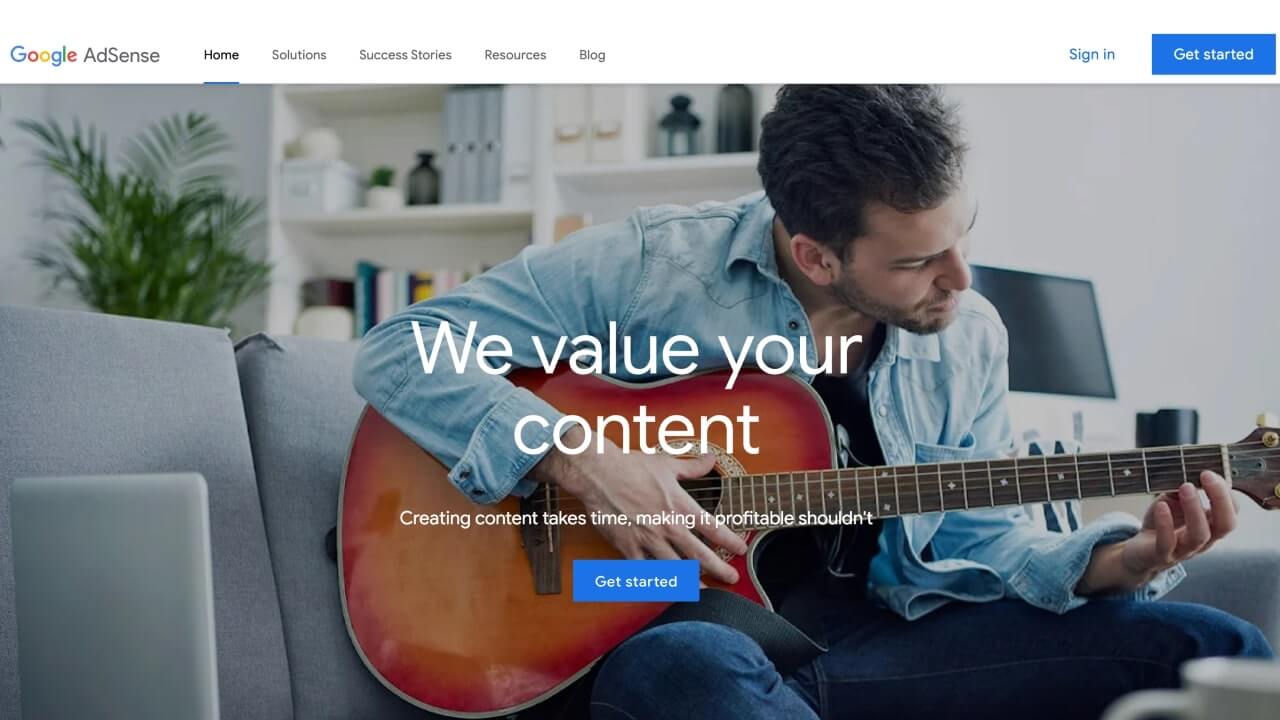
Ad networks and platforms place ads around the internet. Google AdSense is the most used ad program worldwide.
Users with traffic from the United States, the United Kingdom, or Canada can also monetize their content with Media.net.
Social networks like Instagram and marketplaces like Etsy and eBay offer native ads they’ll show internally.
Depending on the platform and plan, ads will work differently:
Choosing the right platform is fundamental for content monetization. You can’t utilize them all at once – invest in mediums that provide value and build a loyal audience.
Explore the best platforms to implement monetization strategies.
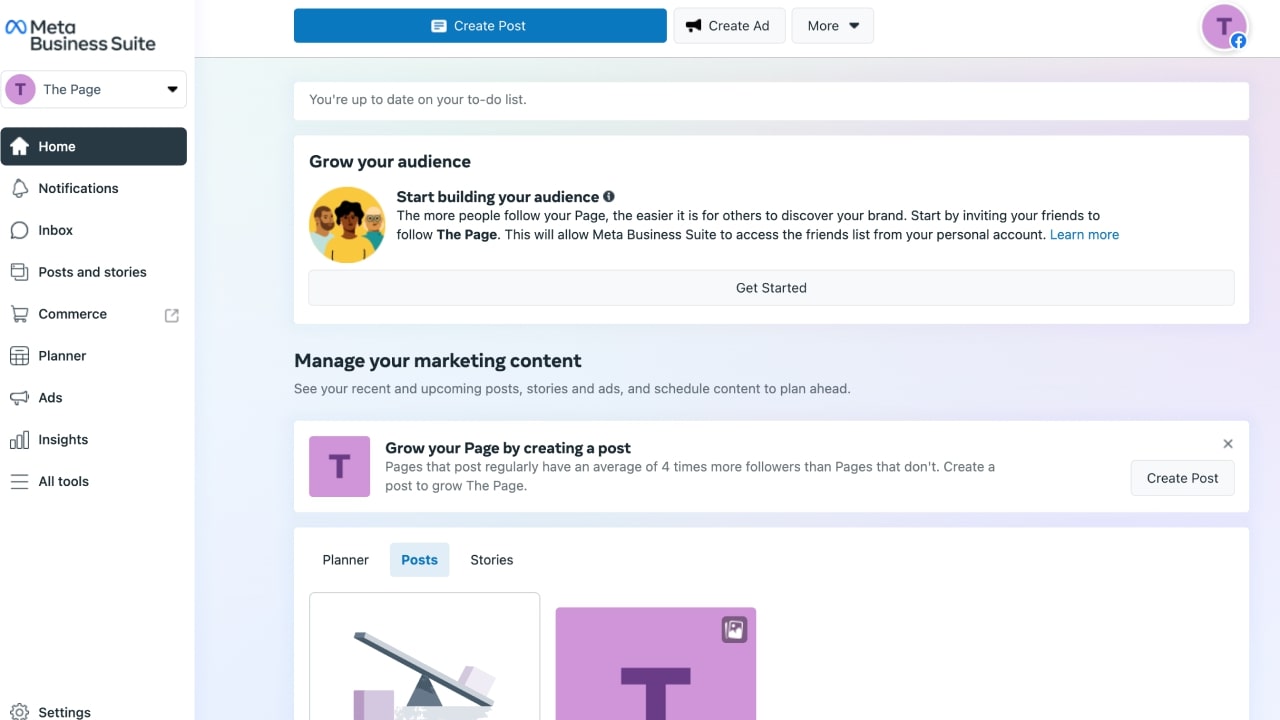
92% of social marketers have used Facebook for advertising, making it the most popular monetization platform worldwide.
The network has a massive base of over 3.8 billion users in 2023, aka plenty of opportunities to monetize your content. This includes in-stream ads, branded content, and fan subscriptions.
The platform also lets users boost posts containing products from your online store with targeted ads. Users can click on these posts to buy from the online store or the shop on Facebook.
Facebook provides content creators with detailed insights and analytics about their audience and content, allowing them to adjust their monetization strategies.
Instagram is a popular platform with a loyal following of around 1.2 billion users worldwide in 2023, especially among Millennials and Gen-Zs. These demographics are estimated to concentrate more spending power than other age groups, increasing the network’s potential for monetizing.
The primary forms of monetizing your content on Instagram are sponsored content, affiliate marketing, live shopping, live badges, and Instagram ads. Sponsored posts can include product placement, reviews, or endorsements, while entrepreneurs with live shopping may tag and sell products directly from their websites.
Instagram also has a creator fund that provides financial support for producing high-quality content. Learn more on how to monetize content on Instagram on our blog.
Standalone websites are a versatile and common form to create content. Unlike depending on social networks and platforms, owning a website gives entrepreneurs complete control over monetizing methods.
However, promoting a website requires social media marketing, external advertising, and search engine optimization to gain traffic and visibility.
WordPress, Wix, and Squarespace are some of the best platforms for designing a content-driven website.
While Wix and Sqaurespace are more beginner-friendly, WordPress has endless customization possibilities and a free plan.
Advertising is one of the most popular ways to monetize a website or blog. Sell ad space to major brands or use networks like Google AdSense to display ads and earn money when visitors click on them.
Creating an online store is another way to earn money from a standalone website, offering merch, services, printables, or subscriptions. Selling branded and customized products with Print on Demand is a convenient form to increase revenue and brand awareness with no upfront costs.
Once you’ve accumulated enough resources, valuable content, and regular traffic, create membership or subscription models with fees for accessing premium content.
Also, consider engaging with affiliate marketing and sponsored content for additional sources of income.
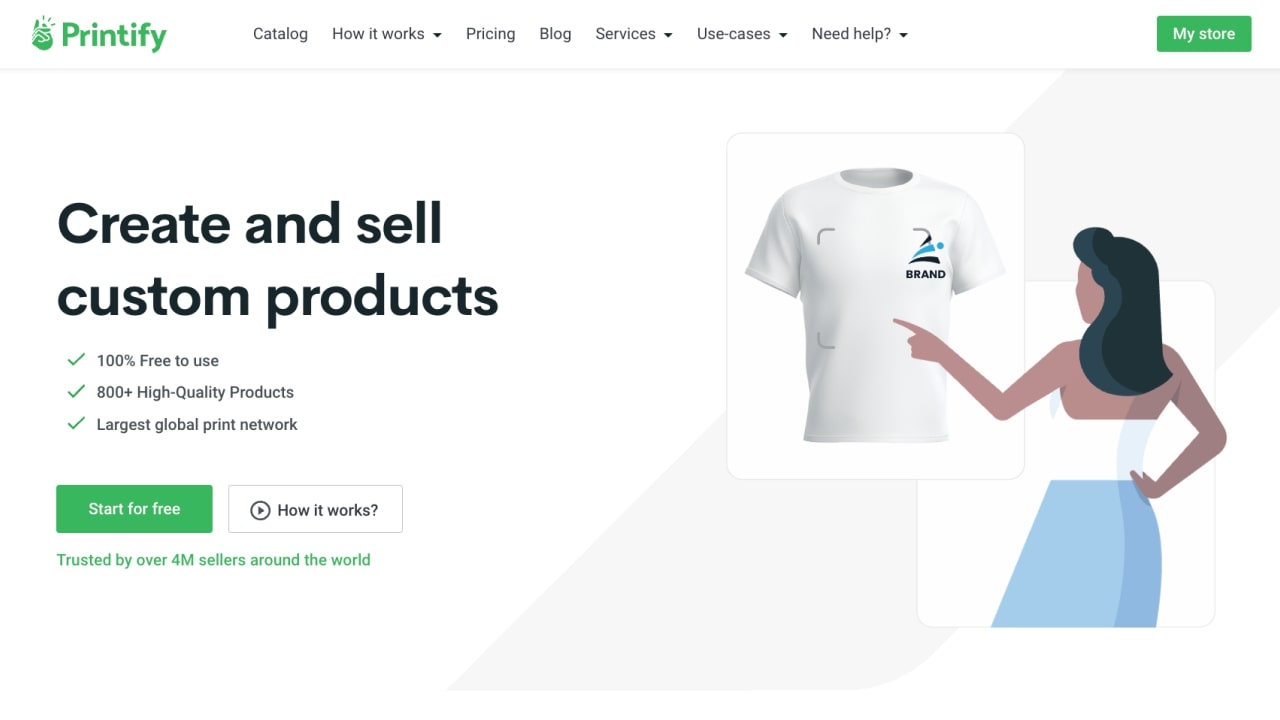
Print-on-demand platforms are one the best ways to monetize your content by selling customized and branded merch like t-shirts, mugs, or tech accessories.
A platform like Printify allows you to upload a design while we handle printing, fulfillment, and shipping products to customers.
POD eliminates the need for inventory management or upfront costs associated with selling physical products.
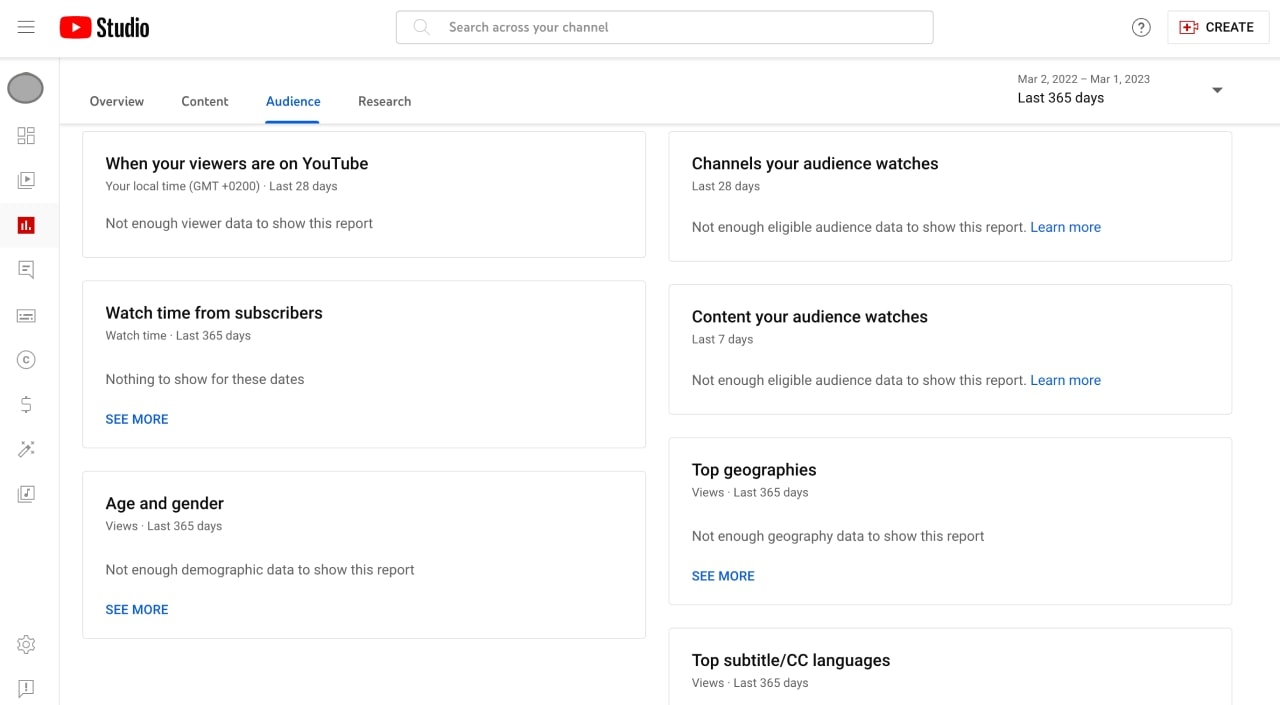
YouTube is the second most popular social network, with over 2.5 billion active monthly users.
For content monetization, your channel channel must have 1,000 subscribers, a linked Google AdSense account, and 4,000 watch hours.
Also, your YouTube channel must be hosted in an eligible country and monetized videos need to be original and follow the platform’s policies.
Other monetizing options in the platform include sponsorships, partnerships, and YouTube ads.
The platform’s built-in advertising system allows creators to earn money from ads displayed on their videos. Creators make a percentage of the ad revenue based on views and engagement data.
They also offer the YouTube Shorts program, which competes with TikTok. Top Shorts creators producing premium content may earn up to $100 million.
With over one billion users in Q4 2023, the platform has a huge following and is trendy among younger audiences.
TikTok’s algorithm promotes viral content. Small accounts have the potential to reach millions by publishing content that resonates with users, making the platform ideal for creators who are just starting and trying to build an audience.
Monetize content in TikTok by selling merch directly from the platform or with sponsored posts.
The network also recently launched a creator fund that allows monetizing content and live streams by those who are eligible:
Now that you know the main forms of content monetization, it’s time to accelerate your profits.
Define your target audience and know who identifies with your unique selling points (USPs). They are the most likely to benefit from your content, engage with your channels, and develop into a profitable community.
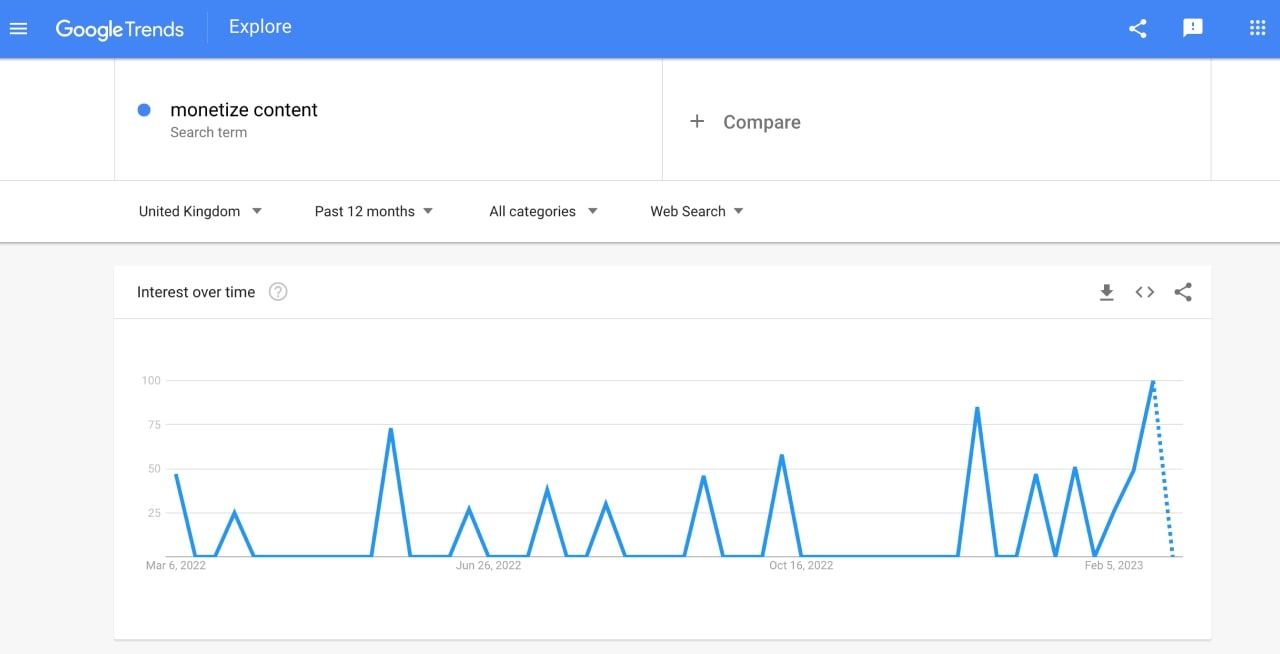
Use tools like Google Trends and research keywords related to your USP to discover your niche. Observe data like audience demographics, age, gender, and location.
When choosing the best platforms to monetize your content, keep these factors in mind:
There are two fundamental factors to consider when deciding on your monetization strategy criteria – providing value to your customers and meeting your business goals.
Based on these parameters, the following factors will guide your monetization strategy:
It’s possible to profit by selling branded merch and digital products with the mentioned content forms or original creations such as software and plugins.
The most popular content monetization strategies include:
Although anyone may learn how to monetize content, people with specific skills for defined niches would accomplish this efficiently.
Artists, bloggers, entrepreneurs, and influencers are among the most successful people monetizing digital content.
In this article, you’ve learned the main methods of how to monetize content, from offering online courses and digital products to charging for premium content.
Now it’s your turn – put up your best efforts in content creation, plan your marketing strategy, and increase income by monetizing your content.





