

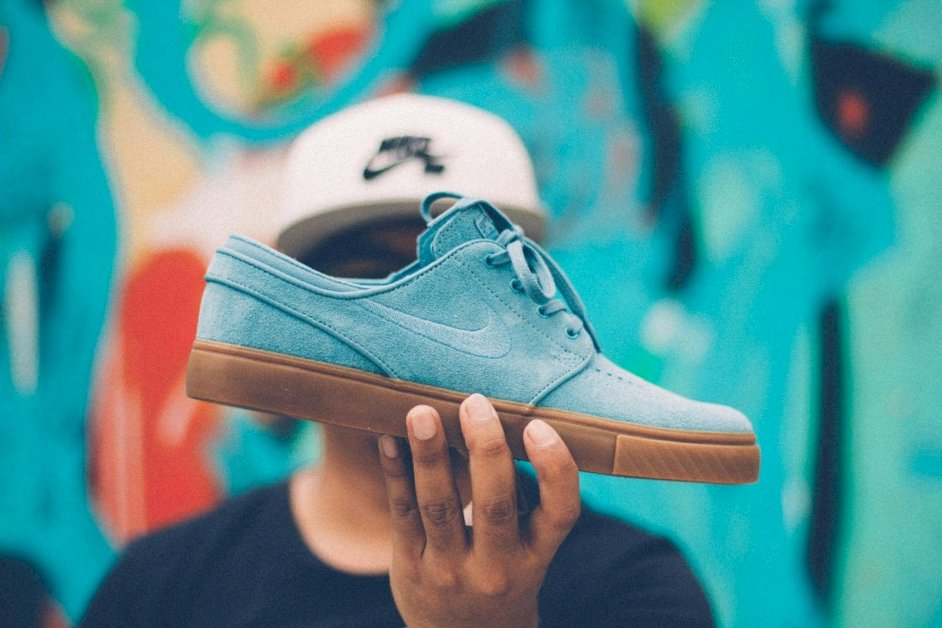
Nike Target Audience: How to Drive Influencer ROI (2026)
20th
January, 2026
Imagine partnering with a famous influencer for your new product, only to see lukewarm sales. What went wrong? In many cases, the issue isn’t the influencer’s popularity – it’s the audience. The brands that win (think Nike) know success comes from aligning with the right followers, not just the most followers. Nike’s approach to influencer marketing proves that when you target the correct audience, you maximize engagement and conversions.
In this guide, we’ll break down how Nike defines and reaches its ideal influencer audience and what e-commerce brands and Amazon sellers can learn from it. You’ll discover how to pinpoint your own target audience, leverage micro-influencers and content creators for authentic reach, avoid common pitfalls, and use audience-focused tactics (including UGC – user-generated content) to drive real ROI. Let’s dive in and learn how to get your message in front of the people who actually matter for your brand.
It’s tempting to judge influencers by sheer follower count. However, a million followers mean little if those people aren’t your target customers. The key question isn’t “Which influencer is most famous?” but “Which audience do I need to reach?” A fitness gear brand, for example, will see far better results partnering with a running coach who has 20,000 runner followers than a general fitness celebrity with 2 million random fans.
Why? Because relevance trumps size. Micro-influencers often have smaller followings but much higher engagement rates in their niche. In fact, one study found micro-influencers on Instagram average about a 6% engagement rate, versus under 2% for mega-influencers. Their audiences pay closer attention and trust their recommendations. For a brand, that means a shout-out from a micro-influencer can drive more meaningful actions (clicks, sign-ups, purchases) than a broad mention by someone with an unrelated crowd.
Bottom line: an influencer’s value lies in who they influence. Always start by defining the audience you want to reach (e.g. college sneakerheads in the U.S., or health-conscious moms on the West Coast). This audience-first mindset will guide you to creators – big or small – whose followers match your customer profile. When the creator’s followers align with your buyer persona, even a modest campaign can outperform a flashy big-name partnership in ROI.
To ensure an influencer is a good fit, look beyond vanity metrics and dig into their audience characteristics. Focus on three layers of audience insight:
If you analyze these layers for every potential influencer, you’ll start to see who truly offers audience alignment. The better you understand an influencer’s followers, the easier it is to choose a partner who can deliver your message to people who will care, not just people who will scroll by.
Nike provides a masterclass in picking influencers based on audience fit. Rather than chasing just the biggest celebrity names, Nike collaborates with a spectrum of creators – from world-famous athletes to local micro-influencers – each chosen for their unique follower base. Here are a few examples of how Nike targets the right influencer audience for each campaign:
What do all these examples have in common? In each case, Nike identified a specific audience segment crucial for the product or message, and then chose an influencer whose audience perfectly matched that segment. Runners for running gear, female ballers for women’s shoes, local fitness communities for wellness campaigns, urban cyclists for street apparel – it’s all about fit. The result: Nike’s campaigns land with maximum impact because they’re speaking directly to people who care.
Moreover, Nike amplifies this strategy by encouraging user-generated content (UGC) from everyday fans. The brand often creates campaign hashtags (like #JustDoIt or sport-specific tags) and invites consumers to participate. For example, Nike’s Mercurial soccer boot campaign prompted users to share their own training moments with #mercurial. By doing so, Nike turned customers into content creators and brand ambassadors. This UGC approach means Nike isn’t only relying on paid influencers – they’re also rallying their real customers (who are effectively nano-influencers) to spread the word in an authentic way. The takeaway for smaller brands: you can similarly spark UGC contests or hashtags to get your buyers posting about your product, creating a ripple effect of genuine endorsements.
Before you start contacting influencers, step back and clearly define your Ideal Customer Profile (ICP) – essentially, a detailed description of the exact audience you want to target. This is a foundational step: you need to know who you’re trying to reach (your end customers) in order to choose an influencer who reaches them.
Start by asking a few pointed questions about your ideal customer:
Writing down your ICP acts like an “audience blueprint” for your influencer campaign. The more specific you are about your ideal customer, the easier it becomes to filter and find influencers who speak to that group. For instance, beauty brand Glossier famously didn’t target all “beauty lovers” at large; they honed in on skincare-obsessed young women who prefer a minimalist routine and peer recommendations. That clarity guided everything from product development to the micro-influencers they partnered with (they sent products to everyday beauty enthusiasts whose followers matched that niche). You can adopt the same approach: zero in on your niche audience and let that profile inform which creators could influence those people effectively.
With your ICP in hand, it’s time to vet potential influencers through that lens. Essentially, you want to answer: Does this influencer’s audience align with my target audience? Here’s how to evaluate and find the right fit:
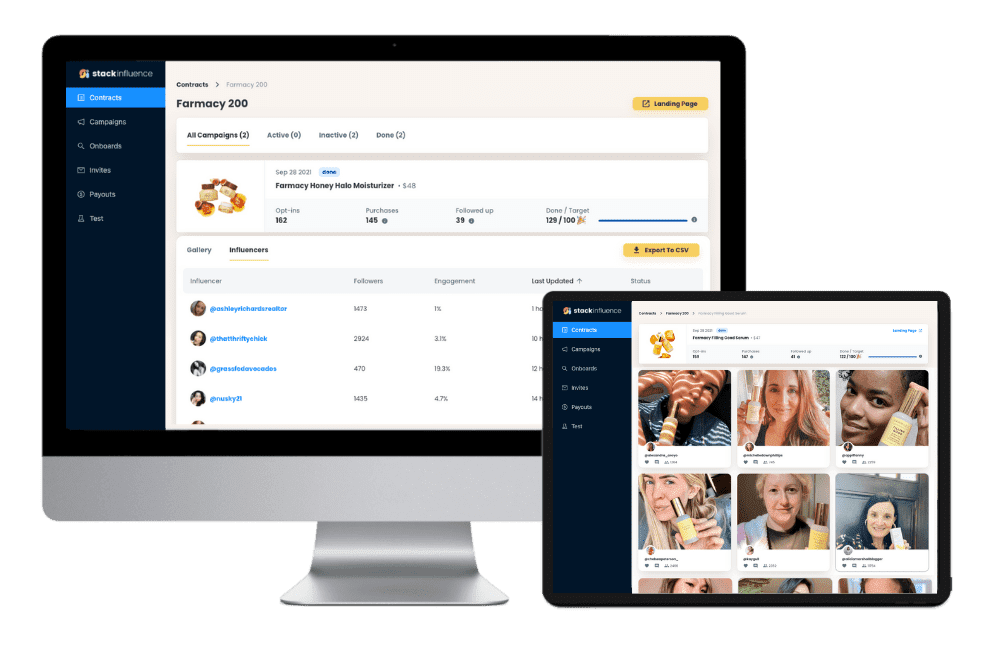
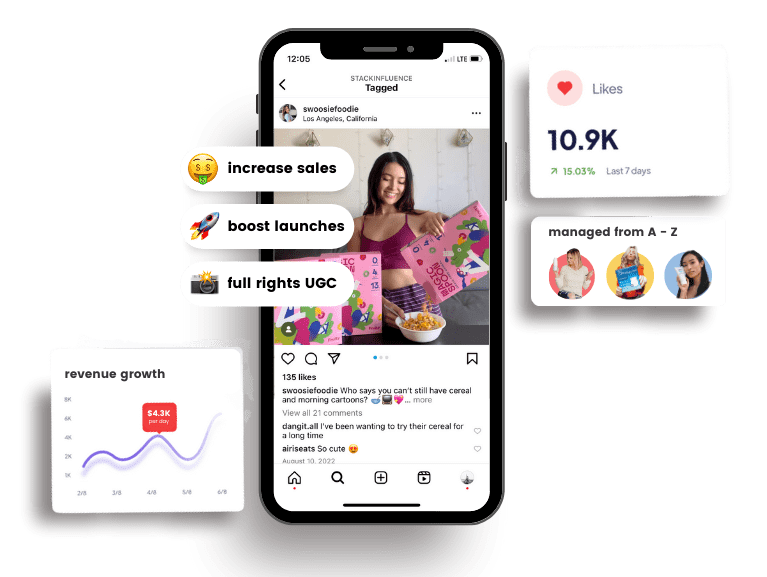
Finally, don’t be afraid to leverage technology and expert help. There are now a variety of influencer marketing platforms and tools that can streamline this entire vetting process. For example, Stack Influence (a micro-influencer platform) uses AI to hyper-target creators based on your desired audience criteria, and it manages everything from outreach to tracking content. Using such a platform can help e-commerce brands and Amazon sellers connect with a large pool of vetted micro-influencers in their niche, without the manual legwork. The platform model often ensures you only pay for performance (e.g. when an influencer actually posts content), which keeps campaigns cost-effective. By tapping into these tools, even a small DTC brand can run an audience-focused influencer campaign efficiently – essentially getting a mini “Nike-level” strategy on a startup budget.
Even seasoned marketers can slip up when it comes to defining and targeting the right audience. Avoid these common mistakes that could derail your influencer marketing efforts:
By steering clear of these mistakes, you set your influencer campaigns up for success. Every dollar you spend on influencer content should be intentionally aimed at a defined group of consumers. Avoiding these pitfalls ensures you’re not throwing money at viewers who won’t convert or associating with creators who undermine your message. Instead, you’ll be investing in partnerships that move the needle – driving traffic, sales, and real growth among the customers that count.
Before you finalize any influencer partnership, run through this quick checklist to make sure you’ve covered your bases:
If you can confidently answer all the above positively, then congratulations – you’ve likely found an influencer who is a strong audience match! That puts you in a great position to run a campaign that doesn’t just generate likes, but drives clicks, sign-ups, and sales.
In the end, the success of an influencer campaign boils down to this: Did your message reach the people who are likely to buy? When campaigns flop, it’s rarely because the influencer lacked talent or the content wasn’t pretty. More often, it’s because the brand’s message never truly reached its target audience. Don’t let your efforts fall into that trap.
Nike’s example shows that being deliberate about audience alignment can turn influencer marketing into a powerful growth engine. You don’t need Nike’s budget to apply the same principle. Focus on finding partners whose followers mirror your customer base, whose engagement is genuine, and whose voice complements your brand. When you have that alignment, even a modest campaign can drive real ROI – whether it’s more traffic to your Amazon product page, an uptick in ecommerce sales, or a flood of user-generated content that amplifies your brand’s credibility.
For e-commerce brands and Amazon sellers, this is especially vital. Every marketing dollar counts, and an audience-first influencer strategy ensures those dollars are spent efficiently. It’s better to reach 5,000 of the right people and convert a healthy percentage, than 500,000 of the wrong crowd and convert almost none. By doing the homework on your ideal audience and choosing influencers accordingly, you set yourself up to achieve tangible results like higher conversion rates and repeat customers who found you through a trusted voice.
So before your next influencer campaign, take a page from Nike’s playbook: define exactly who you want to talk to, and let that guide every decision. With the right audience targeting, your influencer content will not only get likes – it will spark conversations, win hearts, and drive sales. Now go forth and start connecting with those creators who speak to your future customers. Your next influencer partnership could become the moment your brand’s story truly clicks with the world. Just remember – it’s all about who’s listening. Focus on that, and the ROI will follow.

By William Gasner
CMO at Stack Influence
William Gasner is the CMO of Stack Influence, he’s a 6X founder, a 7-Figure eCommerce seller, and has been featured in leading publications like Forbes, Business Insider, and Wired for his thoughts on the influencer marketing and eCommerce industries.
Want new articles before they get published? Subscribe to our Awesome Newsletter.
111 NE 1st St, 8th Floor
Miami, FL 33132



© 2025 Stack Influence Inc
© 2025 Stack Influence Inc
The post Nike Target Audience: How to Drive Influencer ROI (2026) appeared first on Stack Influence.





