


This article is part of our unPredictions series — no guesswork, no lofty trends, just real commerce marketing priorities to help you drive customer engagement and increase growth and revenue in 2022.
Channels are kind of like rabbits. They just keep multiplying. First, there were physical stores, then mail order catalogs, then email, and then social media and e-commerce marketplaces. Today, new digital channels pop out of the woodwork on a continual basis.
With so many options available, some marketers may be tempted to go to one extreme or the other when it comes to using those channels to connect with customers.
Neither extreme is ideal. In fact, they both do a disservice to customers and make it harder for marketers to achieve success. The real objective is actually this:
Meet customers where they want to meet you.
You want to make it easy for customers to use their preferred channels (not yours) to connect with your brand.
It’s for this reason that we made true 1:1 omnichannel marketing one of the key priorities in our ebook, unPredictions: Commerce Marketing Priorities Powering 2022. A solid omnichannel strategy puts the focus back where it belongs: on making brand interactions centered around your customer’s needs. Read on to dig deeper into omnichannel marketing and discover some handy action items.
We’ve previously written an all-purpose omnichannel guide, but here’s a quick refresher about what we mean by “true omnichannel marketing” here at Emarsys.
Omnichannel doesn’t mean using every single channel available, simply for the sake of using it. You could use singing telegrams to deliver your marketing message, but if that doesn’t suit your customers’ preferences (or if it drives them up the wall), why waste the resources?
It also doesn’t mean simply copying and pasting a single message across all available channels. A half-hearted copy-paste job ignores the fact that channels work differently from each other. Each channel has strengths and weaknesses, and some are more suited to particular messages than others.
True omnichannel marketing is communicating with customers at their convenience, delivering the right message on the right channel at the right time.
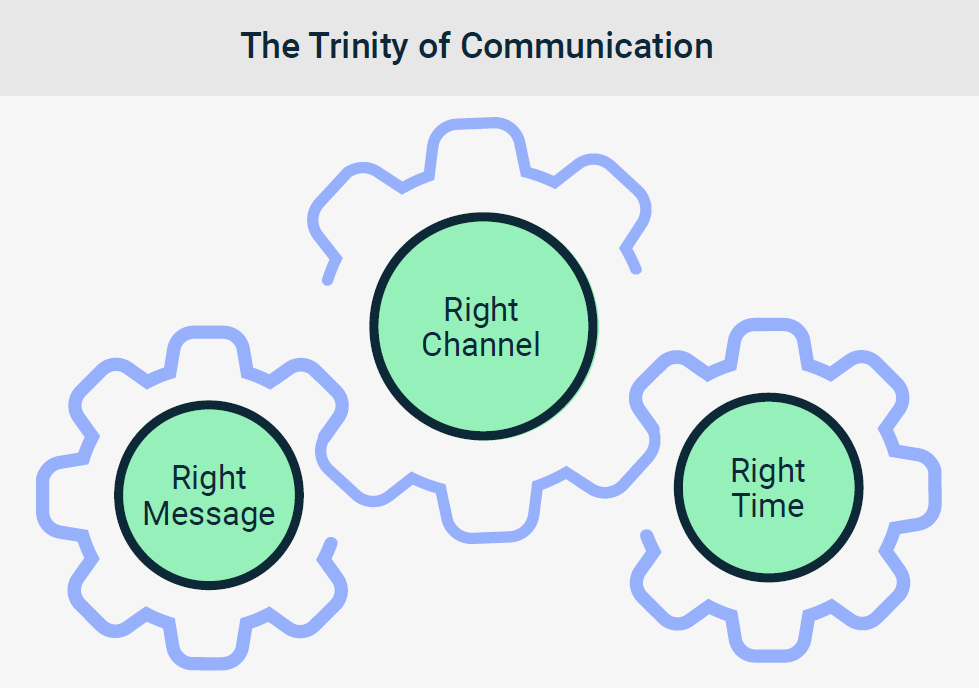
To achieve this pinnacle of engagement, you need:
When do people want to receive an email, an app pop-up, an SMS, or some other channel? Your marketing team needs to have the technology to understand that and automatically act on it.
“If you aren’t using such-and-such channel, your marketing is behind the times!”
Don’t let others scare you with statements like these. There will always be some new channel and some new trend. We’re not saying you should ignore them (not by any means), but don’t sweat buckets trying to chase every possible channel.
The essential channels are whichever ones your customers prefer. By knowing and understanding your customers, you will always keep a finger on the pulse of their communication preferences. (That’s one of many reasons why we’re such big fans of unified data, as mentioned above.)
Some channels may come and go, but always keep these essentials in mind and know how and when to put them to good use:
Your customers can seamlessly switch among the various channels, and they expect their favorite brands to do the same.
Understanding channels is all well and good, of course, but what’s a marketer supposed to actually do with that knowledge?
Every brand has its own voice and style of messaging, and it’s your job (and privilege) as a marketer to create not just separate channel experiences but a true omnichannel journey.
Here are a few ideas to help jumpstart your creative marketing brain:
In case you just can’t get enough omnichannel strategy, this ebook includes the story of how Nike doubled their revenue from omnichannel automation campaigns, plus you’ll find other omnichannel insights.
Everything you do as a marketer should come back to the customer. Building a strong omnichannel journey will help you strengthen customer relationships and increase customer loyalty, and it can also help with brand recognition and visibility.
A great omnichannel marketing strategy is one that uses data and technology to help the brand meet customers where they are willing and eager to interact, while also avoiding channel outreach that would be ignored or, worse, annoying.
You don’t have to be omniscient to know that there will always be more channels to consider, but you do need a true omnichannel strategy to meet customer expectations!
Handpicked Related Content:





