

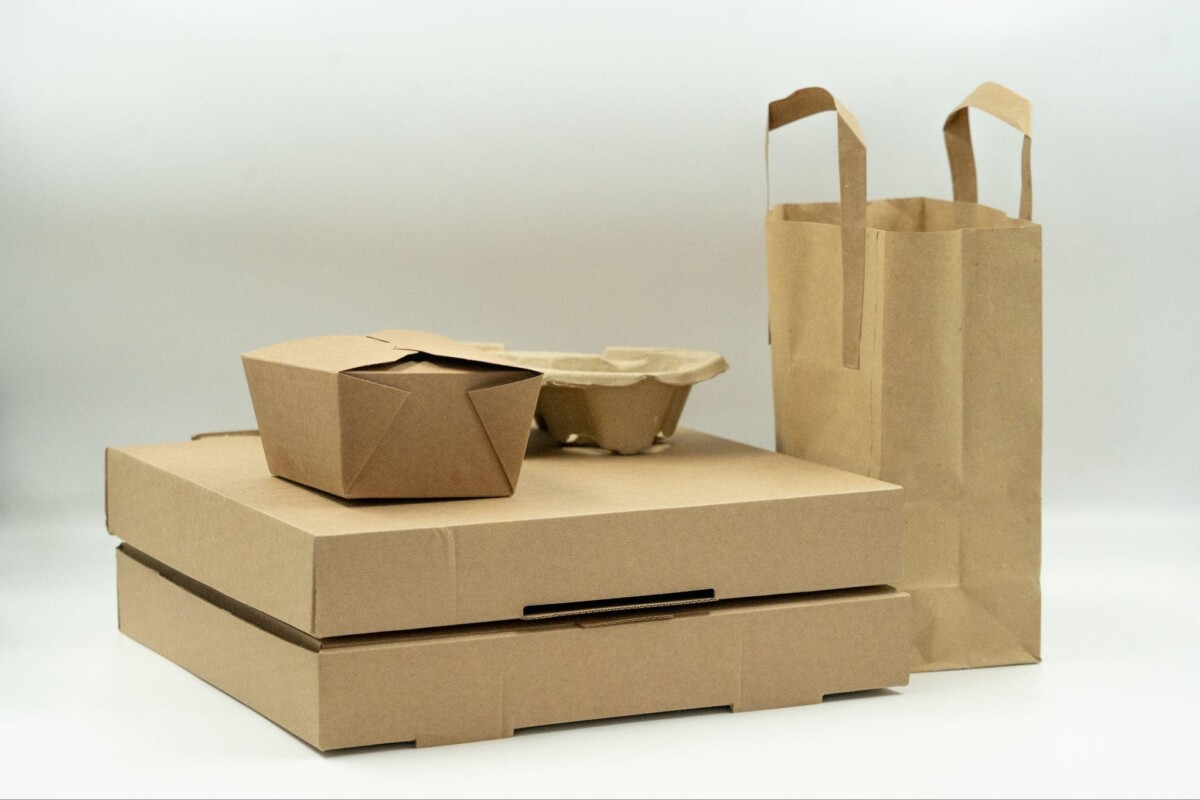
In this digital world of e-commerce, where most customer interactions are on screens, packaging is the first and only point where a brand physically comes in touch with its customers.
The moment a package arrives at a customer’s door, every detail about the package, such as its design, sturdiness, ease of opening, and even sustainability, reveals something about the power of your brand.
Packaging is far from being “just a box”, it is a strategic tool that influences perception, customer satisfaction, and loyalty. If this strategy is executed thoughtfully, it turns just a routine delivery into something unforgettable. You will not believe but people judge product quality on the basis of packaging. If your product is high-quality, but your packaging is quite bland, then your high-quality product is going to be ignored.
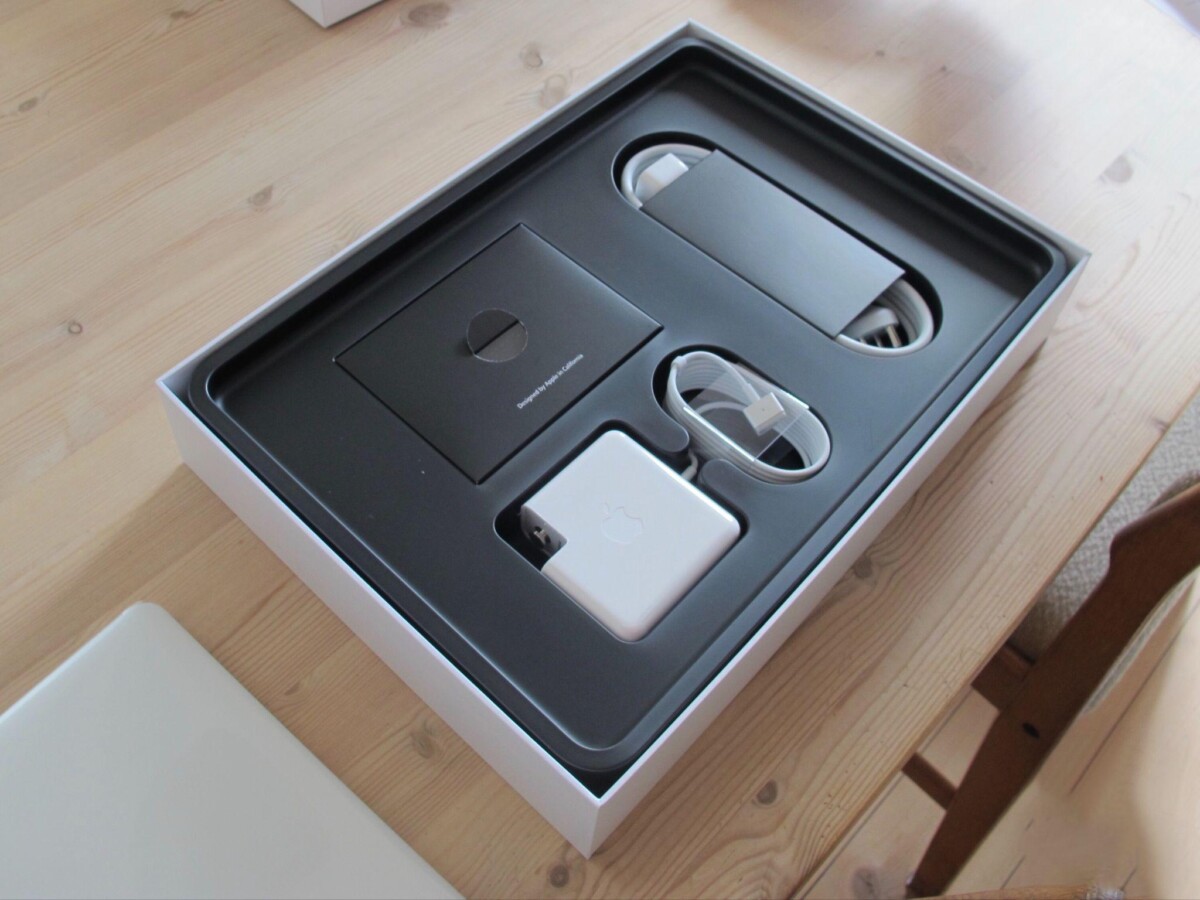
Most online businesses invest heavily in website design, product photography, social media ads, and much more, but they often overlook what customers experience after clicking the “buy” button. That moment after purchasing is where packaging becomes the focal point.
Imagine this, a customer opens his parcel, and he finds a perfectly fitted box with minimal waste and a small thank-you note. This is something that builds trust for the brand.
Packaging is the first impression for your customer. And we all know that the first impression is the last. Studies from McKinsey and Forrester confirm that the first impression formed during unboxing can directly impact the rate of repeated purchases. A well-designed package is a signal for reliability and care for the customer, these two qualities help to build a long-term relationship with customers.
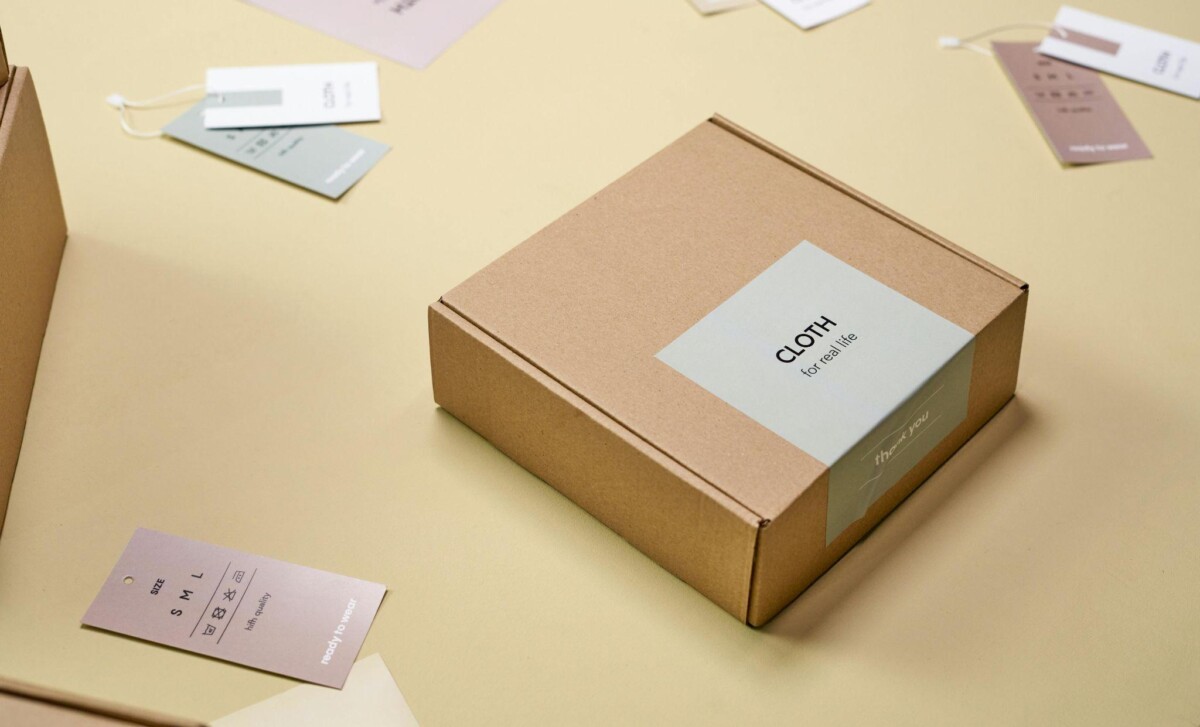
Customer experience (CX) in e-commerce is not just limited to digital aspects like checkout or customer support. It is a journey that extends from browsing to unboxing the product.
Packaging is the final mile of the journey, where brand promises become tangible. It affects how customers feel about product quality, brand consistency, and attention to detail.
Every tear strip, logo placement, and layer of wrapping contributes to something, which is called “perceived value” by psychologists. It is a mental link between what something feels like and what it is worth.
The way humans respond to packaging is not accidental, it’s actually deeply psychological. Research related to consumer behaviour shows that the emotional cues during unboxing trigger anticipation and reward pathways in the brain.
Just think for a moment how Apple’s minimalist packaging design creates that excitement at once. The slow reveal, clean edges, and snug fit are all designed to give a feeling of premium quality.
This strategy can also be utilized by small brands. Here are a few principles, just keep them in mind, and you will see a huge difference:
When you align all these factors, your simple packaging becomes an emotion.
Packaging is not only for protecting the product, it’s way more than that. It directly communicated with the buyer. Here are 4 pillars to keep in mind related to packaging.
The color combo, font selection, and logo placement reveal all your story instantly. Your box design should reflect the same color pattern and fonts used online. This not only builds trust but looks aesthetic as well.
Nothing ruins CX more than damaged goods. You must invest in sturdy materials and fit-for-purpose boxes for the best experience. Always prefer the packaging that minimizes movement while keeping the weight low.
A good example is corrugated cardboard boxes, which are known for their strength and recyclability. Smart brands invest in durable shipping boxes not just to prevent returns but also to keep products protected. You can buy sustainable and good-quality corrugated shipping boxes in bulk from Packachange at a very reasonable price. They offer fast shipping all over the U.S.
A simple thank-you note, a small gift, a coupon, and even a QR code that links to product usage tutorials sprinkle a bit of individuality onto products. It shows that there are people behind the brand, not just algorithms.
Nowadays, people prefer brands that not only care for them but also care for the environment. It is preferred to use eco-friendly materials and minimal labels to build trust.
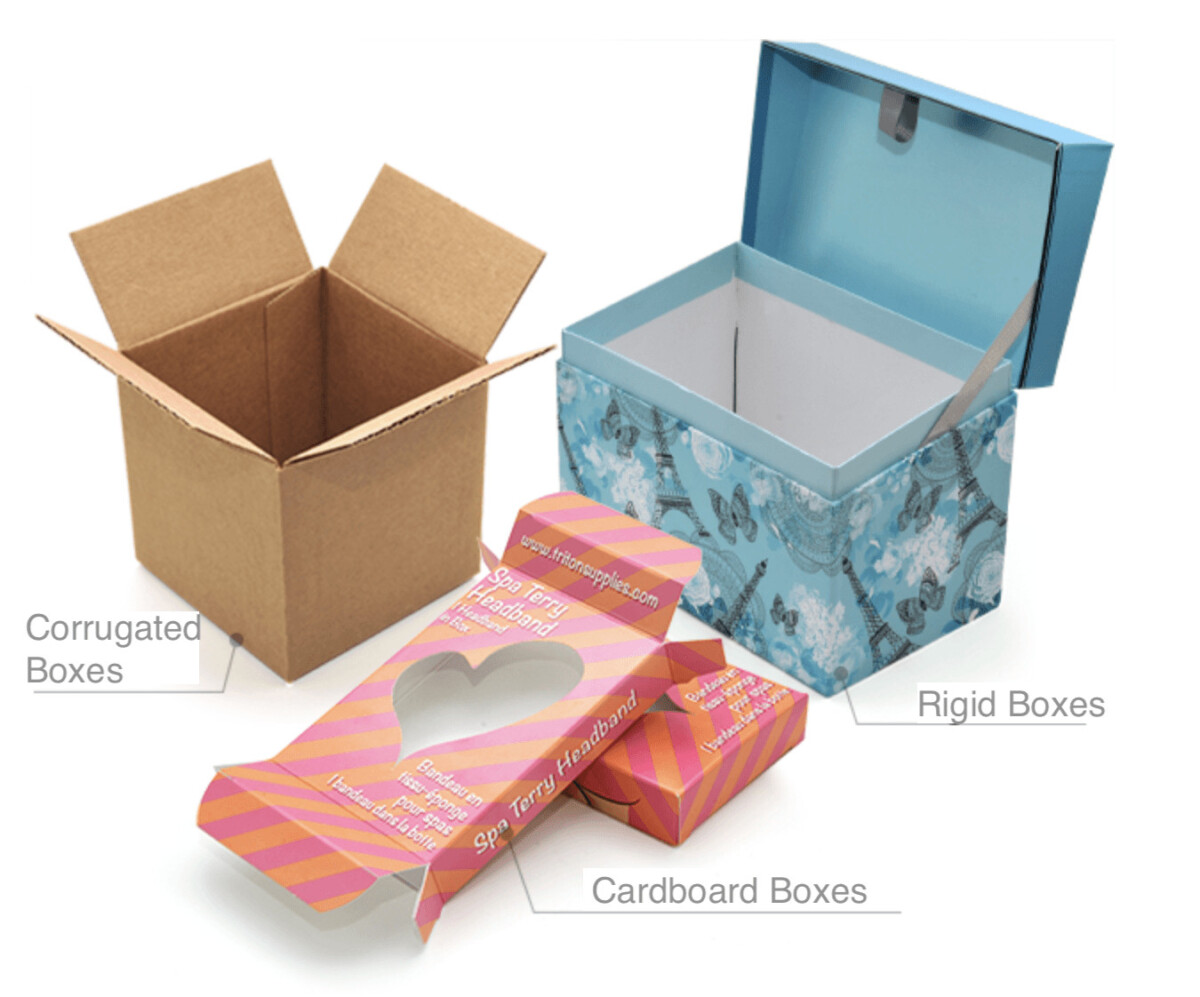
Different types of packaging can lead to different emotional signals:
The right approach depends on your audience. For example, tech buyers may prefer minimal packaging, while beauty customers prefer elegant packaging. Your goal is to identify your audience’s needs and choose the right packaging accordingly.
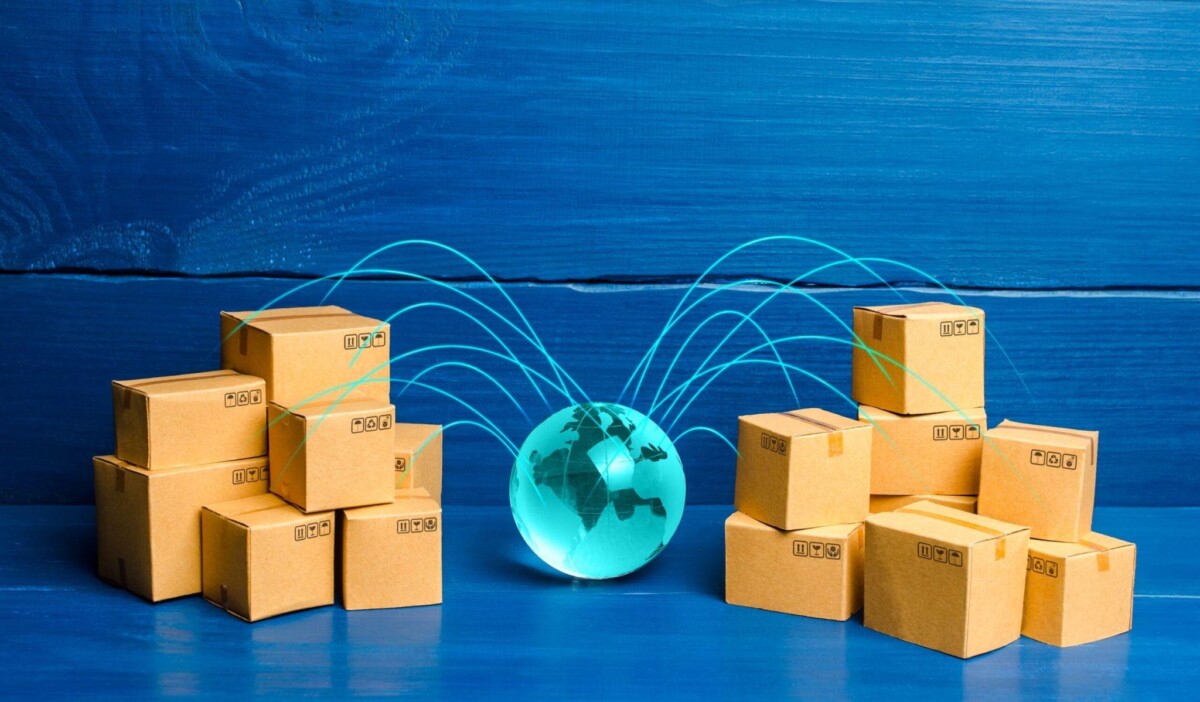
Your packaging plays an important role in your marketing. It keeps marketing after leaving your warehouse until it reaches the customer.
Especially if your customer shares an unboxing video on YouTube, TikTok, or Instagram, here your box is the advertiser. A special unboxing experience can transform passive viewers into active buyers.
A recent Dotcom Distribution study found that 40% of buyers share a product on social media if it comes in premium packaging. Don’t underestimate this number, it’s not a small number, it’s a totally free marketing channel that you don’t have to pay for.
So, design your packaging in such a way that every customer becomes your next influencer.
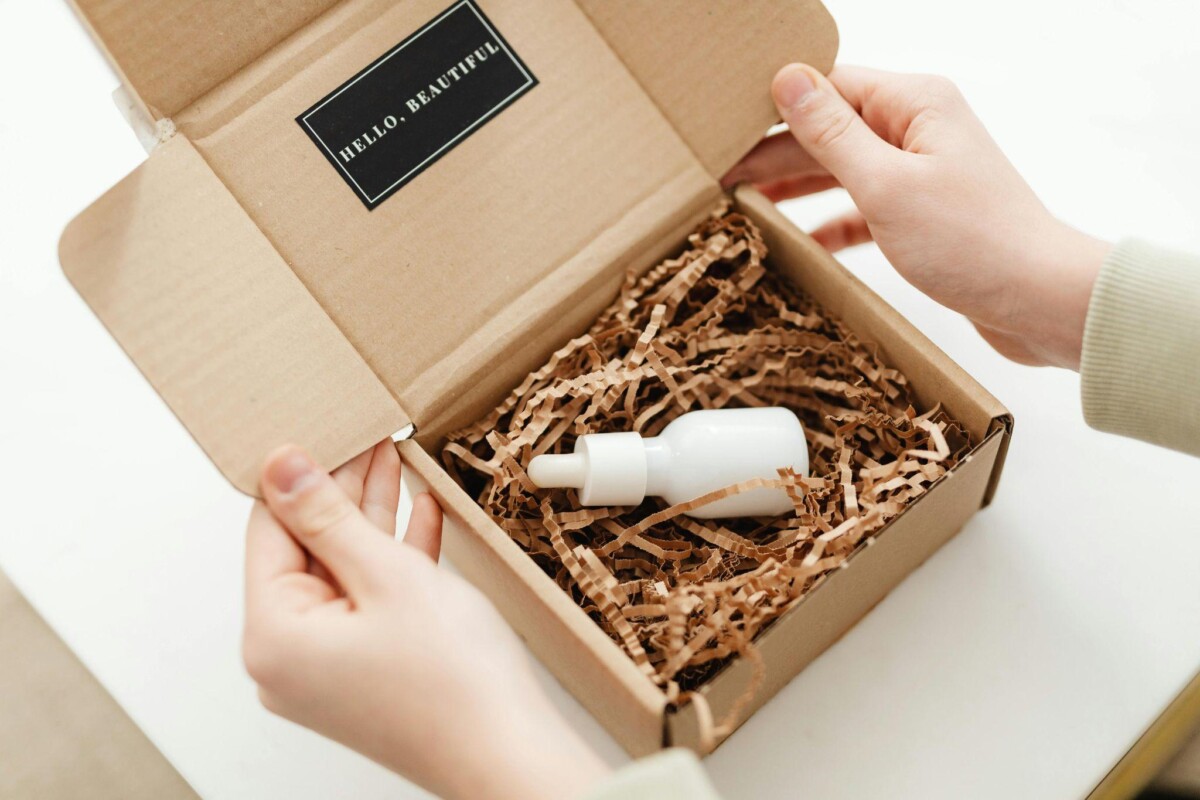
Sustainability is no longer an optional thing, it is something expected by customers.
Nowadays, customers not only judge a brand by quality but on environmental ethics.
Using biodegradable or recyclable materials, reducing extra filler, and labeling products honestly all build more trust and goodwill.
On top of that, sustainable packaging reduces long term costs as well. Moreover, lightweight packaging reduces shipping costs as well.

Every e-commerce query eventually leads to just one question: ”What’s the return?”
Fortunately, the ROI of packaging can be measured easily. Here’s how brands track this:
Some brands even do A/B testing regarding packaging, they send two different packages and analyze which one leads to more satisfaction and repeat purchases.
Sometimes big brands also slip up and make some packaging mistakes, but you must avoid these:
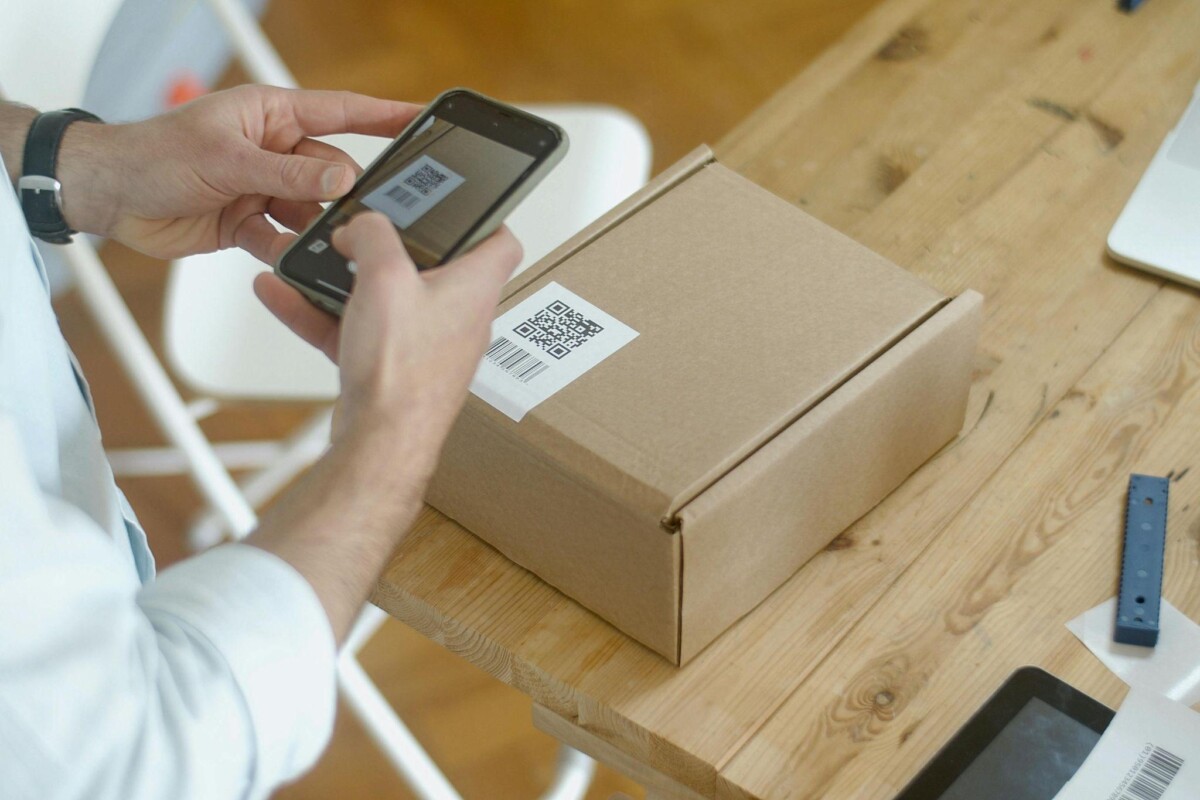
The next few will change the packaging as a whole. Here’s how:
At last, I would like to say that in e-commerce, packaging is something way more than protection. You can say that it’s your first physical interaction with your customer. Every corner fold, material choice, and logo placement can lead to different feelings.
If your goal is to build trust and satisfy your customers, then never miss a point on packaging.
That’s a fantastic article, Steve. It clearly shows content creators how critical packaging is for an e-commerce brand’s success. It really highlights that a box is actually a powerful marketing tool.
Packaging is your first physical touchpoint with a customer. It is a strategic tool that strongly impacts how people view your brand’s quality and reliability. Thoughtful packaging turns a simple delivery into a memorable and positive experience for the buyer.
The “unboxing” moment strongly forms the customer’s first impression of your brand. Studies show that a good unboxing experience directly leads to higher rates of repeat purchases. Quality packaging signals care and attention to detail, which builds long-term trust.
The four key pillars are branding, functionality, personal touches, and sustainability. Effective packaging must clearly display your brand’s look, protect the product well, include personalized notes, and use eco-friendly materials. Ignoring any of these can lead to customer dissatisfaction.
Yes. Custom branded packaging encourages customers to share their unboxing experience on social media platforms like TikTok and Instagram. When customers post videos, your box acts as a free advertisement to a wide audience. This free marketing makes customers into brand influencers.
The most critical mistake is ignoring sustainability and using excessive packaging. Customers in today’s market expect brands to be eco-conscious. Over-packaging also frustrates customers and wastes materials, which can damage your brand’s reputation quickly.
Perceived value is the mental link customers make between the feeling of a package and the product’s worth. High-quality materials, careful design, and a snug fit all make the customer feel the product is more valuable. This psychological link improves customer satisfaction greatly.
The right choice depends completely on your specific audience and product. Tech buyers might like the clean look of minimalist packaging, while customers buying beauty products may prefer a more elegant and exclusive look. Your packaging should always match what your target audience expects.
You can add personal touches, like a simple handwritten thank-you note or a small coupon code for a future purchase. This immediately shows that real people are behind the brand, making consumers feel special. This individual attention helps build a stronger emotional connection.
You can measure packaging ROI by tracking a few things. These include analyzing customer feedback and reviews, watching your return rates due to damaged goods, and seeing an increase in repeat purchases. Low-cost and social media mentions prove your packaging investment is working.
Yes, smart packaging is a key future trend. This involves using things like QR codes and NFC tags on the box. These codes connect the physical package to online content, such as product tutorials or augmented reality experiences, boosting customer engagement digitally.





