

Creating an effective planogram is an art that combines analytics, marketing and merchandising strategy.
A well-designed planogram not only improves the shopping experience, but also increases sales, optimizes the use of retail space, and helps automate checkout management processes.
The first and most important step is to study your target audience. Understanding customer behavior, preferences and needs helps you create a planogram that is convenient and efficient. Analyze:
Data is a key factor in creating a successful planogram. Modern technology allows you to analyze demand, average receipt, merchandise turnover rate and other important metrics.
How to do it effectively?
When designing your planogram, it is important to emphasize goods with high margins and popularity. Place them on the golden shelves – eye and arm’s length level and in high traffic areas. This will maximize visibility and encourage impulse purchases.
Shoppers should find it easy to navigate the store and find the products they want. Place goods so that the logic of the layout is clear:
Size, weight, and packaging all affect product placement:
Attractive layout is a powerful tool to increase sales. It is important to consider:
The market and customer preferences are constantly changing, so it is important to update the planogram regularly.
Quality realization of the planogram is possible only with competent work of the staff. The planogram should be understandable for the staff, and the staff should be trained in its correct implementation.
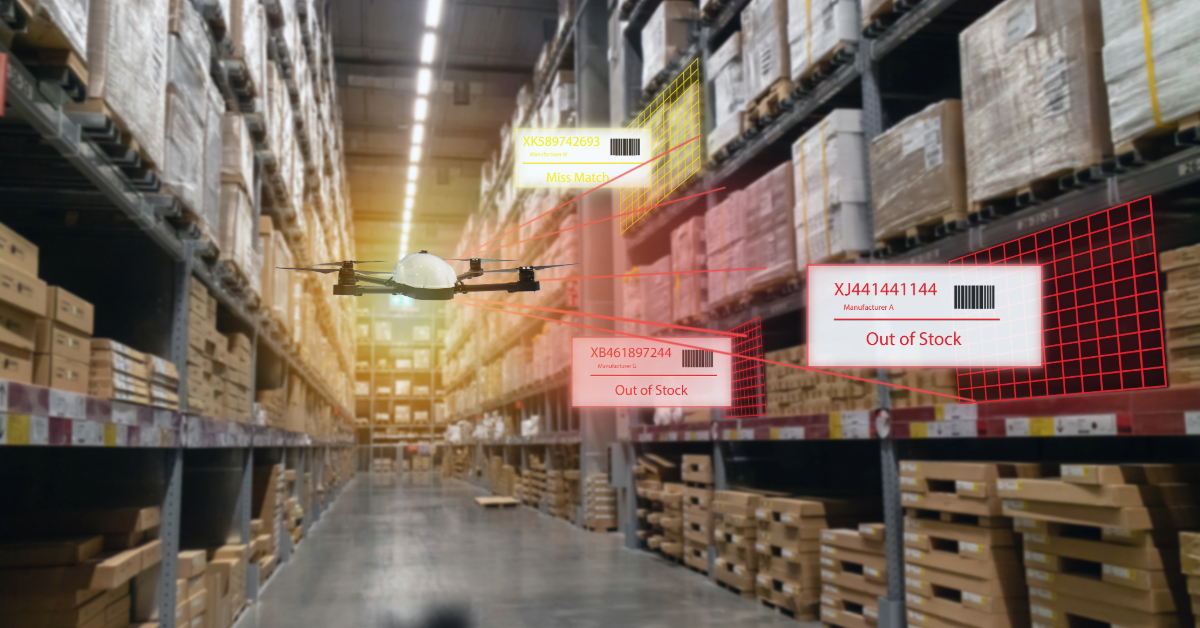
It is important to monitor how much the actual lay-out in the store corresponds to the planned one. Automated systems allow you to control the fulfillment of tasks and provide a complete audit of layout.
By analyzing the impact of the planogram on sales, you can determine what changes are needed to improve profits. Use:
Automated systems can greatly simplify the planogramming process and improve the accuracy and speed of implementing changes. PlanoHero https://planohero.com/en/ offers:
Creating a planogram is a process that requires a detailed approach, data analysis and implementation of modern technologies. Using automated solutions can not only reduce time and resources, but also increase sales through more accurate and efficient product display.
Invest in competent space planning and automation and your store will become even more profitable and convenient for customers!





