

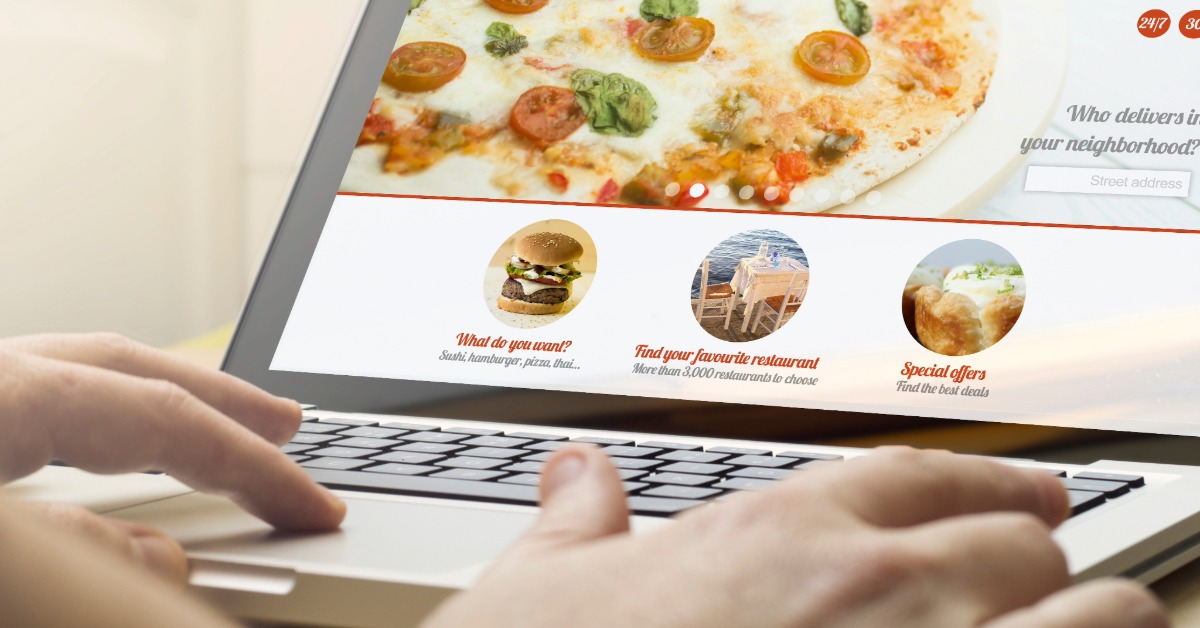
The process of placing orders and purchasing food has been transformed. In the present day, the clients want to combine the quickness and ease of eCommerce and the intimacy of in-house meals.
This blog post will teach you how restaurants are integrating eCommerce technologies with internal technology to drive sales, streamline process and build better customer experiences. We will look at practical examples, advantages of doing so and tips that you can practice immediately such as synchronizing your inventories so that they reflect the same thing that you have on your online menu.
During the past several years, e-commerce transformed from a nice-to-have to a must-have in the restaurant business.
Why this matters:
Online Delivery has become the norm of dining. Restaurant without an efficient ordering system is likely to lose business to other restaurants that provide easier services.
Digital signage also plays a key role here, guiding customers toward online ordering options and promoting takeout or delivery specials in real time. This ensures restaurants stay visible and competitive both online and on-site.
The restaurants are no longer selling food as they are diversifying revenue:
The in-house experience is changing as rapidly as online ordering. New devices will enable members of staff to be more effective and contribute to a better dining experience on the part of customers.
Digital signage menu boards allow restaurants to update on-the-fly prices, specials, and promotions instead of having the trouble and cost of printing new menus. Many now display menu on TV screens in the dining area to improve visibility and speed up decision-making.
Benefits:
An integrated POS system integrates online and in-shop orders and all tickets are directed to the kitchen without typing.
Advantages:
Tablets or QR codes allow the guests to order and pay directly at their table. This decreases wait times, and enables the staff to be less distracted by it, and to instead concentrate more on hospitality.
The restaurants are integrating online and offline business to achieve a truly integrated customer experience.
Restaurants can have personalised offers by combining online and offline order data:
Customers get points in an equal service loyalty program regardless of whether they make orders using an app, online or in a store. This renders rewards more achievable, and they will continue returning.
The mashing of technology is beneficial both to the customers and the restaurant owners.
To the extent that guests will be able to access an online menu, order, view and potentially order the same specials on a display menu, this is a seamless purchase experience that will prompt spending.
Systems such as those that are integrated eliminate repetition, error, and slow service.
By keeping a record of:
Choose a system which supports:
Keeping information about customers is vital. Pay attention to safe payment gateways and be sure that they comply with the standards of PCI DSS.
The future will see even more automation and personalization.
The AI tools can make recommendations on upsells, peak periods to tackle orders and suggest levels of staffing.
Online and in-house data may inform the design of the menu, so that highest demanded courses may be prominently displayed on the digital menu boards and on the web-based ordering service.
Combining eCommerce and in-house technology is not something only large chains can think of, it is a wise decision of any restaurant aiming at increasing sales, working more productively, and retaining customers.
Modern restaurants now sit on a goldmine of actionable data—sales trends, peak order periods, and customer behaviors. When eCommerce tech synchronizes seamlessly with in-house point-of-sale and order management systems, operators gain access to centralized analytics that inform smarter decision-making. With platforms like Restroworks and Owner.com, independent restaurants report substantial gains in online sales and operational savings simply by harnessing unified reporting and real-time dashboards. The ability to analyze which items sell best, track customer journey touchpoints, and identify demand peaks empowers leadership to optimize menus, adjust marketing campaigns, and deploy staff more efficiently. Founders who act on this data not only drive top-line revenue, but also mitigate waste and boost profit margins.
Technology’s rise in restaurants often sparks concerns about losing the “human touch.” In reality, strategic automation—especially the use of digital kitchens, automated ordering kiosks, and AI-driven inventory tracking—reliably reduces manual errors and lets staff focus on what matters most: delivering memorable hospitality. Case studies, such as Chipotle’s “Digital Kitchens,” reveal how embracing automation streamlines fulfillment and shortens wait times while freeing up employees to provide personalized service. Digital transformation isn’t about replacing warmth with cold efficiency; it’s about empowering human talent with systems that handle routine tasks and scale effortlessly.
As the restaurant industry borrows principles from high-performing eCommerce brands like those on Walmart Marketplace, the focus is shifting toward owning the customer relationship. Solutions like Mailchimp’s Shopify integration enable restaurants to segment audiences and trigger automations based on orders placed both online and offline. By nurturing direct channels—loyalty programs, personalized messaging, mobile apps—restaurants build stronger, less commoditized relationships that lead to higher conversion and repeat visits. A restaurant’s future success will depend on its ability to capture and activate customer data efficiently, rather than relying solely on third-party delivery apps or generic marketplaces.
The surge in digital ordering and payments brings new responsibility: robust data protection. Leading brands now invest heavily in PCI DSS-compliant payment gateways and encrypted customer information storage, often partnering with expert vendors for implementation. With fraud and cyber threats on the rise, restaurants can build trust by proactively training staff on security protocols and transparently communicating these safeguards to customers. Showing a commitment to data stewardship is no longer a luxury—it’s a competitive necessity in earning customer loyalty and safeguarding reputation.
Expert consensus is clear: the next frontier for restaurants is omnichannel engagement. Unified loyalty programs, which reward guests whether they order via app, website, or in-store, tear down the silos that once fragmented the customer journey. According to research by the National Restaurant Association, more than three quarters of operators cite tech integration as a competitive advantage, with significant investments planned to enhance omnichannel service in the coming year. The result is a frictionless, rewarding experience that feels familiar to DTC ecommerce founders—one that fuels both immediate revenue and long-term brand affinity.
What is the main benefit of connecting a restaurant’s online store with its in-house tech?
Connecting these systems creates a single, smooth process for all orders and payments. This reduces errors for the kitchen staff and makes ordering faster and easier for customers, whether they are at home or in your dining room.
How can my restaurant start using an omnichannel loyalty program?
Begin by selecting a point-of-sale (POS) system that supports integrated loyalty features across different channels. This allows you to reward customers with points whether they order from your app, website, or at a table, making rewards easier to earn and encouraging repeat business.
Does adding more technology in my restaurant make the service less personal?
On the contrary, smart automation handles routine tasks like taking orders and processing payments. This frees up your staff to focus on providing better hospitality and more meaningful interactions with your guests.
Beyond online ordering, how else can eCommerce generate revenue for a restaurant?
Restaurants can expand their sales by offering branded products like sauces or mugs, and by selling meal kits for customers to cook at home. You can also sell digital gift cards and catering packages directly through your website to create new income streams.
How does unified customer data create a better marketing strategy?
By combining online and in-house purchase history, you can understand individual customer preferences. This allows for highly personalized marketing, such as sending a birthday discount or suggesting a new menu item based on their past orders.
Why is real-time inventory synchronization so important for restaurants?
Syncing your inventory automatically prevents you from selling an item online that has just run out in the restaurant. This avoids customer disappointment and ensures your online and digital menus are always accurate, maintaining trust.
What are the key security concerns when adding online payments?
The main priority is protecting customer payment information from potential threats. You must use secure, PCI DSS-compliant payment gateways and train staff on data protection protocols to build customer trust and prevent fraud.
How might predictive analytics change restaurant menu planning?
By analyzing combined online and in-house sales data, predictive tools can identify which dishes will be most popular during certain seasons or times. This allows you to proactively feature high-demand items on digital menu boards and online, optimizing your menu for profitability.
What role do digital menu boards play in a hybrid restaurant model?
Digital menus allow for instant updates to prices, specials, and item availability without the cost of reprinting. They streamline the ordering process in-house and can be used to guide customers toward high-margin items or special promotions.
What kind of business insights can I gain from centralized analytics?
A unified system provides a clear picture of your most popular dishes, peak ordering times, and customer spending habits. This data helps you make smarter decisions about menu development, staffing schedules, and promotional campaigns to increase overall profitability.





