

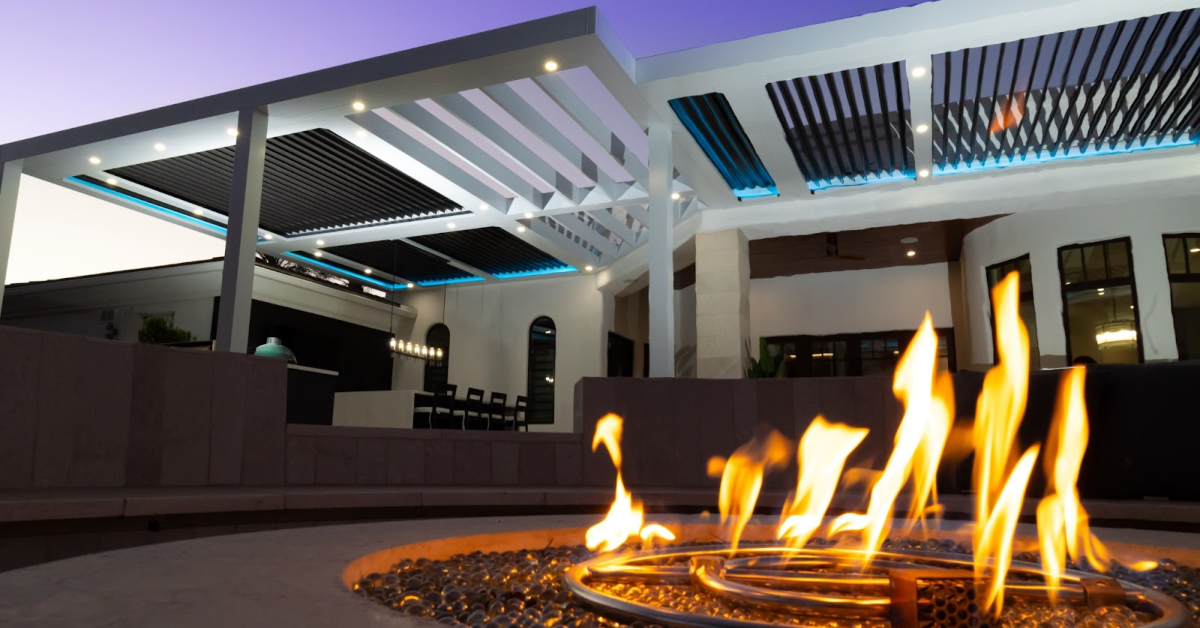
Imagine turning your backyard into a personalized oasis with just a few clicks—adjusting a pergola’s roof to shield you from the sun, controlling outdoor lights from your phone, or ordering a custom smart solution tailored to your lifestyle.
This isn’t a futuristic dream; it’s happening now, thanks to the rise of e-commerce in the smart home and outdoor living industry. The shift to online shopping has transformed how homeowners discover, customize, and purchase innovative products like smart pergolas and automation systems, making cutting-edge technology more accessible than ever before.E-commerce has become a game-changer, especially in the direct-to-consumer (DTC) space. Companies are bypassing traditional retail middlemen to connect directly with homeowners, offering everything from sleek pergolas with adjustable roofs to fully automated outdoor setups. This trend is not just about convenience; it’s about empowerment—giving you the tools to design your dream outdoor space without stepping foot in a store. In this article, we’ll explore how e-commerce is reshaping the smart home and outdoor living industry, focusing on the rise of DTC sales, the customization revolution, and the benefits and challenges driving this transformation. Ready to see how your next backyard upgrade could be just a click away? Let’s dive in.
Direct-to-consumer sales cut out the middleman. Instead of relying on big-box stores or local dealers, brands sell their products—like smart pergolas or outdoor automation systems—straight to you through their websites or online platforms. This model has exploded in popularity across industries, and the smart home and outdoor living sector is no exception. Companies like StruXure, a leader in luxury pergola systems, exemplify this shift by offering their Pergola X directly to homeowners via their site (learn more at StruXure’s Pergola X page).
The DTC boom is fueled by several factors. First, it’s cost-effective. Without retailers taking a cut, brands can offer competitive pricing or invest more in quality and innovation. Second, it’s personal. Online platforms allow companies to build direct relationships with customers, gathering feedback and tailoring offerings to meet specific needs. Finally, it’s convenient. Homeowners can browse, compare, and buy from anywhere, anytime—no showroom visits required.
For outdoor living, this means products like pergolas with roofs—structures that blend style and function—are no longer niche purchases reserved for those with access to specialty stores. DTC sales bring these solutions to a broader audience, democratizing luxury and automation.
Take smart pergolas as a prime example. What is a pergola? Traditionally, a pergola was a simple wooden structure meant to provide shade or support climbing plants (curious about their purpose? Check out What is the Purpose of a Pergola?). Today, brands like StruXure have redefined them with features like motorized louvers, integrated lighting, and weather sensors. Through DTC e-commerce, these high-tech pergolas are marketed directly to homeowners, complete with detailed specs, virtual design tools, and seamless ordering processes. The result? A once-complex purchase is now as easy as buying a new gadget online.
One of the biggest perks of e-commerce in this niche is customization. Outdoor spaces are deeply personal—your backyard isn’t the same as your neighbor’s, so why should your pergola or automation system be? E-commerce platforms give you the power to tailor products to your exact specifications, from size and color to advanced features like remote control or heating options.
For instance, when shopping for a pergola with a roof on a DTC site, you might choose the dimensions to fit your patio, select a finish to match your home’s exterior, and add extras like retractable screens or ambient lighting. This level of control was unheard of in traditional retail, where pre-made options dominated.
E-commerce platforms use cutting-edge tools to make customization intuitive. Virtual configurators let you design your pergola or outdoor setup in real time, seeing how each choice looks before you buy. Augmented reality (AR) apps, like those offered by some smart home brands, even let you “place” a pergola in your backyard using your phone’s camera. Meanwhile, AI-driven recommendations suggest features based on your preferences or climate, ensuring your purchase is both practical and personalized.
Customized outdoor automation products—like smart pergolas, lighting, or irrigation systems—offer more than just aesthetics. They enhance functionality, adapting to your lifestyle. Want your pergola’s roof to close automatically when it rains? Add a rain sensor. Need lighting that dims as the night progresses? Opt for smart controls. E-commerce makes these upgrades accessible, letting you build a system that works for you, not a one-size-fits-all solution.
A pergola with a roof isn’t just a static structure anymore. Smart pergolas, like StruXure’s Pergola X, come equipped with:
These features turn a traditional pergola into a dynamic outdoor hub, perfect for year-round use.
The smart home revolution extends to other outdoor products, too. Think automated irrigation systems that water your garden based on weather forecasts, or outdoor speakers synced to your smart home ecosystem. E-commerce platforms bundle these items, letting you create a cohesive, tech-savvy outdoor space.
Many smart outdoor products prioritize sustainability. Solar-powered pergola lights or energy-efficient automation systems reduce your carbon footprint while cutting utility costs. E-commerce sites highlight these eco-friendly options, appealing to environmentally conscious homeowners.
No more driving to multiple stores or waiting for a salesperson. E-commerce brings a world of options to your fingertips. Whether you’re researching at midnight or ordering during lunch, the process fits your schedule. Plus, detailed product descriptions, customer reviews, and how-to videos help you make informed decisions without leaving home.
DTC sales often mean lower prices, as brands avoid retailer markups. E-commerce also fosters transparency—detailed breakdowns of costs, shipping, and installation fees are standard, so you know exactly what you’re paying for.
Thanks to streamlined supply chains, many e-commerce brands deliver faster than traditional retailers. Some even offer white-glove services, handling installation so you can enjoy your new pergola or automation system sooner.
Online platforms provide robust support—think live chat, detailed FAQs, and video tutorials. If you’re troubleshooting your smart pergola’s app, help is just a click away, often 24/7.
Smart pergolas and outdoor systems aren’t small packages. Their size and weight can lead to high shipping costs or delays, especially for custom orders. Brands must optimize logistics to keep prices reasonable and delivery timely.
While e-commerce makes buying easy, installing a pergola or automation system isn’t always DIY-friendly. Some homeowners may need professional help, adding an extra step (and cost) that online platforms must address upfront.
Without seeing a product in person, how do you know it’s worth the investment? E-commerce brands combat this with high-quality images, customer testimonials, and strong return policies, but building trust remains a challenge.
Smart outdoor products often need to sync with existing home systems (like Alexa or Google Home). If compatibility isn’t clear, customers may hesitate. E-commerce sites must provide detailed specs to avoid frustration post-purchase.
Picture this: an influencer showcases a smart pergola in real time, adjusting its roof and lights while answering viewer questions. Livestream shopping is gaining traction, blending entertainment with instant purchasing. It’s a trend that’s set to grow, especially for visually driven products like outdoor solutions.
Some brands are exploring subscriptions for premium features—like advanced weather tracking or app upgrades. This could become a steady revenue stream while keeping base prices affordable.
Augmented and virtual reality are taking customization to new heights. Soon, you might “walk through” your virtual backyard, testing different pergola designs before buying—all from your couch.
As eco-awareness rises, e-commerce platforms are spotlighting sustainable materials and energy-saving tech. Expect to see more pergolas made from recycled aluminum or powered by solar panels.
E-commerce is rewriting the rules of the smart home and outdoor living industry, putting power in the hands of homeowners like never before. From the rise of DTC sales to the ability to customize smart pergolas and automation systems online, this digital shift offers convenience, affordability, and personalization that traditional retail can’t match. While challenges like shipping and installation persist, the benefits—accessibility, innovative features, and competitive pricing—are driving this transformation forward.
Direct-to-Consumer, or DTC, means you buy products like smart pergolas straight from the company that makes them, usually through their website. This approach skips traditional retail stores, often leading to better prices and a more direct connection with the brand for support and information.
Online platforms often offer extensive customization tools, allowing you to choose specific sizes, colors, materials, and smart features for your pergola. This direct interaction with the brand provides many more tailored options than the limited pre-made selection usually found in physical stores.
Begin by measuring your outdoor space accurately to understand the dimensions you need for your pergola. Then, visit the brand’s website and look for their online design tools or configurators, which will guide you through selecting features, materials, and custom options.
Many companies selling smart outdoor systems online understand that installation can be tricky. They often provide detailed guides, video tutorials, or can connect you with professional installation services in your area to ensure your system is set up correctly.
This is a common misunderstanding. Many reputable brands sell high-quality, innovative smart outdoor products directly online, sometimes offering better technology or materials because they save costs by not using middlemen. Always check customer reviews and warranty information to ensure quality.
Shopping directly from a brand online often creates a closer relationship, as you can communicate with them for custom features, get direct support, and provide feedback that might influence future products. This differs from the more impersonal experience of buying through a third-party retailer.
Before purchasing, carefully review the product specifications on the e-commerce site for information on compatibility with smart home ecosystems. Reputable brands clearly list if their smart pergolas integrate with systems like Alexa, Google Home, or others, and customer support can also answer these specific questions.
A smart pergola with an adjustable roof, often controlled via an app, allows you to instantly adapt to changing weather by opening or closing the louvers for sun, shade, or rain protection. This flexibility greatly extends the usability of your outdoor space compared to a fixed pergola roof.
In the future, VR could let you virtually “place” and experience a customized pergola or outdoor furniture in your own backyard before you buy it. This would provide a very realistic preview of how different designs, sizes, and features will look and feel in your personal space, helping you make more confident decisions.
Many smart pergolas are equipped with weather sensors that allow them to react automatically to conditions like rain, by closing the louvers to protect the area underneath. Some advanced models can also detect high winds, adjusting or closing the roof to prevent damage.





