

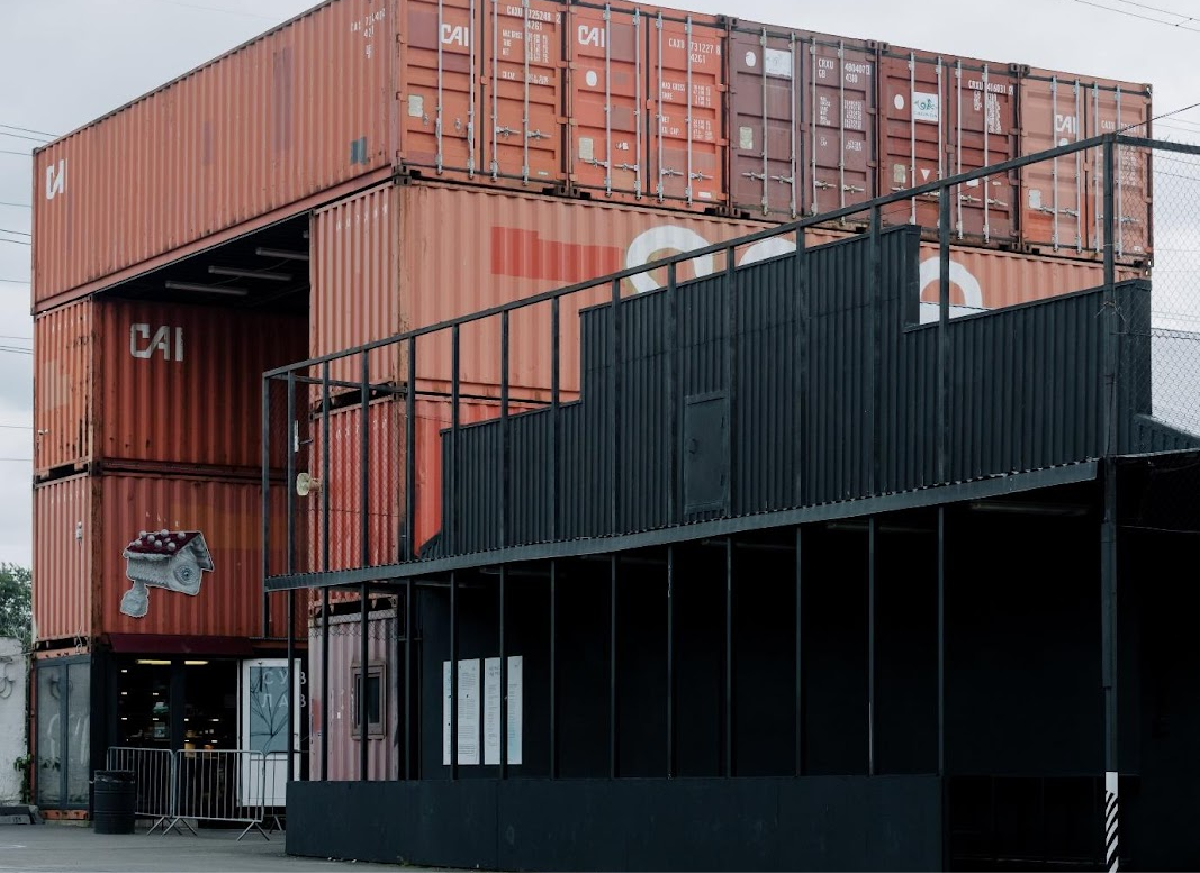
Shipping containers were introduced for transporting goods to different continents, but they also revolutionize space utilization.
Now, these containers are being transformed into homes, cafes, offices, and retail spaces.
Innovative architects and forward-thinking individuals have embraced the potential of shipping containers. Due to their strength, durability, and modular nature, they are constantly redesigned, offering a sustainable and cost-effective solution to traditional building methods.
Technology was crucial as they evolved into versatile living and working spaces. Due to intelligent modifications, their containers are transformed into highly efficient, connected, and comfortable environments.
Shipping containers can be repurposed with remarkable diversity, as shown by the specially designed covers of shipping containers. They have set a great example of how technology can be combined with containers to turn them into aesthetically pleasing spaces.
The following sections will look further into these technologies, from security alarms and tracking devices to fully equipped kitchens and entertainment systems.
The integration of modern technology significantly enhances the transformation of shipping containers into multifunctional spaces. These technological modifications are not just about comfort and convenience; they are about redefining the potential of these versatile structures.
Solutions like shipping container cover roofs further exemplify this diversity in adapting technologies. Whether used for residential or commercial uses, technology plays a vital role in all of it.
A significant evolution can be witnessed in the journey of new shipping containers, from simple cargo carriers to dynamic technology-integrated spaces. This evolution can easily demonstrate how innovation and creativity can repurpose them.
The adaptability of shipping containers, when further enhanced with technology, allows a wide range of applications, and this solution has been exemplified by container covers, which add diversity and functionality to container structures.
GPS tracking and environmental monitoring systems included in shipping containers testified to the role of mobile and sustainable solutions. These technologies enhance the functionality and contribute to their feasibility as long-term and eco-friendly alternatives to traditional structures.
In conclusion, integrating technology into shipping containers is not just a trend but a forward-thinking approach that opens up new possibilities in space utilization. We see a new era of design and architecture by transforming these robust structured containers into intelligent, secure, and comfortable spaces. Once symbols of global trade, they are symbolic of innovation, adaptability, and sustainable living.





