


Earn passive income with Printify
Ready to scroll, post, and profit? Welcome to social media affiliate marketing, where your favorite platforms double as money-making machines. If you’re just starting out or looking to level up your affiliate marketing strategy, this guide dishes out the juiciest tips, tricks, and platforms for real results.
We’ll cover where to post, how to add affiliate links like a pro, and what makes an affiliate marketer stand out in a sea of hashtags and hype. Spoiler: it’s more fun than it sounds – and yes, it actually pays off.
Let’s make that content count!
This post may contain affiliate links, which means we may earn a commission if you make a purchase through those links. This comes at no additional cost to you.

Because they’re the peanut butter and jelly of the digital world – different, but perfect together.
Social platforms aren’t just for dance challenges and cute dog reels – they’re prime real estate for affiliate marketing success. And it’s working.
That’s not pocket change – that’s power. Oh, and here’s the real kicker:
And what lives on mobile? You guessed it – social media apps. So when you add affiliate links to your Instagram stories, TikTok videos, or Facebook posts, you’re meeting potential customers exactly where they are – scrolling on their phones.
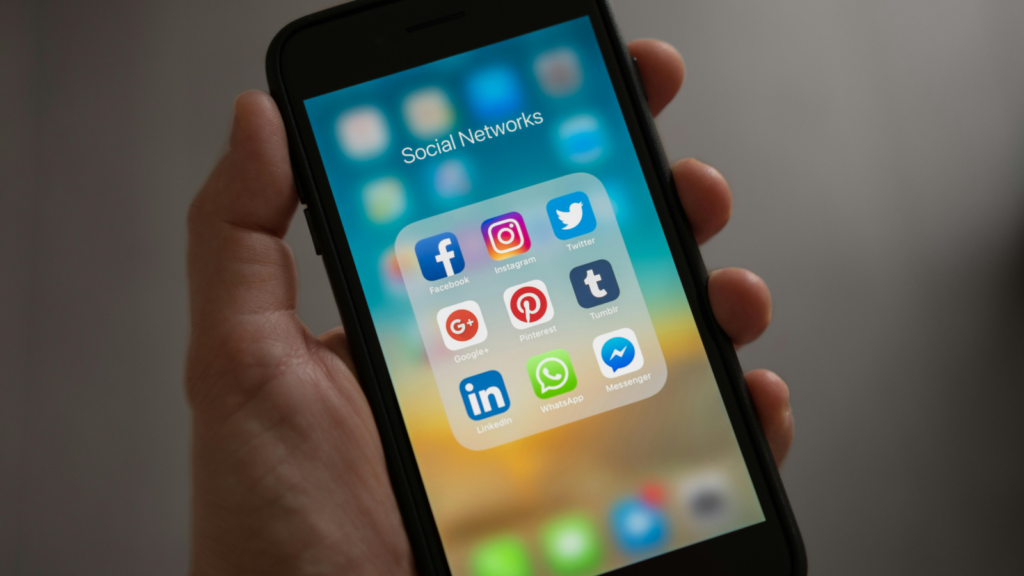
So, which social media platforms should you cozy up to for affiliate marketing success? Let’s break down the top players and what makes them shine.
Instagram is the glam queen of social media platforms – perfect for affiliate marketers who love visuals, lifestyle content, and storytelling. With features like Stories, Reels, and shoppable posts, you can promote affiliate links in your bio, captions, or swipe-up stories (hello, Instagram Shop).
Niche ideas? Fashion, fitness, skincare, travel. Add unique coupon codes or showcase the product in action – it feels less like a sales pitch and more like a friendly recommendation.
TikTok is where affiliate marketing goes viral – literally. Quick, entertaining videos are perfect for promoting products, especially when you add affiliate links to your bio or video description.
The platform works wonders for niches like gadgets, beauty, home hacks, and digital tools. Authenticity is everything, so lean into storytelling, trends, or even ‘TikTok made me buy it’ style content.
YouTube is the king of long-form content and ideal for detailed product reviews, how-tos, and unboxings. You can add affiliate links right in the video description – a goldmine for affiliate programs.
From tech tutorials to beauty reviews, it’s all about trust-building. Successful affiliates on YouTube often rank in search engine results, which means your content keeps working long after it’s posted.
Tip
Mention your link in the video for a gentle CTA boost.
Pinterest isn’t just mood boards – it’s a search engine that drives serious traffic. With affiliate marketing, you link pins directly to landing pages using your affiliate links. It’s brilliant for DIY, decor, fashion, recipes, and digital downloads.
The key is top-quality content – use vertical images, keyword-rich pin descriptions, and links to helpful blogs or product pages. The best part? Pins have a long lifespan.
Facebook may not be the new kid on the block, but it’s still one of the best social media platforms for affiliate marketing. From posting in groups to running a niche page or using paid ads, Facebook offers lots of ways to promote affiliate links.
Lifestyle products, online courses, and tools perform well here. Plus, you get to build community and trust through engaging content and discussions.
X is the best platform for affiliate marketing if you’re all about quick takes and link drops – perfect for wit and niche communities. Share honest reviews, viral threads, or product tips with affiliate links tucked in.
Bonus: X’s searchability and hashtag system help get your content in front of the right target audience – fast.

Let’s break down how to start social media affiliate marketing with the right mindset, tools, and strategy.
Think of your affiliate niche as your superpower – it’s the specific topic, interest, or passion you’ll build your content around. A clear niche helps attract the right audience, build trust, and recommend affiliate products that sell.
How to narrow it down:
Hot affiliate marketing niches include:
Pick a niche that aligns with your interests and has good product options in affiliate networks.

Next up: finding your ideal affiliate partner. Affiliate programs connect you with brands that pay you to promote their products through affiliate links.
Where to look:
What to look for in good affiliate partnerships:
Let’s talk about platforms for affiliate marketing – because not all channels wear the same shoes. Choosing the best social media platform for your affiliate marketing strategy means understanding where your audience hangs out and what content they vibe with. You wouldn’t sell yoga mats in a finance subreddit, right?
Start by asking: Who is my main audience? Are they Gen Z fashionistas? Millennial fitness junkies? Gen X DIY dads?
The goal is to choose the platform(s) that align with your content style and your potential buyers’ behavior. Don’t spread yourself thin trying to be everywhere. Pick one or two to dominate, then scale.

Relevant content is where your affiliate links live their best lives. But here’s the twist: your followers don’t care about the link – they care about the story you tell around it. That’s why smart affiliate marketers focus on high-quality content first, and sprinkle links in like the secret ingredient they are.
Here’s how to make it magic:
Use content tools like Canva and Adobe for visuals, CapCut for quick editing, and Later to schedule your posts. And don’t forget to engage. Answer comments, ask questions, and create that sweet, sweet engaged audience vibe that leads to clicks (and commissions).
Read more
Posting blindly and hoping for the best? That’s a no-go in affiliate marketing. To level up from rookie to revenue ninja, you need to track what’s working – and what’s not.
Start with the basics:
Use your affiliate program dashboard (most offer built-in analytics), or pair with tools like Google Analytics and social media insights. TikTok, Instagram, YouTube, and Pinterest all have native analytics for content views, engagement, and more.
Then? Test, tweak, repeat. Try different content formats. Switch up your captions. Test out new affiliate products. With a little experimentation, you’ll find your sweet spot – and start seeing more success with every post.

74% of online shoppers in the US visit multiple affiliate websites before making a purchase. That means people are researching. They want blogs, reviews, comparisons – content that helps them make smart decisions.
So give it to them.
Setting up a site doesn’t have to be a headache. Launch a basic site or blog using platforms like Shopify, Squarespace, or Wix. Then, start creating relevant articles: product roundups, reviews, ‘best of’ lists, how-tos, and personal stories.
Read more
How to start affiliate marketing with no money and explore the best affiliate marketing courses to prepare for the right platform and strategy.
Before you drop those sweet affiliate links into your content, remember: transparency isn’t just cool – it’s legally required. Platforms like Instagram and YouTube expect you to clearly disclose affiliate partnerships.
Add a quick ‘#ad’ or ‘affiliate link in bio’ to your content description, or use built-in tools like Instagram’s Paid Partnership tag. Trust builds loyal audiences, and honesty is your affiliate superpower.
Read more
How to write an affiliate disclosure to protect your social accounts on different platforms.
A tiny but eager audience will beat 100,000 ghost followers any day. Algorithms love meaningful interactions like comments, shares, and saves, not just vanity likes.
This grows reach and builds trust, making your affiliate promotion feel natural and effective.

Not sure what content clicks? Try it all – memes, tutorials, unboxings, mini vlogs, lives. With 65% of affiliates relying on content marketing as a primary traffic source, creativity is key to promoting affiliate products successfully.
The more you play, the more you’ll discover what resonates with your target audience on each social media channel.
People listen to people – especially when they’re not being paid to talk about stuff. Use user-generated content (UGC) like reviews, testimonials, or unboxings from actual customers to feed credibility.
With 90% of consumers trusting reviews over promos, this is your secret weapon. Share fan posts (with permission), create a branded hashtag, and repost stories. It builds trust and turns followers into your best affiliate marketing advocates.
To start affiliate marketing like a pro, you’ll want a toolkit packed with time-savers, link-fixers, and design magic. Let’s look at some that can seriously scale your game.
Before sprinkling your affiliate links all over your social media platforms, make sure they’re short, sweet, and trackable.
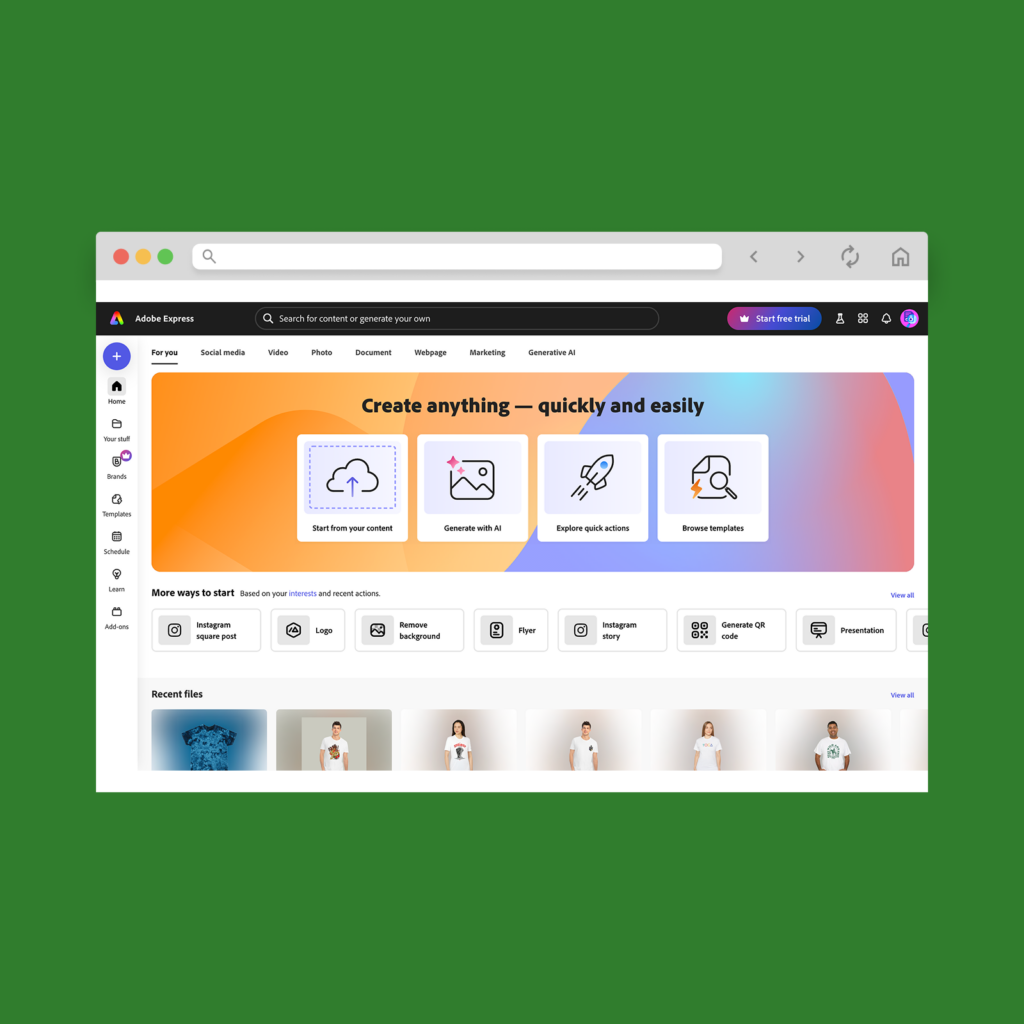
To stand out in the scroll-happy social media scene, you need eye-catching visuals and videos that match your content style – these bring the sparkle.
Read more
Best AI tools for affiliate marketing and tips on affiliate marketing keyword research to make sure your promotional content reaches the right audience.
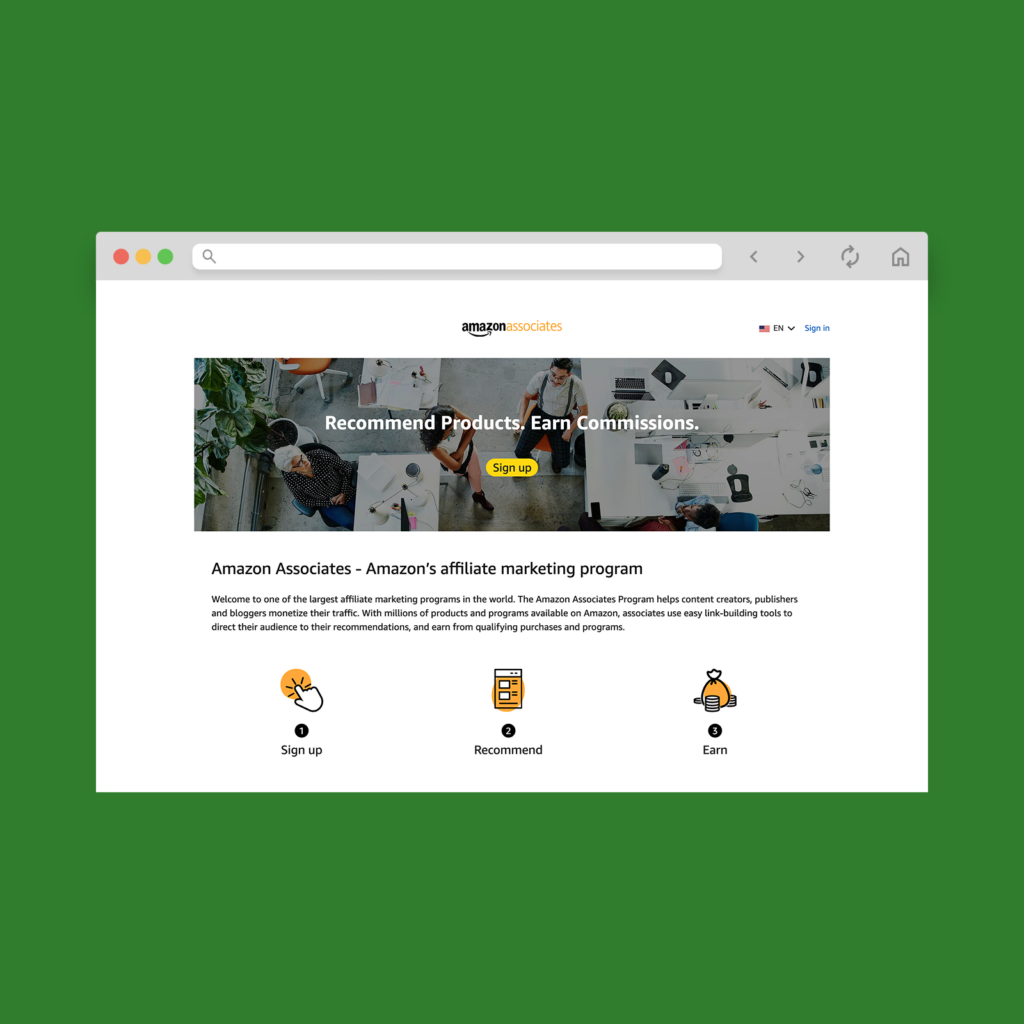
The real magic happens when you join an affiliate network that fits your niche, pays well, and connects you with top-notch affiliate programs.

Join forces with Printify – the print-on-demand powerhouse – and turn your content into cash. With no need to hold inventory and endless ways to promote custom products, it’s one of the easiest ways to build a new revenue stream while helping others grow their own brand.
Partner with Printify and earn money online. It’s free, it’s easy, and yes – it pays.
Why join the Printify Affiliate Program?
It’s when creators use their social channels to promote products or services using unique affiliate links, earning a commission for every sale made through those links.
Yes – but it takes time, strategy, and an engaged audience. Top affiliate marketers often scale earnings with smart content, strong partnerships, and multiple social channels.
Definitely. With consistent posting, the right affiliate programs, and a niche audience, many affiliates reach this daily income by sharing links across different platforms.
It depends on your niche and audience. Instagram and TikTok are great for lifestyle, YouTube for reviews, Pinterest for evergreen content, and Facebook for community-driven engagement.
So, what is the best social media for affiliate marketing? It’s the one that aligns with your niche, lets you create content your audience craves, and makes promoting your favorite products feel natural. Want a fun, flexible way to earn while helping others build their own brand? Join the Printify Affiliate Program.
The post Social media affiliate marketing: Tips, tricks, and platforms that actually pay off appeared first on Printify.





