

16th
December, 2025
Imagine your micro influencer campaign’s posts suddenly stop reaching anyone new – no warnings, no obvious reason. You might be experiencing shadow banning. Shadow banning is when a social platform quietly suppresses your content’s visibility without telling you. Your account and posts remain technically active, but very few people (beyond maybe your own followers) can see or discover your content. In effect, it can feel like your posts are getting swallowed by a void. This opaque practice is very real – in fact, a recent survey of 1,006 social media users found about 9.2% believed they had been shadow banned at some point. Major platforms like Instagram, TikTok, Facebook, and others have users reporting this issue, even if the platforms don’t always admit it.
Platforms often avoid using the term “shadow ban” officially (Instagram’s CEO has even claimed shadowbanning “doesn’t exist” in the way users think). Instead, they talk about “recommendability” – content that violates guidelines simply isn’t recommended to others. But from a creator’s perspective, the effect is the same: posts don’t show up where they should, and reach plummets. For content creators and brands, especially those in influencer marketing, understanding shadow banning is critical. It’s one of the trickiest challenges in social media marketing in 2025, with algorithmic content suppression capable of significantly impacting your digital marketing efforts.
For direct-to-consumer e-commerce brands, Amazon sellers, and influencers alike, visibility is everything. When your social content quietly gets throttled, it can derail your marketing goals. A sudden drop in impressions or engagement can lead to:
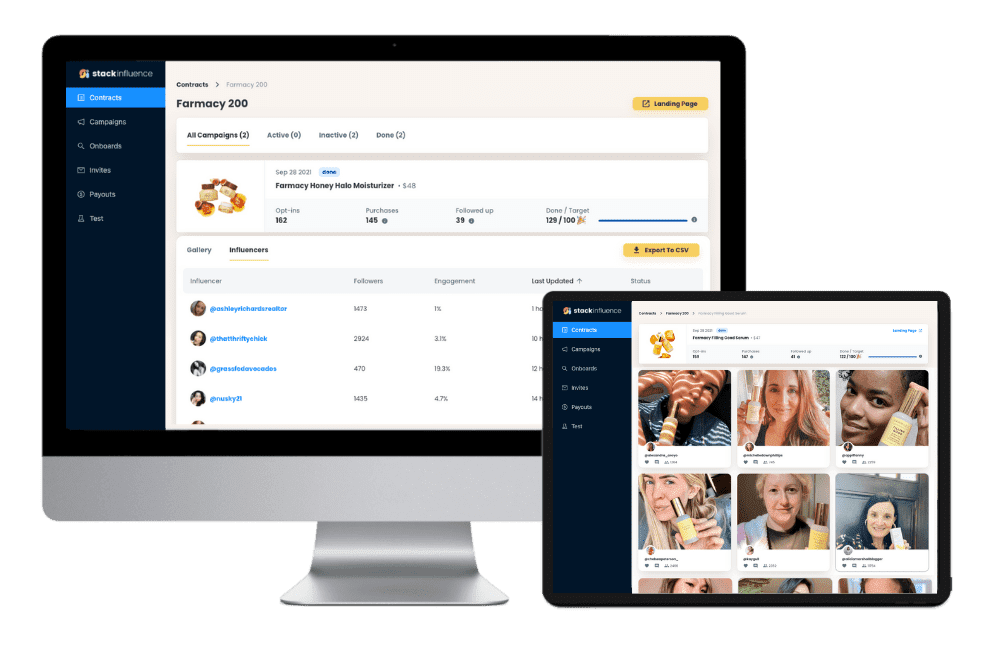
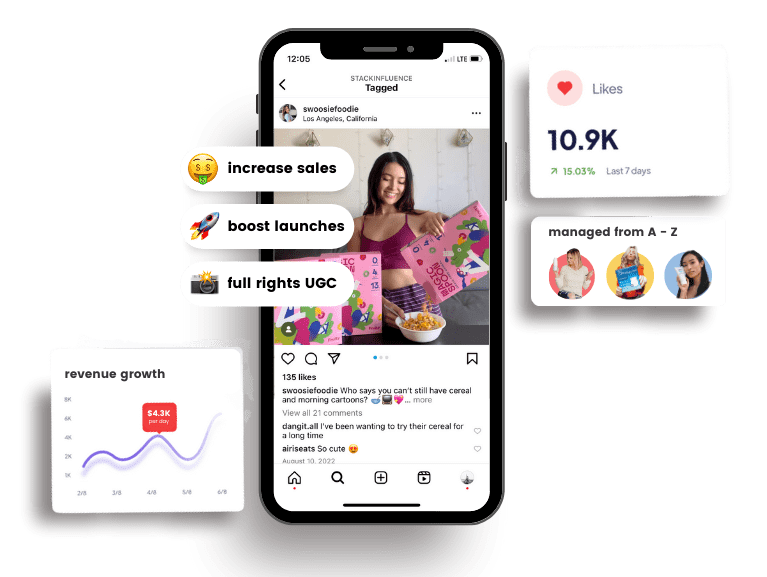
In the world of influencer marketing, these hidden penalties hurt both the creator and the brand. An e-commerce brand’s campaign can suffer if an influencer’s audience can’t see the posts. Even the most authentic content or UGC won’t deliver results if it’s quietly buried by the platform. (This is why many brands work closely with their influencers – or use platforms like Stack Influence – to monitor engagement and catch any unusual drops early.) Simply put, shadow banning can translate to lower ROI for your marketing efforts, making it a serious concern for anyone relying on social media exposure.

One of the toughest parts of shadow banning is that platforms don’t notify you when it happens. There’s no pop-up that says “You’ve been shadow banned!” You have to play detective. Here are some tell-tale signs:
Trust your instincts – if multiple signals point to a visibility drop that you can’t otherwise explain, you could be dealing with a shadow ban. To be sure, examine how your content behaves outside of your own account’s view.
Each social network handles shadow banning a bit differently. Here’s how it tends to play out on major platforms in 2025:
| Platform | Possible Shadow Ban Indicators |
| TikTok | Videos stop appearing on the For You Page, and no longer show up under the hashtags you’ve used. This leads to a sudden drop in views and new likes/comments. Content might only be seen by your existing followers. |
| Posts don’t show up in hashtag feeds or on the Explore page. Even some followers might not see your posts in their home feed. Instagram doesn’t officially “shadow ban,” but if your account isn’t “recommendable” (e.g. due to guideline flags), your content won’t reach beyond your followers. | |
| YouTube | YouTube won’t call it a shadow ban, but videos covering sensitive or controversial topics can be quietly de-prioritized. They won’t be suggested to viewers, won’t appear prominently in search, and see much lower impressions. No notification is given to the creator. |
| X (Twitter) | Tweets may be hidden from search results and trending pages. Non-followers might not see your replies or tweets at all. Your content essentially stays in your followers’ timelines only, limiting growth. |
| A shadow ban can look like an extreme reach drop. Your posts no longer show up in followers’ News Feeds or in group feeds. They may also be omitted from Facebook search results, making it hard for anyone new to find your content. | |
| Posts stop appearing as “suggested” content to others. Engagement from outside your immediate network dies down. In some cases, even people searching your name might not see your posts or profile in results. |
Table: Common signs of shadow banning across popular social platforms. Each platform’s algorithm has its quirks, but the common thread is reduced visibility. If you notice these patterns, you’ll want to investigate further.
What triggers a shadow ban? It’s not always straightforward – platforms use automated systems to flag behavior, and they rarely tell you exactly what went wrong. However, several common causes have been identified by experts and creators:
It’s important to note that shadow banning isn’t always a personal reprimand – often it’s just the platform’s AI trying to reduce spam or harmful content at scale. Unfortunately, that means well-intentioned creators can get caught in the crossfire. The algorithms aren’t perfect. For example, a perfectly normal post could be mistaken for bots or spam, or a photographer’s image could trip a nudity filter by accident. The process is opaque, which is why creators need to be vigilant.
There’s no magic switch to guarantee you’ll never be shadow banned, but you can greatly reduce your risk. Consistently follow best practices on each platform. Here are some proven tips to help avoid a shadow ban:
By following these steps, you drastically reduce the chances of getting shadow banned. Essentially, think from the platform’s perspective: they want genuine, engaging content and normal user behavior. If you deliver that, you’re unlikely to get “ghosted” by the algorithm.
What if it’s too late and you suspect you have been shadow banned? Don’t panic – most shadow bans are temporary, usually lasting only a few days to a couple of weeks. You can take action to bounce back faster and signal to the platform that you’re in compliance. Here’s a recovery game plan:
Recovering from a shadow ban can be frustrating, but patience and consistency are key. Many creators report being back to normal after a week or two of diligent cleanup and compliant activity. The good news is that shadow bans aren’t permanent – you can get your visibility back. Just use it as a learning experience to refine your content strategy moving forward.
Shadow banning on Instagram, TikTok, or any social platform in 2025 remains a quiet threat to social media marketers. It’s like being penalized by an invisible referee – you might not even realize it until your metrics nosedive. For e-commerce brands and Amazon sellers, this can mean lost sales and wasted marketing spend if your influencer posts aren’t reaching customers. The key takeaway is that prevention is far better than cure. By staying within guidelines, avoiding spammy tactics, and monitoring your engagement closely, you can largely steer clear of shadow bans.
For those working with micro influencers and content creators, communication is crucial: ensure they understand what triggers a shadow ban so your campaign isn’t inadvertently sabotaged. And if you do encounter a sudden drop in reach, now you have a roadmap to diagnose and address it. In the fast-paced world of social media algorithms, being proactive and informed is your best defense. Keep creating authentic, high-quality content, engage genuinely with your audience, and you’ll continue to build your brand’s presence – algorithms notwithstanding.

By William Gasner
CMO at Stack Influence
William Gasner is the CMO of Stack Influence, he’s a 6X founder, a 7-Figure eCommerce seller, and has been featured in leading publications like Forbes, Business Insider, and Wired for his thoughts on the influencer marketing and eCommerce industries.
Want new articles before they get published? Subscribe to our Awesome Newsletter.
111 NE 1st St, 8th Floor
Miami, FL 33132



© 2025 Stack Influence Inc
© 2025 Stack Influence Inc
The post Spot & Avoid Shadow Banning on TikTok and Instagram in 2025 appeared first on Stack Influence.





