Cross-border e-commerce has emerged as a game-changing strategy for businesses, with global cross-border B2C e-commerce sales projected to reach $1.2 trillion by 2026, according to a recent report by Forrester Research.
Cross-border e-commerce refers to the online sale of goods and services to consumers in different countries, enabling businesses to reach a global audience more easily than through traditional retail models. This type of commerce includes various transaction types, such as business-to-consumer (B2C), business-to-business (B2B), and consumer-to-consumer (C2C). The growth of cross-border e-commerce is driven by the increasing accessibility of the internet, advancements in logistics and payment systems, and the rising demand for diverse products worldwide. While it offers significant opportunities for businesses to expand their customer base, it also requires careful navigation of challenges like cultural differences, regulatory compliance, and logistics.
Globalization has significantly influenced the expansion of e-commerce by breaking down geographical barriers and enabling the free flow of goods, services, information, and capital across the globe. Technological advancements, such as the internet and mobile connectivity, have facilitated this process by making it easier for consumers to access global markets and for businesses to operate on an international scale. The integration of economies and cultures has resulted in a more interconnected world, where consumers have greater access to a diverse range of products, and businesses can tap into new markets with unprecedented ease.

The cross-border e-commerce market has experienced exponential growth over the past decade. According to a report by eMarketer, global cross-border e-commerce sales reached $3.53 trillion in 2022, accounting for 22% of all e-commerce transactions worldwide. This growth is expected to continue, with projections indicating that cross-border e-commerce sales could surpass $4.8 trillion by 2026. The Asia-Pacific region, in particular, has emerged as a dominant force in this market, with China leading the way as the largest cross-border e-commerce market globally.
Several trends highlight the increasing number of businesses expanding their operations to international markets. Firstly, the rise of digital marketplaces such as Amazon, Alibaba, and eBay has provided a platform for small and medium-sized enterprises (SMEs) to reach a global audience without the need for significant upfront investments in physical infrastructure. Secondly, the growing consumer demand for unique and niche products has encouraged businesses to explore international markets where their offerings may have a competitive advantage. Finally, the adoption of mobile commerce (m-commerce) and social media platforms for shopping has further facilitated the growth of cross-border e-commerce, allowing businesses to engage with customers in real-time and offer personalized experiences.
Cross-border e-commerce offers numerous benefits for both businesses and consumers. For businesses, expanding into international markets provides access to a larger customer base, which can lead to increased sales and revenue. It also allows businesses to diversify their risk by reducing dependence on a single market. Additionally, cross-border e-commerce enables companies to leverage global supply chains, potentially reducing costs and improving efficiency.
Technological advancements have played a pivotal role in driving the globalization of e-commerce. The widespread adoption of the internet and the proliferation of smartphones have made it easier for consumers to access online stores from anywhere in the world. E-commerce platforms now offer advanced tools for managing international transactions, including multi-currency payment gateways, automated tax calculations, and integrated logistics solutions. These technologies simplify the process of selling products internationally, reducing barriers for businesses and enhancing the customer experience.
Furthermore, advancements in data analytics and artificial intelligence (AI) have enabled businesses to gain deeper insights into consumer behavior across different markets. By leveraging big data, companies can tailor their marketing strategies to meet the specific needs and preferences of consumers in various countries. This level of personalization is critical for success in the competitive global marketplace.
Consumer behavior has undergone a significant transformation in recent years, with more people embracing online shopping as their preferred method of purchasing goods and services. This shift has been accelerated by the COVID-19 pandemic, which forced many consumers to turn to online channels due to restrictions on physical retail. As a result, e-commerce has become a mainstream option for consumers worldwide, leading to increased demand for cross-border shopping.
Consumers are now more willing to purchase products from international retailers, driven by factors such as the desire for unique products, better prices, and the convenience of home delivery. Additionally, the rise of social media and influencer marketing has created new avenues for consumers to discover and engage with brands from different countries. This trend has opened up new opportunities for businesses to tap into international markets and cater to the evolving preferences of global consumers.
Government policies and trade agreements have also contributed to the growth of cross-border e-commerce by creating a more favorable environment for international trade. Many countries have implemented policies to reduce tariffs, streamline customs procedures, and promote cross-border digital trade. For example, the European Union’s (EU) Digital Single Market initiative aims to remove barriers to online trade within the EU, making it easier for businesses to sell to customers across member states.
Trade agreements such as the United States-Mexico-Canada Agreement (USMCA) and the Regional Comprehensive Economic Partnership (RCEP) in Asia have also facilitated cross-border e-commerce by lowering trade barriers and providing legal frameworks for online transactions. These agreements often include provisions related to e-commerce, such as data protection, intellectual property rights, and electronic payments, which help build trust and confidence among businesses and consumers engaging in cross-border trade.
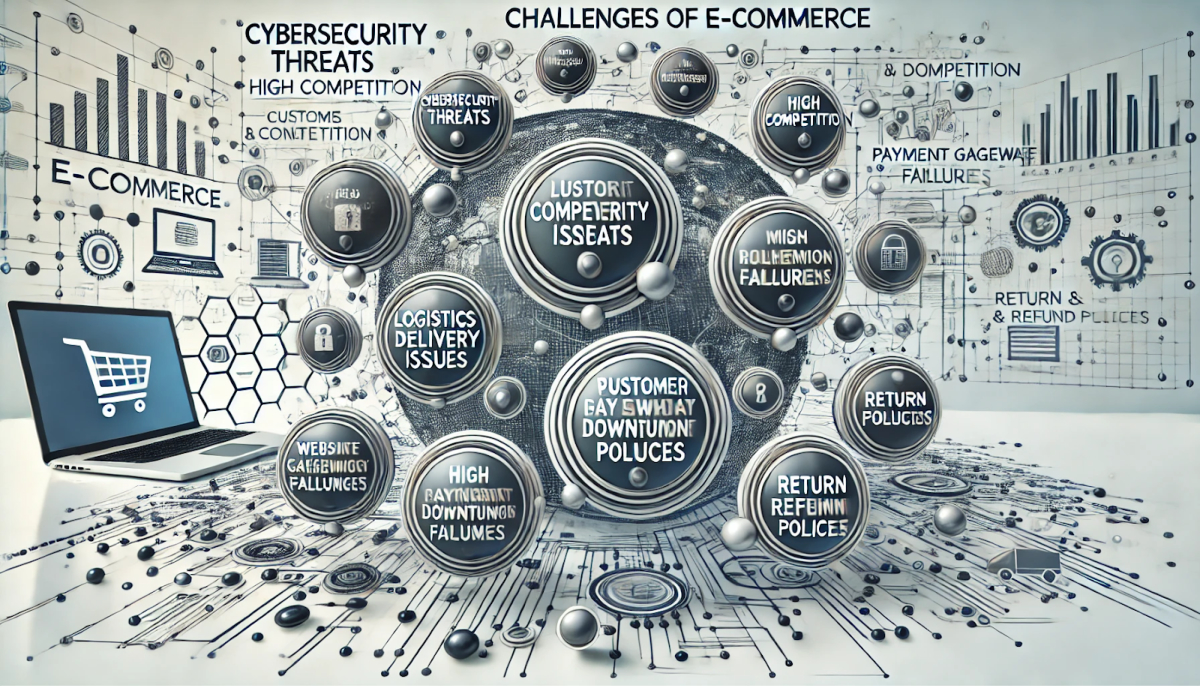
One of the primary challenges of cross-border e-commerce is navigating language and cultural differences. When expanding into international markets, businesses must consider the language preferences of their target audiences. This includes translating website content, product descriptions, and customer support materials into the local language. Failure to do so can lead to misunderstandings, reduced customer satisfaction, and lost sales.
Cultural differences can also
“Logistics and shipping present significant challenges in cross-border e-commerce. Managing international shipments involves navigating complex supply chains, dealing with customs regulations, and coordinating with multiple carriers. Shipping times and costs can vary greatly depending on the destination, which can
Moreover, issues such as lost or damaged goods, delays in customs clearance, and discrepancies in shipping fees can lead to customer dissatisfaction. To mitigate these challenges, businesses must partner with reliable logistics providers and implement robust tracking systems to ensure that products are delivered efficiently and on time.
Regulatory and legal complexities are another major hurdle in cross-border e-commerce. Different countries have varying regulations related to taxes, data protection, consumer rights, and product standards. Businesses must navigate these regulations to ensure compliance and avoid legal disputes.
For instance, the European Union’s General Data Protection Regulation (GDPR) imposes strict requirements on how businesses collect, store, and process personal data from EU citizens. Failure to comply with GDPR can result in hefty fines and reputational damage. Similarly, businesses must be aware of import duties, value-added taxes (VAT), and other taxes that may apply to cross-border transactions.
Handling payments in cross-border e-commerce can be challenging due to differences in payment methods and currencies. Consumers in different countries have varying preferences for payment methods, such as credit cards, digital wallets, or bank transfers. Businesses must offer a range of payment options to cater to these preferences. Additionally, currency conversion can complicate transactions, as exchange rates fluctuate and fees can add to the cost for both the business and the customer. Managing these aspects requires robust payment processing systems that can handle multiple currencies and provide secure, reliable transactions.
Building trust with international customers is essential for cross-border e-commerce success. Consumers may be hesitant to purchase from foreign retailers due to concerns about product authenticity, data security, and fraud. Businesses need to establish credibility through clear communication, transparent policies, and reliable customer service. Additionally, they must implement strong fraud prevention measures to protect against fraudulent transactions, which are more common in cross-border e-commerce due to the complexities of verifying customer identities and payment details across different countries.
Managing returns and refunds in cross-border e-commerce can be challenging due to the logistical complexities and costs involved. International returns are often more expensive and time-consuming than domestic ones, and businesses must clearly communicate their return policies to avoid customer dissatisfaction. Additionally, differing consumer protection laws in various countries may require businesses to adapt their return policies to comply with local regulations.
Cross-border e-commerce often involves competing with both local and international players who may have a better understanding of the local market. This competition can make it difficult for new entrants to gain a foothold, especially if they lack the resources to invest in localization, marketing, and customer service. Additionally, established local businesses may have stronger brand recognition and customer loyalty, making it harder for foreign companies to attract customers.
To address these challenges, businesses should seek legal advice, invest in compliance management tools, and stay informed about changes in international trade regulations.
Market research is an important first step for businesses looking to succeed in cross-border e-commerce. “Understanding the preferences, behaviors, and needs of consumers in different countries is essential for developing effective marketing strategies and product offerings.” Says Victor Zeng, Global Business Director at XMAKE. Market research should include an analysis of the competitive landscape, consumer demographics, purchasing power, and local market trends.
Businesses can leverage tools such as online surveys, focus groups, and social media analytics to gather insights into their target markets. Additionally, studying the success of competitors and identifying gaps in the market can provide valuable information for positioning products and services effectively.
Localization is key to resonating with consumers in international markets. This involves adapting website content, product descriptions, marketing materials, and customer support to align with the language, culture, and preferences of the target audience. “Localization goes beyond simple translation, it requires a deep understanding of local customs, values, and expectations.” Says Arvind Rongala, CEO of Edstellar.
For example, businesses should consider local payment methods, currencies, and units of measurement when selling products online. They should also ensure that their website design and user interface are intuitive and culturally appropriate for the target market. Effective localization can enhance the customer experience, build trust, and increase conversion rates.
Partnering with local vendors or fulfillment centers can help businesses overcome some of the logistical challenges of cross-border e-commerce. “By establishing a local presence, businesses can reduce shipping times, lower costs, and improve customer service. This strategic move not only enhances operational efficiency but also builds trust and loyalty with customers who appreciate faster and more reliable deliveries,” Says Logan Mallory, Vice President of Marketing at Motivosity
For example, using local fulfillment centers allows businesses to store inventory closer to their customers, enabling faster delivery and reducing the risk of delays. Additionally, partnering with local vendors for product sourcing or manufacturing can help businesses comply with local regulations and reduce import taxes.
Efficient logistics are essential for the success of cross-border e-commerce. Businesses must develop robust supply chain networks that can handle the complexities of international shipping, including customs clearance, delivery time management, and returns handling. Partnering with reliable logistics providers that offer international shipping solutions can help ensure timely and cost-effective delivery.
“Utilizing local fulfillment centers or third-party logistics (3PL) providers in target markets can reduce shipping times and costs, improve customer satisfaction, and streamline the returns process.” Says Axel Lavergne, Founder of Reviewflowz. Additionally, businesses should consider offering multiple shipping options to cater to different customer needs, such as express delivery for time-sensitive orders.
Navigating the regulatory landscape is one of the most challenging aspects of cross-border e-commerce. Businesses must ensure compliance with local laws and regulations, including those related to taxes, data protection, consumer rights, and product standards. Failure to comply with these regulations can result in legal penalties, fines, and damage to the brand’s reputation.
For example, the European Union’s General Data Protection Regulation (GDPR) imposes strict requirements on data handling, which businesses must adhere to when selling to EU customers. Similarly, understanding and complying with local import duties, tariffs, and tax obligations is crucial to avoid unexpected costs.
Technology plays an important role in enhancing the customer experience in cross-border e-commerce. Businesses should leverage e-commerce platforms that offer features such as automated tax calculations, multi-currency payment gateways, and real-time order tracking. Additionally, using customer relationship management (CRM) systems can help businesses better understand and serve their international customers.
Artificial intelligence (AI) and machine learning can be used to personalize the shopping experience by recommending products based on customer behavior and preferences. Moreover, integrating chatbots that support multiple languages can improve customer service by providing instant responses to customer inquiries across different time zones.
The future of cross-border e-commerce is bright, but it also comes with challenges that require careful planning and execution. Businesses that successfully navigate language and cultural barriers, logistical hurdles, and regulatory complexities will be well-positioned to thrive in the global market. As technology continues to advance and consumer behaviors evolve, the businesses that innovate and adapt will be the ones that lead the charge in the next wave of global e-commerce.
In conclusion, the acceleration of cross-border e-commerce is not just a trend; it is a fundamental shift in how businesses operate and consumers shop. By embracing this shift, businesses can unlock new growth opportunities and contribute to a more connected and accessible global economy. The time to act is now, and those who do will reap the rewards of the rapidly expanding cross-border e-commerce market.
What is cross-border e-commerce?
Cross-border e-commerce refers to online sales transactions between a business (retailer or brand) and a consumer located in different countries. It allows businesses to expand their customer base beyond their domestic market and sell products internationally.
Why is cross-border e-commerce important for businesses?
Cross-border e-commerce is important because it opens up new markets and revenue streams for businesses. It allows companies to reach a global customer base, diversify their sales channels, and potentially increase profits by tapping into growing international markets.
What are the main challenges in cross-border e-commerce?
The main challenges include navigating different regulations and tax systems, managing international shipping and logistics, overcoming language barriers, adapting to local payment preferences, and understanding diverse cultural norms and consumer behaviors in different markets.
How can businesses overcome language barriers in cross-border e-commerce?
Businesses can overcome language barriers by offering multilingual websites and customer support, using professional translation services for product descriptions and marketing materials, and implementing language detection tools to automatically display content in the visitor’s preferred language.
What role does logistics play in cross-border e-commerce?
Logistics is crucial in cross-border e-commerce as it affects delivery times, shipping costs, and overall customer satisfaction. Efficient logistics management involves partnering with reliable international shipping providers, offering multiple shipping options, and implementing effective tracking systems.
How can businesses handle international payments in cross-border e-commerce?
Businesses can handle international payments by offering a variety of payment methods popular in different countries, partnering with global payment processors, supporting multiple currencies, and implementing secure payment gateways that comply with international security standards.
What are the key considerations for pricing products in cross-border e-commerce?
Key considerations for pricing include factoring in shipping costs, import duties, taxes, currency exchange rates, and local market conditions. Businesses should also research competitor pricing in target markets and consider using dynamic pricing strategies to remain competitive.
How important is localization in cross-border e-commerce?
Localization is extremely important as it helps businesses connect with customers in different markets. This involves adapting product offerings, marketing messages, and user experiences to suit local preferences, cultural norms, and shopping behaviors.
What role does technology play in facilitating cross-border e-commerce?
Technology plays a vital role in cross-border e-commerce by enabling businesses to manage complex operations efficiently. This includes using e-commerce platforms with international capabilities, implementing AI-powered translation tools, leveraging data analytics for market insights, and utilizing automation for inventory and order management.
How can businesses ensure compliance with international regulations in cross-border e-commerce?
To ensure compliance, businesses should research and understand the regulations in each target market, consult with legal experts specializing in international trade, use compliance management software, and stay updated on changes in international e-commerce laws and regulations.