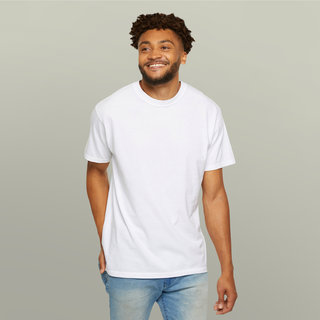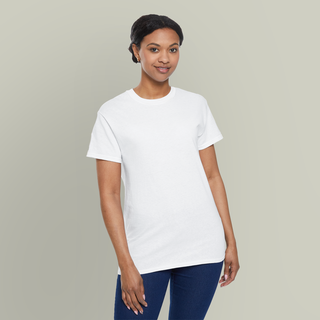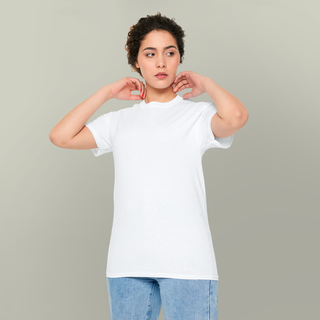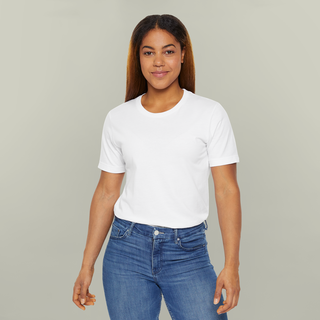
Create a custom shirt with Printify
We know it can be a bit tricky to choose the best fabric for shirts. With many t-shirt fabric options ranging from natural fibers like cotton, silk, and linen to synthetics like polyester, nylon, and spandex, you may know where to start when choosing a shirt for your online store. But don’t worry – we’re here to help.
This t-shirt fabric guide covers the different shirt materials used in Print on Demand, from the go-to options to less common shirt material types and their advantages and disadvantages, to help you find the perfect shirt for your designs and customers.
This post may contain affiliate links, which means we may earn a commission if you make a purchase through those links. This comes at no additional cost to you.
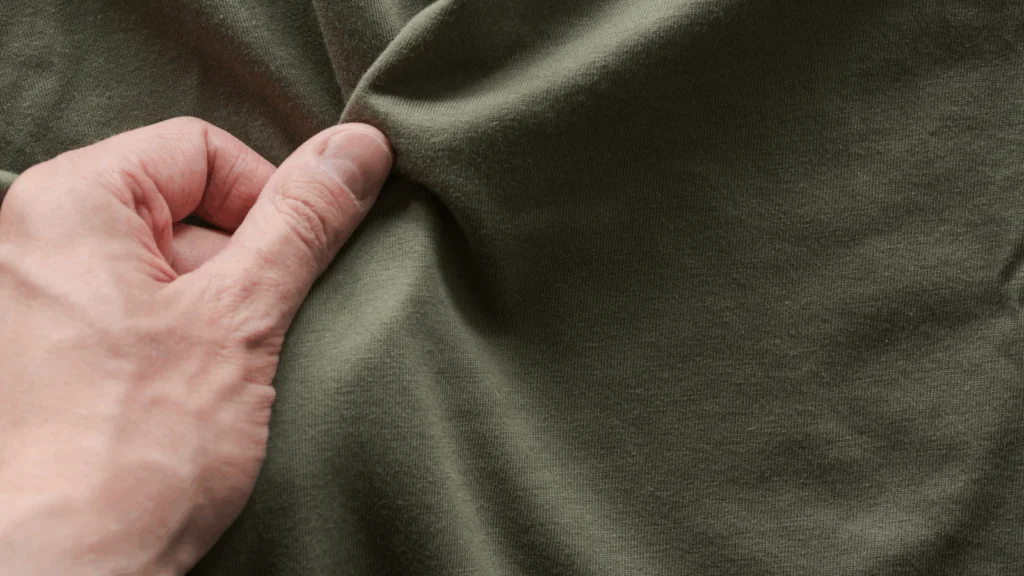
Fabric plays a significant role in how a t-shirt feels, how long it will last, and whether it has a good printing surface. So, what are shirts made out of? Let’s look at the most common types of fabrics for t-shirts.
The most common fabric options are cotton and polyester or a blend.
Cotton is a natural, comfortable, and soft material that stays cool in the summer. It’s great for direct-to-film (DTF) and direct-to-garment (DTG) prints and is the top choice for eco-conscious customers. On the downside, it tends to wrinkle more easily than synthetic materials.
Polyester is a synthetic, durable fabric that dries quickly, making it well-suited for activewear. It’s the go-to for sublimation printing, creating vibrant, long-lasting designs. However, it’s less breathable than cotton.
Polyester blends combine polyester with natural fibers like cotton. They’re softer than polyester alone and more wrinkle-resistant than natural cotton. This combo also works for sublimation printing.
Fabric weight refers to how heavy or thick a fabric feels, typically measured in grams per square meter (GSM) or ounces per square yard (oz/yd²).
A higher fabric weight usually means the material is thicker, more durable, and often more structured. Lighter fabrics tend to be softer, more breathable, and drape more easily, making them ideal for warm-weather wear. Medium weight offers a nice combo of light and heavy weight benefits.
Let’s see how the three stack up against each other:
Thread count – or ply – defines the fineness of the thread and tells you how many strands of yarn are twisted together.
The higher the number, the finer the yarn, which means the fabric is softer, smoother, and lighter. If the yarn count is low, the fabric is generally weightier, thicker, and can feel coarser.
Thread count information is in the product details, where it may be displayed in several ways: 30/1, 30s, or 30 singles.
There are a handful of key factors to consider when choosing the best fabric for your t-shirts. Knowing your customer base, their preferences, and the settings in which they’ll wear the shirts makes the decision much easier.
Here are the main things to consider:
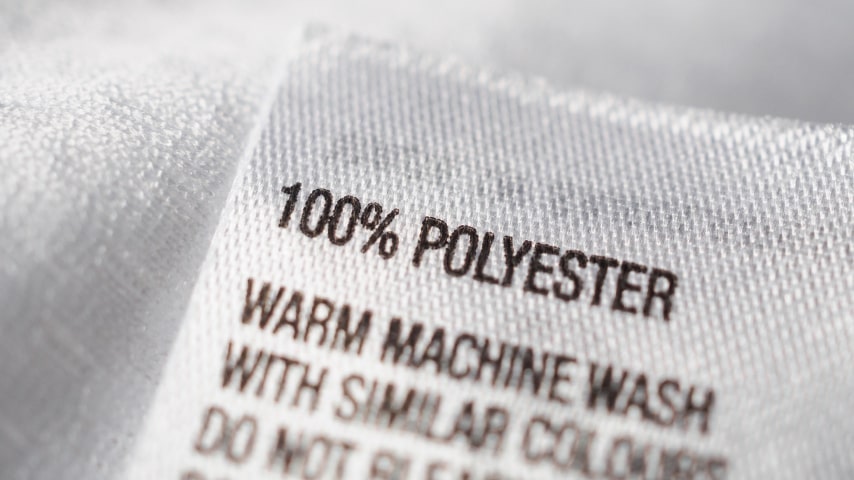
Polyester t-shirts are made from a petroleum-based synthetic material. It’s the most popular and versatile synthetic fabric for clothing.
Polyester is a durable, low-maintenance material that can withstand stretching, creasing, and everyday wear and tear. It’s also affordable, making it a good choice for custom t-shirts and athletic apparel. Polyester fabric dries quickly, doesn’t need careful washing, and holds printed designs very well.
Polyester fabric also has some downsides. The texture can vary, from feeling like soft cotton to being quite coarse. It’s typically non-biodegradable and takes many years to break down. Manufacturing produces chemical waste if reduction measures aren’t put in place.
Check out some of our most popular polyester shirts:
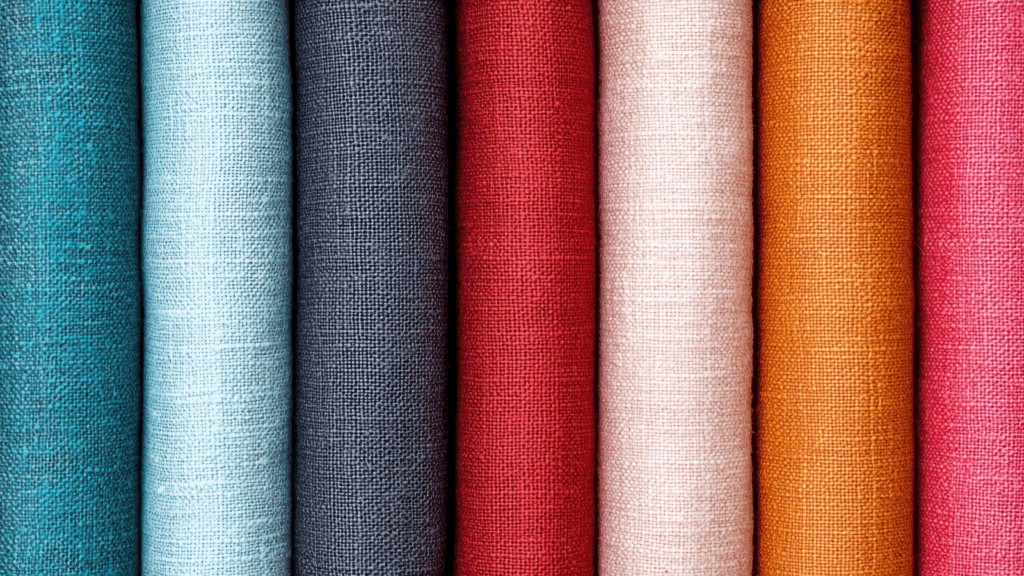
Cotton fabric is the most widely used natural fabric in the world. Cotton is often considered the best material for t-shirts and everyday clothing items.
It’s comfortable yet durable, suitable for hot weather due to its breathability.
Cotton is often the best choice for most print-on-demand products. The ink bonds with the fibers, providing a fantastic canvas for colorful, detailed designs.
Let’s look at the different types of cotton commonly used for t-shirts.
Cotton shirts breathe well, absorb moisture, feel comfortable, and are biodegradable.
However, although it’s generally a durable t-shirt fabric, the natural fibers tend to wear down a little faster than synthetic polyester fibers. They may also shrink after your first few washes unless they’ve been preshrunk by the manufacturer.
Here are some of our customizable cotton t-shirts:
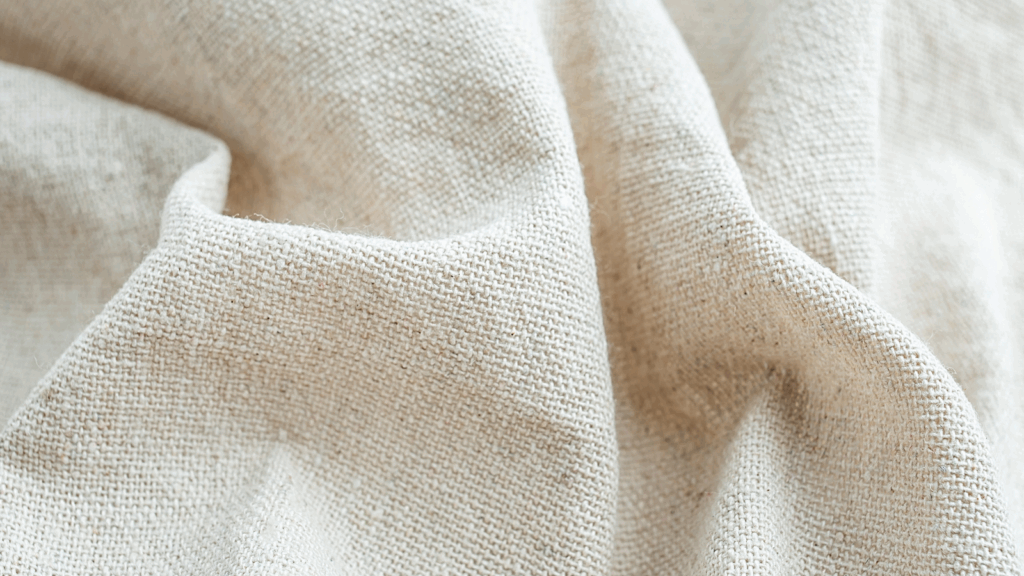
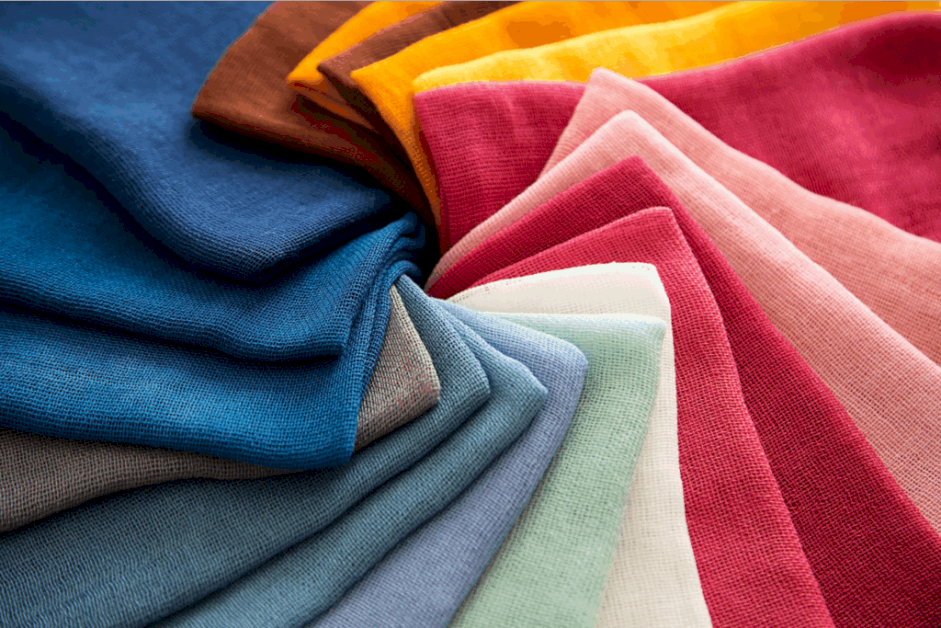
Linen is a natural fabric made from flax fibers, known for its durability, breathability, and slightly textured weave. While it’s traditionally used in solid-color dress shirts and summerwear, it’s also a strong choice for warm-weather t-shirts.
Linen is lightweight, moisture-wicking, and quick-drying – perfect for staying cool on hot days. It is also absorbent and naturally odor-resistant, and softens with every wash, making it more comfortable over time without needing fabric softeners.
One of linen’s biggest advantages is its sustainability. As a plant-based fiber that requires minimal water and pesticides to grow, it’s an eco-friendly alternative to synthetic fabrics. Linen shirts also have a distinct, relaxed look that adds character to any outfit, especially in casual, warm-weather wardrobes.
On the downside, linen wrinkles easily, giving it a lived-in appearance that not everyone prefers. It also tends to be more expensive shirt material than cotton and can shrink if not washed properly. Because of this, linen t-shirts require a bit more care, so always check the label for washing instructions to keep the fabric looking its best.
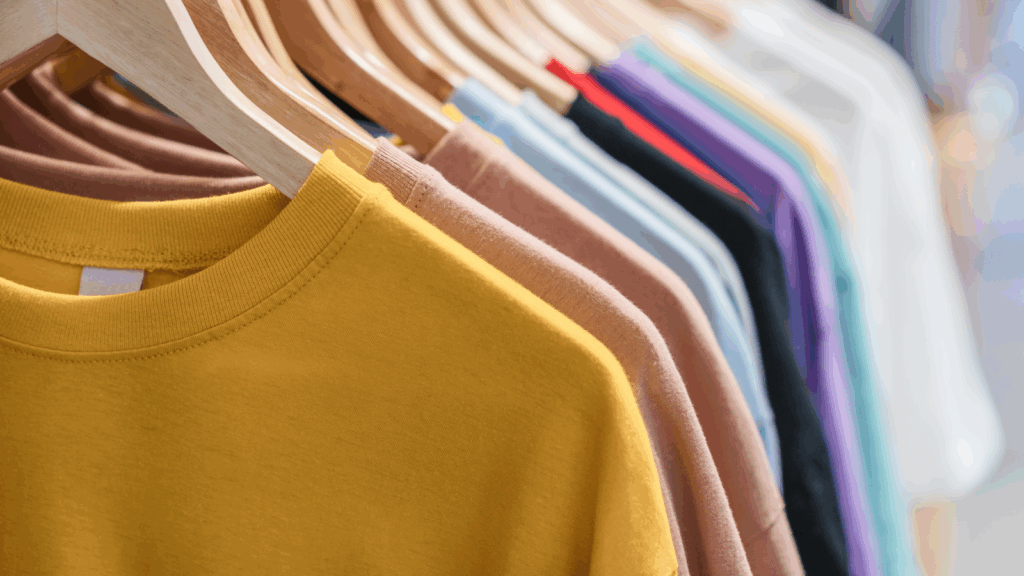
Blended fabrics combine two or more different fabrics. Often, this process creates semi-synthetic fibers that mix natural and synthetic materials – cotton and polyester, for example. Blending often improves the fabric’s performance, texture, and feel.
There’s no single best t-shirt fabric blend, so choose the one that suits your needs best.
The most common t-shirt blends are:
How many yarns are used in a blend depends on the fabric producer.
Here are some of the most common blend ratios:
Check out some of our best-selling t-shirt blends:
When it comes to tri-blend fabric, manufacturers combine polyester, cotton, and rayon. The final result is one of the softest t-shirt material options available, adding a light and silky drape.
Here are some of our customizable apparel made from tri-blends:
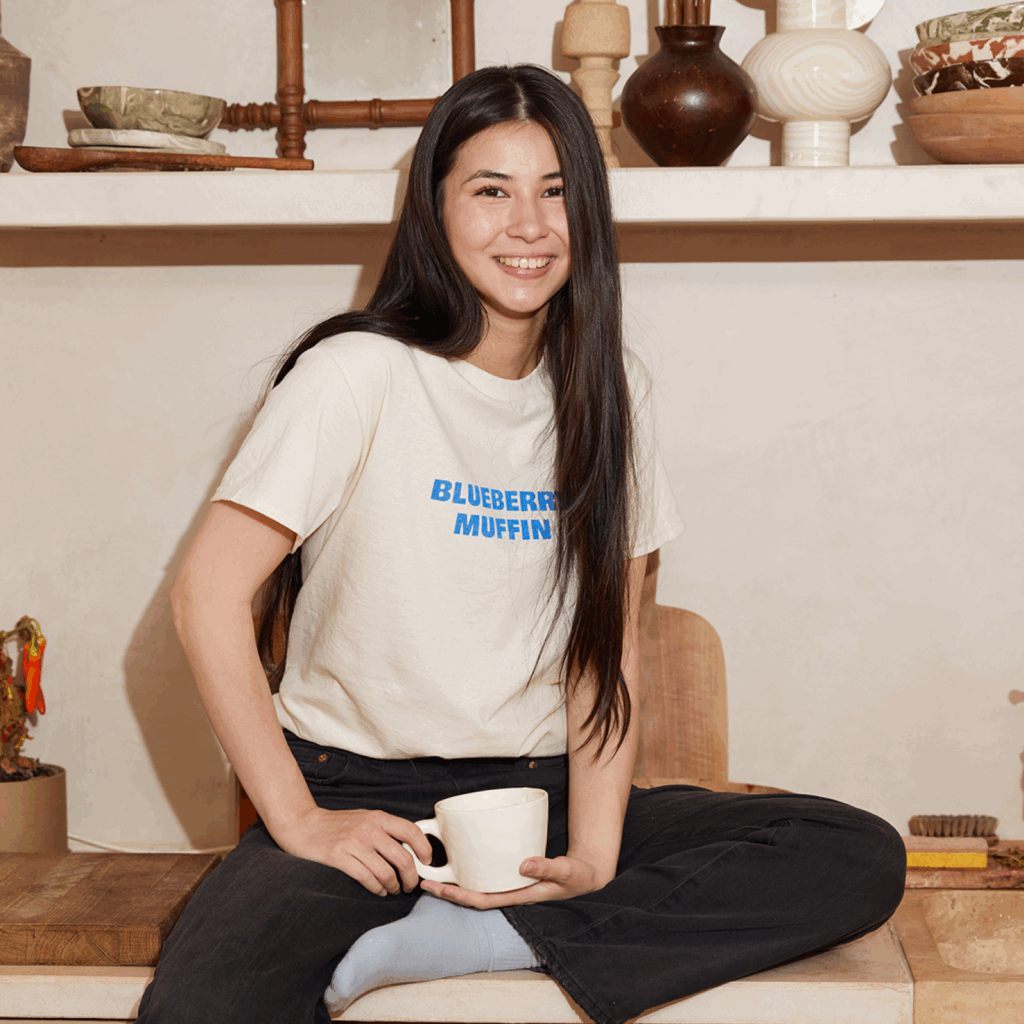
If you’re looking to start an online t-shirt business, Printify is here to make it easy. You design amazing custom shirts made from the best materials and list them in your online store. Once a customer orders, our Print Providers will print and ship the t-shirts right to their doorstep. There are no upfront costs or risk of unsold stock because each order is made on demand.
Create your free account on Printify to access our beginner-friendly design tools and over 1,300 products, including t-shirts and other apparel made from higher-quality fabrics.
Browse our Catalog to find a t-shirt made from the right fabric for your customer base. Once you’ve chosen your shirt, click Start designing.
Use the Product Creator to upload your designs or create something unique and new from scratch. Experiment with placement, colors, and AI-generated art, and our free graphics until your t-shirts look just right.
Easily integrate your Printify account with popular eCommerce platforms and marketplaces like Shopify, Etsy, Wix, and TikTok Shop for seamless product listing and order management. Keep track of everything in a single dashboard for maximum convenience.
Write your product titles and descriptions, click Publish, and start promoting your t-shirts across. Use social media, SEO, and online advertising to attract customers to your store and convert visits into sales.
The right shirt material depends on the purpose:
100% cotton is often considered one of the best shirt choices because of its natural breathability, softness, and comfort. It absorbs moisture and feels gentle on the skin, making it ideal for casual or dress shirts.
However, it wrinkles easily and may shrink in the wash. Cotton blends may be a better option for people who prefer low-maintenance clothing or need extra stretch.
The highest quality cottons for shirts are Egyptian, Pima, and combed ring-spun cotton.
Pima cotton is known for its softness, strength, and resistance to fading and wrinkling. The Egyptian variety is similarly luxurious, with its long fibers creating a smooth, durable fabric.
Combed ring-spun cotton also ranks high. It’s processed to remove impurities and tightly spun, producing a soft, smooth surface ideal for prints.
100% cotton is the most common higher-quality fabric thanks to its smooth, soft feel and long-lasting durability.
Sustainable fabrics, such as organic cotton or linen, also make excellent t-shirts because they’re gentle on sensitive skin, don’t cling to the body, and breathe. They’re especially popular for summer wear and eco-friendly clothing lines.
Cotton-polyester or cotton-polyester-rayon blends combine softness with stretch and durability, making them a top choice for high-end activewear.
For staying cool, lightweight fabrics like linen are among the best options. Linen is breathable, allowing maximum airflow in hot, humid weather. On the downside, it tends to wrinkle, so it’s rarely used as a t-shirt fabric.
Cotton is the preferred option for t-shirts because it’s soft, breathable, less likely to wrinkle than linen, and absorbs sweat well.
Moisture-wicking synthetics like polyester blends can also keep you cool and dry through a summer heatwave.
Choosing the best t-shirt material is one of the most important steps in creating standout custom merch. The feel, durability, and overall quality of the material can make or break how your shirts are received in the competitive apparel market.
Whether you’re designing for comfort, performance, sustainability, or style, matching the fabric to your customers’ needs is key to becoming their favorite online t-shirt store.
Printify has a massive range of customizable t-shirts in many fabric blends, from soft, lightweight cotton to premium tri-blends, all at the best prices in the industry.
Ready to turn your ideas into wearable designs? Sign up for Printify today and start creating unique, custom t-shirts to sell with confidence!
The post T-shirt fabric guide: What is the best fabric for t-shirts? appeared first on Printify.