
It’s not enough anymore for ecommerce brands to just sell products.
TeamWater.org has proven what can happen when purpose meets action: thousands of creators, a clear mission to bring clean water to millions, and a global community that actually cares. When major influencers rally behind a cause with real-world impact, their energy and reach dwarf even the biggest paid campaigns.
Here’s what matters for founders and heads of growth: supporting missions like TeamWater.org isn’t just charity—it’s tactical brand building. The campaign taps massive creator networks for exponential reach, locks in authentic buy-in across teams, and makes your brand part of something much bigger than a seasonal promo. If you’re focused on lifetime customer value, stronger team culture, and top-tier creator partnerships, this is one playbook you can’t afford to ignore.
If you’ve ever struggled to unite your team or cut through the noise in DTC, pay attention. There’s strategy in the way TeamWater.org blends purpose, participation, and partnerships at scale—and it’s packed with takeaways you can put into practice now.

TeamWater.org is changing how brands and their communities think about purpose-driven growth. At its core, TeamWater.org unites thousands of creators, professionals, and consumers to tackle a basic yet urgent challenge: access to clean water. Brands that connect with this mission don’t just support a cause, they join a global movement that’s reshaping the way employees engage at work, how customers choose where to shop, and what authentic impact truly looks like. Let’s break down the key points every ambitious ecommerce founder or growth leader should know.
TeamWater.org has set a clear, measurable goal—raise $40 million to deliver decades of clean water to 2 million people. This is more than a feel-good initiative. Clean water is a direct line to better health, school attendance, and economic productivity in communities that need it. For every dollar donated, one person gets a full year of clean water, making the return on impact both tangible and easy to communicate.
Here are the numbers that matter:
Why does this resonate with ecommerce teams and their customers? Because real impact builds more than brand equity. It unlocks deeper buy-in from employees who want to be part of something big, and it attracts customers who now expect the brands they support to act on issues that matter. When your brand joins forces with TeamWater.org, you’re not just donating—you’re giving your team and your shoppers a genuine story to rally around. This unlocks advocacy, not just transactions.
One of the biggest lessons from TeamWater.org is how modern impact happens at scale: with creators at the center. This campaign pulled in top digital influencers—think household names like MrBeast—who didn’t just mention the cause in a single tweet, but led with it on major platforms like YouTube, Roblox, and Instagram.
Let’s look at why this worked so well (and what ecommerce brands should borrow):
Brands aiming to replicate this success should consider the latest trends in the ecosystem. For a deeper analysis, check out these insights on why brands are going all-in on YouTube influencers in 2025 and the rise of content creators as a primary engine for awareness and action.
Smart ecommerce leaders aren’t just buying reach—they’re treating creators as partners in purpose, not just products. If your current campaigns stop at likes and shares, TeamWater.org shows how to turn viral energy into real-world change that teams and customers feel proud to support.
Getting your team fired up about your brand’s mission isn’t just feel-good HR. It’s the backbone of lasting growth and culture—especially when there’s a cause that your employees genuinely care about. What TeamWater.org proves, and I’ve seen this time and again with scaling DTC brands, is that when you bring charitable giving into your business DNA, you spark something powerful: higher morale, more buy-in, and a magnetic internal culture that customers can feel from miles away. Let’s break down how to operationalize this, then see real examples of brands using charitable alignment to fuel both culture and measurable growth.
Turning employees into active participants (not just bystanders) in your giving initiatives is crucial. There’s a big difference between ticking the “charity” box and actually fostering a sense of ownership and pride throughout the organization. Here are proven approaches that work:
Want to see this in action? A solid tip is to choose tech that makes giving frictionless. Selecting the right tool matters—there’s a stark difference in adoption and impact based on ease of use and transparency. For a hands-on resource, check out the How to choose a charity donation app article for tips on what to look for, from automation features to employee engagement add-ons.
Integrating giving with broader team-building and recognition programs also keeps things fresh. Pairing giving programs with internal culture boosters, like those shared in this article about boosting employee engagement with creative tips, can unlock higher participation and make philanthropy a daily part of your company pulse.
Now, theory’s great, but you probably want to know: does this move the needle where it matters? Here’s what stands out from the front lines.
The pattern is clear. Mission-aligned giving, when woven tightly with your employee experience, creates more than goodwill—it builds sustainable competitive edge. Team buy-in spikes, recruitment gets easier, and suddenly you have both a story and culture people actually want to be part of.
If you want to see more ideas on how successful stores weave giving into growth initiatives, you can explore a broader guide on choosing customer incentives that convert, which highlights how incentives plus giving accelerate both conversions and loyalty.
When you make giving and purpose a core part of how you operate, not only does your brand stand out, but your team shows up in ways that drive business metrics you can take to the bank.
What’s keeping you from tying charitable impact directly to your next team sprint or sales goal?
Supporting TeamWater.org isn’t just the right thing to do; it’s a growth lever that top brands are using to build trust, generate organic buzz, and win long-term fans. The magic happens when impact-driven brand stories merge with smart, strategic execution. Let’s break down how aligning with a social cause fuels authentic brand affinity, creates real PR wins, and deepens customer loyalty—using learnings you can steal for your next campaign.
You can spot a performative campaign a mile away. When it comes to brand-cause alignment, the story you tell has to ring true—internally and externally. TeamWater.org nails this by letting the facts speak for themselves: every $1 donated equals one year of clean water. The result? Supporters see tangible change, not marketing spin.
Here’s what works for scaling brands:
Need a blueprint for brand advocacy? Have a look at these strategies on Turning First-Time Buyers into Brand Advocates. You’ll see how clear communication and community involvement move people from one-time shoppers to loyal fans who promote your brand without being asked.
Here’s the kicker: supporting a cause like TeamWater.org doesn’t just improve how people feel about your brand, it makes a measurable impact on your ability to attract new customers and keep existing ones engaged. In today’s market, customers look for brands that stand for something real—especially on issues like clean water and environmental sustainability.
If you want your cause marketing to drive actual results, do the following:
The benefit isn’t just goodwill—it’s ROI. Brands that master this see higher repeat purchase rates and greater word-of-mouth. Want more proof? The data behind top programs in this Ultimate Guide to Loyalty Program Examples speaks for itself.
The key? Keep the message transparent, actionable, and always centered on real impact, not empty claims. What you support and how you talk about it will decide if your story gets shared—or tuned out.
So, where does your brand go from here? If your storytelling is clear and your mission is integrated, your cause work becomes a flywheel driving growth, loyalty, and meaningful PR every step of the way.
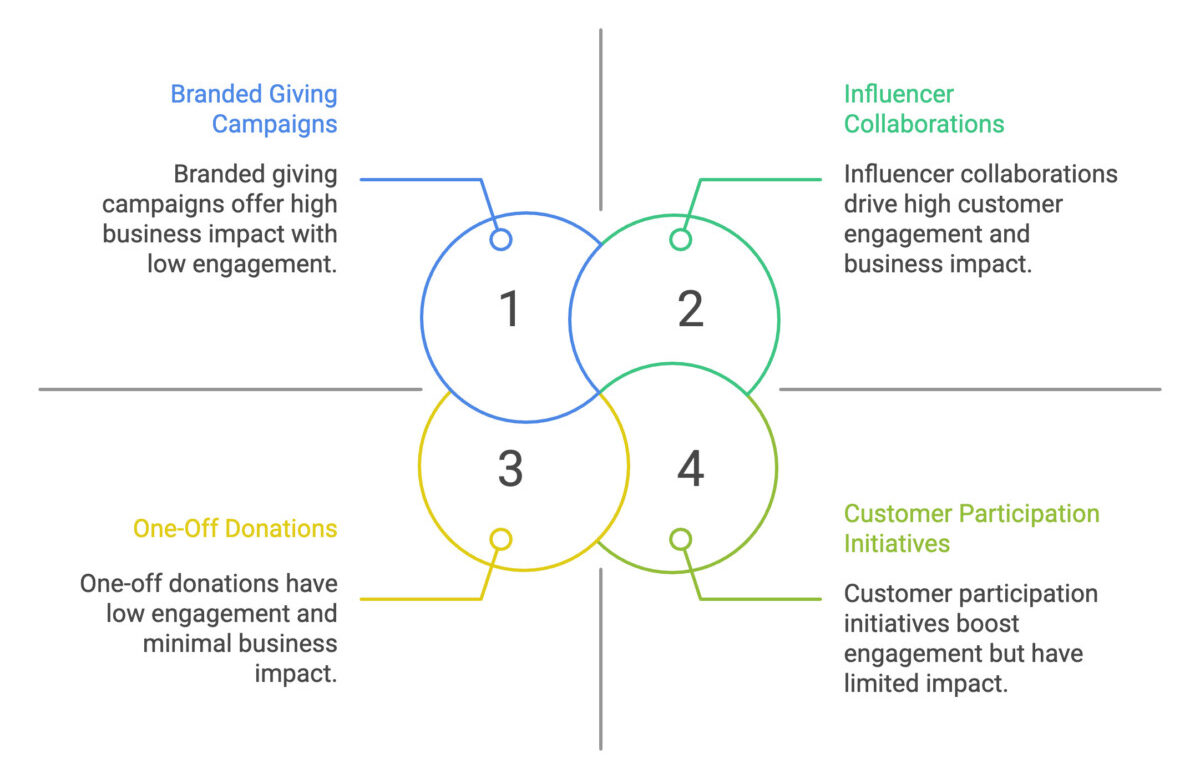
If you’re running a fast-growth ecommerce brand, here’s the playbook to actually make cause marketing with TeamWater.org drive outcomes your CFO will care about—while uniting your team and building a story your customers want to participate in. Too often, partnerships around social good become checkbox exercises with vague impact. Instead, let’s talk about options for partnership models that actually move the growth needle, plus how you’ll track both the soft and hard results.
There’s no “one size fits all” when it comes to teaming up with TeamWater.org. Here’s what I’ve seen stick for brands that want to turn good intentions into real business growth:
For inspiration, check out proven Partnership Marketing Strategies that push beyond generic collaborations. You’ll find insights on affiliate, influencer, and cause-based partnerships that actually move performance metrics. If you want a playbook for campaign ideas that keep things fresh, consider these Influencer Campaign Ideas, especially if you’re targeting different customer segments or prepping for high-traffic sales events.
Tracking impact is where most brands get lazy—don’t be one of them. To judge if your TeamWater.org partnership is actually worth it, measure across both internal (team) and external (public) axes.
Here’s how I recommend breaking it down:
Internal Metrics
External Metrics
When you systematize tracking (spreadsheet, dashboard, or integrated app), trends become hard to ignore and easy to optimize. For extra context, compare these cause metrics against baseline KPIs—conversion, AOV, and net new customers—so you can connect emotional wins to P&L.
If you want to dig deeper into how campaign effectiveness correlates with organizational changes, review the Importance of strong leadership in business. It’s packed with strategies for measuring softer, but high-ROI, factors like engagement and internal momentum.
The pattern I’ve noticed with brands that treat this seriously: after one or two thoughtfully executed cause campaigns, it’s no longer about “donation totals.” You start seeing culture, customer loyalty, and brand equity metrics move in lockstep, not just one-off PR spikes. That’s when you know you’re building something sustainable.
Supporting causes like TeamWater.org can strengthen your brand, connect your team, and bring in loyal customers. However, as more ecommerce leaders tie their growth stories to charitable giving, a real risk emerges—falling into “charity-washing.” Instead of building trust, a poorly handled cause campaign can spark suspicion, damage team morale, or land as hollow PR noise. Let’s talk about the pitfalls I see most often, what’s actually at stake, and the best ways I’ve learned to sidestep these hazards on the path to real impact.
When brands support charity for optics but lack substance, it’s charity-washing. Customers and employees spot this from a mile away. The more visible your campaign, the higher the stakes when execution falls short. Here’s what’s at risk:
I’ve seen brands lose momentum fast by jumping on a trending cause without internal commitment or follow-through. For a closer view on the red flags and warning signs, check out this breakdown of what charity-washing means and how to avoid it.
A good mission can backfire if the details aren’t locked down. The most common mistakes I’ve seen when DTC brands attempt purpose-driven playbooks include:
The pattern holds: the strongest, longest-lasting impact comes when brands treat their mission like a product launch—tight messaging, clear metrics, and leadership involvement every step of the way.
If you want your purpose-led strategy to succeed, you need to lead with substance, not just sentiment. Here’s where to focus:
When you’re deep in campaign planning, it’s easy to miss warning signs. Here’s my quick-hit list of charity-washing red flags:
If these sound familiar, it’s not too late to adjust. Take the time to audit your messaging, get team feedback, and revisit your alignment with the cause.
Here’s the pattern I’ve seen: brands that avoid charity-washing treat their purpose-driven work with the same rigor as any other revenue-generating initiative. This requires honest introspection, just as much as a polished marketing plan. Quick question—what’s the language on your donation page? Is it clear, direct, and tied to a concrete outcome? If not, you know where to start.
Take these lessons, audit your approach, and make your community a partner in every step. That’s the difference between a cause campaign that’s remembered, and one that’s ignored.
If you’ve read this far, you’re not chasing incremental wins—you’re searching for the sort of compounding advantages that define category leaders. Everything we’ve covered about TeamWater.org points to one truth: the opportunity for real, sustainable growth sits at the heart of mission-driven ecommerce. High-growth leaders know that impact isn’t a “side hustle” to brand building; it’s a force multiplier for almost every core metric that matters to your business.
Let’s break this into what that actually looks like—on your bottom line, within your team, and in the loyalty and reach your brand commands.
Here’s what I want everyone at the mastermind table to recognize: choosing the right cause, and integrating it with your customer and employee journey, is not a trade-off against profit. The pattern I’ve seen—across webinars, in private founder Slack groups, and through case after case on the Fastlane podcast—is this: mission-driven growth drives revenue.
Don’t miss the technical layer here either. AI-powered insights now allow you to tie each campaign to a clear KPI—be it AOV, retention, or cost per acquisition—so you’re not just “doing good.” You’re tracking how purpose maps directly to your balance sheet. I’ve explained this more in discussions about AI and marketing strategies for ecommerce.
If you’re still running “cause campaigns” as isolated events—one-off donations, short-term PR pushes—know this: the best in the space see mission as infrastructure, not a seasonal tactic. They:
I’ve watched some of the highest performing DTC teams pivot from “charity as marketing” to “purpose as growth architecture,” and the long-term payoff is significant. This shift builds layer upon layer of resonance with customers—and lets you adapt quickly when market or team sentiment shifts. For a closer look at brands driving business growth through social good, the Social Good Growth Summit 7 recap is packed with smart frameworks and proven results.
It’s not lost on any of us: scaling stores are under pressure on CAC, retention, and innovation. What’s underappreciated? How purpose can become a wedge, not just a shield. Done right, your cause-driven initiatives outlast trends and algorithm shifts. They keep your brand top of mind and power the flywheel of word-of-mouth, employee engagement, and community-driven marketing.
What’s the next step? Audit where (and how) your cause work currently lives in your tech stack, team onboarding, and customer touchpoints. Are you using smart automation, clear storytelling, and live dashboards? Or is your mission still a side tab on your site?
You get one shot at being known for something greater than your product. Make it count.
If you want to study how customer experience integrations can become a core growth driver, take inspiration from customer experience as a growth driver by Snow.
The playbook is written, the proof is live, and the opportunity is in your hands. How will you seize it?
Purpose-driven growth is now a core advantage for ecommerce brands that want to stand out, inspire loyal teams, and build lasting communities. The example of TeamWater.org shows how aligning your brand with a real-world mission not only earns deeper customer trust but also sparks engagement and pride inside your organization. With measurable impact—like every dollar funding a full year of clean water—your efforts become clear, authentic, and easy for everyone to support.
Top brands make cause marketing work by being specific, transparent, and consistent. Whether matching employee donations, working with trusted creators, or making it simple for customers to join in, the key is a visible, ongoing connection between action and result. This helps boost team morale, increase repeat purchases, and drive real brand advocacy far beyond traditional ads.
To tap into these benefits, set up giving programs with live progress updates, invite your team and customers to participate, and make your mission part of everyday business. Watch for clear improvements in retention, satisfaction, and brand strength as you build trust with every step.
As you take these lessons forward, consider running a pilot campaign tied to a cause you and your team care about, measuring results inside and outside the company. If you want more examples or tips on how to integrate purpose, explore guides in our podcast archive or check out expert resources on cause campaigns and creator partnerships. The next step is simple: make your mission visible and actionable, and let your story move people to join, buy, and believe. This is how today’s top ecommerce founders build brands that win trust and drive growth in a busy world.
Purpose-driven growth means connecting your brand to causes that make a real impact, like providing clean water with TeamWater.org. This approach matters because it builds deep trust with customers and inspires teams, helping brands stand out in a crowded market.
Brands can tie donations, volunteering, or impact initiatives to customer activity and employee efforts. When people see exactly how their actions help a bigger mission, loyalty, repeat purchases, and team motivation all improve.
Offer matching donations, paid volunteer days, or friendly competitions between teams to make giving fun and engaging. Share live results inside the company to help everyone see the difference their work makes.
Partnering with creators lets your brand reach new audiences with trusted voices. When influencers tell authentic stories about your cause, their fans want to join in, which creates bigger campaign momentum than ads alone.
Be specific and transparent about every donation or action, and show real outcomes, such as how many years of clean water your campaign provided. Involve your team and share updates often so the mission feels genuine, not just a marketing tactic.
Many believe supporting a cause means losing profit, but research and experience show it can actually increase sales, employee retention, and customer loyalty by creating stronger connections.
Pick a cause that connects with your brand and audience, set clear goals, make participation simple, and track results openly. Start small with a pilot campaign and use live updates to keep interest high.
Monitor both team engagement (like participation rates and internal surveys) and customer responses (such as repeat sales, referral rates, and social sharing). Use public dashboards or metrics to make the result easy to track and celebrate.
Start by talking to your team and customers to find what matters to them most. Choose a simple, high-impact cause, share clear goals, and celebrate every milestone, so everyone feels ownership from day one.
When customers know their purchase helps real people, they are more likely to return, recommend your business, and even forgive small mistakes. Cause-driven brands build emotional loyalty, which lasts longer than any sale or ad campaign.