


Consumers are buying more stuff online than any time in history, and that hot trend shows no signs of cooling off anytime soon. But with the rise of ecommerce, customers aren’t just ordering more—they’re also returning more.
With consumers at large suddenly stuck in their homes, the coronavirus pandemic fanned the flames of buying and returning. But restrictions on in-person shopping and the newly adopted digital shopping behaviors aren’t the only reasons returns are on the uptick. Explore what’s happening with ecommerce, returns, and what that all means for your store and customers.
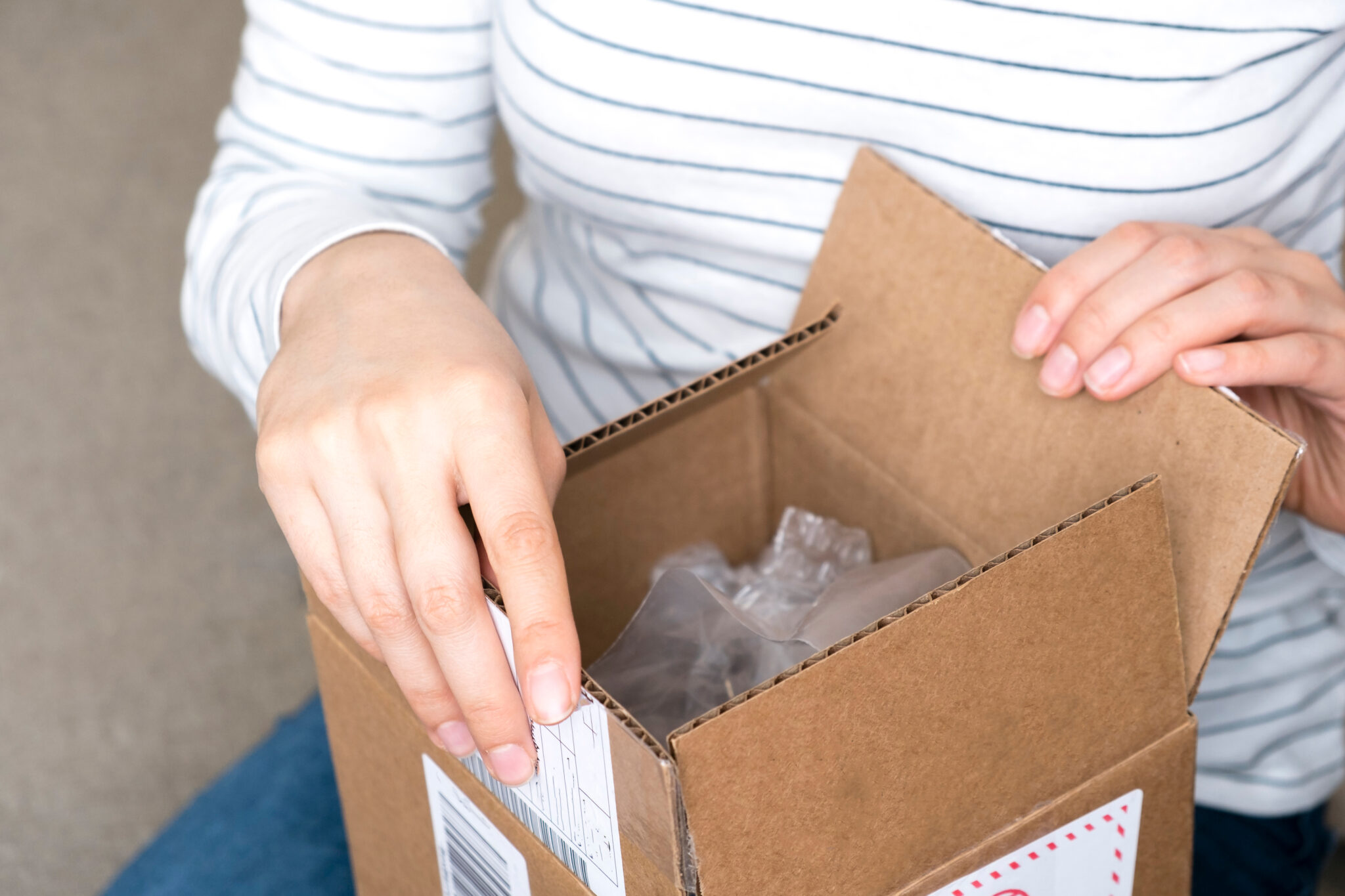
Returns are never fun, no matter where the purchase started from. But online returns hit deeper and unfortunately for brands, they’re also more common. For in-store purchases, about 5-10% will be returned. But when it comes to the digital shopping brethren, returns rates rocket to a surprising 15 – 40% of online purchases depending on the industry. For industries such as fashion, more than half of online purchases are returned.
This might be shocking. After all, returning stuff in-person is so easy and straightforward. Generally, customers just have to slide their purchases across a customer service counter, and within minutes and a couple of beeps by a cashier, the money is back in the bank account. So why is the return rate remarkably higher for a seemingly more complex method of returning purchases?
In essence, there can be a lot of factors that lead to a product not matching expectations, which means a poor fit could find its way back to the warehouse. But not hitting expectations is only a part of the reason for higher online return rates.
Not all returns are created equally, though. Before the pandemic, the average value of all returned goods was $400 billion. As ecommerce steals more and more market share, spurring more and more returns, that dollar size will only continue to grow.
While that seems like a lot of money that retailers would fight against giving back to customers in exchange for returned purchases, the reality may surprise you. When it comes to telling customers what to do with items they want to return, the new strategy is simple: keep it.
It’s estimated that the average return represents 30% of the purchase price, however, the average profit margin for an online order is only 10%. The math looks awful when you consider that there’s ultimately a 20% net loss on every online order that gets returned.
Minimizing your online returns can be a crucial part of any successful ecommerce program, but finding the ideal solution for doing so is tricky. Almost 80% of consumers expect free return shipping from the brands they buy from, so the solution isn’t as simple as nixing free return shipping or applying restocking fees. To do right by your customers, a solution needs to do right by them while also considering your bottom line and ecommerce trends.
Notable brands that nail the return process are ecommerce natives, meaning they didn’t start life as a brick-and-mortar store and tack ecommerce onto their strategy—they started online! Many direct-to-consumer (DTC) brands begin life as an online store, which means their strategies are inherently online-first. They’re least likely to try and bend an in-person strategy to fit the needs of an online consumer.
Ecommerce natives start earning their online experience on Day 1 and have their supply chain figured out to a T in a shorter span of time than brands playing catch-up. Subscription boxes are prime examples of ecommerce return wizards, and it doesn’t take long to see why. Returns are built into the entire nature of their business. Return packaging is included with a label already slapped on it if the shopper chooses to return the items, which is entirely expected for services like Stitch Fix or thredUP. All customers have to do is pack the items, seal them up, and drop the box in the mail.
Ecommerce companies built with returns at their core aren’t the only ones dodging the pangs of online returns, though. Brands that have a flexible return policy are also nailing the return game. Providing your customers with ample time to see if they like what they bought could benefit your brand more in the long-run by counterbalances from increased average order values and even more frequent orders by repeat customers.
It’s easier to adapt your return policy to consumer trends than it is to try and change someone’s shopping habits. And if someone’s habit is wanting flexibility from a brand around purchasing many items and returning a few of them, they simply won’t shop with your brand and its strict policies.
It may seem counterintuitive to the above points made in this post, but brands should want to provide an easy return policy for their online orders. Online returns are inevitable. Any storeowner, brick-and-mortar or online, will face returns at some point. So, instead of trying to figure out how to dodge returns, the first step is accepting that they’ll happen. The next step is finding strategies to minimize them and, finally, creating positive customer experience should they choose to send stuff back.
To minimize returns, be sure to describe the product as well as possible on the product detail page (PDP). Offer as much information as you can in the product description, provide multiple images of your product, include a video, and don’t forget lifestyle imagery! Preparing your shoppers with as much information about your products as possible can squelch the number of returns you see.
If your customers do choose to return, it’s vital to your repeat customer rate and brand reputation to make it easy and stress-free. Brands that win the return experience can offset the high costs of returns with future products those consumers will buy. The fact is, some returns are inevitable. But don’t scare off any previously won customers by making the return process annoying or frustrating. Many customers, especially younger shoppers, will stop shopping with your brand after a poor return experience.
Strategies that make a package return experience easier include:
With an easy and flexible return experience, customers will remain loyal to your brand even if an item doesn’t come as they expected. Retaining your customers will be more valuable in the long term than the short-term gains of holding onto that one sale. To learn more about how Route makes the return experience an easy one for customers and a revenue generator for brands, reach out to us today!





