


As businesses charge into 2026 with digital transformation at the forefront, finding the right technology partners is more crucial than ever. Whether you’re building a new product, scaling infrastructure, or transforming legacy systems, partnering with expert software development firms can give you the edge.
Here are 10 top-rated IT and software development companies to watch in 2026:
Orangemantra is a global digital transformation partner offering cutting-edge solutions across enterprise mobility, eCommerce, automation, and custom software development. Their experience spans major industries, including automotive, healthcare, and retail.
Why Choose Them: Trusted by large enterprises and startups alike for full-scale transformation projects.
Srishta Technology is a global software development company delivering tailored solutions in mobile apps, web platforms, AR/VR, and emerging technologies. With clients in over 20 countries, they combine innovation with technical expertise to build scalable, user-centric digital products across industries like eCommerce, healthcare, and entertainment.
Why Choose Them: Known for their creative approach, agile execution, and deep experience in next-gen mobile and immersive tech solutions.
SolGuruz builds sleek, user-centric web and mobile applications tailored for performance and scalability. Their agile teams support startups and enterprises with front-end, back-end, and cross-platform development.
Why Choose Them: Known for delivering pixel-perfect UI and fast, reliable apps.
🔗 inVerita offers full-cycle custom software development, AI consulting, and data analytics services, helping companies build scalable, high-quality digital products aligned with their business goals. The company delivers custom web and mobile applications, AI-driven solutions, data analytics and business intelligence platforms, cloud and embedded systems, system integrations, and long-term product support. inVerita’s team includes 150+ vetted engineers across Europe, the USA, and Latin America, with the main office in Lviv, Ukraine.
Why choose them: Known for a client-centric approach, strong delivery discipline, and technical depth in data and AI. inVerita has built a robust technology ecosystem with AWS, Microsoft, Snowflake, and other leading platforms. The team brings 10+ years of experience delivering complex solutions for healthcare, fintech, retail, supply chain, and IoT-driven industries.
PerfectionGeeks offers end-to-end IT services, specializing in enterprise-grade web and app development with a focus on user experience and innovation.
Why Choose Them: A strong reputation for quality assurance and agile delivery.
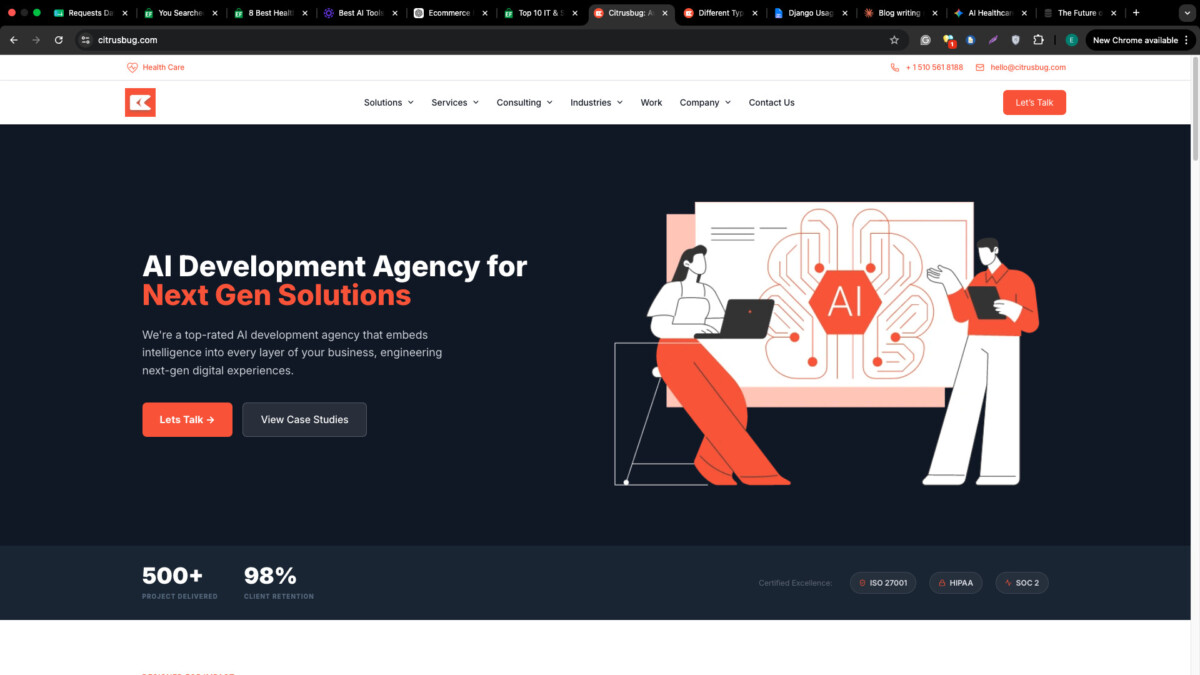
Citrusbug Technolabs is an AI-driven software development company helping startups, SMEs, and enterprises build scalable digital products with expertise in AI/ML, SaaS, cloud engineering, and custom software development. Their industry experience spans healthcare, fintech, logistics, eCommerce, and real estate, delivering intelligent solutions focused on automation, scalability, and digital transformation.
Why Choose Them: Trusted by global businesses for AI-powered software solutions, rapid MVP development, and enterprise-grade digital transformation with a strong focus on innovation and long-term scalability.
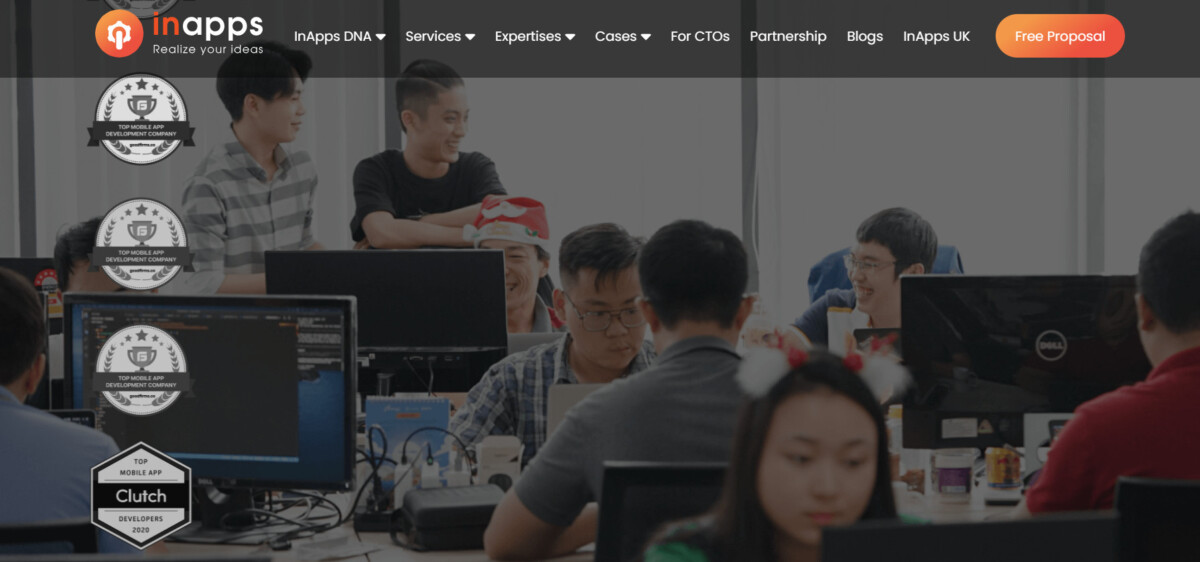
🔗 inapps.net
InApps Technology is a Vietnam-based software development company with a focus on mobile apps, web solutions, and offshore development services.
Key Focus: Offshore mobile and web development.
🔗 qsstechnosoft.com
QSS Technosoft is a full-cycle software development company offering web and mobile app solutions across healthcare, finance, and logistics.
Key Focus: Scalable enterprise and mobile software.
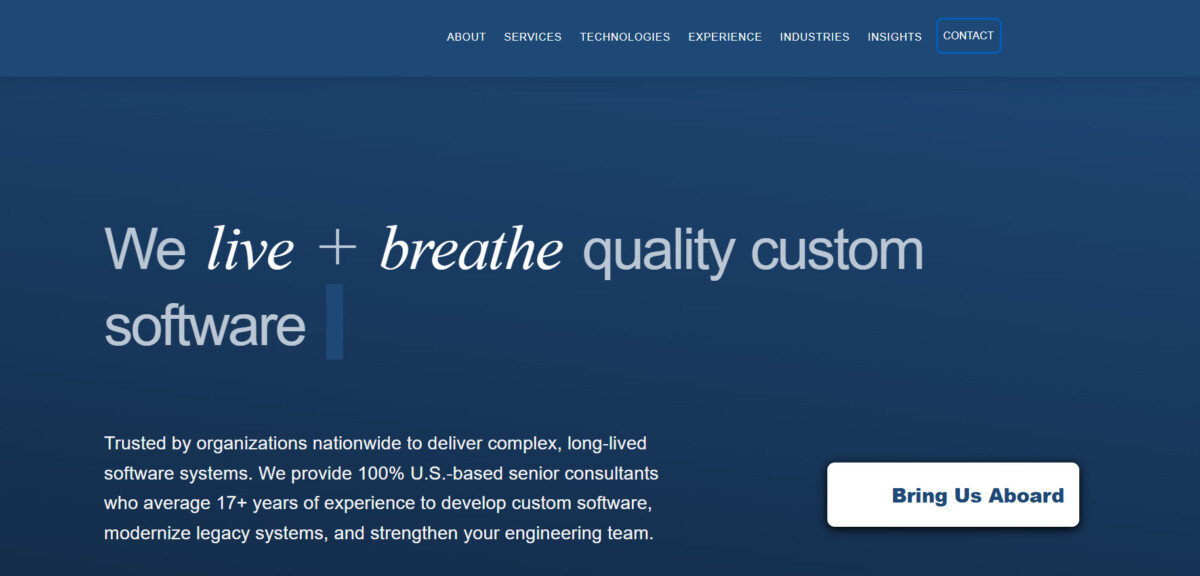
🔗 keyholesoftware.com
Keyhole Software is a boutique software consultancy known for its custom software development and modernization services. They work with Fortune 500 and mid-sized businesses to deliver enterprise solutions.
Key Focus: Modern application architecture and enterprise software delivery.
🔗 synodus.com
Synodus is a tech consulting firm focusing on digital transformation, cloud solutions, and data engineering. They work closely with enterprises to design and implement scalable digital ecosystems.
Key Focus: Strategic digital transformation consulting.
🔗 jalasoft.com
Jalasoft is a nearshore software development company known for high-quality engineering teams and agile collaboration. They serve clients globally with scalable enterprise solutions.
Key Focus: Nearshore software engineering services.
🔗 developway.org
DevelopWay is a software development company offering tailored IT solutions to clients across Europe and the Middle East offering tailored IT solutions to clients across Europe and the Middle East.Key Focus: Custom web and software development in emerging markets.
Choosing the right IT and development partner in 2026 will define how fast and efficiently your business evolves. Whether you’re a startup looking for MVP support or a growing enterprise undergoing transformation, these companies offer proven track records and future-ready solutions.
An IT or software development partner is a company you hire to build, improve, or maintain software for your business. In 2026, the right partner can help you ship faster, reduce technical risk, and modernize older systems without stalling your team. A poor fit can cost more in rework, delays, and security gaps.
Start by matching the firm’s strengths to your project type, like mobile apps, enterprise software, cloud migration, or modernization. Then review similar case studies, ask how they handle testing and security, and confirm who will be on your team day to day. Finally, run a small paid discovery or pilot to validate speed and quality before you commit.
Ask for specific outcomes, like improved load time, fewer crashes, or a shorter release cycle, not just “we built an app.” Request references from clients with similar team size and industry, and ask what went wrong and how it was fixed. Also check how they write documentation, since clear docs help your team maintain the product later.
Global teams can be anywhere and often offer broad skill coverage across time zones. Offshore usually means lower cost but can require tighter process to avoid delays from time differences. Nearshore often improves overlap for meetings and faster feedback, which can reduce mistakes during fast product changes.
Hire a firm when you need speed, you do not have senior engineers yet, or you need a short-term push to launch an MVP. An internal team makes more sense when you have steady product work and want deep long-term ownership. Many startups start with a partner, then hire in-house using the partner’s code and documentation as a foundation.
Use a structured vetting step: a technical interview with the lead engineer, a review of code samples, and a clear plan for testing and security. Ask who owns the source code, how data is protected, and what happens if key team members leave. A trustworthy firm will give clear answers, timelines, and a written scope with change rules.
Be cautious if they promise exact timelines without seeing your requirements, or if they avoid discussing testing, security, and maintenance. Another red flag is unclear staffing, like not naming roles or switching people often. If they cannot explain tradeoffs in plain language, they may not be able to guide you under pressure.
Create a simple scorecard with five areas: fit for your product, proof of results, delivery process, communication, and pricing clarity. Give each vendor the same short set of questions and ask for a one-page plan based on your goals. Then pick the top two for a paid discovery sprint to test real collaboration.
Yes, the lowest hourly rate can lead to higher total cost if quality is poor and you spend months fixing bugs or rewriting code. Total cost includes speed, defects, security issues, and how easy the software is to maintain. A slightly higher rate often pays off if the team ships clean work with fewer delays.
Treat the list as a shortlist, not a decision, and validate each firm against your exact needs, budget, and timeline. Write a one-page project brief with goals, users, must-have features, and success metrics, then send it to your top picks for feedback. If two firms sound similar, ask each to point out risks they see in your plan, since strong partners surface problems early.





