

19th
December, 2025
For e-commerce brands and Amazon sellers, influencer marketing has become a game-changer in 2025. Scrolling through TikTok or Instagram, you’ve likely seen products featured by creators – these collaborations are known as brand deals. In this post, we’ll explore what are brand deals, how they work, and how micro influencers and user-generated content (UGC) can help online businesses drive authentic engagement and sales. Influencer-brand partnerships are booming (the industry is projected to reach $32+ billion in 2025), and nearly half of consumers now purchase products monthly because of influencer posts. By understanding brand deals, your business can tap into this trend to build trust, boost visibility, and scale revenue.

Brand deals (also called brand partnerships or collaborations) are agreements where a company partners with a content creator or influencer to promote its products or services. In a typical brand deal, the influencer creates content – like a social media post, video, or story – featuring the brand in exchange for compensation. That compensation can be monetary, free product, or a combination of both, depending on the deal’s terms. The goal is mutual benefit: the brand gains exposure to the influencer’s audience, and the influencer gets rewarded for showcasing something they genuinely like.
Brand deals come in many forms. They might be a one-time sponsored post or a longer-term ambassadorship spanning months. For example, a beauty YouTuber might do a paid review of a skincare line, or an Instagram mom might have a six-month partnership with a kids’ clothing brand. What all brand deals share is collaboration – both brand and creator work together to craft content that feels authentic to the creator’s followers while highlighting the brand. When done right, brand deals don’t look like traditional ads; they feel like recommendations from a trusted friend, which is powerful in marketing. In fact, 92% of consumers trust influencer recommendations more than traditional ads, making these partnerships incredibly valuable for brands.
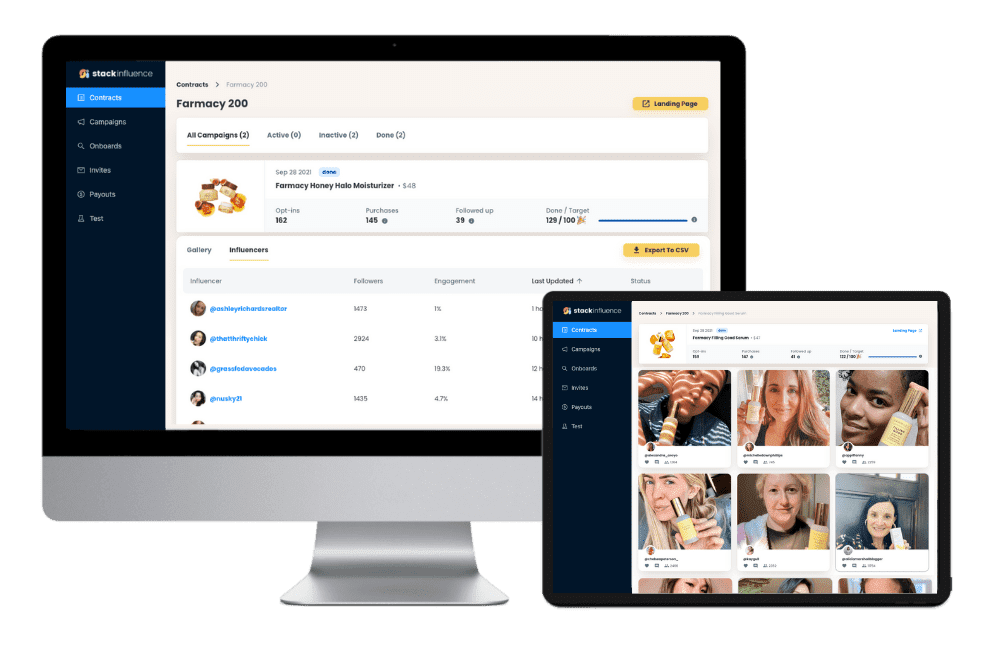
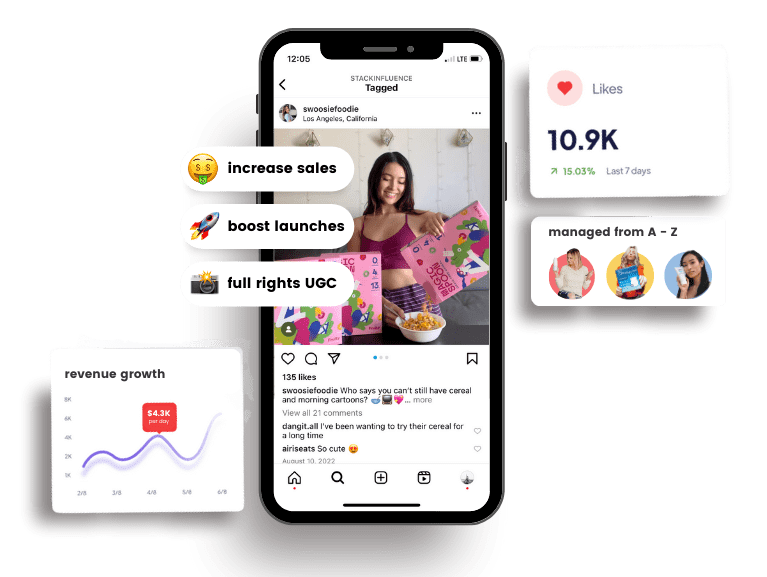
For those new to influencer marketing, here’s a quick rundown of how a typical brand deal comes together:
Not all brand deals are created equal. Here’s a quick comparison of common types of influencer partnerships and what they involve:
A one-time paid post or video on an influencer’s channel. The brand pays for a dedicated piece of content featuring its product. Great for quick bursts of exposure and reaching the creator’s full audience.
The brand sends free product to the influencer in hopes they’ll feature it. Sometimes called “product seeding,” this is common with micro influencers. There’s no guarantee of a post, but if the creator loves the product, they often share it. It’s a low-cost way to generate genuine UGC (user-generated content) and reviews.
The influencer gets a unique discount code or referral link to share. They earn a commission for each sale generated, and the brand gets trackable sales. This performance-based deal aligns incentives on both sides. It’s popular in e-commerce; for instance, Amazon sellers often give influencers affiliate links to drive Amazon product page traffic.
An ongoing relationship in which an influencer regularly promotes the brand over a longer term (months or even a year). Ambassadors might do multiple posts, appear at events, or provide feedback. In return they may receive a stipend, free products, or profit share. This approach builds strong brand advocates and continuous buzz.
The brand contracts a creator to produce content for the brand’s own use. Here, the influencer might not even post on their personal channels. Instead, they act as a content creator – shooting photos, videos, testimonials that the brand can repurpose on its website, ads, or social media. This is a way to generate authentic-looking content at scale. Often cheaper than high-end photo shoots, UGC-style content feels more relatable to consumers.
Each type of brand deal can play a role in an influencer marketing strategy. For example, a new Amazon seller might start with product gifting to get some reviews and UGC, then move to paid sponsored posts with the most effective creators, and eventually establish a formal ambassador program with top performers. The key is to choose the format that fits your goals and budget.
Brand deals aren’t just trendy – they deliver real value for online businesses. Here are some of the biggest benefits for e-commerce brands and Amazon sellers:
In summary, brand deals combine the persuasive power of word-of-mouth with the scale of social media. For online sellers facing stiff competition, collaborating with influencers can be the edge that builds credibility, creates buzz, and ultimately drives more sales for your store.
Ready to dive in and leverage brand deals for your business? Keep these best practices in mind to maximize your success:
By following these tips, e-commerce entrepreneurs and Amazon sellers can confidently navigate the world of brand deals. It’s a learning process, but the payoff – in authentic customer connections and business growth – is well worth it. Embrace experimentation, stay authentic, and watch your brand presence flourish through strategic influencer collaborations.
In the 2025 landscape of influencer marketing, understanding what brand deals are and how to execute them is practically a must for ambitious e-commerce brands. Whether you’re a niche Amazon seller or a growing DTC brand, partnering with content creators can exponentially amplify your reach and credibility. Brand deals allow you to turn everyday social media content into a powerful marketing engine – one built on authenticity, engagement, and trust. By leveraging micro influencers, you tap into passionate communities without a huge price tag, while generating valuable UGC and social proof for your products. The key is to approach brand deals thoughtfully: choose partners who genuinely align with your brand, set clear win-win terms, and focus on building relationships, not just one-off posts.
Done right, brand deals will not only boost your immediate sales but also foster long-term brand loyalty and awareness. In a world where consumer trust and attention are the ultimate currency, influencer partnerships offer a shortcut to both – letting your brand message come from the voices people want to listen to. It’s time to consider adding brand deals to your marketing mix. Start small if needed, learn and iterate, and you may find this approach drives meaningful ROI for your business. In 2025 and beyond, brand deals can be the catalyst that propels your e-commerce venture to new heights.

By William Gasner
CMO at Stack Influence
William Gasner is the CMO of Stack Influence, he’s a 6X founder, a 7-Figure eCommerce seller, and has been featured in leading publications like Forbes, Business Insider, and Wired for his thoughts on the influencer marketing and eCommerce industries.
Want new articles before they get published? Subscribe to our Awesome Newsletter.
111 NE 1st St, 8th Floor
Miami, FL 33132



© 2025 Stack Influence Inc
© 2025 Stack Influence Inc
The post What Are Brand Deals? 2025 Guide to Influencer Partnerships appeared first on Stack Influence.





