

1st
October, 2025
Instagram offers a variety of features to help posts gain visibility – and one underrated tool is the geotag, or location tag. If you’ve ever seen a clickable place name above an Instagram photo or Story, that’s a geotag. In this comprehensive guide, we’ll break down what Instagram geotags are, how to use them, and why they matter for micro-influencers, content creators, e-commerce businesses (yes, even Amazon sellers), and anyone looking to boost their reach. By the end, you’ll understand how a simple location tag can translate to greater engagement, authentic user-generated content (UGC), and even real-world results for your brand. Let’s dive in!
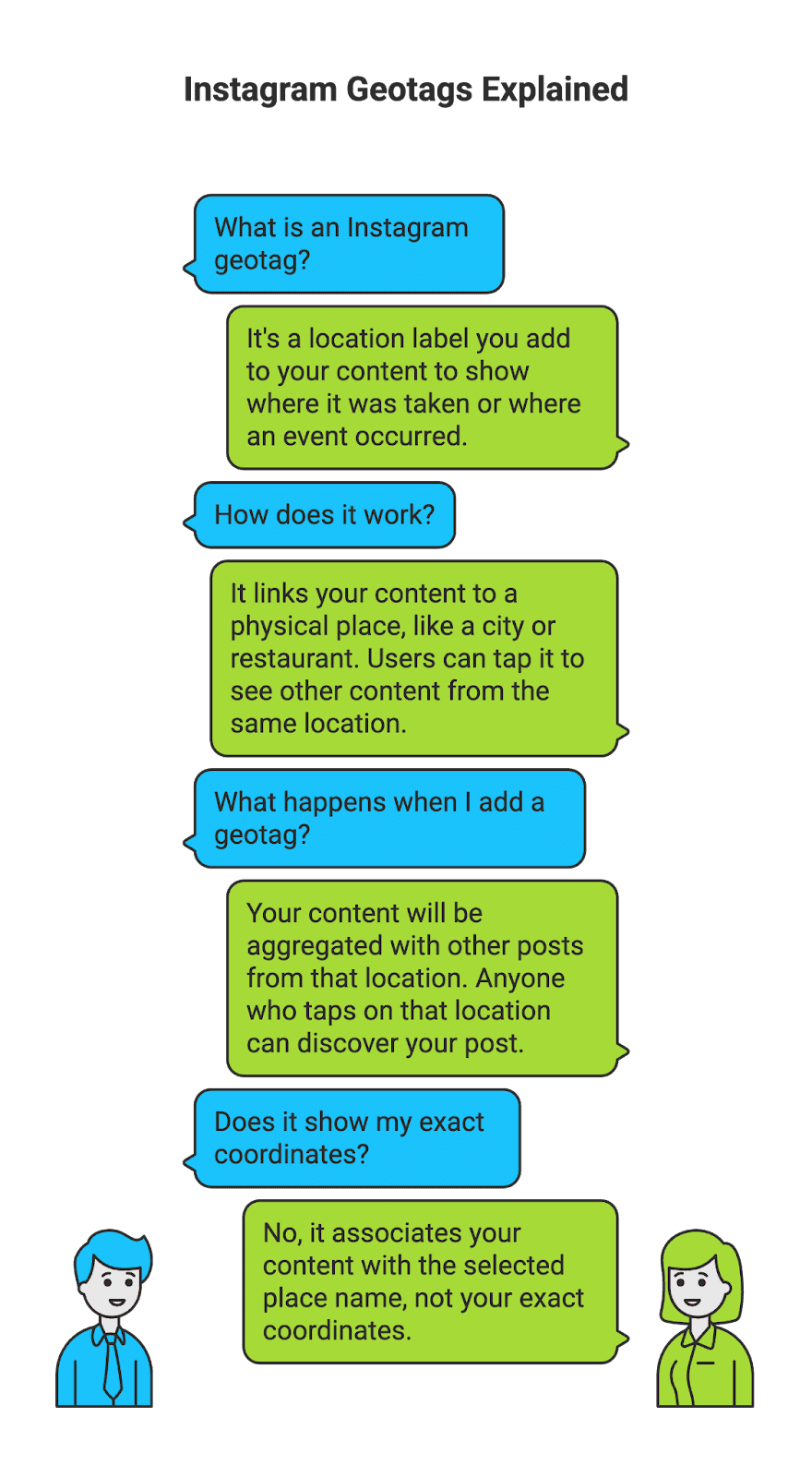
An Instagram geotag (also called a location tag) is a specific location label you can add to your Instagram content – such as a post or Story – to show where the photo or video was taken or where an event occurred. Essentially, it links your content to a physical place, like a city, a restaurant, a store, a landmark, or any specific venue. On Instagram, the geotag appears just below your username (on posts) or as a sticker in Stories, and users can tap it to see other content posted from the same location.
In practical terms, adding a geotag means that your content will be aggregated with other posts from that location. For example, if you tag a post with “Eiffel Tower – Paris, France,” anyone who taps on that location or searches for it can discover your post in the location’s feed. This feature is similar to “checking in” on other platforms – it’s Instagram’s way of saying “this photo was taken here.” Importantly, you can choose both very specific locations (like a particular cafe or park) or broader ones (like a city or country), and even create custom location tags for unique places or events. The geotag does not automatically pinpoint your exact coordinates to the public, but rather associates your content with the selected place name. It’s a simple addition, but as we’ll see, it can have a powerful impact on how your content is discovered and engaged with.
Adding a geotag to your Instagram content is straightforward and only takes a few taps. You can geotag both feed posts and Stories (note: as of now, Instagram does not allow adding a location tag on Reels or live videos). Below is a quick step-by-step guide for each:
Adding a Geotag to a Feed Post:
Adding a Geotag to an Instagram Story:
Tip: If your business or event doesn’t yet exist as an Instagram location, you can create a custom location tag. This involves using Facebook’s check-in feature to set up a new place – once created on Facebook, it becomes available on Instagram as well. Many brands do this for pop-up shops or special events so that attendees can tag the new location in their posts.
Why bother adding a location tag to your posts? It turns out geotagging isn’t just for fun – it offers tangible benefits for reach and engagement. Here are some key advantages of using geotags on Instagram:
What key points must the influencer communicate about your product or brand? This section of the brief outlines the essential messages you want woven into the content. Think about the top 2–5 things you want an audience member to remember after seeing the post. These could be product features, benefits, or your brand’s story elements. For example, if you sell a skincare serum, your key messages might be: “100% vegan ingredients,” “visible results in 2 weeks,” and “dermatologist-tested.” List these talking points clearly for the creator.
It’s helpful to differentiate between “must-say” points and “nice-to-say” points. You don’t want the content to feel like a scripted ad, but you also don’t want the influencer to miss a crucial detail. Phrasing this section as a bullet list can be useful. For instance:
Impact of geotagging on engagement: Posts tagged with a location have been found to get around 79% higher engagement on Instagram compared to those without location tags. This chart illustrates the relative boost in engagement (likes, comments, etc.) for geotagged posts.
To make all these benefits more concrete, let’s look at a few real-world examples of how influencers and brands use Instagram geotags effectively:
Instagram geotag usage by region (global breakdown). A majority of Instagram geotagged posts occur in the Americas (57%), followed by Europe (30%). Asia accounts for about 7%, with the rest split among Oceania and Africa. This highlights how geotagging is popular worldwide, especially in Western regions, which is useful to know when targeting audiences.
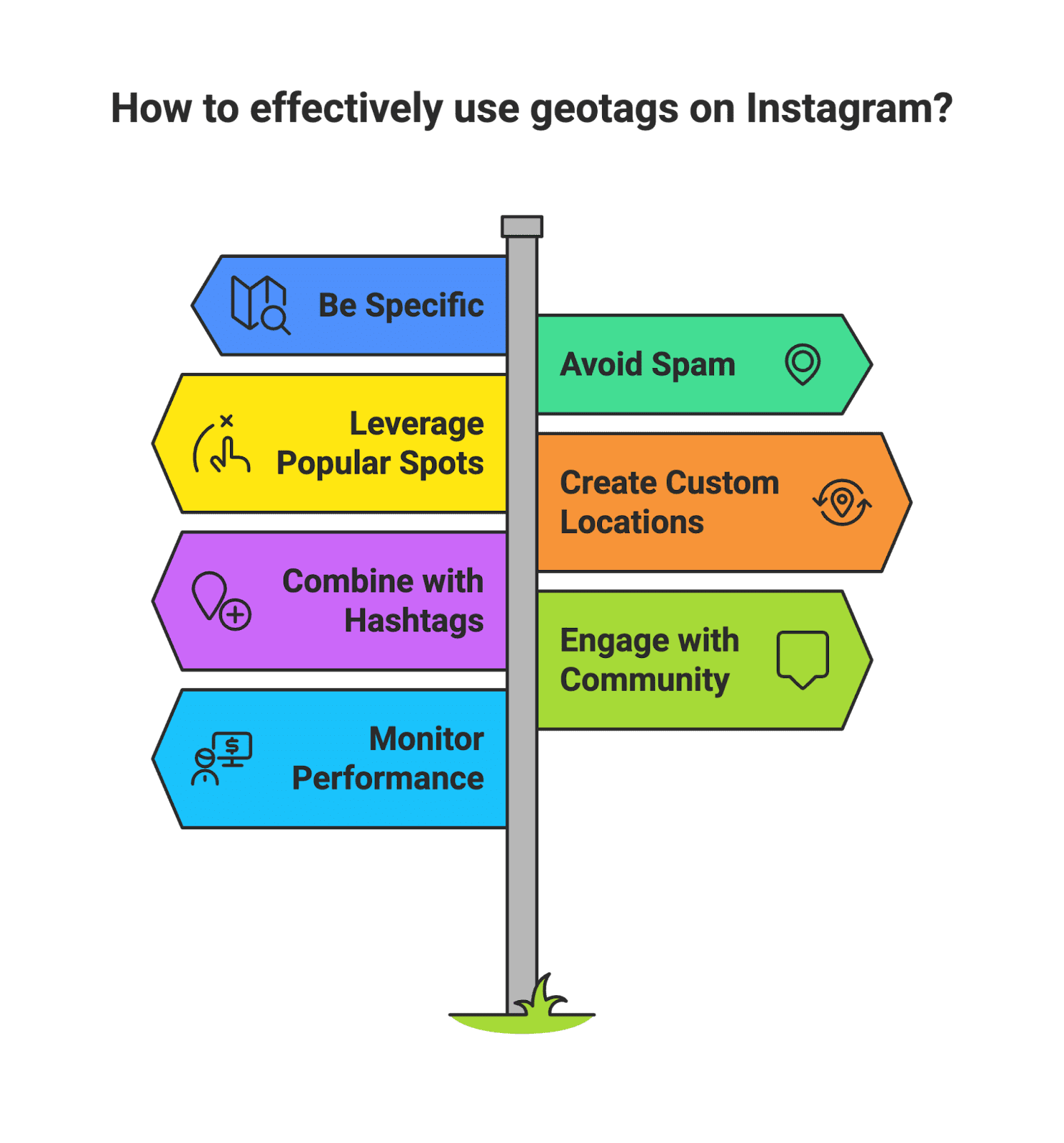
Like any tool, using geotags strategically will yield the best results. Here are some tips and best practices to get the most out of Instagram geotagging:
By following these tips, you’ll ensure that your geotagging efforts actually move the needle – bringing the right eyes to your content and fostering genuine interest.
Crafting an influencer creative brief might take a bit of upfront effort, but it pays off with a campaign that runs like clockwork. Especially when working with micro-influencers and content creators for your e-commerce brand, a strong brief is the key to unlocking truly authentic UGC that still aligns with your marketing goals. When influencers know exactly what you’re looking for (and why), they can channel their creativity in the right direction – the result is content that feels genuine to their audience yet delivers your brand message effectively.
For e-commerce entrepreneurs and Amazon sellers navigating the world of influencer marketing, think of the creative brief as your campaign GPS. It guides your micro-influencer partners on how to represent your product, while leaving them room to showcase their personality (which is what their followers love about them in the first place). Done right, an influencer brief helps turn a one-off sponsored post into a powerful piece of marketing content that drives engagement, trust, and conversions. And as a bonus, you’ll accumulate a library of high-quality UGC – photos, videos, reviews – that you can repurpose across your own channels to amplify results even further.
In summary, a well-prepared influencer creative brief sets the stage for a win-win collaboration. Your brand gets consistent, on-message content and the influencer gets the guidance they need to produce their best work (while maintaining their authentic voice). So take the time to craft a killer brief – your micro-influencers (and your future self) will thank you when the campaign results roll in. Happy collaborating, and may your next influencer campaign be your most successful one yet!

By William Gasner
CMO at Stack Influence
William Gasner is the CMO of Stack Influence, he’s a 6X founder, a 7-Figure eCommerce seller, and has been featured in leading publications like Forbes, Business Insider, and Wired for his thoughts on the influencer marketing and eCommerce industries.
Want new articles before they get published? Subscribe to our Awesome Newsletter.
111 NE 1st St, 8th Floor
Miami, FL 33132



© 2025 Stack Influence Inc
© 2025 Stack Influence Inc
The post What is a Geotag on Instagram? appeared first on Stack Influence.





