
16th
August, 2025
In today’s ultra-competitive e-commerce arena, brands – from Shopify startups to Amazon sellers – are increasingly turning to micro-influencers to gain an edge. Micro-influencers are everyday content creators with dedicated niche followings, and their personal, authentic style of promotion can build consumer trust in ways traditional ads often cannot. A micro-influencer’s shout-out feels like a recommendation from a friend, making their endorsements highly credible to followers. But what exactly is a micro-influencer marketing campaign, and how can e-commerce sellers leverage it? In this blog, we’ll break down the concept, benefits, and steps to run a successful micro-influencer campaign, with plenty of tips for Amazon sellers and small brand owners along the way.
A micro-influencer is a social media influencer with a modest but highly engaged follower base. While definitions vary, micro-influencers typically have on the order of 5,000 to 100,000 followers (often broken down further into nano-influencers at the lower end and macro-influencers above 100k). They are not celebrities or household names – they’re usually everyday people such as passionate hobbyists, niche experts, or budding content creators who have earned trust and credibility within a specific community. For example, a food-loving mom with 8,000 Instagram followers or a tech gadget reviewer with 50,000 YouTube subscribers would fall into this category. What sets micro-influencers apart isn’t sheer follower count, but the strong connection and engagement they maintain with their audience. In fact, micro-influencers often see much higher engagement rates on their posts than bigger influencers do – one study found around 6% engagement for micro-influencers vs. ~2% for mega-influencers on Instagram. Their followers actively like, comment, and share their content, indicating a loyal and interactive community.
Because micro-influencers speak to a focused niche, their audiences tend to be highly relevant for certain products. A vegan recipe blogger’s followers are probably fellow vegan foodies; a DIY craft TikToker’s fans are likely craft enthusiasts. This niche targeting means if your product fits that micro-influencer’s theme, you’re instantly getting in front of exactly the kind of consumers most likely to be interested. Moreover, micro-influencers are perceived as authentic peers rather than distant celebrities. They often personally interact with followers in comments and DMs, enhancing that sense of friendship and trust. All these traits make micro-influencers extremely valuable partners for marketing campaigns, especially for small brands that need word-of-mouth buzz on a budget.
A micro-influencer marketing campaign is a promotional strategy where a brand partners with one or (often) many micro-influencers to promote its product or service. Instead of spending your entire budget on a single big-name influencer, this approach involves collaborating with multiple micro-influencers who each speak to a targeted, engaged audience. These campaigns can take various forms, but common elements include:
In essence, a micro-influencer marketing campaign leverages the power of peer influence at scale. By tapping into numerous niche audiences with authentic content, brands can achieve broad exposure and trust without the hefty price tag of mainstream influencer campaigns. This makes the strategy particularly well-suited for e-commerce sellers, Amazon marketplace vendors, and emerging brands that need cost-effective ways to boost awareness and sales.
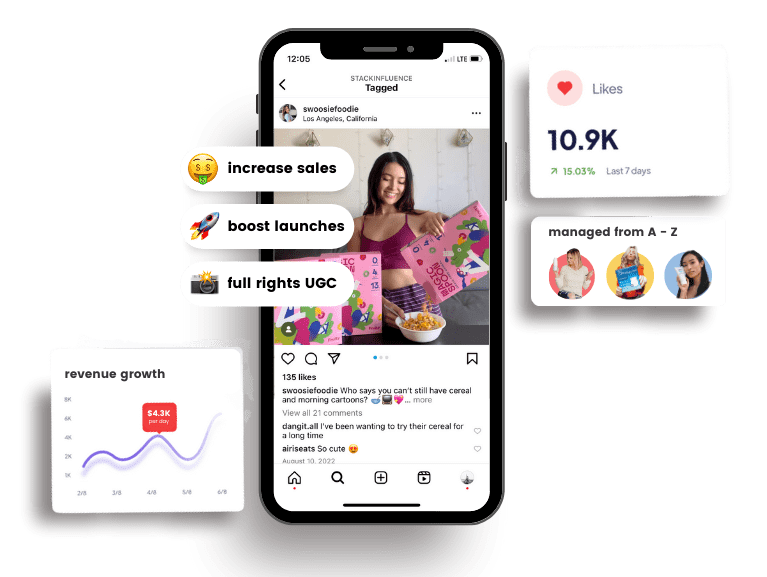
Micro-influencer campaigns have exploded in popularity among savvy marketers, and for good reason. They offer a potent combination of authenticity, targeted reach, and high return on investment – especially valuable for e-commerce and Amazon sellers working with limited marketing budgets. Let’s break down the key benefits of micro-influencers for small brands:
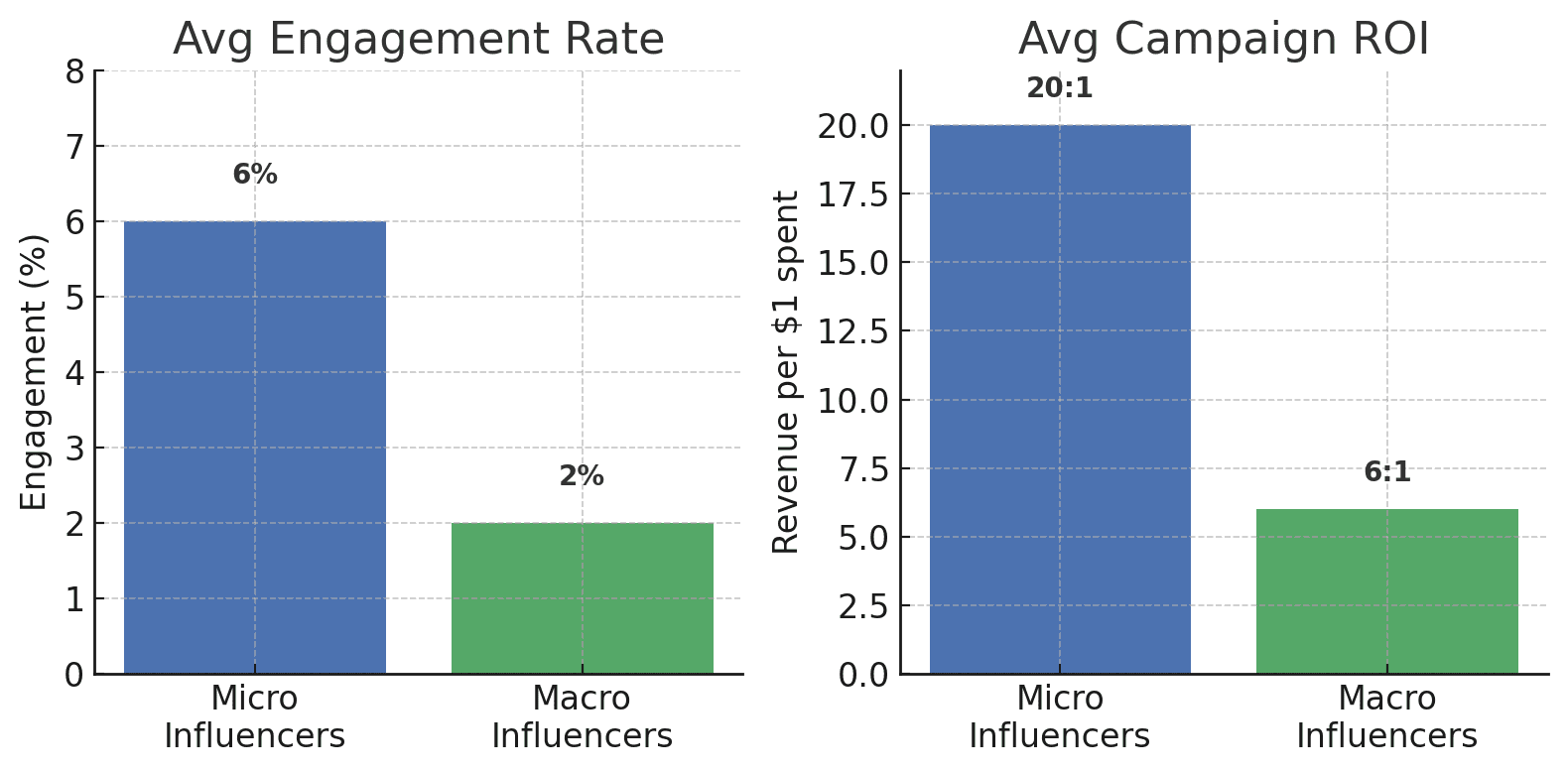
Average engagement rate (left) and campaign ROI (right) for micro-influencers vs. macro-influencers. Micro-level creators often see engagement rates around 5–10%, far higher than the ~2% typical for macro/celebrity influencers. Their campaigns also yield much better ROI due to lower costs and more receptive audiences – studies have found a ~$20 return per $1 spent with micro-influencers, compared to ~$6 per $1 with large influencers.
All in all, micro-influencer marketing campaigns pack a powerful one-two punch of targeted reach and authentic influence. You get the credibility of peer recommendations, the engagement of tight-knit communities, and a flood of user-generated content – without breaking the bank. It’s easy to see why this strategy has become a go-to for e-commerce marketers looking to build brand awareness and trust quickly.
Ready to harness the power of micro-influencers for your own brand? Here is a step-by-step game plan for planning and executing a micro-influencer marketing campaign. Whether you’re an Amazon seller or a small e-commerce brand, these steps will help you maximize your chances of success:
1. Define Your Goals and Target Audience: Start by clearly identifying what you want to achieve and whom you want to reach. Is your goal to increase product sales on Amazon? Boost your brand’s Instagram following? Gather a vault of UGC for future ads? Nail down the primary objective. At the same time, define your target customer profile: demographics, interests, platforms they frequent, etc. Having specific goals and audience insights will guide all your decisions. For example, a small organic skincare brand might set a goal of getting 100 new Amazon reviews and increasing Amazon sales by 20% in a quarter, targeting women aged 25–40 who are interested in clean beauty. With this in mind, you’d seek micro-influencers in the natural beauty niche whose followers match that profile.
2. Discover Relevant Micro-Influencers: Once you know your niche and audience, it’s time to find the right creators to partner with. Start by searching social media platforms that matter for your product. Instagram and TikTok are popular for consumer products, YouTube is great for longer reviews/tutorials, and don’t overlook Facebook groups or Pinterest if relevant. Use hashtags and keywords to scout for potential influencers – for instance, an Amazon gadget seller might search tags like #AmazonFinds, #Unboxing, or niche tags like #HomeOfficeHacks to find creators who frequently feature products. If you sell in a particular category, search those category hashtags (e.g. #mommylife, #skincarejunkie, #gardeningtips) to spot active micro-influencers. Amazon sellers should also be aware of Amazon’s own Influencer Program: some micro-influencers have their Amazon storefronts where they list favorite products and earn commissions.
Partnering with such influencers can be doubly effective, as they will promote your item on social media and list it on Amazon for their followers to buy. You can find these influencers via social media or the Amazon Influencer storefront directory. Additionally, consider using influencer marketing platforms or databases (like searching by niche on CreatorIQ, Influence.co, or others) to streamline discovery. Pro tip: Look for signs of genuine influence when discovering candidates – consistent content quality, an engaging personality, and audience comments that indicate real interest. Build a shortlist of potential micro-influencers who align well with your brand values and target customers.
3. Vet for Authenticity and Engagement: Not all influencers are created equal, and follower count alone can be misleading. Before you reach out, evaluate the quality of each prospective partner’s profile. Check their engagement ratio – how many likes/comments do they get relative to their follower count? A micro-influencer with 8,000 followers averaging 800 likes (10% engagement) is typically more impactful than one with 30,000 followers but only 300 likes (1% engagement) per post. Scroll through their content: Do they get meaningful comments (questions, discussions) or just generic ones? Does the influencer actively reply to comments from followers? Also watch out for any red flags like sudden spikes in followers (could indicate fakes) or a feed that is overloaded with sponsored posts. You want someone whose audience still sees them as authentic and relatable, not as a nonstop salesperson. Finally, ensure their style and values fit your brand – if you sell family-friendly products, an influencer known for edgy pranks might not be a great fit. Taking the time to vet influencers will save you headaches later and ensure your campaign feels genuine and on-brand.
4. Reach Out with a Win-Win Proposal: Now it’s time to contact the influencers on your shortlist. Craft a friendly, personalized message (email or DM) that introduces your brand and why you thought of them. Be clear about what you’re offering – typically a free product sample, and possibly payment or commission – and exactly what you’d like them to do. For example, you might say: “We’d love to send you our new organic coffee sampler. In return, would you be open to creating one Instagram post and one TikTok video reviewing it? We can offer a $100 honorarium, an affiliate link for you to earn commissions, and we’ll feature your content on our page for extra exposure.” Highlight the benefits to the influencer: free product to try, potential to earn, content ideas, shout-outs from your brand, etc. Keep the ask reasonable (micro-influencers are often happy to post in exchange for just product if it genuinely interests them, but adding a small payment or commission can sweeten the deal). If you have any specific requirements – e.g. key points to mention, a campaign hashtag, or FTC disclosure (#ad) – mention those upfront. However, also express that you value their creative freedom and honest voice. The best content comes when creators are free to be themselves, so let them know you’re not looking for a scripted ad, just an authentic share of their experience with your product. Once an influencer agrees, be ready to send out the product promptly along with any necessary info (product instructions, discount codes to share, etc.). Clear communication and a professional approach here set the tone for a smooth collaboration.
5. Allow Creative Freedom (Within Guidelines): When the influencers start creating content, remember that authenticity is key. You chose these micro-influencers because their audience connects with their unique voice and style – so let that shine. Provide any must-know facts about your product and the do’s and don’ts (for example, “Do mention the new summer sale; Don’t make any false health claims; Please use #MyBrandPartner in the caption”), but avoid micromanaging the actual content creation. If one influencer does hilarious skits, encourage them to incorporate your product in a funny way; if another is known for honest, detailed reviews, let them do a deep-dive. By trusting the creator’s expertise about their audience, you’ll get content that feels organic and engaging, rather than a stiff ad. It’s wise to ask if they can show you the post/video before publishing (to double-check brand safety and accuracy), but give primarily big-picture feedback. Minor imperfections or the influencer’s personal quirks make the content more relatable. Remember, one reason micro-influencer campaigns resonate is because the content comes off as peer-to-peer sharing, not corporate advertising. So embrace the creativity and authenticity of your influencers – it will result in posts that their followers actually enjoy and respond to.
6. Monitor Results and Build Relationships: As your micro-influencers start posting, keep a close eye on the impact. Track whatever metrics tie back to your goals – for example, if you provided unique discount codes or affiliate links to each influencer, monitor how many sales or clicks each code generates. Watch your website traffic or Amazon listing visits for spikes on days when posts go live. Also, observe engagement and feedback on the posts themselves: Are people tagging friends? Asking where to buy? This qualitative feedback is gold, as it can inform your future marketing (you might discover new selling points or customer pain points from the comments). Collect all the content pieces your campaign yielded – these are valuable assets. (Be sure to save the videos/photos or request permission if you plan to repost their content on your own channels.) After the campaign, analyze which influencers performed best in terms of both content quality and actual results. This will help you refine your strategy for next time. Crucially, don’t treat the influencers as one-and-done transactions. Thank them for their work, share their posts on your brand’s social media (which also flatters them with extra exposure), and consider keeping in touch for future collaborations. By building a relationship, you might turn a happy influencer into a long-term brand ambassador. Many brands cultivate an “always-on” micro-influencer team – a pool of trusted creators who consistently get new products and keep the buzz going year-round. Nurturing these relationships is how you turn a single campaign into sustained word-of-mouth momentum for your brand.
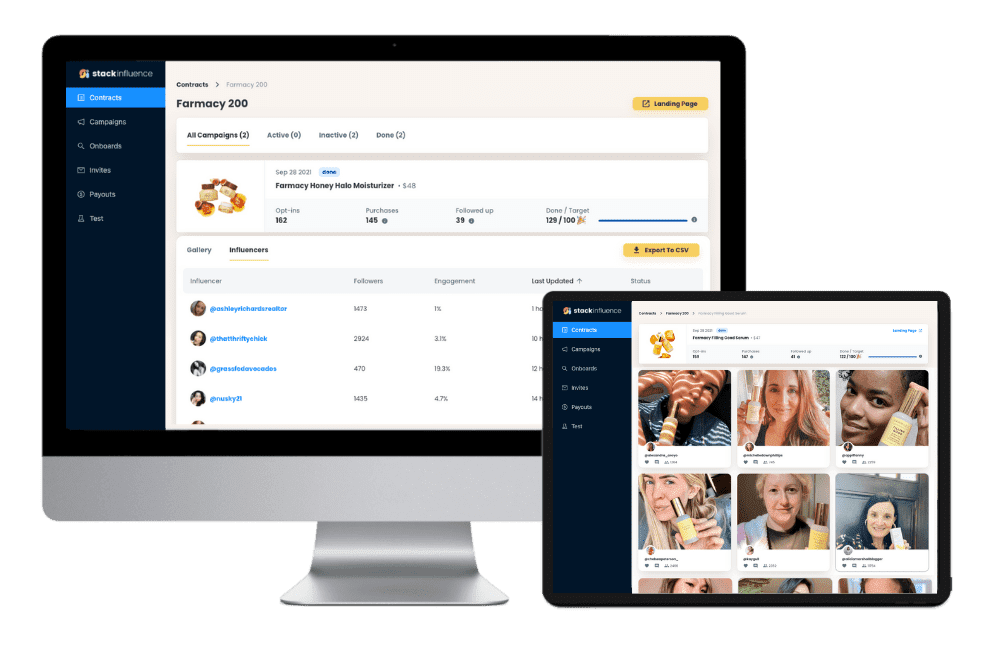
Efficiency Tip: Managing dozens of influencer relationships can get time-consuming for a small business. This is where tools and agencies come in. For example, micro-influencer marketing platforms like Stack Influence specialize in automating product seeding campaigns and handling the end-to-end coordination of working with large numbers of micro-influencers. A platform like this can help you find and vet creators, ship products, track posts, and ensure each influencer delivers on their agreement – all while you only pay for confirmed results. Leveraging such a service can turn what might be a logistical headache into a streamlined process, allowing even a one-person brand to run a scaled micro-influencer campaign without being overwhelmed. Whether you go DIY or use a platform, the key is to stay organized: keep a spreadsheet or dashboard of who’s posting when, note their results, and follow up accordingly.
If you’re selling on Amazon, micro-influencer campaigns can provide a powerful double benefit – driving sales and boosting your product’s visibility within Amazon’s marketplace. Amazon’s dominance means that any external traffic and sales you generate have ripple effects. Here’s how micro-influencers can specifically help Amazon sellers:
In short, micro-influencers can be the secret weapon for Amazon marketplace success – driving qualified traffic, generating UGC and reviews, and amplifying your product’s popularity both on and off Amazon.
A micro-influencer marketing campaign is all about leveraging the power of small, passionate creators at scale. By tapping into numerous niche communities, e-commerce entrepreneurs can spark authentic conversations about their products and build real trust with consumers. For Amazon sellers and small brand owners, this strategy can level the playing field against bigger competitors, providing a cost-effective way to get your product in front of the right eyes and generate tons of user-driven content and feedback.
As we’ve discussed, the keys to success include choosing the right influencers (those whose audience truly fits your niche), fostering genuine partnerships (built on authenticity and creative freedom), and having a clear plan to track results and repurpose content. When done right, a micro-influencer campaign can create a ripple effect of awareness – turning a handful of product seeding gifts into an ongoing stream of social proof, engagement, and sales.
If you haven’t tried it yet, consider incorporating micro-influencers into your marketing mix. Start small, learn what works for your brand, and scale up. You might be surprised at how much impact these “micro” partners can have on your macro success! And remember, whether you manage it yourself or get a helping hand from services like Stack Influence, what matters most is keeping the content authentic and the relationships mutually beneficial. In the age of content creators and UGC, micro-influencer marketing is one of the most exciting and effective ways to grow your e-commerce brand – happy influencing!

By William Gasner
CMO at Stack Influence
William Gasner is the CMO of Stack Influence, he’s a 6X founder, a 7-Figure eCommerce seller, and has been featured in leading publications like Forbes, Business Insider, and Wired for his thoughts on the influencer marketing and eCommerce industries.
Want new articles before they get published? Subscribe to our Awesome Newsletter.
111 NE 1st St, 8th Floor
Miami, FL 33132


© 2025 Stack Influence Inc
© 2025 Stack Influence Inc
The post What Is a Micro‑Influencer Marketing Campaign? appeared first on Stack Influence.





