

What Is an Advertising Campaign? Amazon Sellers Guide 2026
19th
January, 2026
An advertising campaign is essentially a coordinated series of ads sharing a unified theme and goal. In simple terms, it’s a strategy carried out across multiple channels (TV, print, social media, etc.) to achieve a specific business objective. For example, you might run a campaign simultaneously on Instagram, email, and Amazon Ads to promote a new product launch—each ad may look different, but they communicate the same core message. The campaign theme ties everything together, making sure customers receive a consistent message no matter where they see your brand. The goals of an advertising campaign can vary: some aim to increase brand awareness, others focus on driving e-commerce sales or launching a new product.
It’s important to note that an advertising campaign is more than just one ad. Many first-time entrepreneurs think creating a single ad or a quick post is a “campaign,” but a true campaign involves planning and coordination. You define a target audience, craft a message that resonates, choose the best platforms to deliver that message, and run the ads over a set time frame. All the elements work together toward the campaign’s objective (be it more website traffic, higher Amazon store sales, or improved brand recognition). In short, what an advertising campaign is comes down to a focused, multi-step marketing effort designed to get results.
Planning is everything when it comes to advertising campaigns. In fact, to get the best results, you should be well-organized from the start – set clear goals, know your audience, choose the right channels, and prepare compelling content. Here’s a step-by-step framework for e-commerce brands and Amazon sellers to plan an effective campaign:
By following these steps, you’ll structure your campaigns like a pro. A well-planned campaign not only achieves short-term results but also teaches you more about your market. Each campaign is a chance to gather data and improve your next effort.

In the past few years, influencer marketing has moved from a buzzword to a staple of advertising campaigns—especially for e-commerce brands. Essentially, influencer marketing means partnering with individuals who have an engaged audience (social media content creators, YouTubers, bloggers) and having them promote your product or brand. This strategy can turbocharge an advertising campaign’s reach and credibility. In fact, as of 2025, 86% of U.S. marketers are expected to use influencers as part of their marketing mixsproutsocial.com. Brands large and small are allocating significant budgets to influencer campaigns; over a quarter of agencies/brands worldwide now devote more than 40% of their marketing budget to influencer marketing. These numbers show how mainstream influencer collaborations have become in advertising.
Micro-influencers in particular have gained traction for campaigns targeting niche audiences. A micro-influencer is typically a content creator with a modest but highly engaged follower count (often in the 5,000 to 100,000 range). Think of a fashion enthusiast on Instagram with 20k followers or a tech reviewer on YouTube with 50k subscribers. They may not be celebrities, but they have credibility in their specific communities. Micro-influencers are effective because they offer authenticity and high engagement. Their followers see them as relatable peers, not untouchable stars, which makes their recommendations feel more trustworthy. Research backs this up: on Instagram, micro-influencers can average about 3.8% engagement per post, far outperforming macro-influencers (~1.2%) or mega-celebrities (~0.98%). In other words, a micro-influencer’s audience is more likely to actually pay attention, like, comment, and click through on a post compared to an audience of millions who might scroll past a big celebrity’s ad. Moreover, micro-influencers are typically more cost-effective. Instead of paying one superstar $50,000 for a single post, a brand could work with 50 micro-influencers for the same budget and generate a diverse array of content and reach multiple niche groups. This strategy often yields better overall ROI and tons of user-generated content to reuse.
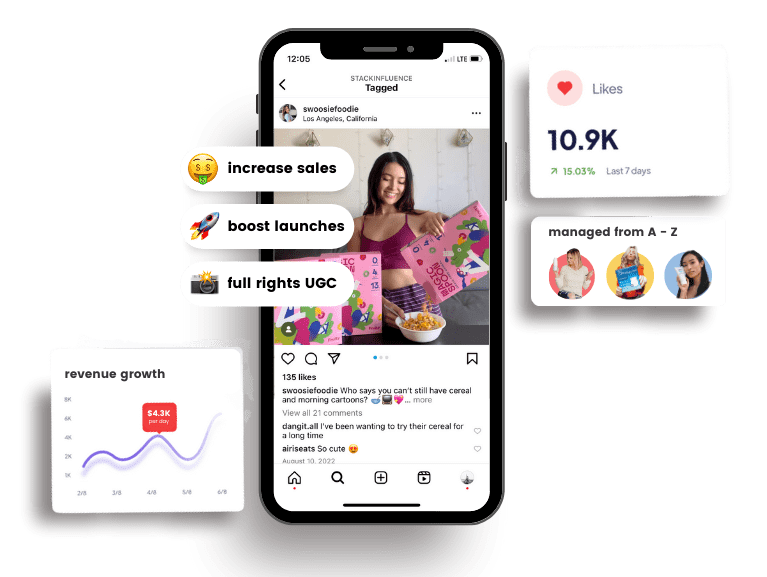
Speaking of authenticity, user-generated content (UGC) is a powerful byproduct of influencer campaigns. Influencers essentially create UGC when they review your product or share a testimonial, since it’s content coming from a “user” rather than the brand itself. UGC resonates with audiences: fully 92% of consumers trust user-generated content more than traditional advertisements. That’s a huge trust gap in favor of content that feels organic. When people see a real person (like an influencer or customer) vouching for a product in their own words, it carries more weight than a polished ad created by the company. This is why integrating influencers and content creators into your campaigns can dramatically boost credibility.
For example, imagine you’re marketing a new fitness supplement. A traditional ad campaign might involve slick banner ads claiming “Best Pre-Workout of 2026!” paired with stock photos. Now consider an influencer-powered campaign: 10 micro-influencers on Instagram who are fitness enthusiasts each post short videos of themselves mixing your supplement into a smoothie pre-gym, sharing their honest experience (“this flavor is awesome and I felt an energy kick!”). Those posts not only reach thousands of followers each, but they also produce real-world content you can repurpose. You could compile influencer testimonials into a video ad, feature influencer photos in your email marketing, or share their reviews on your own social media. In essence, influencer campaigns often create a trove of versatile marketing assets. Many e-commerce brands will negotiate content usage rights with influencers so that the photos and videos they create can be used in paid ads or on the brand’s website. This blends influencer marketing with your broader advertising campaign – the influencer brings the initial authenticity and reach, and then you amplify that message through paid channels using their content.
To successfully leverage influencers, ensure that the creators you partner with align with your brand and audience. Look for those in your product’s niche whose followers match your target demographics. Also, give influencers creative freedom to present your product in their own voice – it will come across as more genuine (overly scripted endorsements can erode trust). Track the results by providing UTM links or discount codes to influencers, so you can attribute sales or traffic to each campaign. When you find influencers who perform well, consider long-term partnerships for ongoing campaigns.
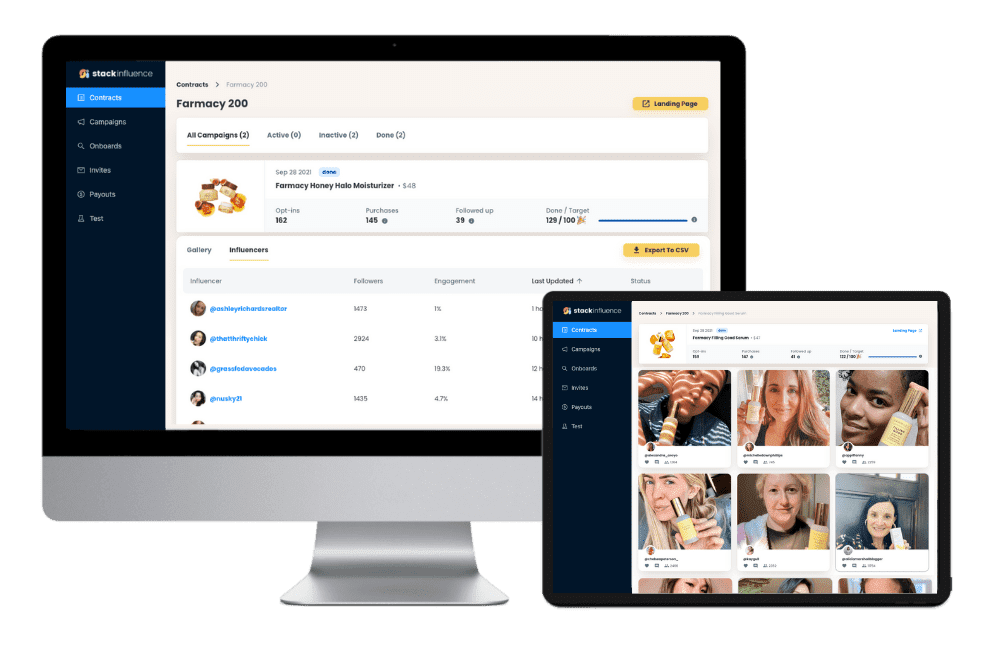
One more thing: influencer marketing doesn’t have to be an “either/or” choice with other advertising channels. The best campaigns integrate it. For instance, you might run a paid Facebook ad campaign featuring a video created by a TikTok micro-influencer – merging the authenticity of influencer content with the targeting power of paid ads. This is a strategy Stack Influence has used to great effect. (Stack Influence, as a micro-influencer marketing platform, helps e-commerce brands connect with vetted micro-influencers and run campaigns at scale.) By using a platform like Stack Influence, even a small Amazon seller can coordinate dozens of influencers to post about their product simultaneously, creating a wave of buzz and UGC that can be further leveraged in ads or on Amazon product pages. The result is a campaign that feels organic to consumers but is strategically orchestrated in the background.
The takeaway: incorporating micro-influencers and content creators into your advertising campaigns can significantly amplify your reach and improve consumer trust. In 2026, influencer marketing isn’t just a trendy add-on – for many brands, it’s a core pillar of their ad strategy that drives measurable ROI.
Crafting advertising campaigns as an e-commerce brand, whether you sell on your own website or on a marketplace like Amazon, comes with some specific considerations. Online markets are extremely competitive – there are likely dozens of sellers or brands vying for your customers’ attention. A strategic ad campaign can set you apart. Here are some tailored tips for e-commerce entrepreneurs and Amazon sellers:
Remember, whether you’re an Amazon seller or a DTC brand owner, the fundamentals of advertising campaigns remain the same: clear goals, knowing your audience, consistent messaging, and continuous optimization. The specific tactics might differ (e.g., Amazon PPC versus Google Ads, influencer outreach versus blog content), but all should work in concert. By using a mix of these strategies, you create a flywheel effect: your Amazon ads drive marketplace sales, your influencer content drives brand awareness (which later helps your Amazon conversion rate), your email campaign brings back past customers for new releases, and so on. This integrated approach is incredibly powerful for maximizing your e-commerce growth.
In conclusion, understanding what an advertising campaign is and executing it with a strategic mindset can be a game-changer for e-commerce brands and Amazon sellers. Rather than sporadic ads, you’re deploying a focused initiative with a clear purpose, whether that’s to skyrocket your Amazon product to page one, or to build a buzz around your DTC brand’s summer collection. A successful advertising campaign weaves together the right channels (from Amazon Ads to TikTok videos) with a compelling message and leverages modern tactics like micro-influencer partnerships and UGC to amplify its impact.
The marketing landscape in 2026 rewards authenticity and data-driven planning. Micro-influencers and content creators can lend authenticity and trust to your campaigns, while analytics and ROI tracking ensure your budget is well spent. By planning meticulously, staying agile with optimizations, and integrating channels, even a small brand can achieve outsized results. For e-commerce entrepreneurs, this means more than just immediate sales – it means building a recognizable brand and a community of loyal customers in the long run.
Now it’s time to put this into action. Whether you’re gearing up for your next Amazon product launch or a big social media push for your online store, apply these principles to craft your campaign. Set your goals, craft that killer message, and get your ads in front of the right people. With the right strategy and execution, your advertising campaign can drive real growth – increasing your sales, boosting your brand’s profile, and ultimately taking your business to the next level. Ready to launch your next campaign? Start with a plan, embrace creative and influencer-driven content, and keep optimizing – your brand will reap the rewards.

By William Gasner
CMO at Stack Influence
William Gasner is the CMO of Stack Influence, he’s a 6X founder, a 7-Figure eCommerce seller, and has been featured in leading publications like Forbes, Business Insider, and Wired for his thoughts on the influencer marketing and eCommerce industries.
Want new articles before they get published? Subscribe to our Awesome Newsletter.
111 NE 1st St, 8th Floor
Miami, FL 33132



© 2025 Stack Influence Inc
© 2025 Stack Influence Inc
The post What Is an Advertising Campaign? Amazon Sellers Guide 2026 appeared first on Stack Influence.





