


2nd
February, 2026
In the ultra-competitive world of e-commerce, brands can’t afford disjointed marketing. Picture this: a customer sees your product in a micro influencer’s Instagram post, gets a follow-up email coupon, then finds matching messaging on your Amazon listing. This seamless multi-channel experience is no accident – it’s the result of an integrated campaign. In this 2026 guide, we’ll explore what is an integrated campaign, why it’s a game-changer for influencer marketing and online businesses, and how to execute one effectively. You’ll learn how Amazon sellers, DTC founders, and content creators can align social media, email, UGC and more into one cohesive strategy that drives ROI. Let’s dive into how a unified approach can amplify your brand’s reach, trust, and sales across all channels.
What is an integrated campaign? At its core, an integrated campaign (sometimes called an integrated marketing campaign) is a cohesive, multi-channel marketing strategy that presents a uniform message across multiple platforms. In other words, you blend channels like social media, email, content marketing, and ads into one coordinated effort so that no matter where your target audience encounters your brand – be it on Instagram, TikTok, YouTube, their inbox, or your website – they experience a consistent story and call-to-action. The goal is to reinforce the same core message through different touchpoints, ultimately guiding that audience toward becoming paying customers.
This unified approach eliminates the “silos” between marketing channels. Instead of a fragmented campaign on each platform, all channels work in tandem. Your brand voice, visuals, and value proposition remain consistent everywhere, creating a cumulative effect. It’s like putting together pieces of a puzzle – each channel’s content might be unique in format, but together they form one complete picture of your campaign. For example, a holiday campaign might use the same tagline and theme in a Facebook ad, an email subject line, and a series of influencer posts. By integrating channels, you ensure the audience gets a coherent message that sticks.
The 4 Cs of integration. Marketing experts often refer to the “4 Cs” as guiding principles for integrated campaigns. In short, your campaign should be: Coherent – all communications are logically connected under one central idea; Consistent – messages support each other and aren’t contradictory across channels; Continuous – the campaign maintains momentum over time; and Complementary – each channel plays a synergistic role so that the whole is greater than the sum of parts. If you check off these 4 Cs, you’re on track to deliver a unified experience. For instance, a coherent campaign might revolve around one story or slogan, consistently use the same brand tone and visuals, run continuously for a set period (so customers encounter it repeatedly), and use complementary tactics (say, a TikTok challenge that generates UGC, which you then feature in emails and ads). When done right, an integrated campaign feels like one conversation with your customer – just happening in multiple places at once.
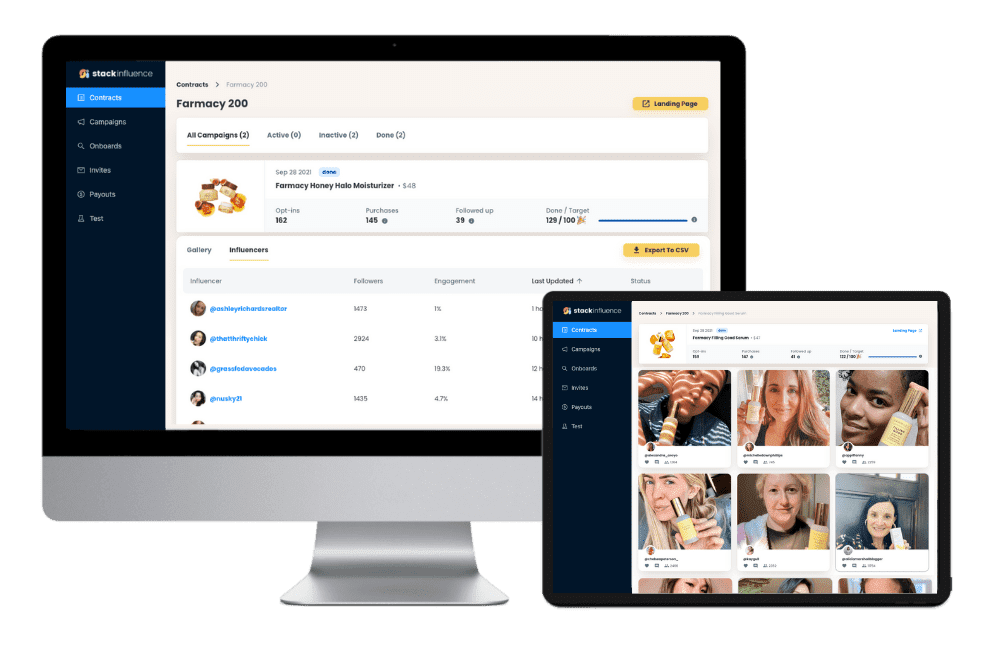
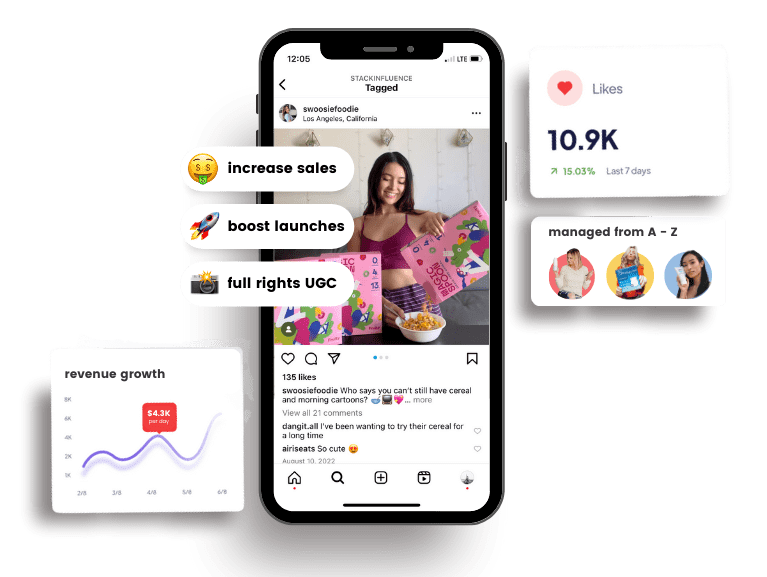
Integrated campaigns aren’t just marketing jargon; they deliver real benefits, especially for e-commerce brands and Amazon sellers who operate across numerous online channels. Here’s why a unified multi-channel strategy is essential:
In short, integration isn’t a “nice to have” in 2026 – it’s a must for competitive advantage. A report notes 86% of marketers say multi-channel campaigns are increasingly effective, yet only about 23% feel they excel at it. This gap is an opportunity: if you can master integrated campaigns, your e-commerce brand can outshine competitors by delivering a smoother, more impactful message to customers at every turn.

So, how can you create an integrated campaign that hits these high notes? Let’s break down the key elements and steps. An effective integrated campaign requires strategic planning up front and careful coordination throughout. Here are the building blocks of integration:
By focusing on these elements – from one big idea down to tracking details – you’ll execute an integrated campaign that’s coherent, consistent, and results-driven. It’s a lot of moving parts, but with solid planning and teamwork (and perhaps the right tools), even a small brand can deliver a campaign that feels as unified and effective as those of a Fortune 500 company.
Many successful brands have demonstrated the power of integrated campaigns. Let’s look at a few real-world examples of integration, from marketing icons to e-commerce newcomers:
These examples underscore a common point: integrated campaigns create a sum greater than the parts. Whether it’s a global brand combining TV and social or an online seller blending influencer content with marketplace promotions, the integration of channels amplifies the impact. The campaigns feel like one fluid narrative across touchpoints – and that’s exactly why they succeeded. As you plan your own campaigns, take inspiration from these cases but tailor the integration to your brand’s unique story and channels. The magic lies in adaptation and creativity, all tied together by a unified strategy.
In a time when consumers are flooded with content, consistency is the secret sauce that can make your brand memorable. Integrated campaigns allow e-commerce brands and Amazon sellers to cut through the noise by delivering a clear, cohesive message everywhere your customer travels – from their inbox to their Instagram feed. By uniting multiple marketing channels around a single compelling narrative, you build trust through repetition, widen your reach, and drive more conversions for the same effort. The payoff isn’t just a short-term uptick in sales; it’s a stronger brand-customer relationship that endures.
As we’ve seen, integrating tactics like micro-influencer collaborations and UGC can add authenticity that resonates in 2026’s market, turning engagement into revenue. The beauty is that any brand, big or small, can embrace this approach. All it takes is planning, the right partnerships, and a commitment to consistent execution. If you’re ready to break out of one-dimensional marketing and truly boost your ROI across platforms, it’s time to start crafting your own integrated campaign. Remember, every channel is an opportunity to reinforce your story. Unify them, and you’ll create a customer experience that not only drives sales, but also builds a community around your brand. In today’s e-commerce landscape, that kind of unified, authentic presence is the ultimate competitive edge. Start integrating your marketing efforts now – your customers (and your bottom line) will thank you for it.

By William Gasner
CMO at Stack Influence
William Gasner is the CMO of Stack Influence, he’s a 6X founder, a 7-Figure eCommerce seller, and has been featured in leading publications like Forbes, Business Insider, and Wired for his thoughts on the influencer marketing and eCommerce industries.
Want new articles before they get published? Subscribe to our Awesome Newsletter.
111 NE 1st St, 8th Floor
Miami, FL 33132



© 2026 Stack Influence Inc
© 2025 Stack Influence Inc
The post What Is an Integrated Campaign? 2026 Guide for E-Commerce appeared first on Stack Influence.





