


22nd
November, 2025
Every day, we encounter direct marketing in some form – even if we don’t always realize it. What is direct marketing? In simple terms, direct marketing is when a business communicates directly with an individual consumer to promote a product or service, without going through a mass-media middleman like TV or radio. Think of the promotional emails in your inbox, the flyer with a discount code you received in the mail, or even an Instagram DM from a brand. All these are examples of direct marketing at work. Unlike broad, one-size-fits-all advertising, direct marketing feels more like a one-on-one conversation between the brand and the customer. It’s about reaching out in a personalized way to the people most likely to be interested – whether that’s via email, social media, a phone call, or a flyer – and urging them to take action. In this article, we’ll break down what direct marketing is, how it works, key direct marketing channels (with examples), and how modern tactics like micro-influencer marketing and UGC (user-generated content) are giving direct marketing a fresh twist. If you’re an e-commerce entrepreneur, Amazon seller, or content creator looking to boost outreach, read on – we’ve got you covered with tips and insights to directly connect with your audience.
Direct marketing is a promotional strategy where companies communicate directly to a targeted consumer, typically to advertise a product, service, or offer. This approach deliberately bypasses traditional advertising intermediaries (like TV networks, newspapers, or retail distributors) and instead delivers the marketing message straight to the consumer through channels such as email, social media, text messages, or physical mail. The goal is to reach customers in a more personal, one-to-one manner and prompt an immediate response or interaction.
One hallmark of direct marketing is the inclusion of a clear call-to-action (CTA). In other words, the message doesn’t just inform or entertain – it specifically urges the recipient to respond or do something right away, such as “Click this link for 50% off” or “Call now for a free trial”. Because it’s so targeted and action-oriented, direct marketing is sometimes called direct response marketing. The emphasis is on obtaining a measurable response from each person who receives the message.
Another key aspect is personalization. Direct marketing campaigns often tailor the message to the individual – for example, by addressing the person by name, referencing a recent purchase or interest, or otherwise customizing content to fit that consumer. The idea is to make each recipient feel like they’re having a one-on-one conversation with the brand. When done right, this personal touch can increase engagement and make the outreach feel less like “spam” and more like helpful communication.
In summary, what is direct marketing? It’s marketing that cuts out the middleman and speaks to you directly – whether via your inbox, phone, mailbox, or social feed – with a personalized message and a prompt to take action. Next, let’s look at what direct marketing tries to achieve and why brands use this approach.

The ultimate aim of direct marketing is to generate a specific response or action from the targeted consumer. Even if a campaign reaches thousands or millions of people, each message is crafted to feel like a one-on-one conversation between the brand and the recipient. By making the communication personal and relevant, direct marketers hope to persuade each prospect to do something – whether that’s visiting a website, signing up for a newsletter, redeeming a coupon, or making a purchase.
To achieve this, direct marketing leverages personalization and data. Marketers will often use the customer’s name, past behavior, or preferences within the message, as a way to show “we know what you’re interested in.” For example, an email might say “Hi Jane, we thought you’d like these new running shoes since you bought a pair of athletic socks last month.” This kind of tailored outreach is designed to grab attention better than a generic blast to everyone. Studies show that personalization techniques (like mentioning the recipient’s name or referencing their recent activity) can significantly improve engagement.
Importantly, direct marketing messages nearly always include a clear CTA (Call-To-Action). This is often an explicit prompt such as “Use code SAVE20 at checkout by Friday” or “Call now to schedule your free demo.” The call-to-action is essential – it transforms a marketing message from just informative into something actionable. The brand isn’t just saying “Here’s who we are and what we offer”; it’s saying “Do this now if you’re interested.” This focus on driving an immediate response is what differentiates direct marketing from more general brand advertising. For instance, a TV commercial might just try to make you feel good about a brand (indirect marketing), whereas a direct marketing email will outright ask you to click and buy (direct response).
Because of this direct call-to-action, the success of direct marketing is highly measurable. A company can track exactly how many people responded – how many clicked the link, how many used the coupon, how many called the number – and thereby calculate conversion rates for the campaign. This data-driven feedback loop lets marketers tweak and improve their strategy continuously. In fact, one advantage of direct marketing is that it’s easier to measure results compared to, say, a billboard or a TV ad, since you can often attribute sales or responses to a specific campaign with precision.
In short, direct marketing works by personalizing the message and pushing for a direct response. The brand speaks to you directly, says “Here’s something you might like,” and then asks you to “Act now!” – all in a very targeted way. Now, let’s explore the main channels and types of direct marketing with some examples, so you can see how businesses put this into practice.
Direct marketing isn’t a single technique – it’s an approach that can be carried out through many different channels. What all these channels have in common is they allow a brand to reach out to consumers individually, rather than through a broad broadcast. Below are some of the most common direct marketing channels (with examples of how they’re used):
Those are the major channels, but this list isn’t exhaustive. Direct marketing channels can take any form as long as the communication is direct and the focus is on a specific action from the consumer. Whether you’re an e-commerce brand emailing a personalized product recommendation, an Amazon seller including a QR code in your package insert asking for a review or follow-up (often how sellers try to establish direct contact with customers outside Amazon’s platform), or a startup using LinkedIn messages to reach potential B2B clients – it’s all direct marketing. The channel you choose depends on where your target customers are most easily and effectively reached.
Now that we’ve outlined the how and where, let’s explore one of the new frontiers in direct marketing that we touched on above: micro-influencers and user-generated content. This is an exciting area where influencer marketing, content creation, and direct outreach converge, offering big opportunities for brands to build trust and drive action.

In recent years, brands have started leveraging micro-influencers (and even nano-influencers) as a powerful extension of direct marketing. Micro-influencers are social media creators with smaller but highly engaged followings (often in the thousands or tens of thousands). Collaborating with these “everyday” influencers allows companies to reach niche audiences in a very personal, authentic way – so much so that many see it as “a new kind of direct marketing”. Instead of the message coming straight from the brand, it’s delivered by a relatable individual who has built trust with their community. This strategy can be especially potent for e-commerce brands and Amazon sellers looking to build buzz without huge ad budgets.
Why are micro-influencers so effective for direct outreach? The biggest reason is trust and authenticity. Today’s consumers (especially Gen Z and Millennials) are turned off by overly corporate advertising – they crave authenticity. In fact, 90% of consumers say authenticity is important when deciding which brands to support. Micro-influencers excel here: their content often feels like a friend’s recommendation rather than an ad. They tend to engage directly with followers (replying to comments, sharing personal stories), which forges a sense of community. So when a micro-influencer talks about a product, it comes across as user-generated content (UGC) – genuine content created by a real user – rather than a polished sales pitch. Not surprisingly, UGC is viewed by consumers as the most authentic and influential content. Globally, 79% of people say that user-generated content (like real customer photos, videos, reviews) highly impacts their purchase decisions, far more than traditional brand-created content. Micro-influencers contribute to this by producing exactly that kind of relatable content while featuring your brand.
From a direct marketing perspective, micro-influencer campaigns often hit the sweet spot of being targeted, personal, and action-driven. A micro-influencer usually has a specific niche – for example, a micro-influencer might focus on vegan baking, or tech gadgets, or outdoor fitness. This means their audience is precisely the target market for certain products (vegan ingredients, cool gadgets, athletic wear, etc.). When they showcase a relevant product, the brand is essentially executing a highly targeted direct marketing campaign to a pre-qualified audience that is genuinely interested in that niche. And because the influencer is recommending the product in their own authentic voice, followers are much more likely to take action on those recommendations. One survey found 82% of consumers are likely to follow a micro-influencer’s recommendation – a testament to the persuasive power of these trusted voices.
Another advantage is engagement. Micro-influencers tend to have higher engagement rates on their posts than big celebrities. Their communities might be smaller, but they’re more tuned-in. For instance, on Instagram, accounts with a few thousand followers often see engagement rates multiple times higher than those with hundreds of thousands or millions of followers. To visualize this, look at the chart below, which compares average engagement rates across different follower sizes:
Because of factors like trust, authenticity, and high engagement, micro-influencer campaigns can deliver impressive ROI for marketers. When you partner with dozens of micro-influencers, each speaking to a tailored audience, the aggregate effect can surpass that of a single big-name endorsement. In fact, research shows micro-influencer campaigns often yield a far higher return on investment – roughly on the order of 20:1 ROI (every $1 spent generates $20 in revenue) – whereas campaigns with macro-influencers might average around 6:1 ROI. That’s a more than threefold difference in efficiency. This makes sense: micro-influencers usually charge much less (sometimes just free product or a modest fee) while delivering conversions from a receptive niche audience. For a brand on a budget, working with 20 micro-influencers could easily outperform pouring the whole budget into one celebrity influencer. As one marketing article put it, micro-influencers “punch above their weight,” providing more bang for your marketing buck by delivering authentic reach and conversions at a fraction of the cost.
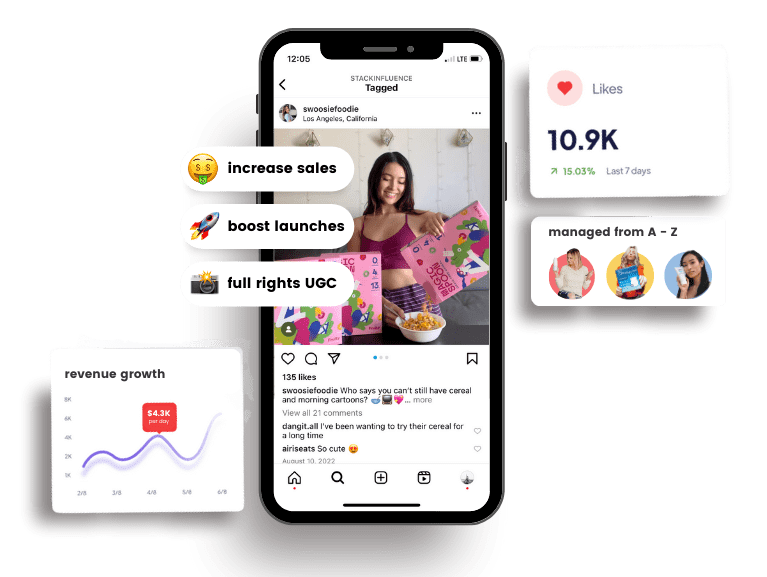
Perhaps the most valuable thing micro-influencers create is content – specifically, user-generated content (UGC) that the brand can leverage. The photos, videos, reviews, and stories that influencers share aren’t just ads – they’re original content showcasing the product in a real-life context. The brand can reshare this content (with permission) on its own social channels, website, or even in ads, to provide social proof and authenticity. Remember, consumers trust content from real people significantly more than content from brands. And beyond being trustworthy, this content is often creative and diverse, giving marketers a stream of material to use. For example, if you have 50 micro-influencers each create an Instagram post about your product, you suddenly have 50 pieces of unique, authentic content – some could be unboxing videos, some before-and-after photos, some testimonial captions – which you can compile and use in email marketing, on your product pages, etc., to enrich your direct marketing efforts with social proof. (Studies have shown that UGC-based ads get higher click-through rates and lower cost-per-click than traditional ads, because they appear more genuine to viewers.)
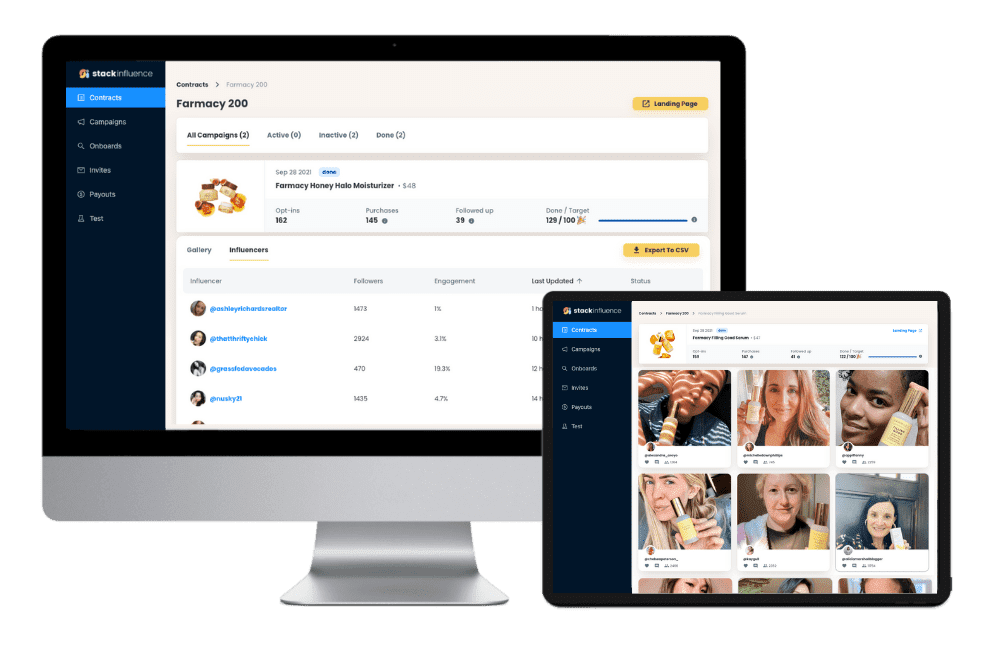
To sum it up, incorporating micro-influencers and UGC into your direct marketing strategy can amplify results. You’re essentially harnessing word-of-mouth at scale with the precision of direct marketing. A platform like Stack Influence, for example, specializes in helping brands (including Amazon sellers) run micro-influencer campaigns and manage the process of seeding products to a network of content creators to generate lots of authentic UGC and reviews. By using such platforms or doing outreach yourself, even a small business can have dozens of micro-influencers directly spreading the word about its product to exactly the right people – which is the heart of what direct marketing is all about.
As a casual illustration: imagine you sell eco-friendly yoga mats online. Traditional ad approach: you run a Facebook ad targeting yoga enthusiasts – that’s direct marketing via social ads. Now add micro-influencers: you gift your mats to 20 micro-influencers who are yoga instructors or fitness bloggers. They each post Instagram Reels demonstrating a yoga routine with your mat, talking about its benefits, and telling followers where to buy (with a promo code). Those posts reach a combined 100k highly relevant followers and feel like personal recommendations. Some followers tag friends (“hey, check out this mat!”), some use the promo code on your website – you not only get sales but also tons of content and brand awareness in the yoga community. This micro-influencer-driven campaign cost you maybe 20 free mats and a bit of coordination time, but the return could be dozens of new customers and user content you can reuse in emails or on your site. That’s the magic of blending influencer marketing with direct marketing tactics.
Why do marketers love direct marketing? There are several big advantages to this approach:
All these benefits make direct marketing a powerful part of a company’s overall marketing mix. When you allocate your budget and efforts into channels that directly reach the right people with the right message, you’re likely to see efficient results. As marketing advisor Seth Godin famously said, “Don’t find customers for your products, find products for your customers.” Direct marketing embodies that idea by focusing on the specific customers and shaping marketing around them, rather than casting a wide net and hoping for the best.
While direct marketing has many strengths, it’s not without its challenges and drawbacks. It’s important to be aware of these potential downsides so you can mitigate them in your strategy. Here are a few disadvantages of direct marketing:
In weighing pros and cons, it’s clear that direct marketing needs to be executed thoughtfully to reap the benefits and minimize the downsides. By ensuring your contact lists are opt-in and well-targeted, personalizing content, not over-messaging, and integrating social proof where possible (for instance, including customer reviews in an email, or leveraging influencers as discussed), you can address many of these disadvantages. Direct marketing is a bit like a scalpel – extremely effective in the right hands and for the right job, but one should handle it with care to avoid unintended pain points.
Direct marketing, at its core, is about connecting with your customers in a personalized, immediate way – whether through a screen, a phone call, or face-to-face. In 2025 and beyond, this approach remains as powerful as ever, even as the channels and tools evolve. Businesses that master direct marketing are able to build genuine relationships with their audience and drive action in a very cost-effective manner. By focusing on micro-targeted strategies – like segmenting your email list for tailored offers, or partnering with micro-influencers to reach niche communities – you ensure that your marketing efforts resonate with the people most likely to convert. As we’ve seen, the rise of social media and influencer culture has opened new doors for direct marketing: content creators and micro-influencers can now deliver your brand message directly to engaged consumers with a level of authenticity that traditional ads struggle to match.
For influencers, content creators, and business owners alike, understanding direct marketing is crucial. If you’re a brand, think about how you can make your outreach more personal and dialogue-oriented – perhaps by starting a conversation in a DM rather than just broadcasting an ad. If you’re an influencer or creator, you are effectively a direct marketing channel for the brands you work with, so maintaining trust with your audience is key to keeping that channel effective. And if you’re an Amazon seller or e-commerce entrepreneur, don’t be discouraged by the platform’s limitations (like not owning customer emails by default); instead, get creative with inserts, social communities, and influencer collaborations to establish those direct lines of communication with your customers.
In summary, what is direct marketing? It’s the art of reaching people personally and persuasively. It’s as much a science of data as it is an art of understanding human behavior. Mastering direct marketing empowers you to cut through the noise of the modern marketplace and say to your customer, “Hey, we have something you’ll love, just for you” – and that’s a message everyone appreciates when done right.

By William Gasner
CMO at Stack Influence
William Gasner is the CMO of Stack Influence, he’s a 6X founder, a 7-Figure eCommerce seller, and has been featured in leading publications like Forbes, Business Insider, and Wired for his thoughts on the influencer marketing and eCommerce industries.
Want new articles before they get published? Subscribe to our Awesome Newsletter.
111 NE 1st St, 8th Floor
Miami, FL 33132



© 2025 Stack Influence Inc
© 2025 Stack Influence Inc
The post What Is Direct Marketing? Definition, Examples, and Modern Strategies appeared first on Stack Influence.




