


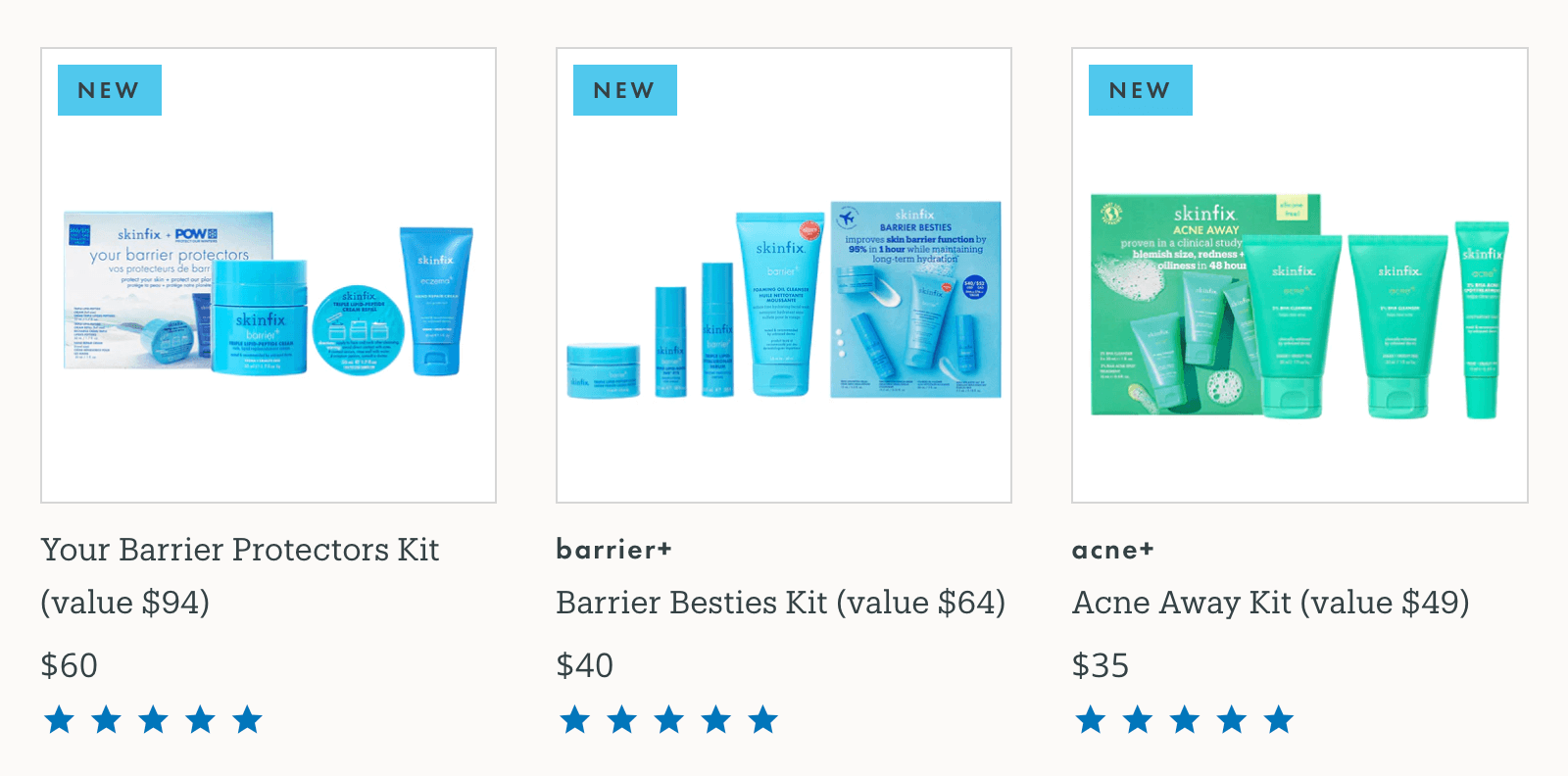
So many products exist today that are best used when combined with other products. Take skincare, for example. Influencers boast their multi-step skincare routines because glowing skin isn’t usually the result of just soap and water. Beauty products are often bundled together so that consumers can take care of all aspects of their skincare, without missing a step.
There are many other verticals that utilize product bundling. It’s an easy way for merchants to offer useful packages to their customers, leading to higher average order values (AOV), more sales, and happier customers.
In this blog, we’ll explore what exactly product bundling is and the benefits of bundling, including different types of product bundling and the various strategies for success. Merchants will walk away with more knowledge about product bundling—plus learn how they can effectively incorporate it into their business. And with the right subscription management solution, product bundles can be created simply, with little extra effort on the backend by merchants.
Key takeaways
So, let’s start with the basics. Product bundling is when several products are put together and sold at one price, instead of as individual products and purchases. It allows merchants to combine multiple SKUs into one product, leading customers to buy more products without even thinking about it. When the same products are sold separately, there’s more pressure on the customer to search for multiple products that are sold individually, and add each of them to their cart.
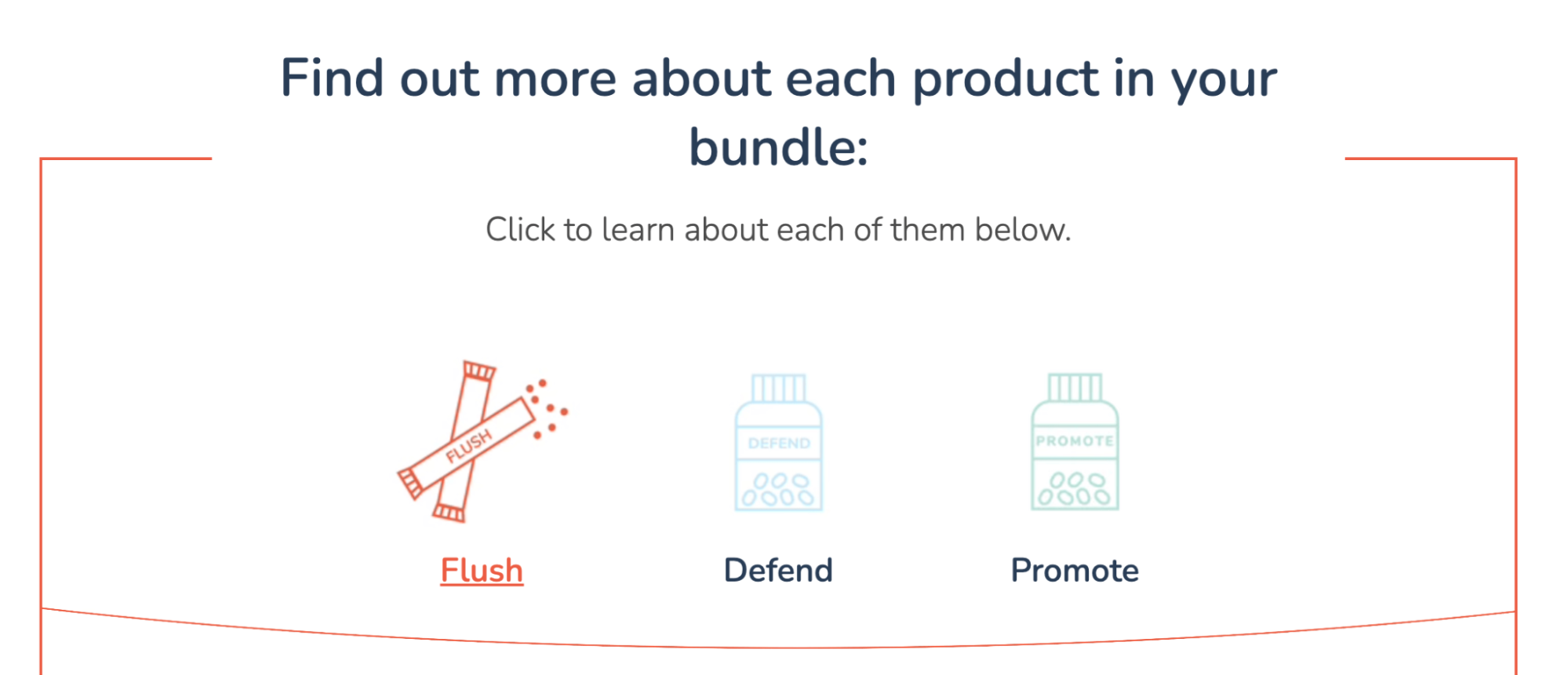
Take Uqora, for example. Their urinary tract health products can be used separately, but are more effective when used together. So, they created a three-part regimen which they sell as a product bundle. If a customer doesn’t feel they need all three products, they also have bundles with two products, or offer each product separately.
There are many different types of product bundling, which we’ll explore further below. But first, let’s discuss some of the benefits of product bundles—many of which offer a strong argument for adopting product bundling if you haven’t already.
Customers often buy more products when they’re grouped together, which leads to a boost in AOV. Better yet, merchants can create data-driven bundles, or bundles of products that have historically been purchased together. This takes away any guesswork on the customer’s end and leads to bigger purchases, even when you offer discounted bundle pricing.
When you create product bundles, it means less of a marketing lift because products can be marketed together as a group, instead of marketing items individually. Plus, when you create custom bundles and market them together, you’ll naturally drum up curiosity for all of the products included in the bundle. So, even if customers do decide to purchase the items individually, it’ll be due to your marketing efforts on your bundled products.
Curating a grouping of products for your customers removes the work they would have to put in to make their own product bundles. Encourage customers to try new products through a bundle, and use customer data to create the right product bundles. These data-driven bundles will make the shopping experience that much smoother and more enjoyable for your customers.
There are many advantages of product bundling, for the merchant and for the consumer. By knowing the upside to product bundles for your customers, you can properly advertise bundles to make them appealing based on shoppers’ wants and needs. Continue reading to learn more about two of the best advantages product bundling offers to customers.
As a merchant, you can lower marketing and distribution costs when you introduce product bundles. This is also an advantage for the customers—they’ll receive fewer packages than if they continued to order items on their own. Selling product bundles means that you can streamline the shipping process, helping out the environment and giving your customers fewer packages to keep track of.
One of the biggest advantages of bundling for customers is that it gives them the opportunity to buy complementary products together. Some customers might not realize that one of your products works well when used with another, like in the case of skincare products or vitamins and supplements. Offering product bundling gives them a natural opportunity to learn about more of your products and the ways in which they work together.
At this point, you’ve learned all about product bundling and its advantages for both merchants and customers. Now, let’s cover the different types of product bundles out there, so you can find inspiration for your own product bundling strategies.

Once you’ve created product bundles—based on the different bundling types listed above—with special bundle pricing, the next question is usually, how do I sell them? And what’s the best way to market new product bundles? Here are some ideas:

Creating product bundles doesn’t have to be hard. With the right product bundling strategy and the subscription management software to back it up, you can start offering bundles in no time. Your customers will be pleased with the ease of the shopping experience, while your store has the opportunity to naturally increase AOV and get rid of stock at a faster rate.





