


How do you choose which hoodie to sell on your store? Give the people what they want – comfort and warmth – by offering the hoodies made from the softest material.
This guide shows you how to find a customer-favorite hoodie material. We’ll compare the softest, most durable fabrics made from materials like cotton, fleece, and polyester blends.
From insulation to ease of care, learn how to pick the best fabric for hoodies to keep customers coming back for more, and design your custom hoodie today.

The softest hoodie fabric balances comfort and ease of care.
Cotton or fleece hoodies offer exceptional comfort and moisture-wicking properties – perfect for those looking for athletic wear.
Premium high-quality cotton can elevate your brand and enhance customer satisfaction. Meanwhile, cotton-polyester blends provide comfort and longevity without breaking the bank.
Ultimately, picking the best hoodie materials depends on your customers’ budget and goals.

Consider these factors when choosing hoodie fabrics.
Natural fibers like high-quality cotton deliver exceptional softness, while cotton-polyester blends add durability, flexibility, and shape retention and still feel gentle on the skin.
French terry and fleece fabrics offer a textured appearance without sacrificing softness.
Choose materials based on the intended use to make sure your hoodies retain their shape and serve their purpose. Cotton, polyester, and other synthetic fibers keep your hoodies intact.
For example, workwear and athletic wear hoodies must be durable and good at wicking moisture to withstand sweat and long-term wear.
Jersey hoodies for school and sports teams require resilient materials to endure daily use and frequent washing.
Inexpensive hoodies with long-lasting fabrics that minimize fading, pilling, and stretching are ideal for building customer loyalty.
The best material for hoodies keeps you warm while preventing overheating.
Moisture-wicking properties in a French terry fabric and fleece knit fabric help regulate body heat – this balances breathability and insulation that’s perfect for colder climates.
Customers love hoodies that are easy to wash and maintain.
Materials like jersey fabric are wrinkle-resistant and absorb sweat for everyday convenience.
Choosing the right hoodie material can make all the difference between a cozy favorite and a scratchy disappointment.
Whether you’re designing for comfort, warmth, or style, understanding the nuances of different fabrics is key.
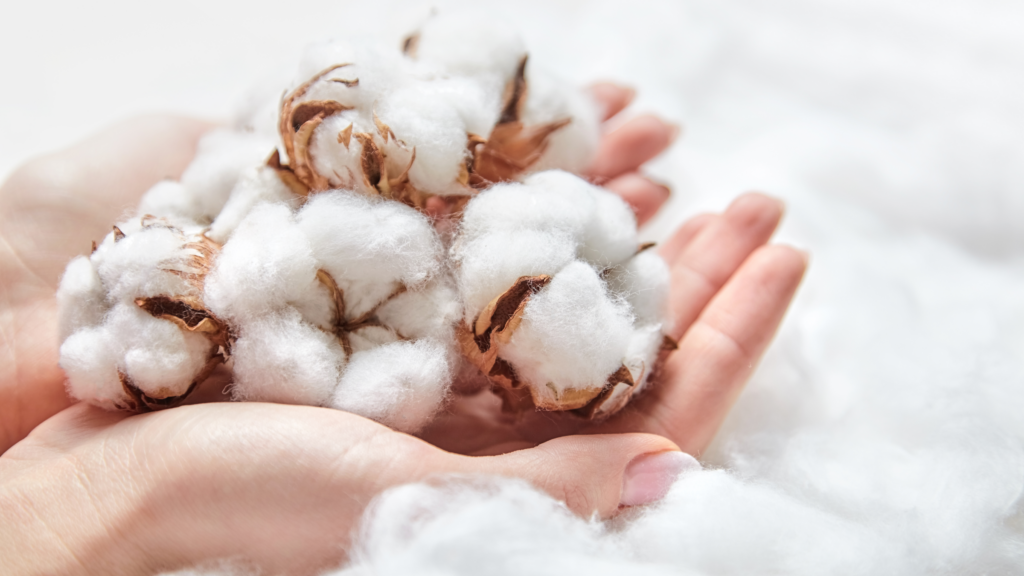
This natural fiber is a beloved classic – it’s soft, breathable, and comfortable against the skin. Cotton is a more sustainable choice for those who value eco-friendly materials.
Whether in pure form or cotton-poly blends for extra durability, cotton hoodies offer comfort that’s hard to beat.
Types of cotton for hoodies
Why we love cotton hoodies
Cotton fibers are known for their softness and comfort, making them ideal for sensitive skin. Unlike some synthetic fabrics that may feel restrictive, cotton is breathable and gentle.
With proper care – like washing on a gentle cycle and skipping the dryer – cotton hoodies can last for years while maintaining their color.
Cotton is also excellent for printing, especially with the direct-to-garment (DTG) method, resulting in vibrant, detailed designs that stand out.
Best hoodie material for:

If you’re looking for a hoodie fabric that feels like a wearable blanket, fleece is your best bet. It’s the best sweatshirt material for colder weather.
Types of fleece for hoodies
For an ultra-soft, medium-weight option, the Bella+Canvas Unisex Sponge Fleece Pullover Hoodie is a great choice. Try the Lane Seven Three-Panel Fleece Hoodie or Gildan Unisex Midweight Softstyle Fleece Hoodie for cozy warmth and style.
Why we love fleece fabric
People wear fleece to keep warm. Its soft texture and quick-drying properties make it suitable for both lounging and light outdoor activities.
Fleece hoodies are also low-maintenance, making them a reliable staple for winter wear.
Best hoodie material for:
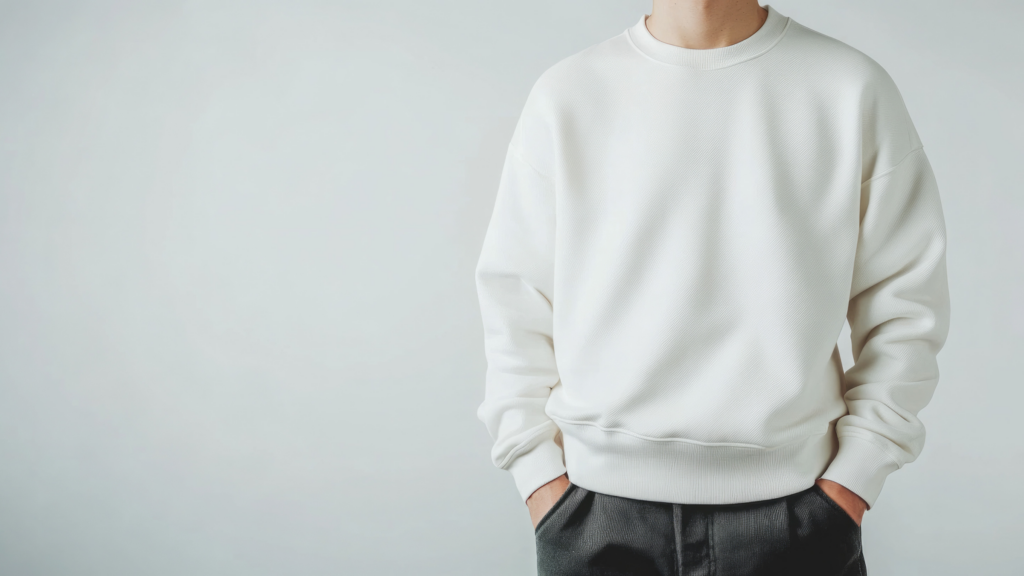
French terry is a favorite for those looking for softness without the bulk.
Known for its unique looped interior, this fabric feels smooth on the outside with a subtle texture on the inside. The tightly knit fabric is breathable, making it an ideal choice for layering or wearing in mild weather.
Why we love the French terry hoodie fabric
French terry cloth offers a perfect balance between comfort and functionality. The loops on the inside help absorb moisture to keep you dry, while the smooth outer surface provides a clean, classic look.
It’s not as warm as fleece, but it is lightweight and breathable, making it versatile enough for year-round wear.
Best hoodie material for:

Tri-blend fabrics are made from the best hoodie materials combined for an ultra-soft texture and a stylish look.
Tri-blends balance comfort, breathability, and durability. They’re typically made from a mix of cotton, synthetic fabric like polyester, and semi-synthetic fabric like rayon or elastane.
Popular tri-blend hoodie fabric combinations
Why we love tri-blend fabric for hoodies
The cotton in tri-blend hoodies adds a slight moisture-wicking ability, while polyester keeps the hoodie lightweight and quick-drying.
Rayon or lycra gives the fabric a smooth finish, allowing it to drape naturally and maintain shape over time. With less insulation than thicker fabrics, tri-blends make the perfect light summer hoodie.
Best hoodie material for:
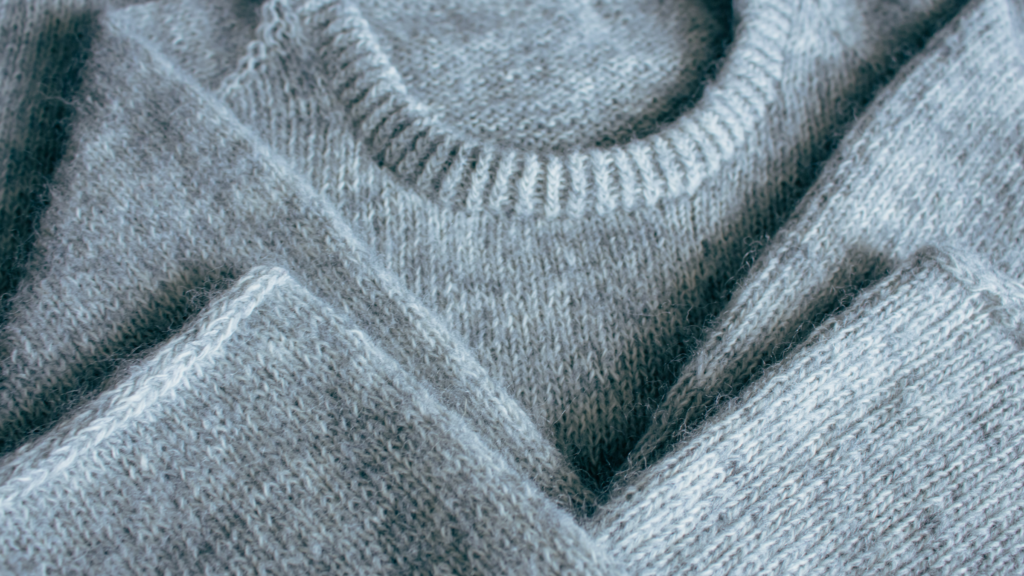
Cashmere and wool blends are the epitome of a luxury hoodie fabric. These fibers provide a soft, plush feel that’s mostly popular among high-end brands.
Characterized by its fine texture, cashmere combines beautifully with wool for added insulation – resulting in an elegant winter fabric.
Why we love cashmere and wool blend hoodies
The natural knit fabrics help wearers stay comfortable without overheating. However, their delicate nature means these blends require careful handling to maintain their luxurious quality over time.
Best hoodie material for:
Choosing the best fabric material for hoodies starts with understanding your target audience and the hoodie’s intended use.
By carefully matching fabric properties to customer needs, you create soft hoodies that your audience will love, enhancing satisfaction and fostering brand loyalty.

Make sure customers can keep wearing your hoodies for years by recommending gentle care practices to help maintain hoodie softness and durability.
Advising customers to wash hoodies on a gentle cycle, use mild detergent, and air dry rather than tumble dry can prevent shrinkage, pilling, and fading.
For cotton blends or synthetic materials, a fabric softener can enhance comfort without compromising quality.
Pro tip
A hoodie’s durability will keep customers coming back. All the hoodies in our Catalog have care instructions that you can share with your buyers.
From cotton blends and jersey fabric to knit fabric options and durable synthetic fibers, these hoodie materials offer unique benefits in terms of softness, durability, and comfort.
Whether you’re looking to create cozy winter wear or lightweight, breathable options, understanding these fabric qualities will help you make the best choice for your brand.
Now it’s time to take the next step! Explore fabric samples, research trusted brands, and start designing your own soft, high-quality hoodies with Printify that customers will love.
The post What is the softest material for hoodies? appeared first on Printify.





