

Your packaging is the first physical thing a customer touches. A sticker that peels, fades, or misregisters does not just look cheap — it tells your customer something about how much you care about the details.
Sticker production can look straightforward from the outside, but the work behind a quality label is layered and precise. Brands that depend on decals, labels, and branded stickers understand how quickly small flaws chip away at customer perception. Dependable manufacturing pulls together material science, print technology, inspection habits, and skilled hands. This article walks through what actually makes sticker production trustworthy and worth the spend for any business.
Material choice sits at the core of every dependable sticker. Vinyl, polyester, paper, and specialty films each play different roles. Outdoor use calls for weather-tough substrates that resist UV rays and moisture. Indoor work usually favors softer finishes paired with gentler adhesives. Careful producers test material batches before committing to full runs, which keeps quality even across jobs.
Adhesive performance carries the same weight as the face stock above it. Permanent glues hold up well on industrial labels, while removable versions fit short-term promotional work. Mismatching an adhesive with a surface often leads to peeling corners, sticky residue, or curled edges in a matter of weeks. A trusted sticker manufacturer spends time pairing substrates, glues, and finishes with the intended end use. Planning that carefully up front protects the final product and spares clients from expensive reprint cycles.
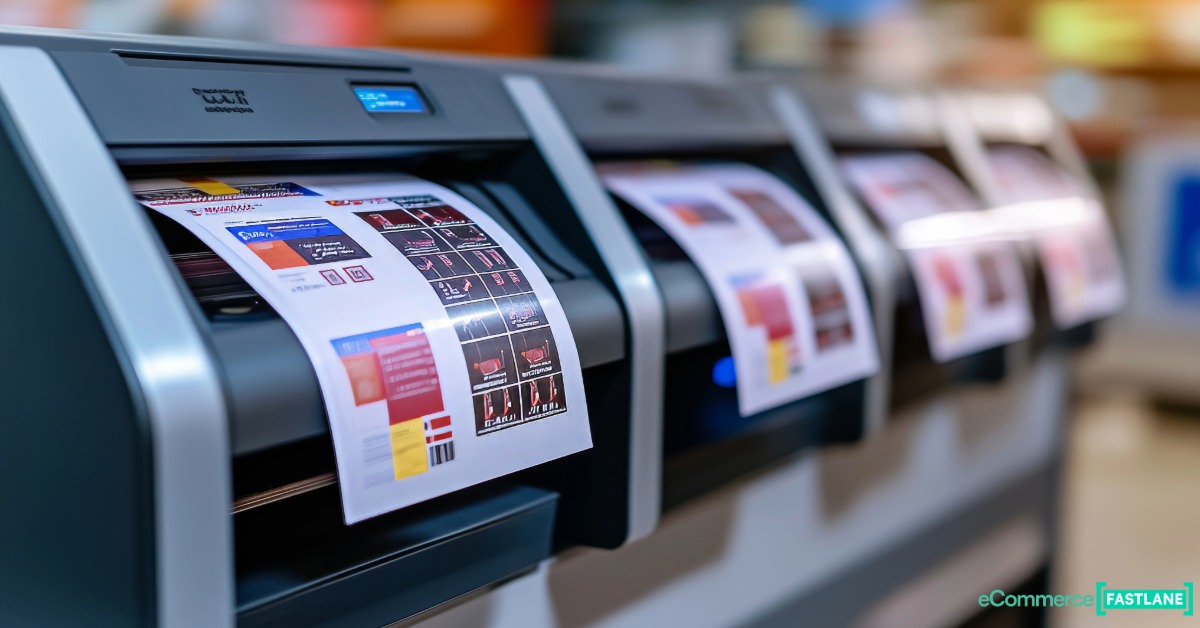
Press equipment shapes everything a finished sticker looks like. Digital, flexographic, and screen printing each carry their own strengths. Digital presses handle short runs and variable data with real efficiency. Flexo earns its place on high-volume jobs where speed and per-unit cost drive the decision. Screen printing still wins for bold color blocks and thicker ink deposits.
Color accuracy is what separates average output from professional-grade work. Printers running calibrated presses and color management software hit brand shades reliably across repeated jobs. Registration, which describes how tightly each color layer lines up, also affects visual sharpness. Tight registration keeps small text readable and artwork crisp, even on compact labels.
Quality checks cannot be saved for the end of a production run. Dependable facilities inspect work during prepress, mid-run, and post-production stages. Operators catch trouble like color drift, ink smudging, or misregistration before a full batch gets ruined. This layered habit trims waste and keeps delivery promises intact.
Modern plants rely on camera-based inline inspection that scans every label as it travels through the press. These systems flag defects on the fly so operators can pause and correct quickly. Human review still carries real value, since seasoned staff pick up on subtle texture or finish issues that cameras occasionally let slip through.
Finishing adds the final personality to a sticker. Lamination, embossing, foil stamping, and varnishes each change how a label feels and how it performs in daily use. Matte laminates cut glare, while gloss options deepen color richness. Specialty coatings can add scratch resistance or waterproofing, both of which matter a lot for product packaging.
Die-cutting precision defines the finished sticker’s shape. Laser cutting and rotary dies each bring different advantages. Laser cutting manages intricate profiles without the expense of a custom die. Rotary dies move faster on large, repeating jobs. Clean edges with zero jagged spots suggest well-maintained equipment and operators who have been properly trained.
Machines by themselves cannot guarantee a good sticker. Trained press operators who read color bars, adjust web tension, and troubleshoot mid-run issues make the sharpest difference. Workflow software supports them by tracking jobs from order entry through shipping, keeping production staff aligned on specs and dates. Shop floors that blend automation with experienced talent tend to deliver stronger results.
Clients now care a lot more about environmental impact. Recyclable liners, compostable face stocks, and water-based inks have moved into mainstream production lines. A reliable maker measures waste output, recycles trim material, and sources supplies from audited vendors. Sustainability efforts also resonate with end shoppers who study packaging before buying. Building these habits into everyday workflows keeps a plant ready for shifting rules and buyer expectations.
Processes stretch well beyond the production floor. Clear updates on proofs, revisions, and delivery windows keep projects moving on schedule. Shops that share real-time job status help clients plan launches and restocks with full confidence. Predictable turnaround often matters as much as print quality, especially for seasonal pushes or tight retail rollouts.
Effective sticker manufacturing rests on careful choices at every stage, from raw material sourcing to final packaging. Inspection habits, skilled operators, current equipment, and open communication all work together to deliver reliable output. Brands that team up with producers who take these pieces seriously walk away with stickers that look sharp, last longer, and carry their identity well. Picking a thoughtful production partner keeps paying off in the finished product.
The best material depends on the application. Vinyl and polyester are the strongest choices for outdoor use, product labels that face moisture or temperature changes, and surfaces that need long-term adhesion. Paper face stocks work well for indoor packaging and inserts where durability demands are lower. A reliable sticker manufacturer will help you match the substrate and adhesive to your specific surface and use case before committing to a production run.
Ask whether they inspect at prepress, mid-run, and post-production stages rather than only at the end of a job. Manufacturers with inline camera-based inspection systems catch defects in real time rather than after a full batch is compromised. Experienced press operators who actively monitor color bars and registration throughout a run are an equally important signal. A supplier who can walk you through their inspection process in specific terms is one worth trusting.
Digital printing is the most efficient choice for short runs, variable data, and designs that require fast turnaround without tooling costs. Flexographic printing is built for high-volume production where per-unit cost and speed are the priority. Screen printing delivers the thickest ink deposits and the most vibrant solid color blocks, making it the right choice when color intensity and tactile texture matter most. The best option depends on your run volume, design complexity, and budget per unit.
Die-cutting determines the final shape of a sticker and the cleanliness of its edges. Jagged, torn, or inconsistent edges are immediately visible to customers and signal low production standards. Laser cutting handles complex custom shapes with precision and no tooling cost. Rotary dies deliver speed and consistency on large repeating runs. Either way, clean edges with no visible imperfections are the clearest indicator of well-maintained equipment and skilled operators.
Increasingly important, especially for DTC brands whose customers actively evaluate packaging materials before purchasing. Recyclable liners, compostable face stocks, and water-based inks are now widely available from quality manufacturers. Beyond customer expectations, sourcing from a supplier with documented sustainability practices and audited vendor relationships signals operational discipline that tends to correlate with better quality control and more reliable delivery performance overall.
Look for manufacturers who provide proactive updates at each stage: proof approval, revision cycles, production start, and shipping confirmation. Real-time job status visibility helps you plan launches and restocks without guessing. Predictable turnaround windows with a track record of meeting them matter as much as print quality for ecommerce brands managing seasonal inventory and retail deadlines. A supplier who goes quiet between order and delivery is a liability regardless of how good the final product looks.





