



Tracy Puckett
Content Marketing Manager
Reading Time: 5 minutes
If you run a small or medium-sized business (SMB) and appealing to Generation Z isn’t on your radar, it’s time to start thinking about what makes them tick.
You may wonder why the whims of someone as young as 11 years old matters to your ecommerce business. But they do.
Gen Z is the largest generational cohort alive, meaning they either directly drive or influence a lot of global spending.
Who is this generation? What motivates them? And what can you do as an SMB to connect with them?
Integrate your subscriber list to Google Retargeting Ads for a relevant message every time! Try Omnisend free for 14 days!
There’s no exact science in distinguishing one generation from the next. But in general, marketers have settled on defining Gen Z as those born between 1996 and 2010. The youngest are 11, making their way through primary school years. The oldest are 25, carving out their professions in the workforce.
As a group, they make up 20% of the U.S. population and 27% worldwide. As of 2020, they accounted for 40% of total U.S. consumers, spending $143 billion yearly.
Bo Finneman, partner at McKinsey & Company, says Gen Z are considered core influencers “that have a really big
Those on the older end of the spectrum are already establishing themselves as young adults and spending their hard-earned money. And the younger set—children primarily of Gen Xers—have a prominent role in impacting where their parents’ money goes. In fact, 87 percent of parents said Gen Z children influenced purchases made in 2019.
For those with purchasing power and independence to choose where their money goes, HubSpot found they will spend on the following five things.
Even if your business doesn’t fit any of the above niches specifically, it’s important to ask yourself: How can my products or services support Gen Z’s priorities?
To capture Gen Z’s attention, it’s essential to first understand them.
These are digital natives. Unlike Millennials of the generation before, they were born into a world humming with rapid technological innovations and social media. It means they expect a seamless shopping experience, whether it’s online or at a physical location, and shun impersonalized messaging that comes across as pandering to the masses.
Their digital adeptness means they are also highly skilled at digging for information.
“They are able to sift through institutional messages, to filter out excess noise, and to identify voices they can trust,” says Steph Wissink, managing director and consumer research analyst at Jefferies, going on to say that this generation of consumers is calling on brands to be transparent.
Finneman, of McKinsey, says there’s a push among Gen Z for greater corporate responsibility.
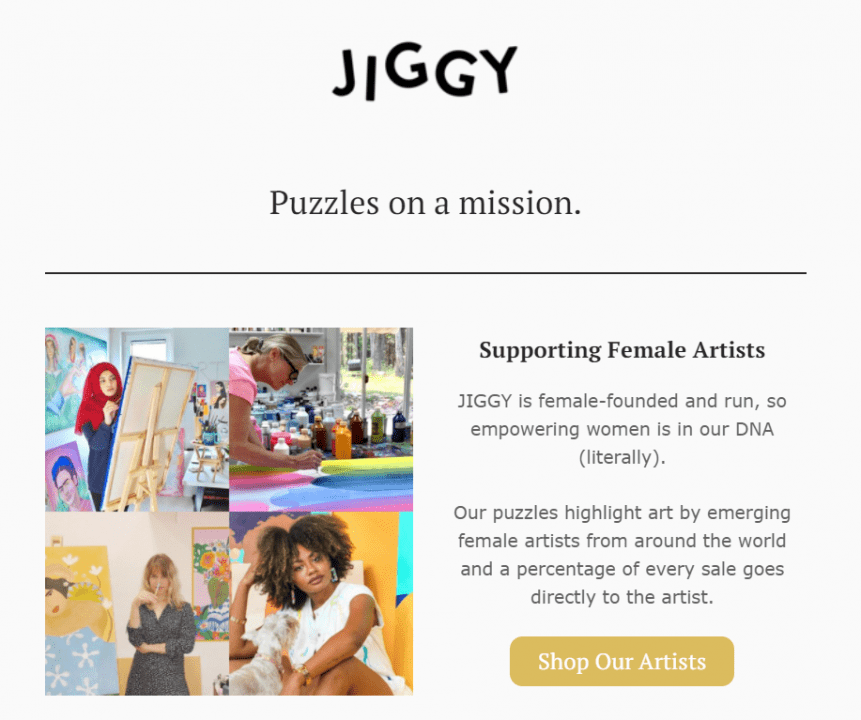
“They’re looking beyond tangible products and actually trying to understand what is it that makes the company tick,” he explains. “What’s its mission? What’s its purpose? And what is it actually trying to build for us as a society?”
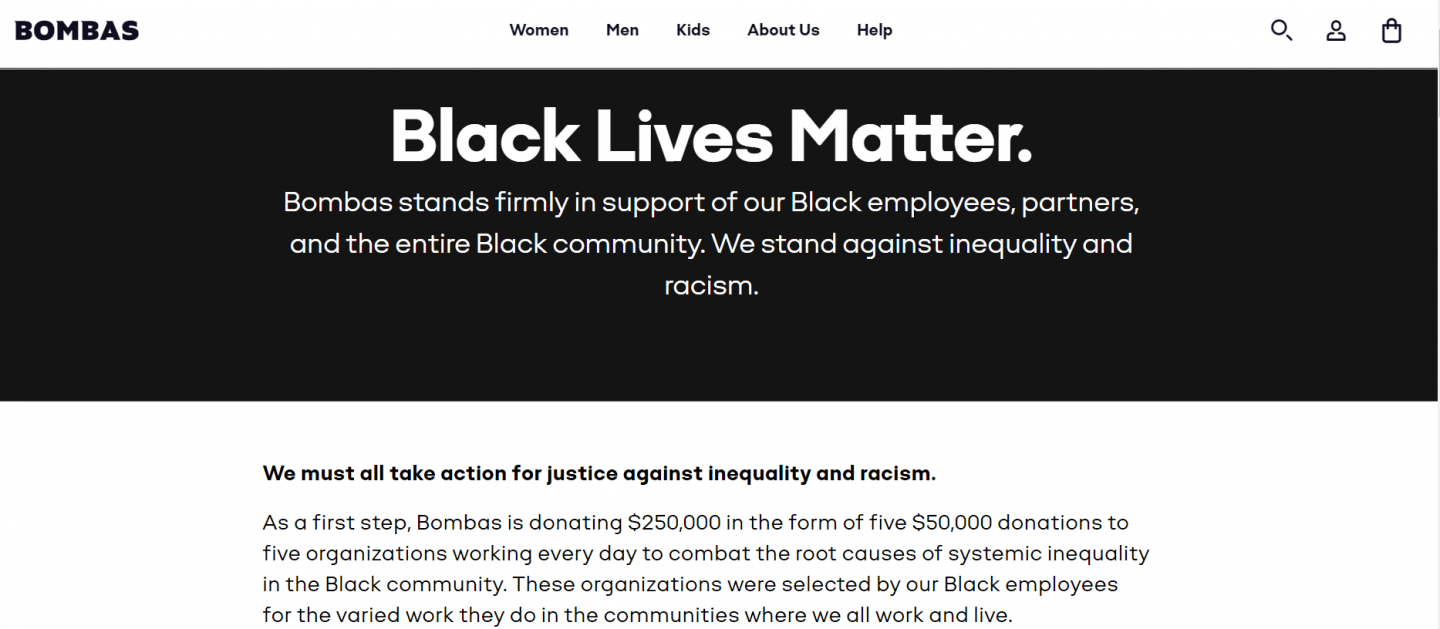
Social uprisings over the last few years, such as #MeToo and #BlackLivesMatter, have grabbed their attention and pulled at their heartstrings. They want brands to take a stand; a company’s actions matter when it comes to social issues.
Per research from DoSomething Strategic, 53% of young people said they have purchased a brand/product to show support for the issues the brand supported. And 40% have stopped purchasing if the company stood for something or acted in a way that didn’t align with their values.
They have grown up amid some economic instability—think the 2008 financial crisis—shaping their conscientious stance around spending. Therefore, they’re typically financially savvy and focused on ensuring their purchases are of value.
With this general profile, SMBs should consider the following when engaging with Gen Z:
On the flip side, there are definitely some things we recommend you don’t do when trying to establish a relationship with Gen Z. You might just turn them off from your brand:
With an understanding of the societal factors that have shaped Gen Z and their outlooks, marketers have greater insights into what companies can do to earn their trust and business.
We’re not saying that every individual within this age group fits the above profile to a T. But with so many distinct and widespread characteristics, it’s a good idea to examine your messaging and adjust if you’re trying to connect.
Their sheer number and buying power, in comparison to the overall population, should be motivation enough.
Improve your target messaging and reach Gen Z with Omnisend’s suite of features. Try a free trial today.





