

Everyone knows that Salesforce is a powerhouse when it comes to CRM platforms, it is trusted by businesses worldwide to manage their customer relationships.
But even the best tools have their limitations, and one area where many Salesforce users struggle is lead management.
Despite its robust features, matching leads accurately to the right accounts feels outdated, especially as your business continues to grow and evolve in 2025.
As B2B organizations get more leads, accurately matching them to the right accounts becomes challenging.
Lead-to-account matching software addresses this problem by automating the process, ensuring consistency of data, and streamlining workflows.
Let’s explore why Salesforce Users Need Lead-to-Account Matching Software in 2025
Lead-to-account matching is all about matching or say connecting incoming leads to accounts, existing within your Salesforce CRM. Instead of treating leads as single records, this method links them to the broader account context, providing a more complete view of customer interactions.
By doing this, sales and marketing teams can work effectively together, nurture leads better, and engage with them using a comprehensive view of all touchpoints.
In short, this approach helps align teams and boost overall lead management within Salesforce, making it a crucial tool for 2025 and beyond.
When evaluating tools, consider these must-have features:
For Salesforce users, lead management is critical to maintaining smooth operations and delivering better customer experiences. However, without effective salesforce lead-to-account matching capabilities, businesses face several challenges that can disrupt workflows and impact revenue generation.
Below are some of the most pressing obstacles of Salesforce Lead-to-Account Matching:
Salesforce lead to account matching capabilities often rely on exact matches, such as email domains or account names. This rigid approach struggles to handle fuzzy or incomplete data, which is common when dealing with large and diverse datasets.
Native functionality lacks the flexibility to accommodate unique business rules or industry-specific workflows. This can be a major roadblock for companies with specialized needs or complex account structures.
When duplicate matches occur, users often have to sort them out manually. This not only takes up valuable time but also increases the chances of mistakes, leading to poor data quality and lower productivity.
Salesforce lead-to-account matching typically doesn’t happen in real-time. This delay can impact lead routing, slowing down follow-ups and potentially causing sales teams to miss critical engagement windows.
For businesses managing parent-child account relationships or multi-branch organizations, Salesforce’s standard features often fall short. The inability to map leads to the correct hierarchy can result in lost opportunities or miscommunication.
Salesforce’s L2A matching lacks robust deduplication features. This leads to data clutter with multiple records for the same lead or account, making it difficult to maintain clean and reliable datasets.
The native functionality doesn’t align well with advanced ABM strategies. Identifying and grouping leads associated with target accounts requires significant manual intervention or additional tools.
Here’s how lead-to-account matching software transforms your Salesforce experience:
To help Salesforce users find the best solutions for lead-to-account matching, we’ve evaluated top providers based on key factors like integration with Salesforce, core features, and scalability. Here are the top 5 providers to consider for 2025:
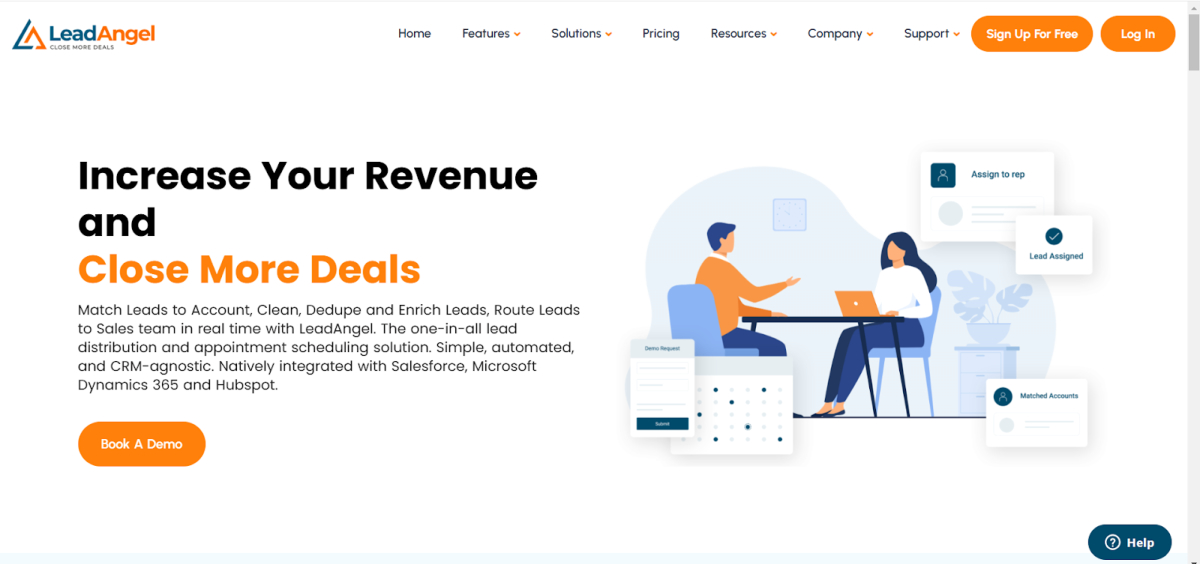
Source: LeadAngel.com
Key Features:
Scalability: Scalable for businesses of all sizes, from SMBs to large enterprises, with customization options tailored to various industries.

Source: LeanData.com
LeanData simplifies lead management by offering an efficient solution for lead-to-account matching and streamlining lead distribution. Seamless integration into Salesforce helps businesses improve lead handling and ensure the right leads reach the right people faster.
Key Features
Scalability: Ideal for businesses of all sizes, with customizable options for growth.
Source: Demandbase.com
Demandbase is a powerful platform designed for account-based marketing (ABM), focusing on lead-to-account matching and delivering valuable insights. It helps align sales and marketing teams by automating lead management and improving the customer journey.
Key Features
Scalability: Works well for both SMBs and large enterprises with flexible features.
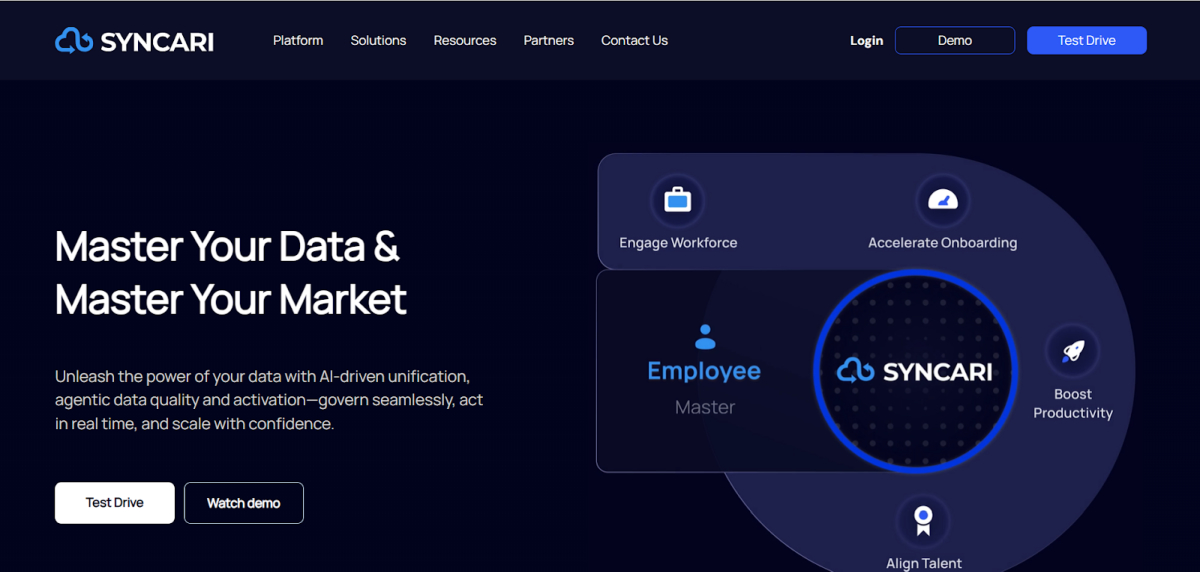
Source: Syncari.com
Syncari is a data automation platform that streamlines lead-to-account matching and syncs data across various systems. It helps businesses make quicker, smarter decisions by ensuring data is accurate and up-to-date in real time.
Key Features:
Scalability: Highly scalable, suitable for businesses from startups to large enterprises.
5. CM-Focus LLC
Source: CM-Focus.com
CM-Focus LLC offers a platform that excels in lead-to-account matching, multi-conversion processes, and attribution analytics. It ensures leads are correctly linked to accounts and provides valuable insights to enhance lead management and decision-making.
Key Features:
Scalability: Flexible solutions for businesses of all sizes, from SMBs to larger organizations.
Each of these providers excels in different areas, offering Salesforce users a variety of solutions to enhance their lead-to-account matching and improve data accuracy in 2025.
The business environment today in 2025 demands speed and accuracy followed by data-driven insights in every aspect. With automation advancements and evolving customer expectations, businesses can no longer afford drawbacks in lead management.
Investing in lead-to-account matching software this year ensures that Salesforce users stay ahead of their competition, and leverage ABM’s creative strategies successfully.
Lead-to-account matching software is no longer a simple option. It has become a requirement for all Salesforce users. This streamlining aid is friendly when it comes to lead management- productivity enhancement on the team and managing revenue opportunities that may otherwise go neglected.
By adding this technology to your Salesforce setup, you’ll stay ahead of the competition and set your business up for success in 2025. Whether you use LeanData or innovative solutions such as LeadAngel, the right tool will change how you approach leads and accounts. Don’t wait—make the switch now and elevate your Salesforce game.




