


When growth stalls for a DTC brand that already runs solid ads, the limiting factor is often the product itself—too easy to copy, too fragmented to feel like a brand, and not sufficiently developed to create a defensible sales barrier.
If your ads are competent but growth is still flattening, the most useful question is often not “What should we test next?” but “Is our product too easy to copy and too fragmented to feel like a brand?”
Many DTC brands know how to run ads.
They test Meta creatives. They adjust budgets. They try TikTok when the product has a visual hook. They use Instagram, Pinterest, and influencer content when the audience fits. They understand ROAS, creative testing, landing pages, and campaign structure.
But even with all of that, growth can still slow down.
Orders do not increase as expected.
The product sells, but not enough.
The ads are not terrible, but scaling becomes harder.
The margin gets thinner every time the brand tries to push harder.
When this happens, the first reaction is often to blame the ad account.
But in many cases, the problem is not the advertising strategy.
It is the product.
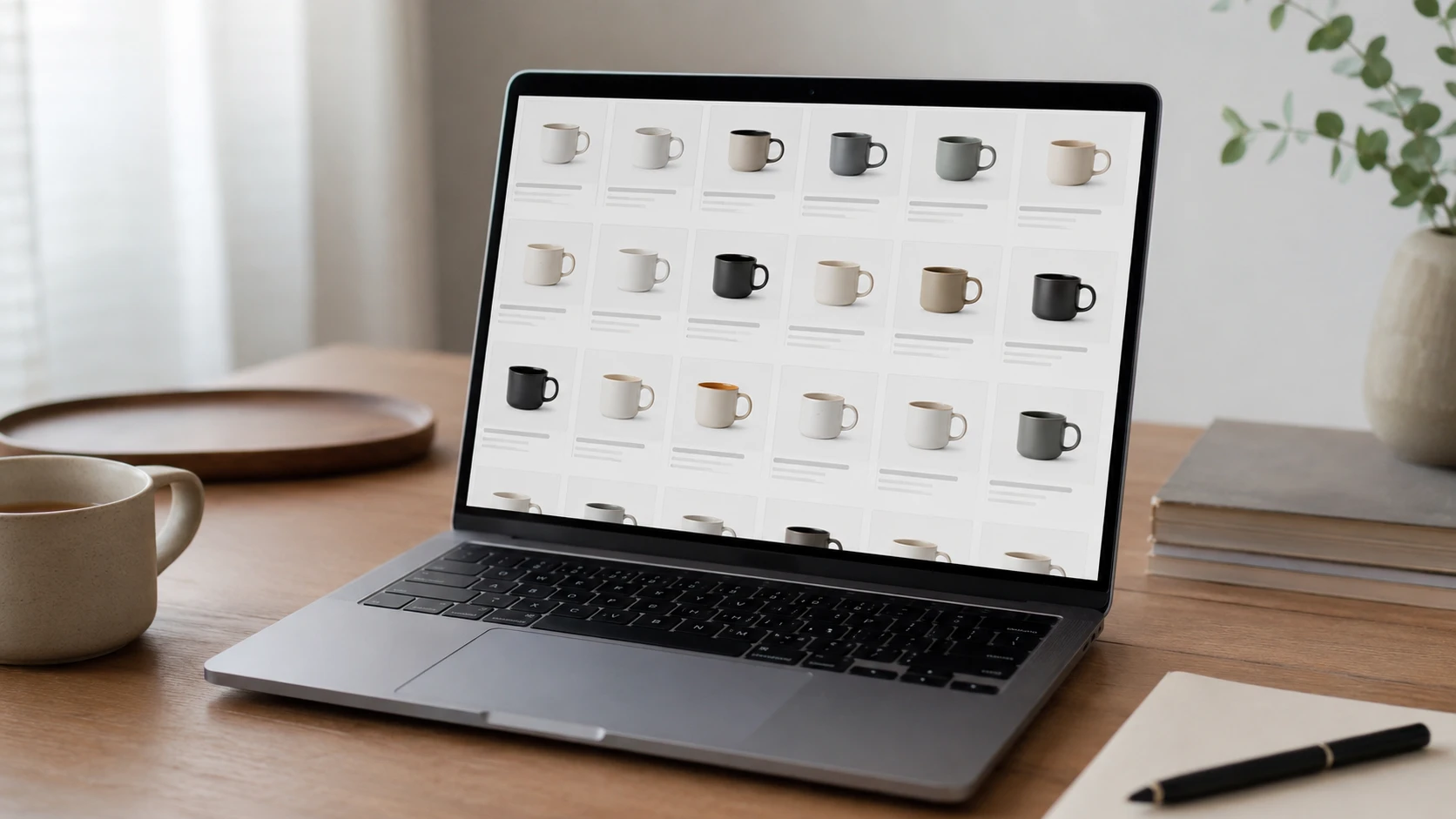
A large number of ecommerce sellers source products from the same places.
They use the same sourcing agents.
They browse the same Alibaba listings.
They check the same product research tools.
They watch the same TikTok trends, Etsy signals, Amazon rankings, and competitor stores.
This means many brands are not really choosing from a private product pipeline. They are choosing from a public product pool.
A seller may feel they have found a strong product. And for a while, that may be true. If they move early enough, test the right creative, and find a good angle, the product can perform well.
But the advantage is fragile.
Other sellers can often find the same supplier, order the same sample, use similar photos, and sell the same basic product with a slightly different landing page.
The product may still be good.
But the product has already lost part of its edge.
Once more stores enter the same space, the advertising environment changes. Customers begin to see the same type of product again and again. The offer becomes easier to compare. The conversion rate drops. Ad costs rise. Margin gets squeezed.
The phrase “winning product” sounds attractive, but many winning products are only winning because the market has not become crowded yet.
A product can sell well because it is early, underexposed, visually fresh, or simply not being pushed by many sellers. That early performance is useful, but it does not always mean the product can become a long-term brand asset.
Once the same product spreads across more stores, the customer starts comparing small differences:
Price.
Shipping.
Reviews.
Discounts.
Packaging.
The product is no longer special enough to carry the whole offer by itself.
This is where many Shopify stores get stuck. They keep testing new products, but each product has a short life. A strong product becomes a low-margin product. A low-margin product becomes difficult to advertise. Then the brand moves on to the next test.
The store may keep moving, but it does not build much memory in the customer’s mind.
A brand is not built only through logos, website design, or ad copy.
The product itself also speaks.
Its material, shape, color, finish, packaging, price point, and use case all tell the customer what kind of brand they are looking at.
This matters especially for homeware, gift, wellness, and lifestyle brands.
One month it sells a kitchen gadget.
The next month it sells a novelty lamp.
Then a home decor item.
Each product may have some potential, but together they do not create a clear identity.
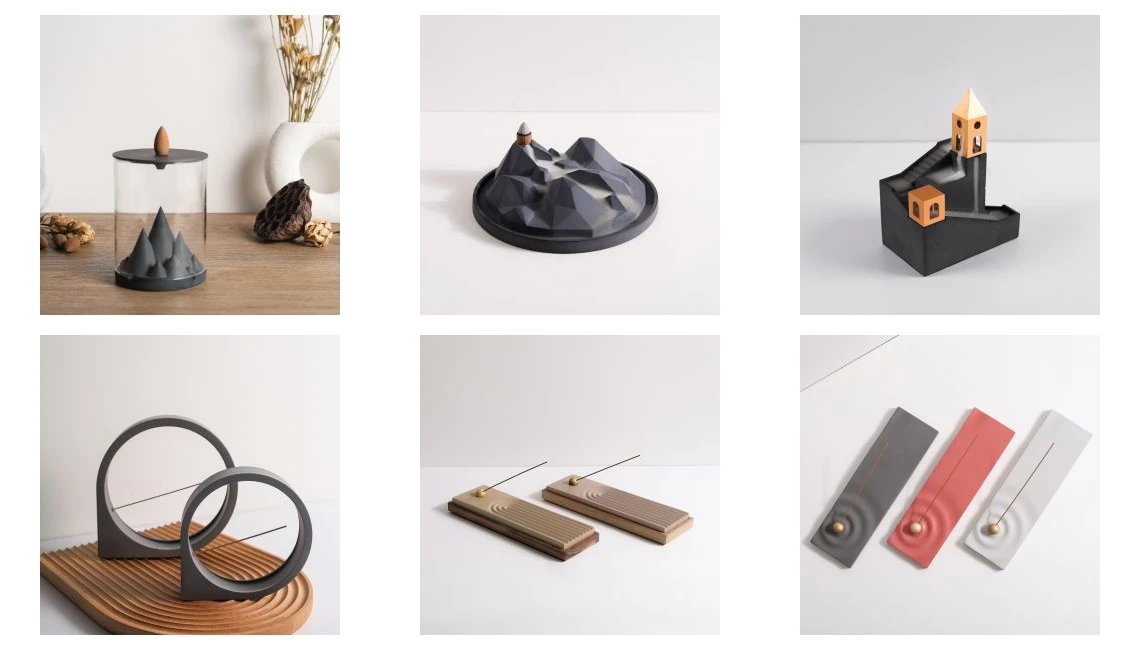
A stronger brand usually has a more consistent product language.
A minimalist home decor brand may focus on quiet shapes, neutral colors, and simple surfaces.
A slow-living tea brand may build around ceramic tea sets, warm textures, natural glazes, and gift-ready packaging.
A wellness gift brand may connect incense holders, aroma products, tea mugs, and small ceramic objects around calm daily rituals.
When product language is clear, marketing becomes easier.
Ads have a more consistent visual direction.
The website feels less scattered.
SEO content can build around stronger topic clusters.
Social media posts reinforce the same feeling instead of selling unrelated products every week.
Product development is not separate from branding. It is one of the ways a brand becomes recognizable.
When a product is sourced from an open marketplace, the barrier is low.
A competitor can often find the same supplier, order the same sample, use similar photos, and launch a similar offer quickly. If the product is already selling well, that attention comes even faster.
Product development changes that.
A developed product may have its own shape, artwork, packaging, accessory combination, surface finish, or product story. It may not be impossible to copy, but it is harder to copy quickly.
That difference matters.
If a competitor wants to follow, they need more than a product link. They need to understand the material, the mold, the finish, the supplier, the packaging, the production cost, and the quality standard behind the product.
Even small development choices can create a barrier:
A custom color that matches the brand’s visual system.
A shape adjusted for a specific use case.
A gift box that changes the perceived value.
A product set built around a certain lifestyle scene.
For DTC brands, this gives the product more room to breathe.
It can support a longer sales cycle. It gives the brand more time to collect reviews, create content, improve packaging, and build a stronger product story. It also reduces pure price comparison because the product is no longer exactly the same as everyone else’s.
Product development does not remove competition.
But it makes competition less direct.
For brands trying to move beyond short-term product testing, that is often where the real value begins.
Advertising can amplify a product. It cannot always save a product that looks the same as everyone else’s.
If the ads are already well managed but order growth is still limited, it may be time to look beyond the campaign dashboard.
Is the product too easy to copy?
Does the store feel like a brand, or just a collection of tested items?
The next stage of growth for many DTC brands will not come from finding one more short-lived winning product. It will come from building stronger product lines and better supply chains behind them.
Etanla works with homeware, gift, and DTC brands on ceramic product development, helping turn product ideas into manufacturable products and delivery-ready supply chain solutions. Learn more at Etanla.
Ads often stop scaling because the underlying product is too easy to copy or compare, not because the campaign structure is fundamentally broken. When competitors sell near‑identical items from the same public supply pool, conversion rates and margins naturally compress as customers focus on price and small differences instead of brand value.
A winning product is typically early, underexposed, or visually novel and performs well for a short period in a less crowded market. A long‑term brand asset is supported by product development, distinctive language, and stronger supply chains, making it harder to copy quickly and better suited to carry a brand narrative over time.
Product language contributes to brand identity by turning materials, shapes, colours, finishes, and packaging into a coherent visual and functional system. When the assortment feels like it belongs to one world—rather than many unrelated trends—customers recognise and remember the brand more easily and marketing becomes more effective.
Developing products is more defensible because it adds unique elements—such as custom shapes, colours, packaging, or sets—that competitors cannot replicate instantly with a single supplier link. This extra friction creates a sales barrier, supports longer sales cycles, and reduces pure price competition compared with generic sourced items.
DTC brands can move beyond short‑term product testing by defining a clear product language, choosing a few core product lines to develop more deeply, investing in supply chain and packaging for those lines, and aligning content around their use cases and rituals. This makes the store feel like a brand, not just a rotating catalogue of tests.





