





Why E-Commerce Needs a Social Media Talent Agency in 2026
10th
February, 2026
Social media has become a cornerstone of brand marketing, especially for e-commerce entrepreneurs and Amazon sellers looking to stand out. In 2026, more brands than ever are investing in influencer marketing and user-generated content (UGC) to drive authentic engagement. However, coordinating hundreds of micro influencers and content creators can be overwhelming for a business. This is where a social media talent agency proves invaluable. These agencies specialize in connecting brands with the right influencers and managing campaigns that boost ROI through trusted, peer-like recommendations. The result? Higher customer trust, more UGC, and ultimately more sales. By the end of this article, you’ll understand exactly what a social media talent agency is, how it benefits both brands and creators, and why it’s becoming a must-have partner for online businesses in 2026.
What Is a Social Media Talent Agency?
A social media talent agency (sometimes called an influencer talent agency) is an organization that represents social media creators – from nano-influencers to online celebrities – and connects them with brands for paid partnerships. In many ways, it functions like a traditional talent agency (which might represent actors or athletes) but for the creator economy. The agency’s role is to scout and sign content creators, then broker deals with companies that want influencer marketing campaigns. They handle matchmaking, negotiations, and campaign logistics on behalf of their talent. For example, talent agents often introduce influencers to brands, negotiate contracts, manage deliverables, and ensure content meets guidelines. This frees both the influencer and the brand from many administrative hassles.
Social Media Talent Agency vs. Influencer Marketing Agency: While the terms sometimes overlap, there’s a subtle difference in focus. A social media talent agency primarily represents influencers (the “talent”) – advocating for creators’ interests, similar to how a Hollywood agent finds actors work. An influencer marketing agency, on the other hand, is often hired by brands to plan campaigns and find suitable influencers. In practice, many firms do both. As the industry has matured, some traditional talent agencies have added influencer divisions, some influencer marketing agencies have begun managing creator rosters, and entirely new specialist firms have emerged just to manage influencer-brand collaborations. No matter their origin, all these agencies share a common goal: to build successful partnerships between brands and social media personalities.
How Social Media Talent Agencies Work
At their core, these agencies serve as the bridge between content creators and businesses. Key functions include:
-
- Identifying the Right Creators: Agencies maintain databases of influencers across platforms (Instagram, TikTok, YouTube, etc.), categorized by niche, audience demographics, and performance metrics. Top agencies even leverage data-driven tools – for instance, some track tens of thousands of influencers’ engagement stats to match brands with high-performing talent. If a DTC e-commerce brand needs a fitness micro-influencer or an Amazon seller needs a tech reviewer, the agency can quickly provide vetted options.
- Negotiating Deals: A talent agency handles outreach to creators and negotiates the terms of collaboration. This includes usage rights, timelines, deliverables, and pricing. Because they negotiate deals day in and day out, agencies know fair market rates and ensure both the brand’s budget and the influencer’s compensation are balanced. They also draft contracts that protect both parties (covering disclosures, content rights, exclusivity, etc.), sparing the brand from legal complexities.
- Campaign Management: Once deals are signed, the agency manages the campaign execution. They coordinate content schedules and publishing, ensure the influencer delivers quality posts on time, and align the content with the brand’s messaging guidelines. Agencies often review the content before it goes live to enforce brand safety and FTC compliance. They basically act as project managers for the brand-influencer collaboration from start to finish.
- Analytics and Reporting: A crucial benefit of an agency is the post-campaign analysis. Agencies track key metrics like reach, engagement, click-through rates, and conversions. Using these analytics, they report ROI back to the brand and often provide insights (e.g. which influencer generated the most engagement, or which social platform drove the highest sales). This data helps refine future campaigns.
- Identifying the Right Creators: Agencies maintain databases of influencers across platforms (Instagram, TikTok, YouTube, etc.), categorized by niche, audience demographics, and performance metrics. Top agencies even leverage data-driven tools – for instance, some track tens of thousands of influencers’ engagement stats to match brands with high-performing talent. If a DTC e-commerce brand needs a fitness micro-influencer or an Amazon seller needs a tech reviewer, the agency can quickly provide vetted options.
In short, a social media talent agency is a one-stop partner that finds the perfect creators for your marketing goals and handles the heavy lifting to ensure a smooth, effective influencer campaign.
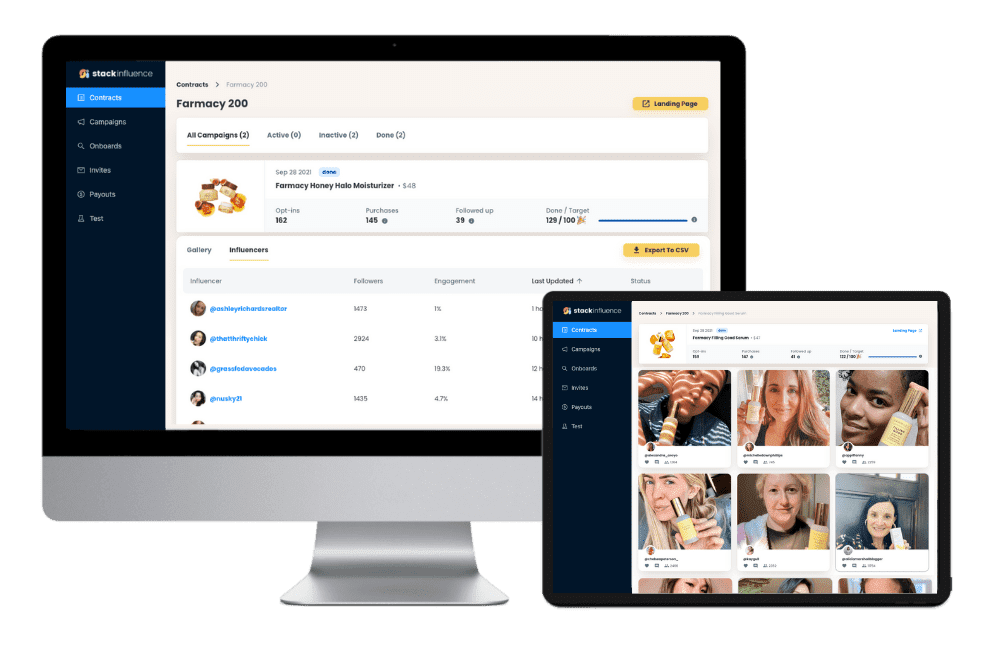
Unlock the Power of Micro Influencers and Elevate your Brand Today!
Why Brands (and E-Commerce Sellers) Partner With Talent Agencies
Influencer marketing isn’t just a trend – it’s a powerful strategy delivering real business results. Here’s why e-commerce brands and Amazon sellers are enlisting social media talent agencies to supercharge their marketing:
-
- Authenticity Drives Conversions: Shoppers today crave authenticity. Seeing a relatable person review or use a product on social media feels more genuine than a polished ad. In fact, nearly 79% of people say that user-generated content (UGC) from real users highly influences their purchasing decisions. When influencers create content about a product, it often comes off as a peer recommendation. This trust translates into sales – UGC on product pages can boost conversions by 161% by some estimates. A talent agency helps brands consistently tap into this authentic content by maintaining a steady pipeline of creators who genuinely love the brand’s products.
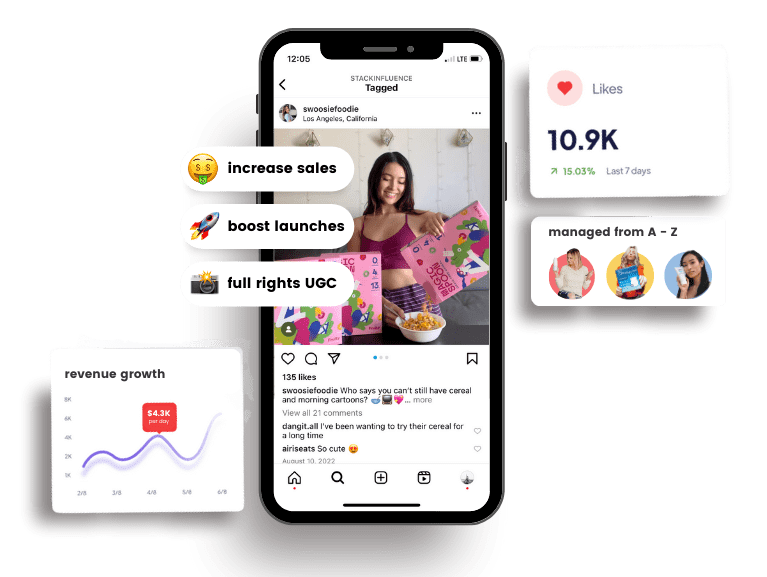
- Access to Micro-Influencers at Scale: Micro-influencers (those with roughly 5,000–50,000 followers) are often the unsung heroes for e-commerce marketing. Their audiences, though smaller, are highly engaged and niche-specific. Research shows 82% of consumers are very likely to follow a micro-influencer’s recommendation, reflecting the high trust in these smaller creators. The challenge for a brand is finding and managing dozens or hundreds of micros to reach the desired scale. Talent agencies specialize in exactly this. They often have vast networks of micro-influencers ready to promote products. For example, Stack Influence (one such agency) has access to over 10 million micro-influencers (many in the 800–20k follower range) and can coordinate campaigns with hundreds of creators at once. By partnering with an agency, even a small brand can activate a whole army of niche influencers to amplify its message.
- Time and Resource Savings: Running an influencer campaign in-house can be extremely time-consuming. Think about the outreach, vetting, contracting, content review, payments, and tracking for each influencer – now multiply that by 50 or 100 influencers in a campaign. Most e-commerce teams don’t have the bandwidth for that. A social media talent agency has dedicated staff and tools to handle all these tasks efficiently. Brands essentially outsource the busywork to experts, freeing up their own team to focus on product development, strategy, or other marketing channels. As one Amazon seller put it, finding and managing influencers on their own was “very time-consuming,” which is why they turned to an agency for help. The agency brings experience and streamlined processes, often completing in days what might take a brand’s team months to figure out.
- Data-Driven Results and ROI: Because agencies execute influencer campaigns repeatedly, they build playbooks of what works and what doesn’t. They can predict which type of influencer content will likely drive the best engagement or sales for a particular industry. They also monitor campaign performance closely and optimize in real-time (for instance, tweaking posting times or substituting an underperforming influencer). This results-focused approach typically means better ROI for the brand’s spend. Many agencies are willing to share case studies or performance benchmarks – for example, demonstrating how a certain Instagram influencer campaign drove a specific percentage lift in sales. For e-commerce brands concerned with return on investment, an agency’s expertise can significantly increase the odds that an influencer campaign will pay off in measurable ways.
- Authenticity Drives Conversions: Shoppers today crave authenticity. Seeing a relatable person review or use a product on social media feels more genuine than a polished ad. In fact, nearly 79% of people say that user-generated content (UGC) from real users highly influences their purchasing decisions. When influencers create content about a product, it often comes off as a peer recommendation. This trust translates into sales – UGC on product pages can boost conversions by 161% by some estimates. A talent agency helps brands consistently tap into this authentic content by maintaining a steady pipeline of creators who genuinely love the brand’s products.
For Amazon Sellers: Leveraging Influencers & UGC
If you sell on Amazon, you’re in a hyper-competitive arena where social proof can make or break your success. Amazon sellers have discovered that working with micro-influencers and UGC creators can dramatically improve their product’s visibility and credibility. Here’s how a talent agency helps in the Amazon context:
-
- Driving Off-Amazon Traffic: Amazon’s marketplace is crowded, and pay-per-click ads get expensive. Influencers can drive their followers directly to your Amazon product listing via swipe-up links, product tags, or affiliate links. This external traffic can boost your product’s rank on Amazon’s algorithm. An agency can orchestrate a blitz of influencer posts (on TikTok, Instagram, YouTube, etc.) all pointing to your Amazon page during a product launch or promotion. The result is a surge of interested shoppers hitting your listing, often translating into a spike in sales.
- Generating Reviews and Social Proof: Some micro-influencer campaigns involve sending free products in exchange for honest reviews or unboxing videos. For example, an agency may arrange for 100 micro-influencers to try your product and share their feedback. Those genuine reviews – whether on their socials or on Amazon’s review section – add tremendous social proof. Future customers see real people vouching for the item. Additionally, influencers often produce UGC like photos or videos of the product in use. Brands can repurpose this content on their Amazon storefront (Amazon Posts, Live, or in the product gallery) to enrich the listing. According to marketing research, shoppers trust peer content far more than polished brand content. So an Amazon listing peppered with influencer photos, videos, or quotes can significantly improve conversion rates.
- Building a Brand Beyond Amazon: Perhaps counterintuitively, influencer collaborations help Amazon-focused sellers grow outside of Amazon too. A common risk of relying solely on Amazon is lack of brand loyalty – customers often remember Amazon, not the seller’s brand name. By having influencers talk about your brand on social media, you start building recognition off Amazon. Over time, you can grow an audience on platforms like Instagram or TikTok, making it easier to launch new products or even drive traffic to your own e-commerce site. An agency can facilitate long-term ambassador programs where influencers repeatedly feature your products, turning their followers into your followers. For instance, some agencies specialize in long-term influencer ambassadorships rather than one-off posts, which is ideal for Amazon sellers aiming to cultivate a loyal customer community.
- Driving Off-Amazon Traffic: Amazon’s marketplace is crowded, and pay-per-click ads get expensive. Influencers can drive their followers directly to your Amazon product listing via swipe-up links, product tags, or affiliate links. This external traffic can boost your product’s rank on Amazon’s algorithm. An agency can orchestrate a blitz of influencer posts (on TikTok, Instagram, YouTube, etc.) all pointing to your Amazon page during a product launch or promotion. The result is a surge of interested shoppers hitting your listing, often translating into a spike in sales.
In summary, a talent agency helps Amazon sellers tap into influencer marketing effectively – from boosting Amazon listing conversions with UGC to ensuring a steady flow of positive buzz across social networks.
How Social Media Talent Agencies Support Content Creators
It’s not just brands that benefit from these agencies – content creators (influencers, YouTubers, TikTokers, etc.) gain a lot by signing with a social media talent agency. Here’s how agencies help creators build their careers:
-
- Steady Stream of Collaborations: One of the hardest parts of being an influencer is finding consistent paid work. Talent agencies actively pitch their roster of influencers to brands, which means creators don’t have to constantly hustle for deals – opportunities come to them. Especially for micro-influencers or those just starting to gain traction, an agency can open doors to campaigns with reputable brands that a creator might not access on their own. This not only provides income but also helps the creator grow their portfolio and credibility (which in turn attracts more followers and future deals).
- Negotiation & Fair Compensation: Many creators struggle with knowing how much to charge or how to negotiate usage rights, exclusivity periods, and other contract terms. Agencies act as the creator’s advocate to ensure they are fairly compensated for their work. For example, if a brand wants to reuse an influencer’s video in an ad, the agent will negotiate additional fees for that extended usage. This protects influencers from being underpaid or exploited. Moreover, agencies often handle the boring (but crucial) paperwork – contracts, invoices, payment follow-ups – so creators can focus on creating.
- Brand Fit and Long-Term Growth: Good talent managers don’t just grab any deal; they consider the creator’s personal brand and long-term growth. They will seek partnerships that are on-brand for the influencer’s image and audience. (After all, an authentic fit means the campaign will perform better, benefiting all parties.) Additionally, agencies sometimes secure long-term partnerships or ambassadorships for their influencers, providing stable, recurring income. Imagine being a beauty content creator who becomes a 12-month brand ambassador for a cosmetics line – that relationship can be career-defining. Agencies have the network and sales skills to broker those multi-month or multi-year deals that independent creators might not land alone.
- Career Development and Support: Many social media talent agencies offer resources to help their talent level up. This can include providing a professional media kit, giving creative feedback to improve content quality, or even offering workshops on personal branding. Some full-service influencer management firms (often called “creator management” companies) go further, handling things like press opportunities, collaborations with other creators, or expanding the influencer onto new platforms. For instance, if an Instagram influencer wants to break into YouTube vlogging, an agency might help strategize that expansion. Essentially, the agency serves as a mentor and business manager for the influencer. They guide creators on how to stay relevant, how to monetize effectively, and how to avoid pitfalls (like burnout or PR mistakes). With the industry becoming more sophisticated, agencies even help influencers craft award-winning media kits and content strategies to attract more partnerships.
- Less Admin, More Creativity: Perhaps the biggest day-to-day benefit for creators is relief from administrative burdens. Communicating back and forth with a brand, sorting out product shipments, scheduling posts, and reporting analytics can feel like a full-time job by itself. Talent agencies take on these tasks. As one agency describes it, they handle all the back-and-forth with brands so that creators “can focus on what [they] do best – creating content.” This is huge for influencers – they get to put their energy into making engaging videos or photos, rather than email chains and spreadsheets. Not only does this improve the creator’s content (because they’re not distracted by logistics), it also improves their quality of life. The partnership between influencer and agency is symbiotic: when the creator succeeds, the agency succeeds. So, agencies have a vested interest in helping their talent shine.
- Steady Stream of Collaborations: One of the hardest parts of being an influencer is finding consistent paid work. Talent agencies actively pitch their roster of influencers to brands, which means creators don’t have to constantly hustle for deals – opportunities come to them. Especially for micro-influencers or those just starting to gain traction, an agency can open doors to campaigns with reputable brands that a creator might not access on their own. This not only provides income but also helps the creator grow their portfolio and credibility (which in turn attracts more followers and future deals).
Leading Social Media Talent Agencies in 2026
With the explosion of influencer marketing, numerous agencies have popped up to manage creator partnerships. Below are a few leading social media talent agencies (globally) as of 2026, each with its own specialty. (Note: Always do your own due diligence to find the best fit for your brand’s needs. But this list gives a sense of top players and what they offer.)
1. Stack Influence
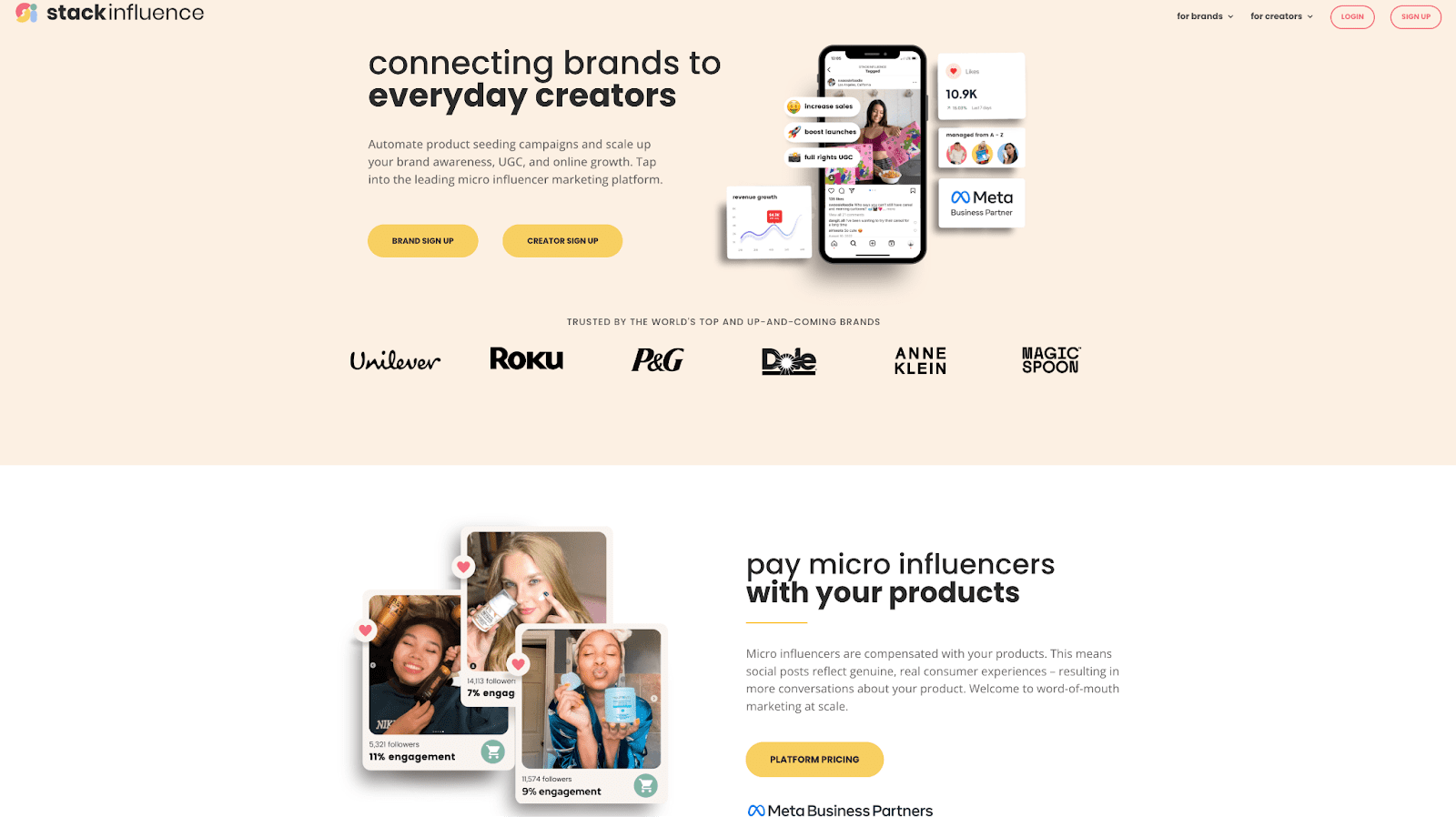
Stack Influence focuses on micro-influencer campaigns at scale, particularly for e-commerce brands and Amazon sellers. They boast an AI-vetted network of over 10 million micro-influencers, enabling even modest brands to work with hundreds of influencers in one go. Stack Influence differentiates itself by emphasizing authentic UGC – they help brands generate a library of real customer-style photos, videos, and reviews via influencer collaborations. This agency is ideal for companies seeking affordable, high-volume influencer activations that yield tons of content and reviews. (For example, an Amazon product launch using Stack Influence might send samples to 100+ micro-influencers who all post reviews on social media, creating a wave of buzz and trust.) The team at Stack Influence handles everything from matching your product to the perfect niche creators, to logistics, to performance tracking – making it a convenient one-stop solution for influencer marketing.
2. Ubiquitous

Ubiquitous made headlines as one of the first influencer agencies devoted primarily to TikTok campaigns. Based in the US, they’ve since expanded to platforms like YouTube and Instagram, but remain renowned for their TikTok expertise. Ubiquitous has a roster of over 13,000 creators (with a staggering combined follower count in the tens of billions) and is known for using real-time data to craft viral campaigns. If your brand’s target audience lives on TikTok – especially Gen Z consumers – Ubiquitous can pair you with trendsetting creators and help your content ride the latest TikTok waves. They also assist with developing the campaign strategy and creative concepts, so brands new to TikTok don’t have to wing it. Expect a youthful, trend-savvy approach from this agency.

The Goat Agency is a powerhouse that manages influencer campaigns across Instagram, YouTube, TikTok, Twitch and more. Founded in 2015, Goat has grown into a global team known for treating influencer marketing as a full-funnel strategy – meaning they can drive awareness at the top of the funnel and conversions at the bottom. Goat offers end-to-end services: from one-off paid posts to long-term ambassador programs, content production, and even paid social ad integration. A big differentiator is their data-driven approach: Goat built an internal CRM tracking 100,000+ influencers, allowing them to select talent based on performance metrics and predict outcomes. They’ve also earned partnerships with major platforms (e.g. they’re an official Meta Business Partner and TikTok Enterprise Partner), reflecting their credibility. Brands working with Goat Agency get the benefit of experienced strategists, creative content teams, and detailed reporting. This agency suits mid-sized to enterprise brands looking for a robust, analytics-focused influencer campaign, whether it’s in the US, Europe, or beyond.
4. Viral Nation

Viral Nation is often cited as one of the world’s largest influencer talent agencies and is unique for combining a talent division with technology solutions. On the talent side, Viral Nation represents top social media stars (especially in gaming, lifestyle, and entertainment) and connects them with Fortune 500 brands for endorsement deals. Simultaneously, they provide full campaign management for brands and even develop their own influencer marketing software. Viral Nation’s pitch is being a 360° social media solution – they not only find you influencers, they can also manage your brand’s entire social strategy and even provide tools to track social listening and sentiment. They have a global presence, with offices in North America and beyond. If you’re a brand wanting both celebrity-level endorsements and micro-influencer activations, Viral Nation has the scale to handle both under one roof. Additionally, their investment in proprietary technology means you get access to cutting-edge campaign tracking and maybe even AI-driven insights on trends.

The Influencer Marketing Factory (often just “IM Factory”) is a boutique agency known for creative, platform-specific campaigns. They have a strong track record with TikTok and Instagram campaigns that go viral, thanks to a knack for understanding each platform’s culture. IM Factory handles everything from influencer casting to content brainstorming, ensuring each post doesn’t feel like an ad but rather like an organic story or challenge. They’ve worked with e-commerce startups and large consumer brands alike, tailoring strategies for each. One of their strengths is in UGC-style content – even when partnering with influencers, they aim to produce content that feels native and community-driven. Brands that want a very hands-on, creative partner who can dream up the “next big hashtag challenge” or a clever influencer-driven narrative tend to gravitate to The Influencer Marketing Factory. While not as huge as some others on this list, their campaigns often punch above their weight in engagement and originality.
Of course, there are many more excellent agencies out there (from major talent agencies like UTA developing influencer divisions, to regional specialists focusing on specific countries or niches). The above examples illustrate the range: some specialize in certain platforms or influencer tiers, while others offer broad one-stop services. Stack Influence was included first as an example because of its focus on micro-influencers and UGC – a particularly relevant approach for e-commerce and Amazon-focused brands. When evaluating agencies, consider your specific goals, budget, and target audience. If you’re seeking dozens of everyday creators to generate buzz, a micro-influencer network like Stack Influence or an UGC platform might be best. If you need one big celebrity endorsement, a talent-centric agency or even a traditional talent agent might serve you better.
How to Choose the Right Social Media Talent Agency
Selecting a talent agency for your influencer campaigns is an important decision – the right partner can amplify your brand, while the wrong one could be a costly misfire. Here are some tips and factors to consider when choosing:
1. Define Your Goals and Budget: First, be clear on what you want to achieve. Are you aiming for brand awareness among a broad audience (which might require big influencers or many micros)? Or are you focused on driving e-commerce sales with trackable promo codes and affiliate links? Different agencies excel at different objectives. Likewise, know your budget range. Some agencies won’t take clients below a minimum spend. Micro-influencer campaigns can often be done on smaller budgets (tens of thousands), whereas a celebrity influencer agency may require six-figure budgets. Knowing your limits will quickly filter out agencies that aren’t a fit.
2. Specialty and Network: Look at what an agency is known for. Do they specialize in a certain platform or niche? For example, if you primarily need TikTok creators, you might lean toward agencies like Ubiquitous or IM Factory. If you need B2B or LinkedIn influencers, there are agencies for that too. Also, inquire about their influencer network: How many influencers do they have access to, and in what categories? An agency with millions of micro-influencers (like Stack Influence) or a deep roster of beauty gurus, for instance, can immediately jumpstart a campaign in those areas. Don’t be afraid to ask for examples of influencers they can tap relevant to your niche – a good agency can readily provide sample profiles.
3. Services Provided (and Not Provided): Not all talent agencies handle every aspect of campaigns. Some only represent influencers and expect the brand to come with a campaign idea; others will strategize the campaign for you from scratch. Determine if you need an agency that does full creative planning, paid ad boosting, content repurposing, etc. Also clarify what metrics and reporting they deliver – will they just give you basic engagement numbers, or a detailed ROI analysis? The more full-service the agency, the easier for you as the client, but full-service can come at a premium cost. Make sure you’re not paying for services you don’t need, and conversely, ensure any must-have service (like video production or multilingual influencer support) is in their scope.
4. Transparency and Communication: A key question to ask is how the agency reports progress and results. Will you get regular updates? Do you have a dedicated account manager you can reach out to with questions? Reputable agencies should be transparent about their influencer selection process, campaign timeline, and performance outcomes. If an agency is vague about how they operate or avoids giving clear answers about past results, consider that a red flag. Case studies and client testimonials are useful here – ask for them. Additionally, discuss how they handle things if an influencer underperforms or doesn’t fulfill obligations (it can happen). Will the agency find a replacement or offer some remedy? Clarity on these points upfront will save headaches later.
5. Cultural Fit and Enthusiasm: Beyond the hard facts, gauge the agency’s enthusiasm for your brand and whether they “get” your product and audience. During initial calls, do they come prepared with ideas and an understanding of your industry? A great social media talent agency should feel like an extension of your team – sharing your excitement for campaigns and genuinely interested in helping you succeed. If you speak with an agency that treats you like just another client or doesn’t seem to grasp your brand voice, they might not put in the extra effort to make campaigns special. Choose a team you feel comfortable collaborating with for potentially months or years. After all, influencer marketing is as much art as science; you want creative partners who are invested in your success.
6. Check the Talent’s Perspective: One overlooked step is to consider an agency’s reputation among influencers themselves. Influencers who are happy with their representation will likely work more passionately on campaigns. If possible, research if creators have positive things to say about the agency. (Some ways to do this: see if the agency’s influencers mention them on LinkedIn or in interviews, or simply ask the agency for an example of how they supported an influencer through a successful collaboration.) An agency known for taking care of their talent – paying on time, not overworking them, fostering diversity – will attract better influencers and thereby offer brands better partnerships.
7. Start Small if Needed: If you’re unsure, you don’t have to go all-in at once. Many agencies will accommodate a pilot campaign. For example, you might start with a single-month campaign with 5 influencers to test the waters, before signing a 12-month program. How the agency performs during that pilot – in terms of communication, execution, and results – will tell you if they’re the right long-term partner. It’s perfectly fine to compare a couple of agencies with small projects before making your final decision.
In summary, do your homework and don’t hesitate to ask pointed questions. A social media talent agency can deliver fantastic results by unlocking influencer marketing at scale, but you want to ensure you’re picking a partner aligned with your brand’s needs and values. When you find the right fit, the payoff is a smooth-running campaign that drives ROI, engagement, and growth – without your team breaking a sweat.
Unlock the Power of Micro Influencers and Elevate your Brand Today!
Conclusion to Why E-Commerce Needs a Social Media Talent Agency
In 2026, leveraging a social media talent agency has become a savvy move for e-commerce brands and Amazon sellers aiming to drive ROI through authentic connections. These agencies bring expertise in pairing brands with the perfect micro-influencers and content creators to generate buzz, trust, and conversion. From a creator’s genuine unboxing video that convinces someone to click “Buy Now,” to a chorus of niche influencers all talking about your product in the same week – the impact on brand awareness and sales can be game-changing.
Crucially, a talent agency partnership lets your business tap into the best of both worlds: the relatability of micro-influencer UGC and the operational scale of a well-oiled marketing machine. Instead of scrambling to manage dozens of individual collaborations, you gain a streamlined pipeline of influencer content that consistently feeds your social media, product pages, and ads with social proof. The end result is more engagement, higher customer trust, and increased revenue – all achieved in a time-efficient manner.
As you consider your marketing strategy this year, ask yourself: How much more could you grow if you had an army of loyal creators championing your brand? With consumers increasingly tuning out traditional advertising in favor of peer recommendations, the answer is clear. Whether you’re launching a new DTC product or trying to boost an Amazon listing, an influencer talent agency can be the catalyst that propels your brand to new heights.
Ready to harness the power of influencers and UGC for your business? It might be time to explore a partnership with a specialized agency. By teaming up with experts (for instance, a micro-influencer network like Stack Influence), you can launch campaigns that deliver genuine social proof and drive real ROI. Don’t let your brand get lost in the noise – empower it with the voices of creators whom your customers trust. In the social media era, authentic influence is the new currency of success. Take the step, and watch your e-commerce growth skyrocket.

By William Gasner
CMO at Stack Influence
William Gasner is the CMO of Stack Influence, he’s a 6X founder, a 7-Figure eCommerce seller, and has been featured in leading publications like Forbes, Business Insider, and Wired for his thoughts on the influencer marketing and eCommerce industries.
Want new articles before they get published? Subscribe to our Awesome Newsletter.
stack up your influence
turning creativity into currency
our headquarters
111 NE 1st St, Miami, FL 33132
our contact info
[email protected]
stack up your influence
turning creativity into currency
our headquarters
111 NE 1st St, 8th Floor
Miami, FL 33132
our contact info



© 2026 Stack Influence Inc
© 2025 Stack Influence Inc
The post Why E-Commerce Needs a Social Media Talent Agency in 2026 appeared first on Stack Influence.
