Online retail thrives on convenience, speed, and reach, yet one of its biggest challenges is the lack of physical connection.
Consumers cannot touch products before purchase, so brands must rely on other methods to create tangible experiences. Printed materials – such as stickers, cards, and labels – provide a way to bridge that gap. They transform a shipment into something memorable, reinforcing trust and creating lasting impressions that extend beyond the screen.
Physical branding through print offers ecommerce businesses a chance to turn every order into an experience. By adding design-driven items into packaging, retailers build familiarity and recognition.
Packaging as a Brand Statement
The unboxing process is no longer just about receiving a product. It has become a form of communication between the brand and the customer. Packaging that includes printed items – whether a die-cut sticker, a thank-you postcard, or a well-designed hang tag – signals attention to detail.
When customers save or share these items, the brand message travels further than the original order. A sticker placed on a laptop or water bottle functions as ongoing advertising. A postcard with a discount code encourages repeat purchases. These are small details, but together they shape customer perception in meaningful ways.
Different printed items serve different purposes. Some are functional, such as roll labels for packaging, while others are promotional, like holographic stickers included as freebies. Selecting the right mix depends on the brand’s objectives, budget, and customer expectations.
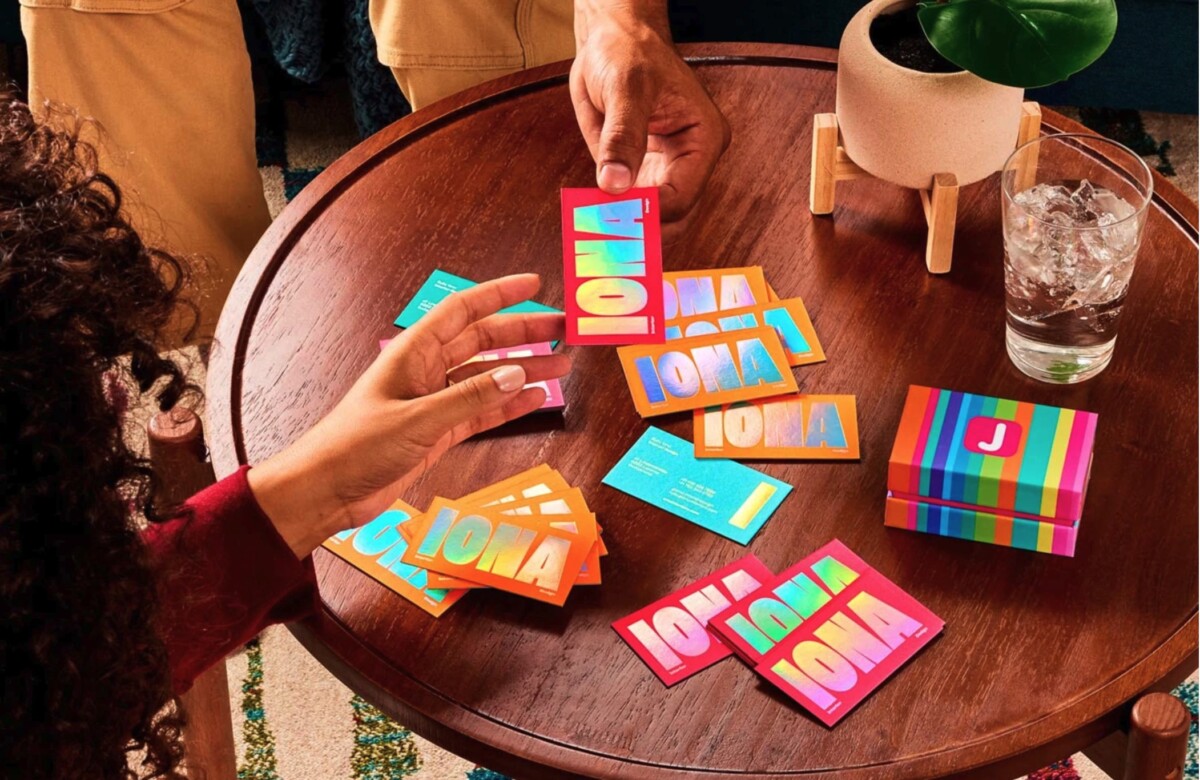
Though often associated with networking, business cards remain useful for online sellers. Including a card in each order provides direct contact information and helps establish credibility. Cards can also carry QR codes linking to social platforms, product tutorials, or exclusive discounts.
Custom stickers and labels are versatile tools. They seal packaging, brand plain boxes, or serve as giveaways. Die-cut or kiss-cut designs highlight creativity, while holographic or foil finishes attract attention. Labels also help standardize packaging for larger operations, particularly when selling in bulk.
For apparel and accessory brands, hang tags provide product details while reinforcing identity. Inserts, such as thank-you notes or seasonal cards, add a personal touch. They can double as marketing channels by including referral codes or promoting upcoming collections.
Postcards included with orders often double as mini advertisements. Some brands create seasonal designs customers enjoy keeping. Notepads, though less common, are functional items that keep the brand visible on desks and in everyday use.
The following table summarizes common print items ecommerce brands use and how they function:
Each option has its place, but combining two or three high-impact items often delivers the strongest results without overloading budgets.
Several factors influence how ecommerce brands approach print today. Customers expect more personalization, environmental responsibility, and digital integration.
Digital printing allows small batches, which means brands can test designs without committing to large volumes. Personalized thank-you notes or stickers with customer names create a stronger connection.
Consumers increasingly value eco-conscious packaging. Printers offering recycled papers, compostable stickers, or soy-based inks meet this demand. Choosing sustainable print options signals responsibility and builds trust with environmentally aware shoppers.
Print no longer operates in isolation. QR codes link physical items to online spaces, encouraging reviews or social sharing. NFC-enabled cards or labels can even connect customers directly to product pages or loyalty programs.
The physical qualities of printed items communicate as much as the design itself. Paper thickness, textures, and finishes affect perception. Foil accents or holographic laminates, for instance, give an impression of premium quality. Matte finishes convey subtlety, while gloss suggests vibrancy.
Here’s a comparative look at materials and finishes often chosen by ecommerce brands:
Material decisions should align with brand values. A sustainable beauty brand, for example, may prefer recycled paper over foil, while a gaming merchandise company might lean toward holographic finishes.
A reliable print provider can make or break the consistency of an ecommerce brand’s packaging strategy. Quality control, range of options, and reliable turnaround times all influence outcomes.
Key aspects to consider include:
Variety of print options: Providers offering stickers, cards, labels, and specialty finishes make it easier to maintain a unified look.
Quality standards: Consistency in color and material prevents misaligned branding.
Turnaround times: Timely fulfillment supports ecommerce cycles, especially during holidays.
Global shipping: For international sellers, access to worldwide distribution reduces delays.
Eco-friendly choices: FSC-certified paper, compostable labels, and low-impact inks align with sustainability goals.
Jukebox stands out in this space by combining a wide selection of options with strong sustainability credentials. Its ability to handle both everyday and premium projects gives ecommerce retailers flexibility without compromising quality.
“Printed elements are one of the few ways ecommerce retailers can create tangible brand memories. When done thoughtfully, even a simple sticker can have lasting impact,” said a spokesperson from Jukebox Print.
This perspective underscores why brands continue to integrate print, despite operating primarily online. The tactile nature of physical items adds dimension to digital interactions, leaving a stronger impression than digital communication alone.
Many ecommerce businesses hesitate to invest in print due to budget concerns. However, cost-effective strategies exist.
Prioritize high-impact items: Stickers and postcards often deliver the best return because they are low-cost and high-visibility.
Use seasonal or limited designs: Rotating designs keeps packaging fresh without overhauling the brand identity.
Add print elements gradually: Start with stickers or thank-you inserts before expanding to premium finishes.
Track results: Include QR codes or discount codes to measure the effectiveness of print campaigns.
By approaching print strategically, ecommerce brands can create strong customer connections without straining resources.
As ecommerce continues to expand, physical branding remains relevant. Customers expect convenience and speed, but they also value experiences that feel personal and memorable. Printed materials – whether through sustainable postcards, holographic stickers, or premium business cards – offer exactly that.
Brands willing to integrate print into their packaging strategies will find that these seemingly small details have an outsized effect. They extend brand presence, increase loyalty, and create a sense of connection that digital interactions alone cannot provide.
Printed inserts, stickers, and labels turn a routine shipment into a branded moment that boosts repeat purchases and word-of-mouth. The article highlights simple additions like a thank-you postcard with a discount code and a standout sticker that travels on laptops or bottles, extending reach beyond the box. Track ROI by measuring code redemptions and repeat order rates from insert offers.
Start with two to three high-impact pieces: a roll label for product consistency, a postcard insert with a clear offer, and a die-cut sticker for shareability. The article notes business cards with QR codes can also be a low-cost trust builder. This tight mix balances function, promotion, and visibility without bloating unit costs.
Place a single QR code on a business card or postcard that links to a focused destination like a how-to video or a loyalty signup. The article suggests using cards to drive traffic while keeping packaging clean and on-brand. Test two landing pages for 30 days and keep the one with higher conversion and lower bounce.
Stickers create ongoing advertising when customers place them on everyday items, while labels standardize packaging and speed bulk fulfillment. The article points out that holographic or foil finishes grab attention and boost the chance of long-term visibility. Use brand mascots, slogans, or seasonal art to increase save-and-share rates.
Use hang tags for sizing, care, and brand tone, and include a small insert that teases the next drop or offers a referral code. The article highlights hang tags as a key touchpoint for identity and product info. Pair this with a unique sticker that fans will display, which extends reach at no extra ad spend.
Match finish to purpose: use durable roll labels for bulk, standard cardstock for inserts, and reserve premium touches like foil or holographic for one hero sticker. The article advises combining only a few high-impact items to control cost while enhancing brand feel. Run a simple A/B test on finish types and track repeat purchase rate and UGC mentions.
Map your pack-out: product, protective wrap, roll label for seal, insert with offer, and one sticker placed on top for discovery. The article’s guidance suggests assigning each piece a clear job—function, offer, visibility—so nothing is wasted. Train the team with a one-page SOP and spot-check 10 orders per batch for consistency.
Yes; the article frames print as the bridge that gives online-only brands a tangible feel customers remember. A postcard with a social QR and a UGC prompt (“Share your unboxing for 10% off”) ties print to your social engine. This drives content, lowers CAC over time, and strengthens brand recall.
Track repeat purchase rate, average order value on repeat orders, UGC volume, and direct traffic spikes after shipments land. The article notes that saved and shared items like stickers and postcards extend visibility, so include unique URLs or UTMs on QR cards. Review these metrics monthly and prune low performers.
Avoid cluttered packaging, too many pieces, and offers that compete with each other. The article recommends a focused mix where each item has a role, like label for function, insert for promo, and sticker for brand reach. Keep design on-brand, limit to one clear CTA, and test small batches before scaling.