

To say the fitness ecommerce industry is pumping would be an understatement.
Businesses of all kinds have experienced rocketship growth in recent years, with newcomers and mainstays of the arena taking advantage of sky-high interest in fitness equipment, apparel, supplements, and natural foods.
Of course, with great demand comes great competition. Fitness ecommerce websites are everywhere. And so are fitness Instagram accounts and influencers. It’s a jam-packed world of opportunity. But businesses need lean and agile websites that let them scale rapidly to meet the demand.
This article will share examples of fitness ecommerce websites who are doing just that. But first, let’s get a handle on the state of the fitness ecommerce market.
Table of contents:
The global online fitness market exploded at the beginning of the COVID-19 pandemic in 2020. People being stuck at home, without access to gyms and fitness clubs, meant that businesses offering home delivery and virtual fitness services experienced exponential growth.
That growth appears to be continuing. As of 2027, the global online fitness market is projected to hit 64.57 billion by 2028, growing at a compound annual growth rate (CAGR) of 38.2% from 2022. North America is leading the charge, holding the largest market share for online fitness.
Fitness is a big industry with a lot of different sub-categories. Some of the key drivers of this growth include:
In other words, we’re seeing not just another in-person fitness boom across North America, we’re also seeing that boom spanning both online and offline experiences.
In the direct-to-consumer (DTC) fitness world, some emerging trends to watch include:
Fitness ecommerce touches almost every facet of the industry. From physical goods to virtual experiences. Businesses that can find their niche, create a community, and supply this demand are well poised for strong growth, now and in the future. There’s a wide range of fitness gear and products offer – including gym equipment, clothing, supplements and more. Each sub-category has it’s own pros and cons, so it’s a great idea to study from the brands below.
Let’s look at some brands that are doing fitness ecommerce well.
How do you build an army of millions of loyal customers across 131 countries?
If you’re Gymshark, first, you create a multichannel online presence that spans social networks and onsite experiences with a consistent brand aesthetic—the kind of presence that gets you a shout-out from Sheryl Sandberg during a Facebook earnings call. (No, really!)
Then, you bring that online experience, offline … into the real world.
Gymshark has mastered the art of online-to-offline (O2O) commerce through international pop-up shops. These pop-ups include meet-and-greets with some of the most popular fitness experts and influencers, and sell merchandise IRL.

“It’s a customer experience second to none,” says Daniel Knight, Gymshark’s Website Manager. “It bridges the gap between the digital and physical worlds and creates emotional customer experiences that can’t be had online alone.”
Can you build a fitness program and brand around jump ropes? Crossrope did, and the brand is growing exponentially. When the pandemic hit and people were forced to exercise from home, the Crossrope team saw an opportunity to expand its customer base and market its simple at-home workout.
The Crossrope routine caught fire and entered a period of intense sales. However, the team wasn’t confident in their ecommerce platform’s ability to scale with the demand.
“While it was risky to re-platform during a period of intense sales demand … the risk paid off, and today we’re optimized for incredible international growth,” says Chief Marketing Officer Srdjan Popovic. With Shopify Plus, Crossrope saw a 90% increase in revenue and a 94% boost in transactions.
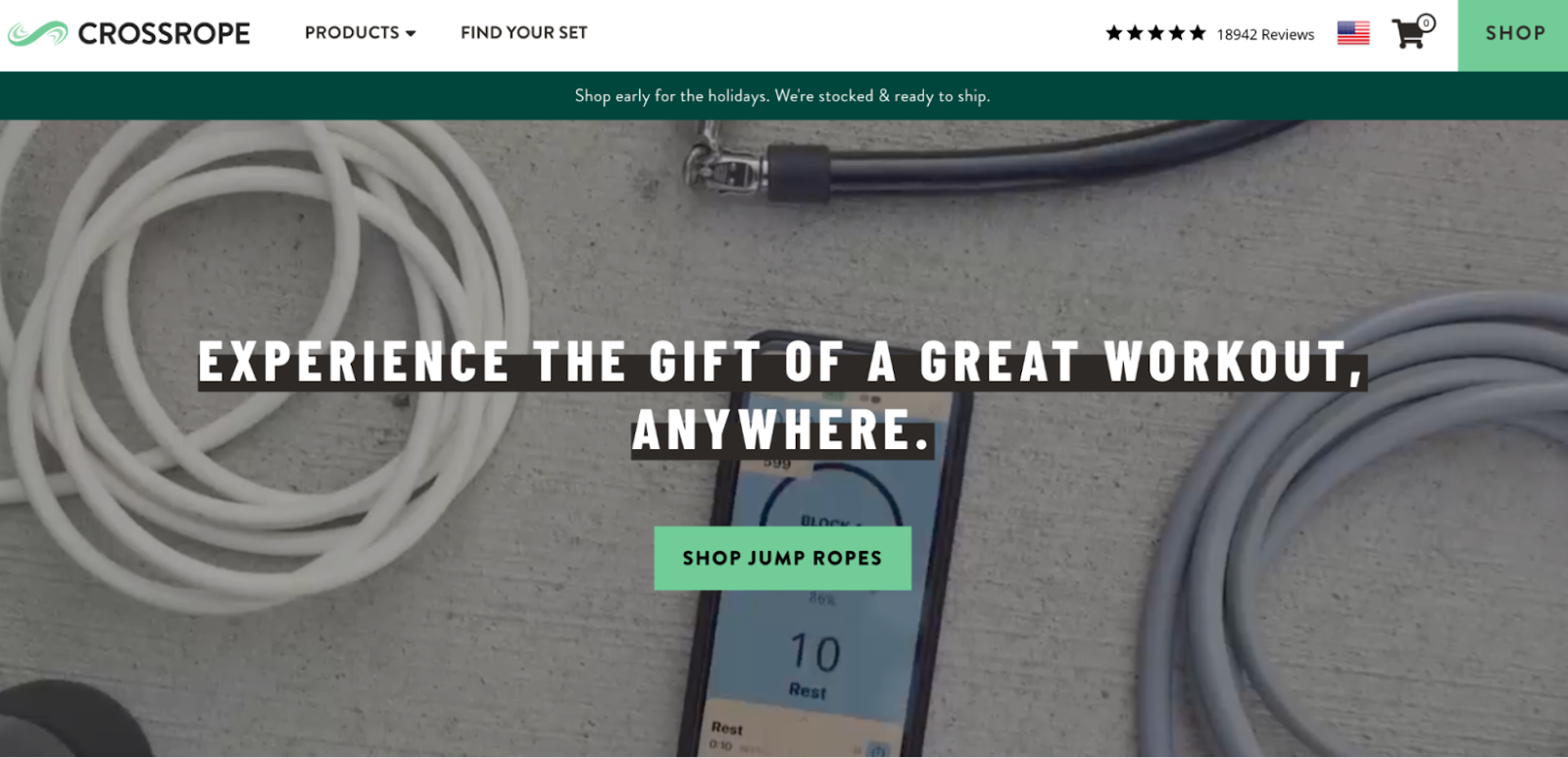
The takeaway? There’s never a perfect time to invest in the future success of your ecommerce company. Whatever growing pains your business is experiencing, don’t let them stop you from preparing for explosive growth down the line. Who knows? A major change may be what you need to catalyze that growth.
Today, BPI Sports products can be found on the shelves of every fitness brand’s dream retailers: GNC, Vitamin World, and The Vitamin Shoppe—just to name a few. The Florida-based nutritional supplement brand is well established as a wholesale company, with its B2B sales accounting for most of its annual revenue.
Yet, BPI Sports wanted to strengthen its D2C channel. The team also wanted to improve the BPI Sports brand identity and be more than just a product you see on another store’s shelf.
The company had a website, but it cost over $6,000 for development fees and provided a poor experience for both customers and employees: online shopping carts often crashed and important customer data was unreliable.
“When you’re growing so fast, you’re trying to just keep pushing, pushing, pushing—and then you’re at a point where your business is overgrowing your infrastructure,” says Oliver Haroun, BPI Sports’ Director of Technology.
To level up, BPI Sports had to change direction. Instead of leaning further into its previous platform, the team decided to simplify their D2C channel with Shopify Plus.
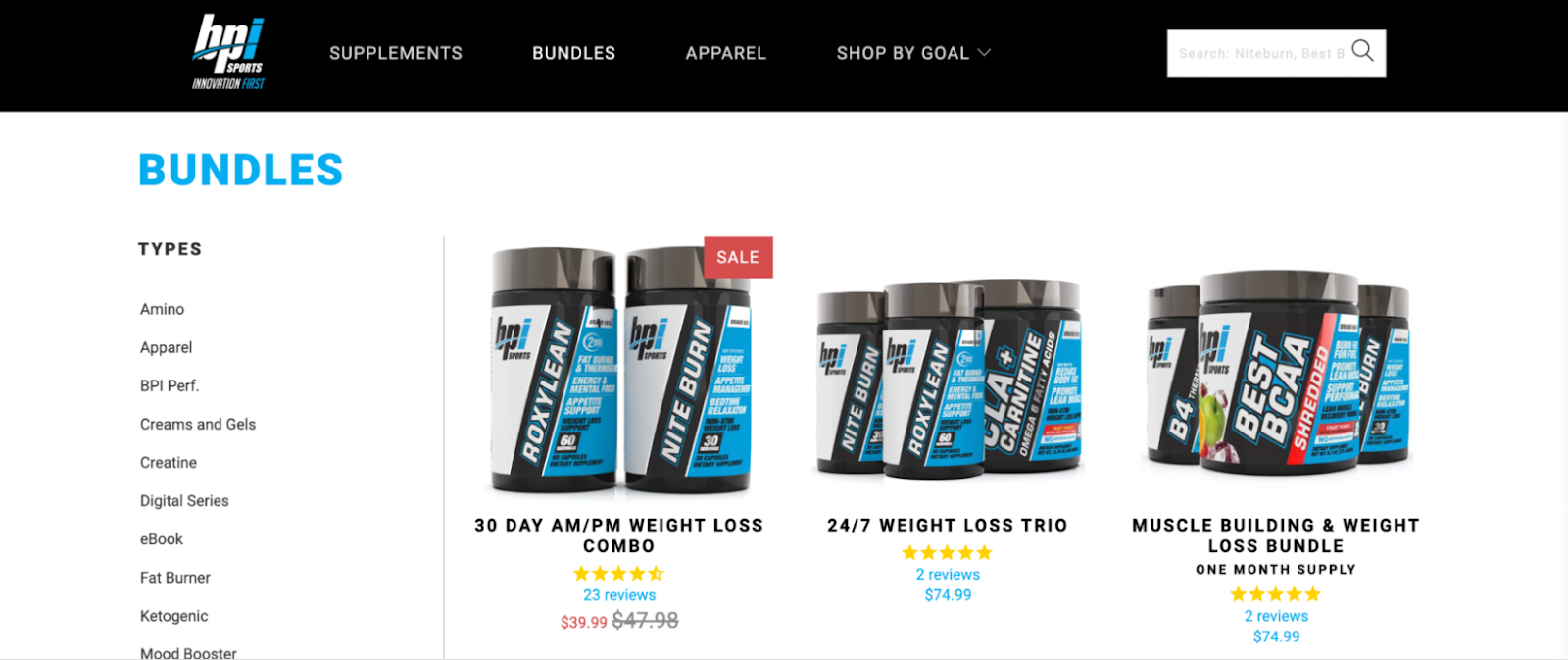
Not only was the team able to fully trust their new ecommerce platform, but they were also able to perform feature testing, make website changes without a developer’s help, and offer a greater variety of high-quality products and bundles.
Now, BPI Sports dominates both as a wholesaler and D2C ecommerce company.
Altitude Sports started as a brick-and-mortar shop in Montreal in the 1980s. Nearly four decades later, the outdoor equipment and clothing company is now a multimillion-dollar ecommerce mega-hub.
What makes Altitude Sports so successful? The brand has been open to the evolution of the digital world.
Most retailers that opened brick-and-mortar stores before the web failed to properly leverage ecommerce. Instead, they relied on word-of-mouth and foot traffic to continue growing their brand.
However, Altitude Sports decided to join the website revolution and launch its ecommerce site in 1999. Since then, it’s continued to grow and evolve alongside technology—not against it.
One of the most innovative features on the Altitude Sports website is its predictive search feature. Using SearchSpring, the site can auto-suggest items based on what customers type in the search bar. The search also offers visual merchandising features so visitors to the site can see their options before clicking.
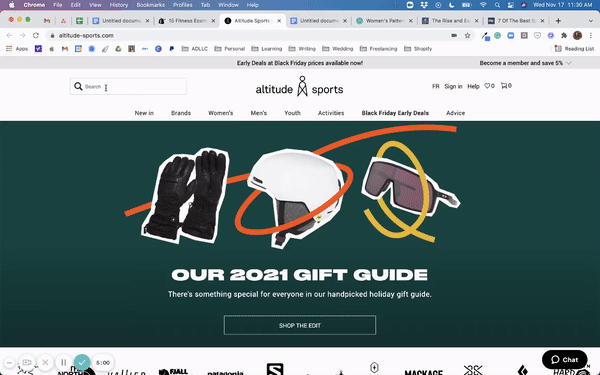
If you’re looking to choose the right search function for your ecommerce business, check out this article to help guide you through the right questions to ask and what features to look for.
With more than a million followers across Facebook and Instagram—415,000 of whom are part of the brand’s closed Facebook group—310 Nutrition has built a thriving online community to empower its members through the highs and lows of getting healthy and fit.
When you’re trying to get healthy or change your eating habits, it’s easy to feel like you have to give up treats. By sharing recipes for treats like the Banana Split Shake or Cinnamon Roll Shake, as well as smoothies for every holiday and season of the year, 310 helps its community feel equipped and empowered to make healthier decisions, without giving up what they love.
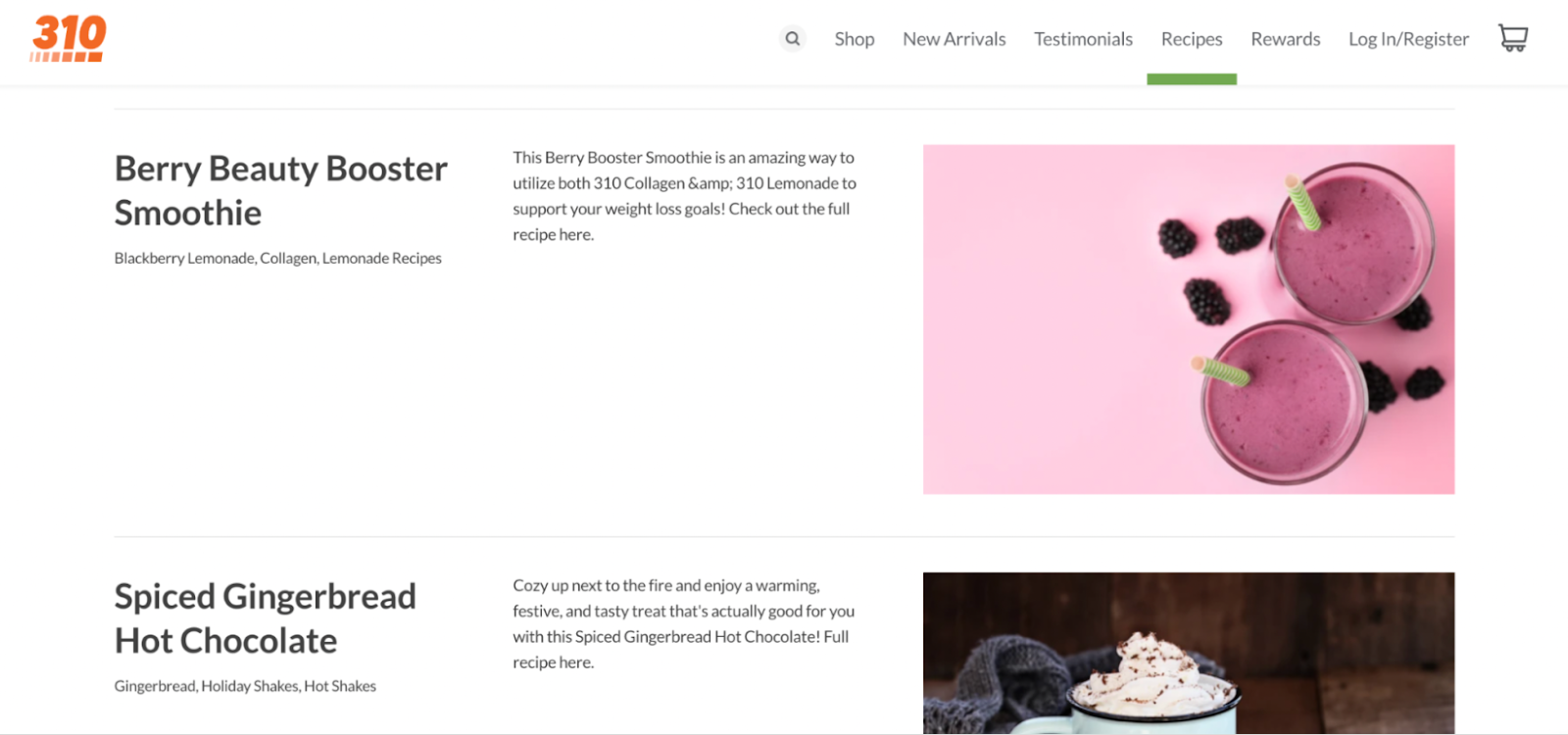
Even more than that, 310’s website and campaigns are full of user-generated content: success stories, testimonials, and before-and-after photos to showcase real results from real people.
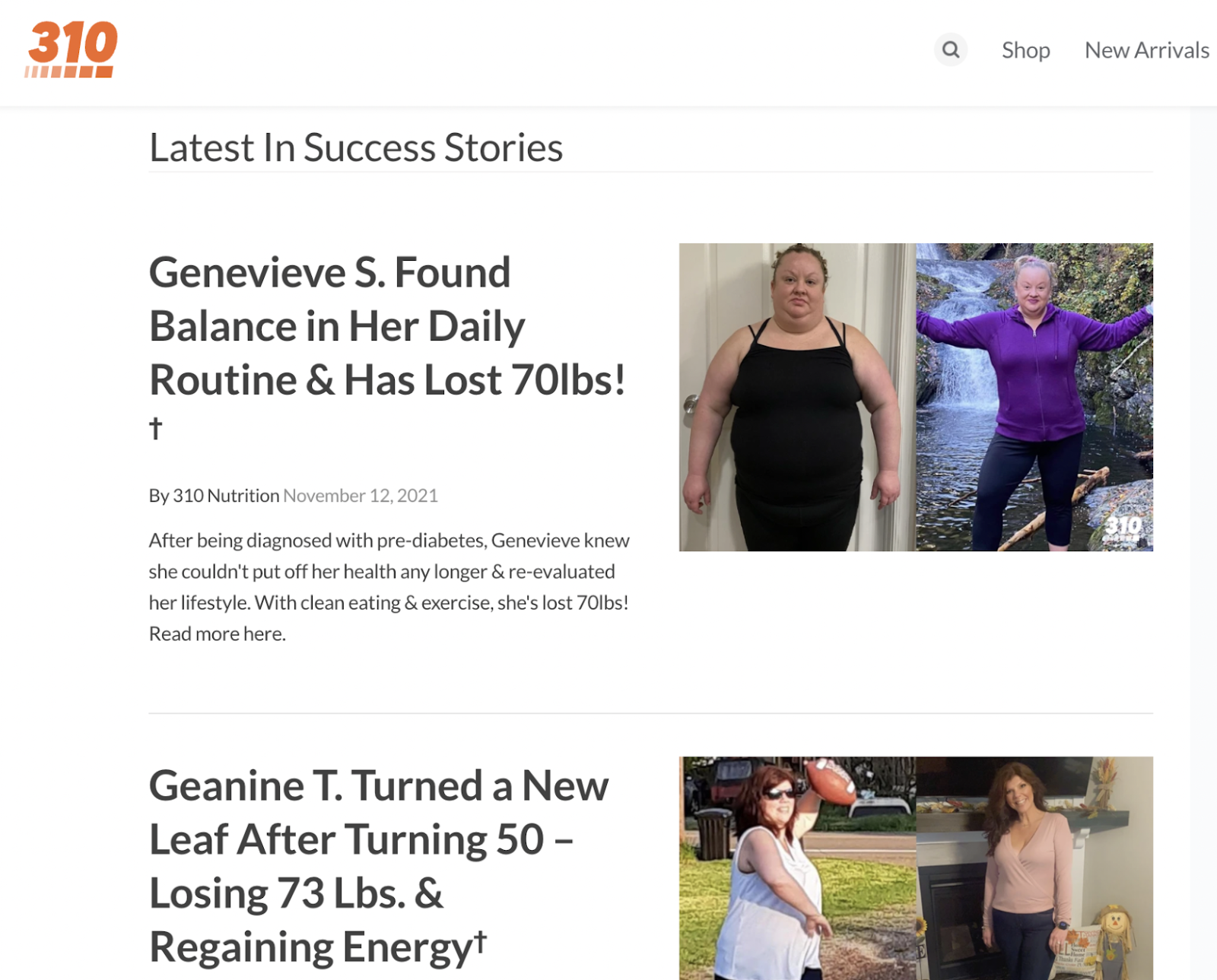
Reviews and UGC are a great way to motivate skeptical visitors. Fitness brands that can anticipate customers’ difficulties and address them with support from either internal sources or through their social community will see better results and better loyalty.
When you’re competing with worldwide brands like Nike, Reebok, and Adidas, you better bring your A game. And that’s what fitness brand NOBULL continues to do.
Its brand manifesto is “For people who train hard with no excuses.”
Sure enough, when you’re selling out from regular midnight product launches, there is no excuse for site crashes and other issues.
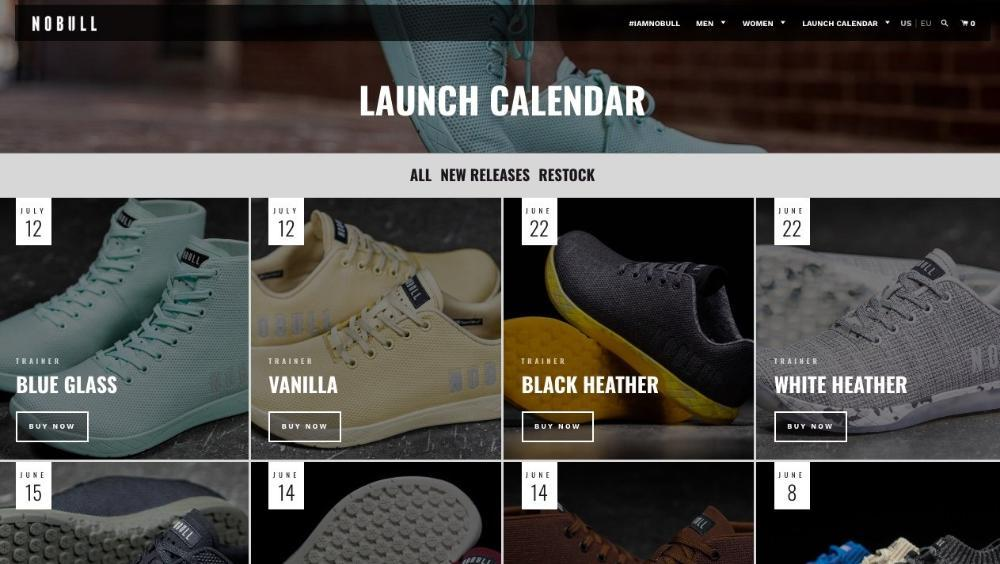
“We launch all of our products at midnight, because right now demand greatly exceeds supply,” says NOBULL co-founder Marcus Wilson. “It’s a way to make sure our most loyal customers—those who are willing to show up and shop at midnight—are more likely to get what they want.”
Because of these loyal customers, sometimes the shoes still sell out before the midnight masses manage to check out.
As proven by NOBULL, using an ecommerce platform that can grow with your demand is imperative. The only thing that should prevent customers from getting your product is the supply—not a website that crashes.
Ben Ammana bootstrapped Boxraw with the vision of changing the narrative of boxing as more than just “fighting with fists.” When he launched the company in 2017, Ben was a one-man show for nearly two years as he scrambled to grow.
As he slowly built the Boxraw team, he decided to invest in Shopify Plus in 2019. In 2020, the company hit £5.2 million in sales.
Today, the platform not only helps him onboard new employees quicker (an important function as he intends to double his 39-person team in 2022), but it also allows him to automate many of his sales and marketing efforts so his team can focus on the Boxraw foundation, Boxing is Love.
According to the Boxraw website, “Through the creation of boxing programs and gyms, [Boxraw] uses boxing as a mechanism to help children overcome social epidemics. We will change the world; nation by nation, glove by glove.”
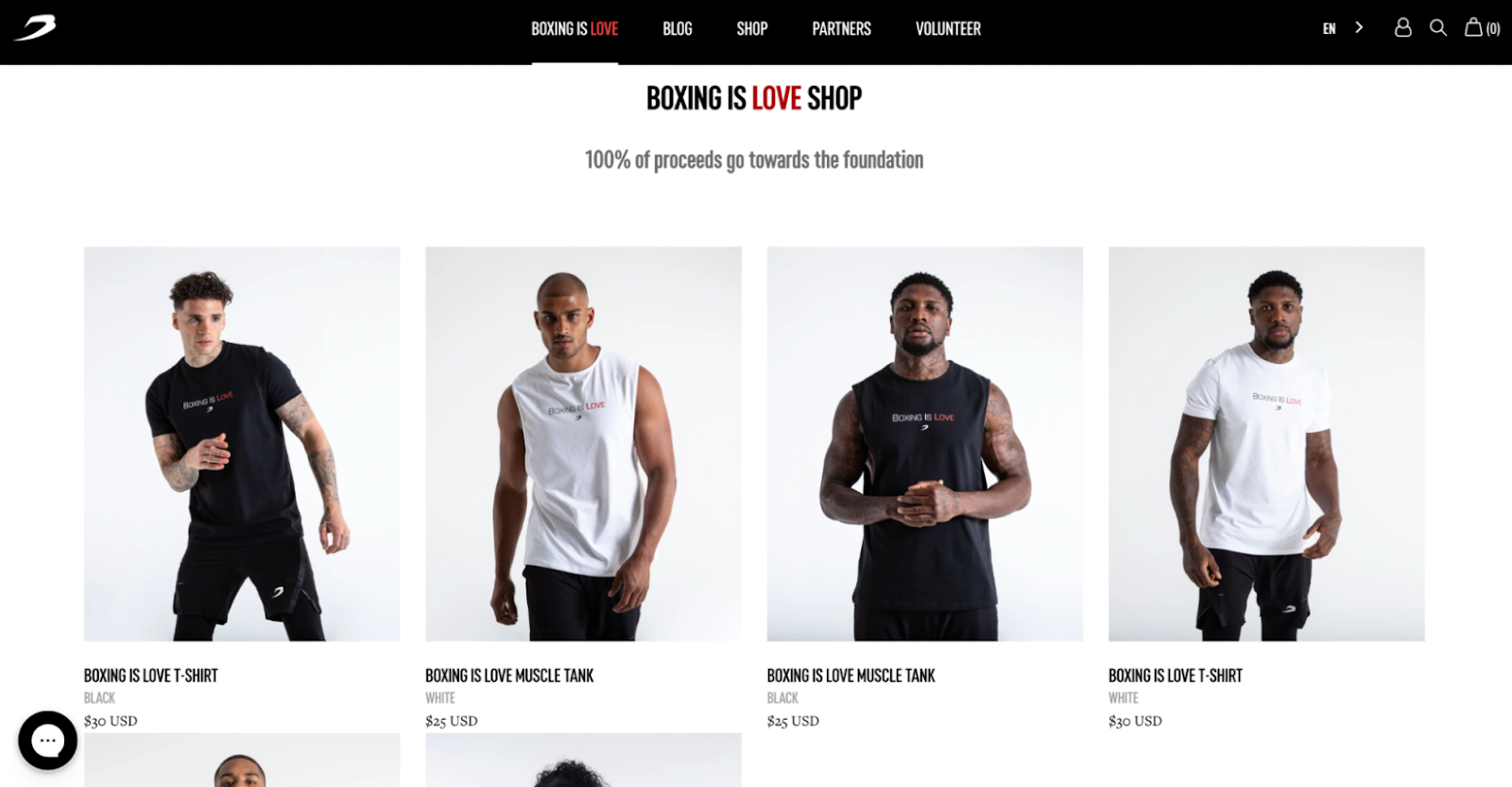
Boxraw isn’t just outfitting successful boxers around the world; it’s also leveraging its ecommerce company to make a fundamental change for Liberia and beyond.
Women’s Best—a brand focused on supplements and vitamins for women—has made an international name for itself by creating different ecommerce storefronts around the globe.
The brand offers 10 custom storefronts, each featuring Women’s Best products in the local language and currency.
What’s even more impressive is it’s extended its localization strategy to include Instagram: customers in Poland, Italy, and the Middle East can follow accounts in their language that link to each localized storefront.
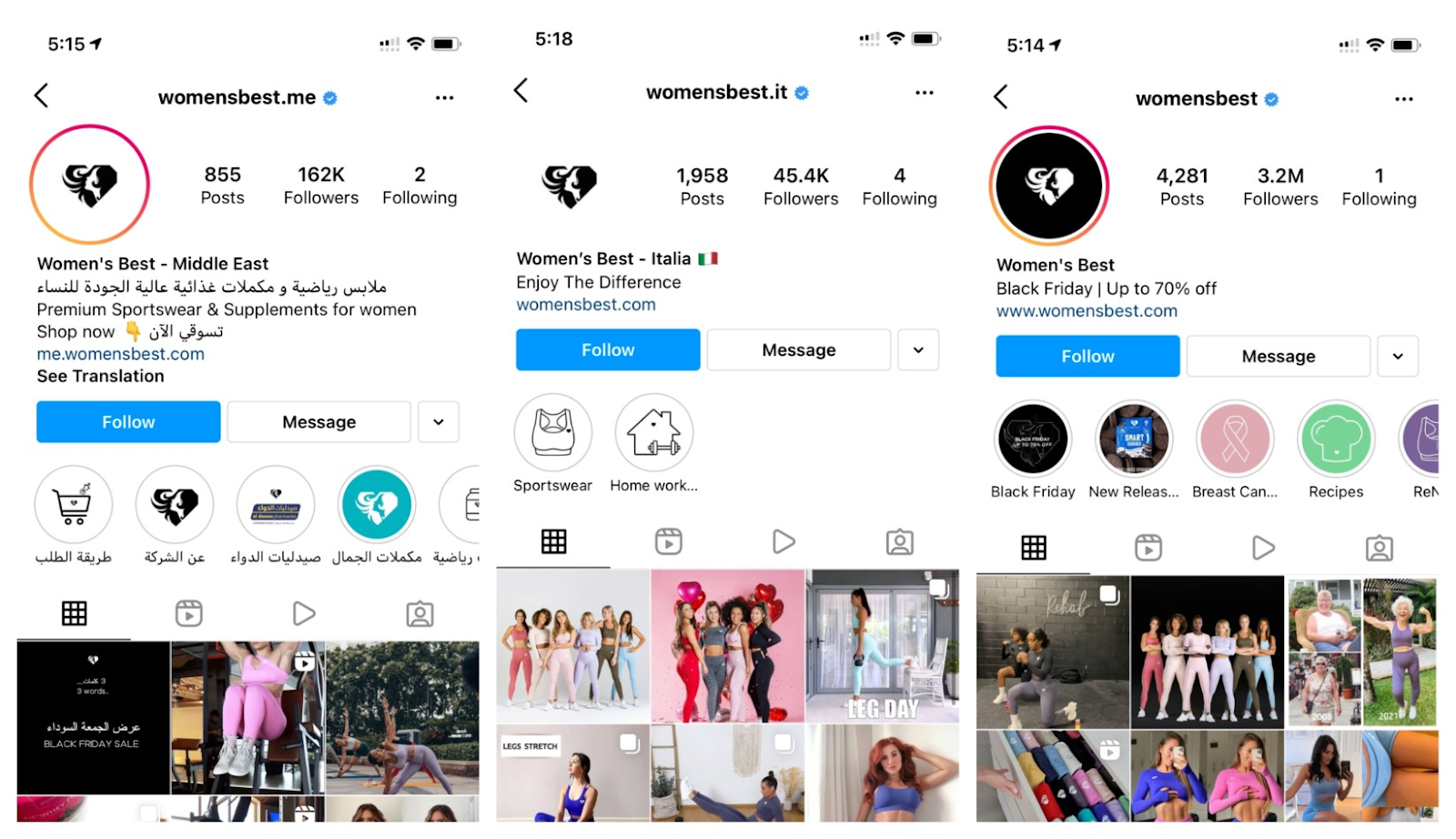
Women’s Best also offers a separate account for its apparel, Women’s Best Wear. By creating these targeted accounts, Women’s Best can build specific customer funnels based on customers’ locations or interests.
If your goal is to sell around the world, take note of the customer nuances that may impact how you interact with your audience. For Women’s Best, different Instagram accounts help satisfy those distinctions.
Campus Protein was founded by students, for students (hence the name). The supplement brand has since scaled beyond college campuses into a multimillion-dollar operation, but it still targets college students through its messaging and marketing efforts.
Growing from one campus in 2010 to 300 by 2016, Campus Protein saw rapid growth through its Campus Rep program. Today, not only do reps make up to 12% commission, but through reps, Campus Protein has also been able to directly reach student populations—versus selling to them from generic store shelves.
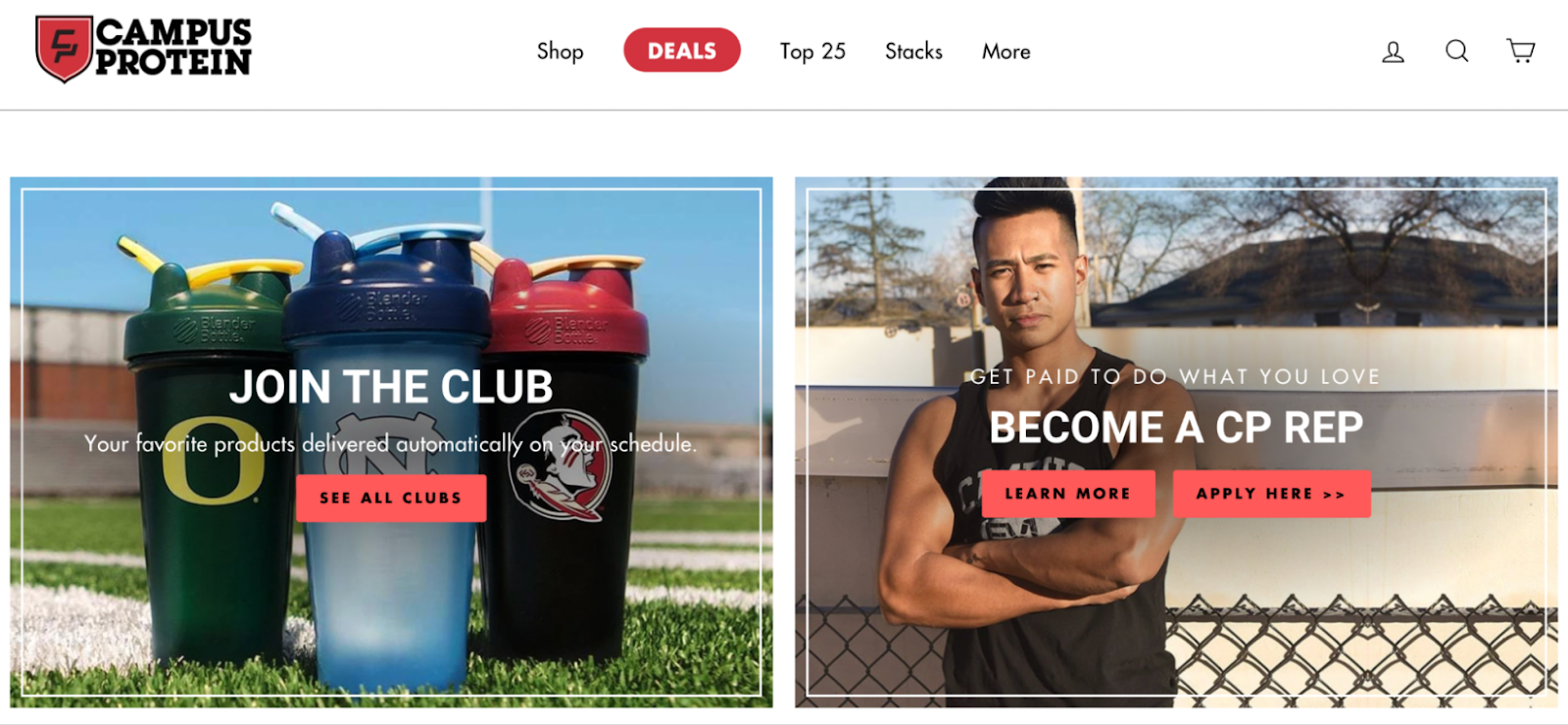
Moreover, Campus Protein has also supported reps as they’ve started and grown their career—either at Campus Protein itself or through another full-time job.
This approach has allowed the brand to inadvertently build a loyal community of Campus Protein fans, ensuring customers will make repeat purchases and that reps will benefit.
SweetLegs sells leggings to women of all shapes and sizes. But aside from an incredible, inclusive product, what sets the brand apart is the fact that it favors simplicity over the complications of traditional enterprise ecommerce platforms.
In 2016, the SweetLegs website crashed on the most important shopping weekend of the year: Black Friday. In the aftermath, this multimillion-dollar brand decided it couldn’t face 2017’s holiday season exposed to the same risks.
So, it decided to re-platform one month before Black Friday.
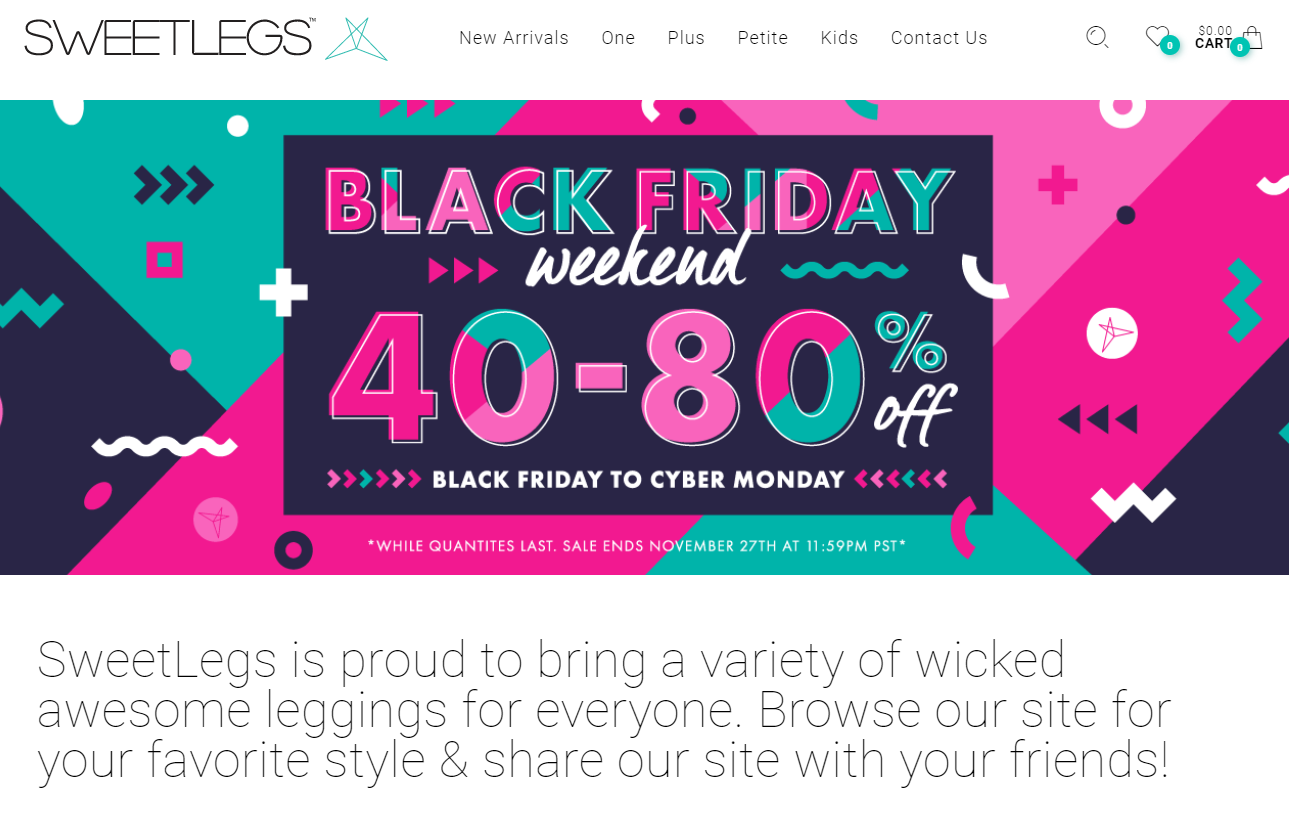
“On October 16, we picked a standard template, paid a firm to migrate our data, and were up and running by November 1,” says Chris Pafiolis, CEO of SweetLegs.
“With our craziest month to date—$2 million in sales, over 10,000 transactions, and insane amounts of traffic—we no longer worry about sending marketing emails in batches or crashing the site. We can truly focus on growing our business!”
Simplicity means you can spend more time taking care of what matters. Since then, SweetLegs has continued to grow and enjoy seamless transactions.
Would you ever think of buying a mouth guard online? If I told you that athletes across the country—including from the New England Patriots, Toronto Blue Jays, and University of North Carolina basketball team—were doing it, would it change your mind?
Sports technology company GuardLab is revolutionizing the way athletes buy mouth guards. It’s incorporated an online-to-offline (O2O) strategy that takes the worry out of the buying process.
To purchase a mouth guard, customers must submit a dental scan, either through an at-home kit or their local dentist. Athletes can also customize their mouth guard with their name, team logo, or country’s flag.
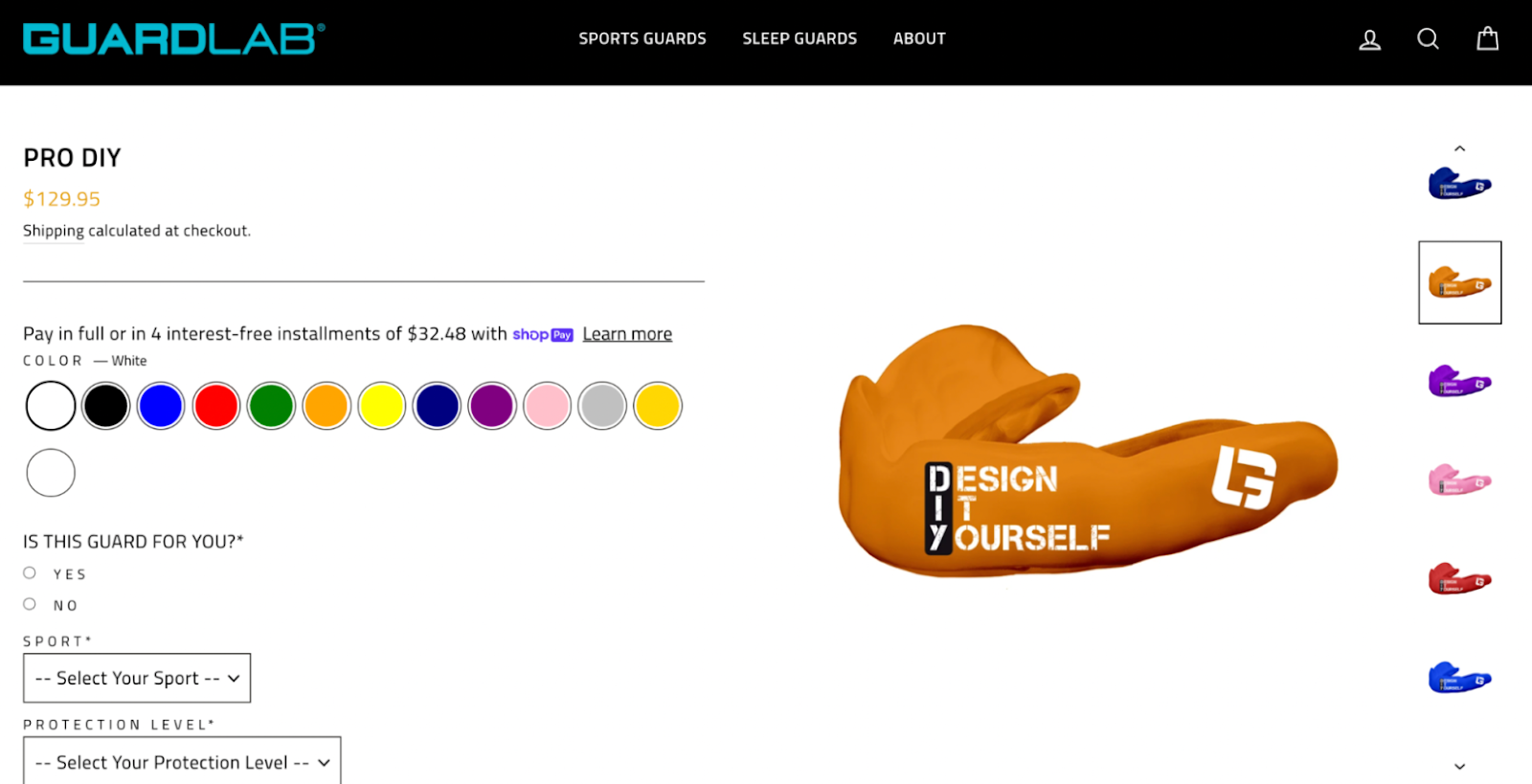
Better yet, GuardLab keeps every customer’s scan on file so athletes only have to submit a custom scan once.
If having O2O is part of your strategy, it’s critical you have the systems in place to ensure a seamless experience for customers. It’s also helpful to display customer reviews and testimonials to build trust with potential shoppers.
Fabletics has taken athleisure to a new level by offering customers a VIP subscription membership. These customers enjoy curated monthly outfit choices at a reduced cost.
Dustin Netral, Senior Vice President at Fabletics, says, “We use this information to project inventory. We can see past purchase behaviors and attribute a transaction.”
By asking new members seven targeted questions about their lifestyle and style preferences, as well as using their past purchases as predictors, Fabletics can personalize outfits for each member.
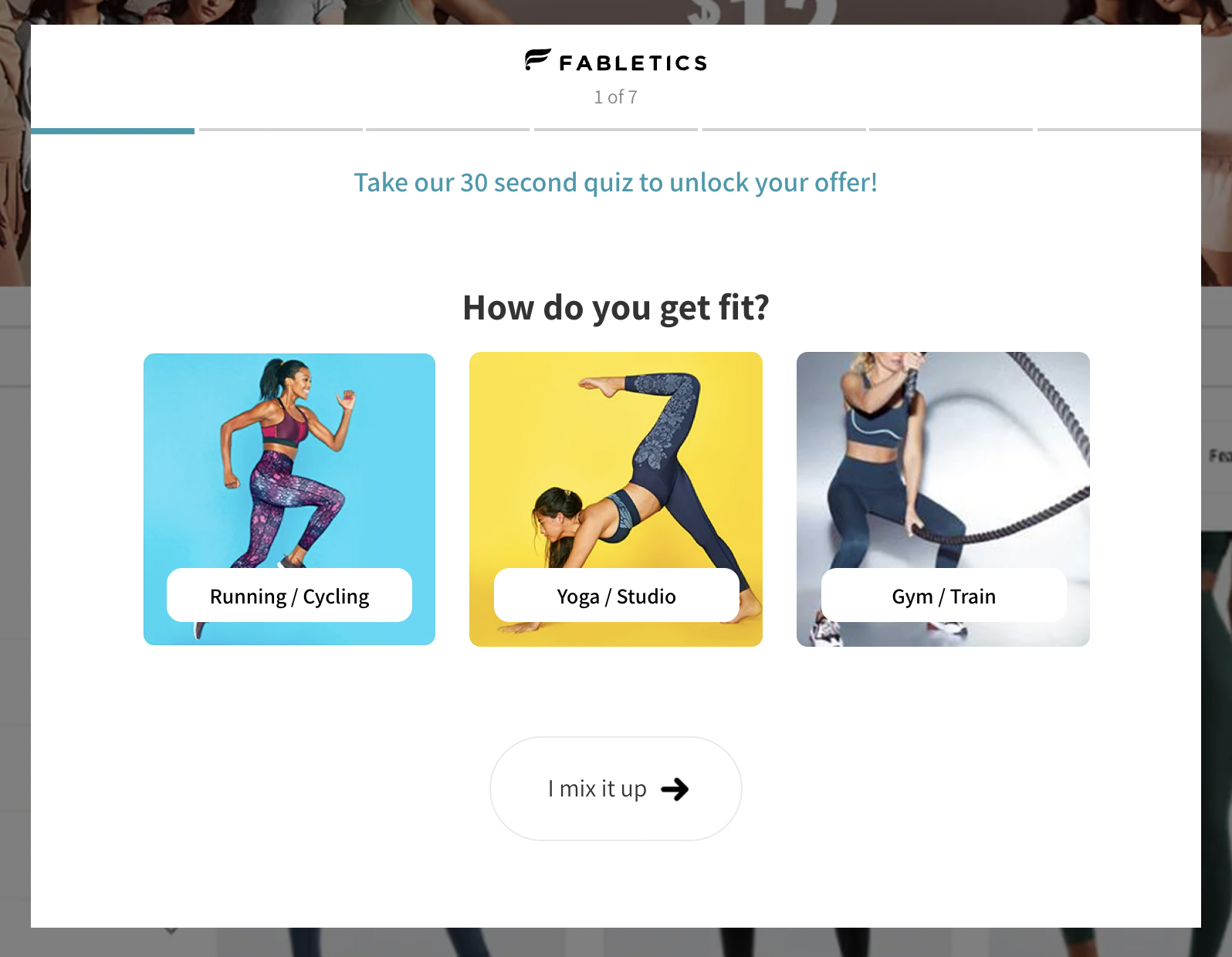
What’s more, by using its online data, the brand can enhance the offline experience for customers. It’s a win-win for both Fabletics and its fans.
In today’s online world, we have the technology to keep track of our clients’ likes and purchasing behaviors. With the proper permissions in place, using this information to improve a customer’s experience will result in the elusive yet oft-mentioned “surprise and delight” factor.
Active Truth was founded on the premise that women deserve better from the activewear market. While working full-time jobs, founders Stevie and Nadia launched Active Truth with 100 pairs of tights in a plastic tub, a homemade website, and no marketing budget.
How did they get to where they are today, with six full-time employees, a large warehouse, and a dedicated HQ? By investing in simple yet robust ecommerce solutions that allowed the company to focus on expanding its mission and vision.
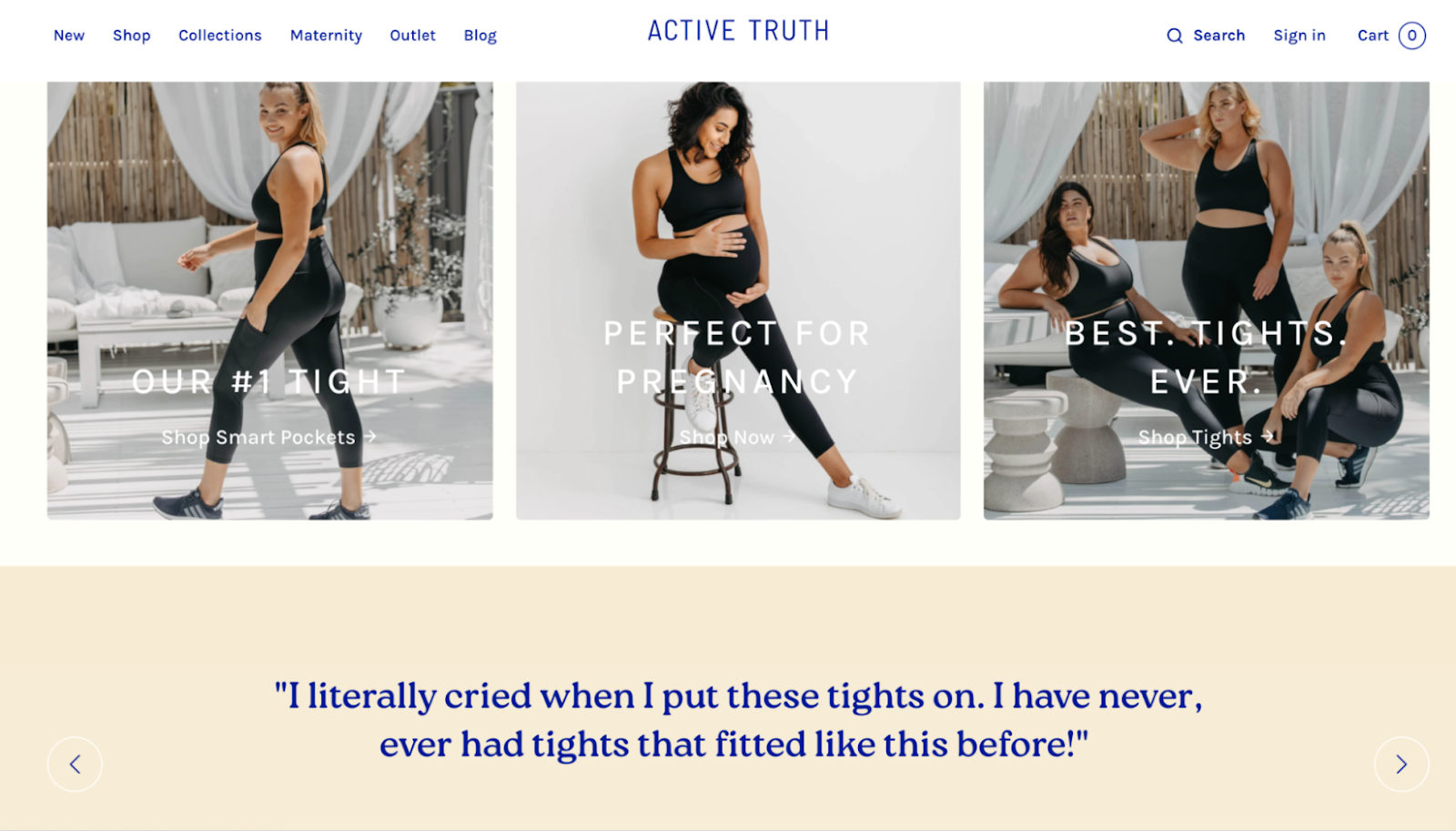
The Active Truth team was tired of managing the website at all hours of the day, so they sought a low code ecommerce platform—Shopify Plus. The move let Active Truth “set and forget” its operations, but this didn’t affect its performance.
In fact, once it replatformed, Active Truth’s conversion rate increased by nearly 50%.
Whether your ecommerce brand is operating from a plastic tub or massive warehouse, a simple yet effective ecommerce platform can do wonders for your fitness business.
Can a few seconds affect sales? Absolutely.
A slower page response can lead to higher bounce rates and cart abandonment. Even a one-second lag on your page’s upload can result in 7% fewer sales. And if you’re pulling in $100,000 a day, that adds up fast.
For athletic company Mava Sports, that was unacceptable.
“You can have the best advertising, but if the people don’t wait for the page to load, it’s useless,” explains Vali Vetan, Mava Sports’ coding whiz.
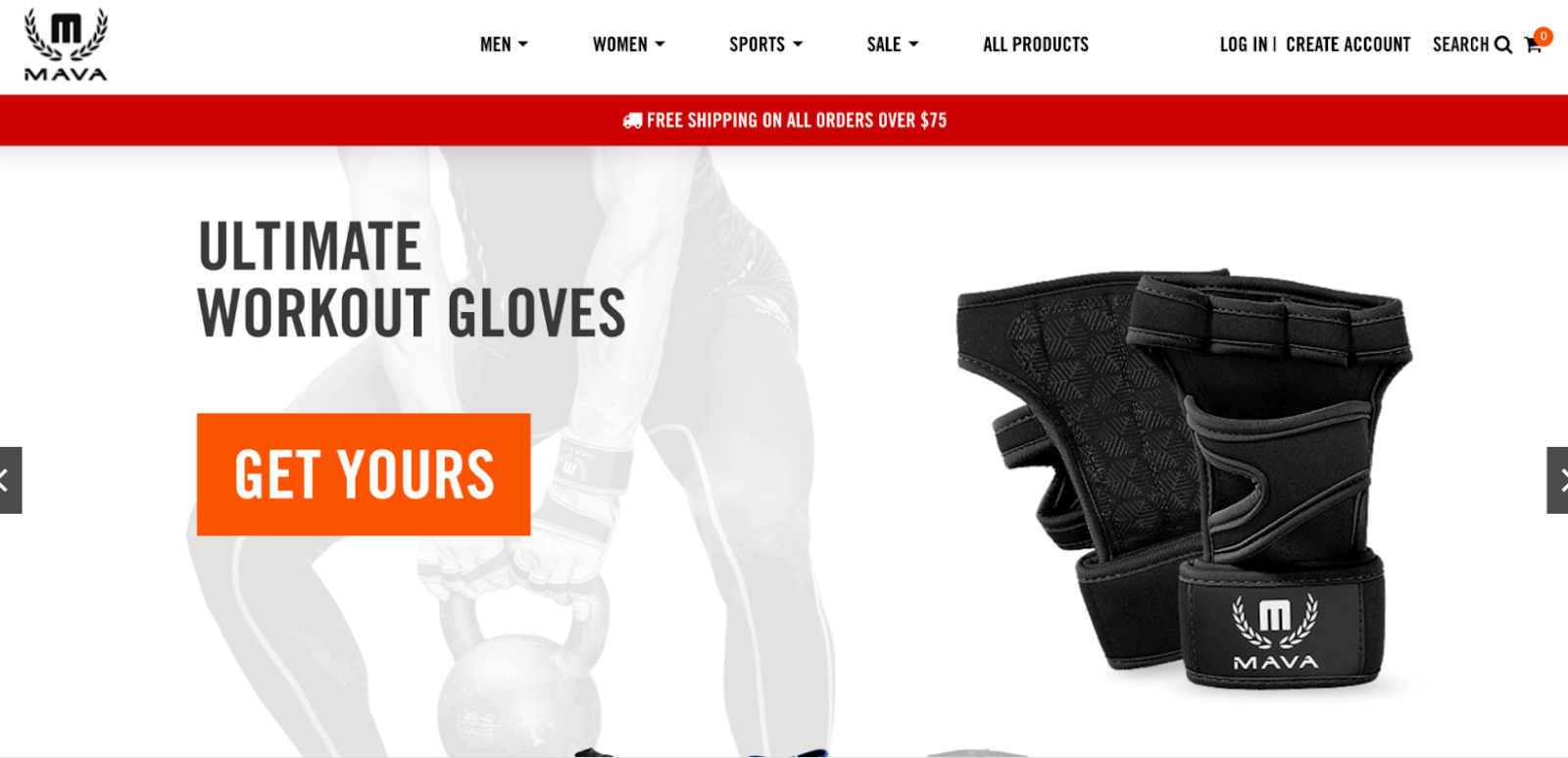
So, what did Mava Sports do about it? Vetan and his team removed as many non-essential apps and plug-ins without compromising the customer experience. They kept only the essential content and apps—and used the LazyLoad script—to ensure that the website would load immediately.
Thanks to all these tweaks, the Mava Sports website now loads five times faster. Having all the bells and whistles is nice, but if it comes at the cost of a faster site, is it worth it?
Understanding what’s critical to the user experience and removing what isn’t can help speed up your pages and make visitors stay longer.
Kayla Itsines is a worldwide fitness phenomenon. She was voted one of Time’s 30 Most Influential People on the Internet in 2016 and made Financial Review’s list of Young Rich Australians in 2021.
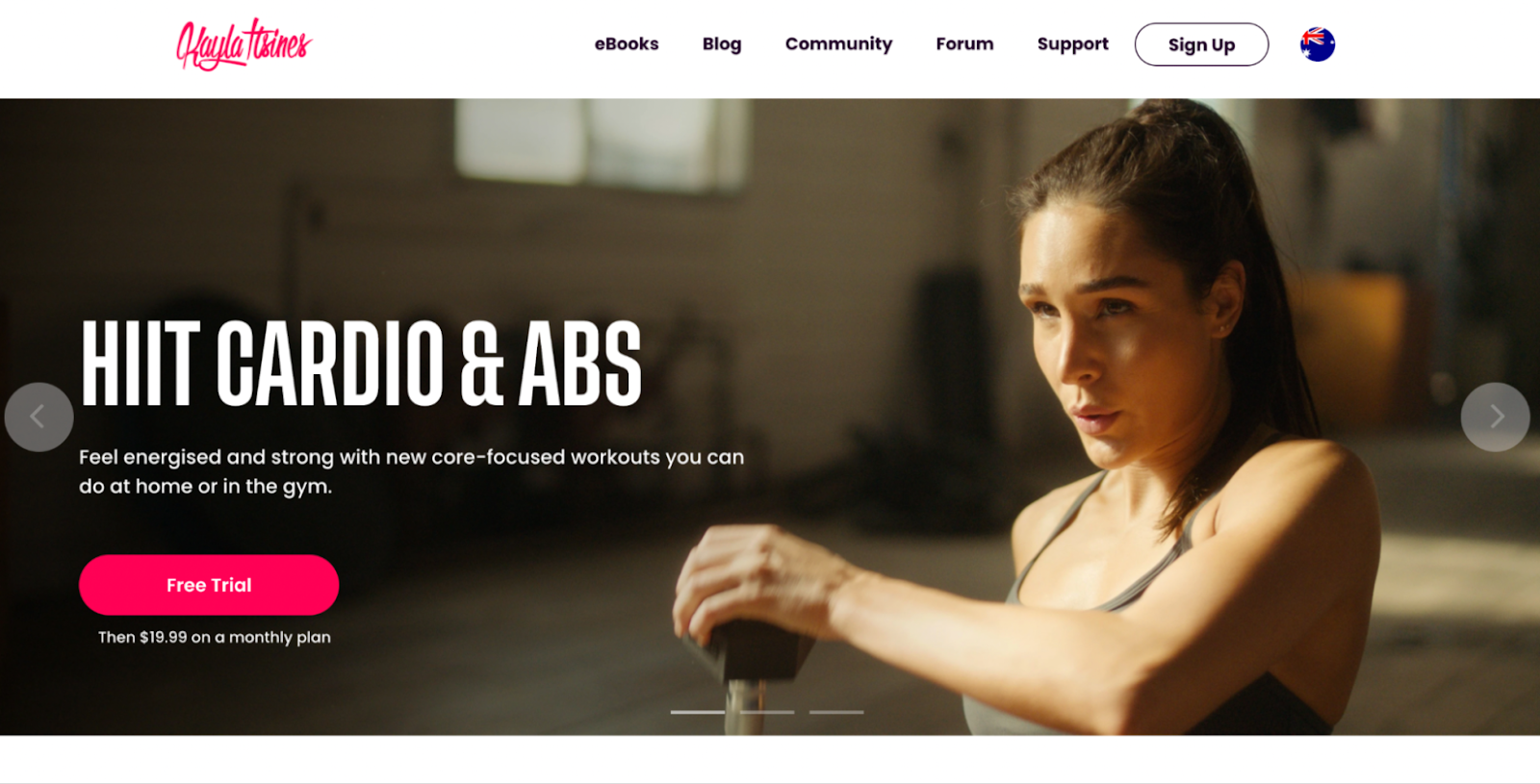
In 2008, Itsines became a gym trainer when she finished school. She worked with women who all had the same fitness goals: slim down, but don’t bulk up. When the machine-based classes she was leading didn’t seem to do the trick, she switched to aerobics. Women loved the classes, and Itsines saw way better results.
Friends began asking Itsines for help with nutrition and fitness. In return, Itsines wanted before and after pics to share on Instagram. She got noticed by women all over the world who started asking Itsines for guidance. From there, she built her brand into the $160 million empire it is today.

Her more than 15 million followers on Instagram and close to 30 million on Facebook didn’t happen overnight.
She focused on the aspirational side of fitness, and it works, because real women in the real world began showing their results and spreading the Itsines gospel.
Another noteworthy tactic? Her products pages all have a “Recommended for you” section to help guide customers and drive upsell. These methods work best when you have a loyal customer base that trusts your recommendations.
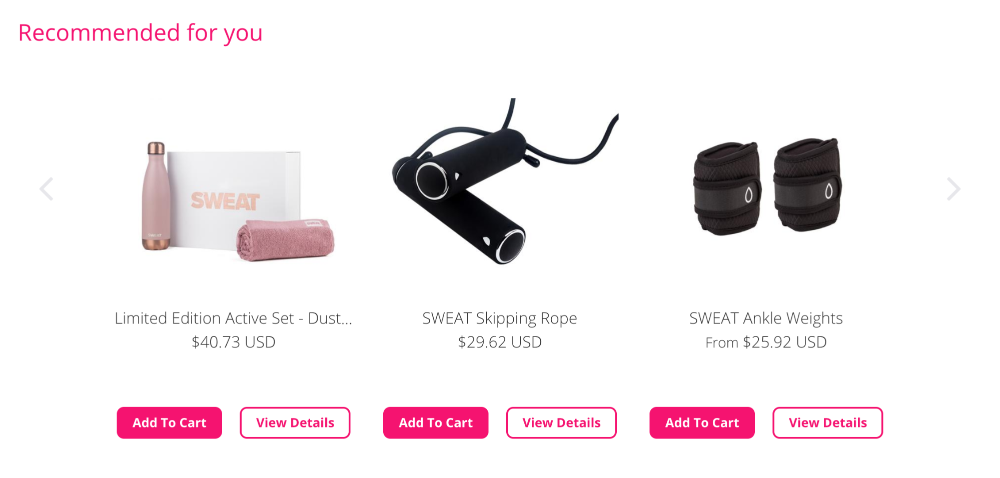
Customers like knowing what to expect from brands, and so consistency helps move you forward. The takeaways from Itsines are to be true to yourself and your brand.
This list of fitness ecommerce websites shows the variety of opportunities available to businesses that want to take advantage of this industry boom. None of these businesses happened overnight. They all started small and worked their way up to being the fitness juggernauts that we see today.
To help you get there too, let’s explore some tips for how to build your own fitness ecommerce store.
Building a strong fitness ecommerce store starts with a rock-solid business plan. You need to identify a suitable niche, prove the demand, and create a foundation on which to grow your business. Once you have that, you can start to build out the ecommerce and marketing ecosystem you’ll need to drive exponential growth.
Here’s how to do that.
The fitness industry is enormous. That means there’s a wide range of options for newcomers to make their mark and sell their unique product.
Choosing the right product, though, can be tricky. Should you sell physical goods? Digital products? Subscriptions? A combination of all three?
The answer to those questions depends on who your target buyer is, and what problem you’re looking to solve for them. Knowing what to sell, and who to sell it to, should be your first consideration before building a fitness ecommerce store.
Here are some tips to navigate that thought process:
There are a lot of different ways to enter the fitness industry. For those looking to sell physical goods, you can branch off into gym equipment, supplements, apparel, or devices. Service professionals could look at selling workout routines, online classes, or program subscriptions.
The best businesses are able to identify a clear need in their target community and find ways to offer solutions to meet that demand.
Once you’ve decided on your product, the next step is picking an ecommerce business model.
Which one you choose will depend on your target customer, your product, and your business goals.
Some common business models for ecommerce brands include:
Your ideal business model will be determined by:
Some businesses may employ multiple business models concurrently. For example, B2C or DTC brands may include subscriptions to virtual fitness classes on their websites as part of their community development activities.
On that note, you may also consider sales and marketing tactics to help drum up demand and interest. This could include focussing on community building, employing the flash sale model, using omnichannel or headless ecommerce infrastructure, or diving into the world of social commerce.
Once you have your product or service and you’ve selected a business model, the next step is picking your commerce platforms.
There’s a lot to consider, starting with the type of platform you should go with. Here are the three most common ones to choose from.
To ensure scalability, reliability, and ease-of-use from your fitness ecommerce store, we strongly recommend a SaaS platform like Shopify Plus.
When considering the right platform for your needs, you’ll want to look for one that can grow with you and makes it easy to manage your day-to-day business.
In particular, you should look for platforms with:
Shopify Plus is a cost-effective SaaS solution that’s purpose-built to help fitness companies scale and grow their business. It reliably handles spikes in traffic and sales caused by events like Black Friday or flash sales, and offers the highest converting checkout experience on the internet.
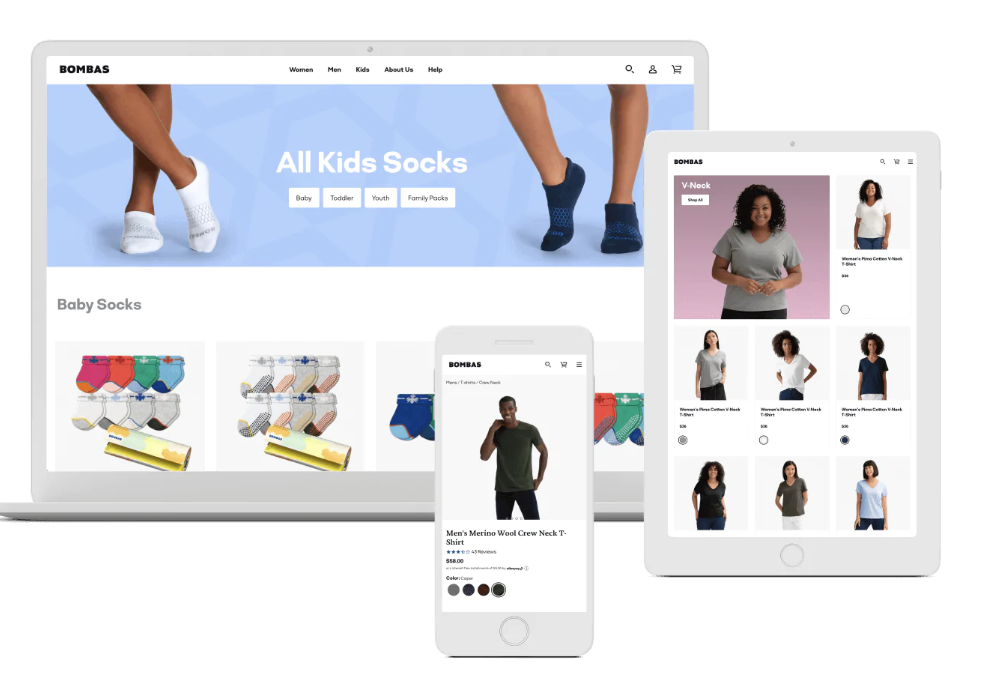
Brands looking to expand globally, launch omnichannel experiences, use a headless ecommerce model, or operate an online-to-offline (O2O) can do so with Shopify Plus.
Once you’ve landed on your ecommerce platform of choice for your fitness website, the next step is to either build your store or migrate your existing one.
To start on Shopify Plus, the process looks something like this:
If you’re new to the platform, a Shopify Plus merchant success manager will be happy to help. Or, you can work with a Shopify Plus partner to help get you up and running.
For businesses looking to migrate their existing fitness store to Shopify Plus, the process looking something like this:
Every migration will be a little bit different. Read the Ecommerce Replatforming Guide for a more detailed explanation of the process.
Once your website is built and tested, it’s ready to push Live. But, the work is far from over.
On launch day, you’ll want to make sure you’ve covered:
After launch, you’ll need to:
If that sounds daunting, we recommend reaching out to us at Shopify Plus or to a partner for help.
The fitness ecommerce market is ripe with opportunity for ambitious entrepreneurs and businesses with the know-how and drive to scale their business.
The ecommerce websites in this article have taught us the importance of:
The adage of thinking outside the box (or in this case, thinking outside the gym) isn’t dead just yet.
Building a fitness ecommerce stores involves:
Examples of fitness ecommerce websites include Gymshark, Crossrope, BPI Sports, Altitude Sports, 310 Nutrition, NOBULL, and Boxraw. These websites sell goods and services ranging from gym and home fitness equipment to apparel to supplements.
The fitness ecommerce market is growing rapidly at a pace of 38.2% per year, and is expected to hit $64.57 billion by 2028. North America is driving the majority of this growth, and holds the largest market share for online fitness.




