Free every Thursday · 61,308 Readers
Fastlane Insider Newsletter: What's working for Shopify in the AI era?
Free every Thursday · 61,308 Readers
Fastlane Insider Newsletter: What's working for Shopify in the AI era?
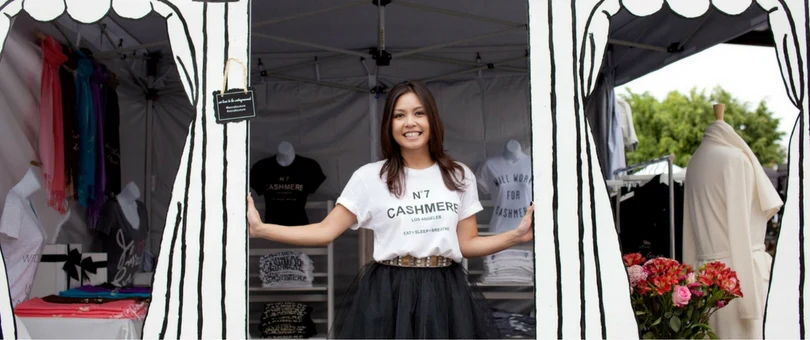
Trade shows provide the ultimate opportunity for indie makers and smaller brands to cultivate connections with customers in the flesh. Getting yourself a market booth is also a manageable and (relatively) affordable way to showcase your wares in person, rather than investing in a full-scale retail location.
Simply having a vendor booth, however, isn’t enough. The design of the booth and how you display your products impact a passerby’s likelihood of engaging with your brand. It’s those people that are most likely to turn into paying customers.
Looking for inspiration? This guide shares the best vendor booth ideas, alongside the latest tips on setting up your market booth for success.
A vendor booth (also known as a market booth) is a small space, usually 10 feet by 10 feet in size, within a trade show hall. They provide space for brands to display their products and branding to attract customers.
Vendor booths at trade shows, craft fairs, and makers’ markets also offer the opportunity to network with fellow entrepreneurs in your area. You can gain access to the events audience, test your brand launch in a real-life venue, meet potential wholesale clients, and build a local following.
Trying a popup in-person selling experience can also serve as the stepping stone to opening a physical location.
Trade show attendees often see a banner before they see the booth itself. Use yours to make a strong first impression, which turns footfall into booth visitors.
Get creative with your banner while sticking to these best practices:
The walls and ceiling of your vendor booth space are great spaces to showcase your brand—especially if you’re in the creative trade.
“Walls are fantastic for telling your brand story,” says Esme Rogers-Evans, jewelry designer and founder of Duxford Studios. “Create well-designed picture boards or use your branding and product photography to build your visual story.
“I also love hanging some intriguing tools on the walls, as I like to promote that I work with a completely handmade process—this can be a fantastic conversation starter.”
One word of warning: don’t go overboard. Many market booths fill any available space, which results in a cluttered and confusing trade show display. Utilize items to highlight a handful of focal points throughout the vendor booth, use simple signage, and leave blank spaces.
Try to leave enough space to create seating arrangements for attendees. Just a few people can make your booth look busy and interesting, triggering herd mentality and encouraging more visitors.
This is especially useful if you’re selling to wholesale or B2B customers at the vendor event. Buyers often want more information before committing to large orders. Give them space to sit down inside your market booth and chat through their options with your sales team.
Trade show organizers divide their space into smaller booths and charge accordingly. If you’re on a budget or stuck with a smaller booth, opt for mobile checkout. You won’t need a designated countertop to store a fixed terminal—instead, you can process payments from anywhere in (or out!) of the booth with a mobile POS system and card reader.
💡Tip: Tap to Pay on Shopify POS can turn your smartphone into a credit card reader with no additional hardware required. That’s one less thing to worry about when packing your equipment and setting up a vendor booth.

Distribute bag stuffers—small, curated free products relevant to your industry—as a creative way to get people to interact with your vendor booth or popup shop.
A bag stuffer might include:
“To keep our brand top of mind, it’s important to make sure they have something to take home,” says Nora Sermez, founder of the jewelry brand Sermez. “We gave away a mystery ticket with a QR code that can be scanned for a discount on a first purchase, and for more serious buyers, a signature jewelry box to keep on their vanity.”
Instead of talking about the benefits of your product, use live demos to showcase your product in action or create a hands-on experience for attendees.
If you sell crafts, for instance, set up a live art demo to give potential customers a sneak peek into your creative process. Visitors will witness your creative process in action, adding a layer of fascination and appreciation for your craft.
Strategically incorporate demo space into your booth’s original design or pick a booth with a small workstation for demos. Make sure there’s plenty of space for people to move about, mingle, and easily access the demo display.
If you can’t hold a live demo, give your booth visitors a virtual demo. Use an Android tablet or iPad kiosk, then find interactive elements, like augmented reality (AR) features, to give visitors a hands-on experience that’s almost as good as holding the real thing. Just be sure to also get a little face time with visitors so they don’t just play with the demo and leave without talking to someone.
Booth visitors often look at everything on a table that’s within easy reach as well as what’s displayed on a wall, such as vendor booth signs, shelves, or easels.
Use different heights for wall displays and hanging banners or signs. These add visual elements to the ceiling and draw attention to your booth from a distance. You’ll free up floor space and make your booth appear more open and welcoming—without sacrificing brand visibility.

There’s no need to design your vendor booth from scratch at each retail event. Save money on your vendor booth display by repurposing durable material. Get inspired by your product and brand, and see how it can help inform the materials you use for décor.
Your bestselling products are popular for a reason—they have mass appeal. Displaying them front and center of your vendor booth draws people in, especially those who might be unfamiliar with your brand.
Plus, when you label a product as a “bestseller,” it creates a sense of trust and helps nudge new or indecisive customers toward a quicker buying decision. People tend to gravitate toward what’s already been validated by others.
💡Tip: Bestsellers often differ by location—what sells best online might not be the most popular at trade shows when customers can physically interact with products. Use Shopify Analytics to compare product performance and sell-through rates by location.
Limited-time deals motivate market booth attendees to buy or commit on the spot, rather than waiting and potentially forgetting after the event. Discounts can also encourage impulse purchases, particularly if the offer is only available at the show. They need to act now to take advantage.
But exclusive offers don’t have to be discounts. Create product bundles to combine your bestsellers and encourage product discovery, or offer free ship-to-home services for larger items. These help combat common sales objections—like not knowing which item to buy, or purchasing a product they’ll have to carry around all day.

A well-lit vendor booth creates an attractive atmosphere that draws visitors, generates interest in your product, and promotes sales.
Accent lighting, for example, spotlights the most important elements of your booth, like your branding, displayed products, or marketing messages, which helps them understand a bit about who you are. Flattering hues are good for your booth staff and visitors, while spotlights are ideal for highlighting products or a part of your display, like your brand name or logo.
An inexpensive way to keep your vendor booth current is to regularly refresh the display. It’s especially handy if potential customers visit the booth at more than one event. A unique experience each time could be enough to draw them back and increase popup sales.
For each trade show event, brainstorm vendor booth ideas that experiment with:
There’s a reason photographers and top brands use white backdrops to shoot items—it really makes the products pop. Keep that principle in mind with your vendor booth: Use muted colors to help make your products stand out.
If you’re going with another color palette, try matching it to your brand color for your packaging or signage—and maybe even how you dress at the show. Uniformity and consistency make for stronger branding. Your goal is to create a cohesive and on-brand look with the elements and colors you choose.
Snarki Studios, for example, uses the same pink color scheme for their vendor booth sign and price lists:
Since every touchpoint of your vendor booth adds to the overall story of the booth space, flooring can help immerse your visitors even further into your brand’s world.
Plus, visitors might want to take “flat-lay” pictures of your products and shoefies (shoe selfies) to post on Instagram. When they tag your brand in those pics, it creates a library of user-generated content (UGC) you can share in your Stories or repost to your own account (with permission).
If you want to encourage people to hang around and stay engaged on social media while visiting your vendor booth, try setting up a makeshift selfie station. Simply create a backdrop with a Bristol board or cardboard, or reserve a “blank space” on one of your vendor booth’s walls. You can also cut a frame out of cardboard to serve as a selfie prop.
Whether you use a wall or a frame, make sure your branding, URL, hashtags, and social handles are clearly incorporated. It’s a fun way to encourage user-generated content that you can then post on owned social media channels.
Long gone are the days of visiting a trade show with the sole purpose of buying a product. These days, customers want experiences from the brands they’re shopping with. Offering these experiences in your booth can help you stand out from other vendors.
Experiment with different trade show booth ideas that make the experience shareable. For example, brainstorm fun market booth activities like:
A contest or giveaway is an easy way to get the conversion flowing with booth visitors. The customer gets something for free (entry into a competition), while you open the floor to learn more about what they’re shopping for.
Ask shoppers to supply their email address or sign up for your newsletter for the chance to win something, which could be a gift card for your store, a gift basket filled with your products, or an impressive discount code to redeem on their next purchase. Announce the contest winner at the end of the day, every hour, or even via email to keep the conversation going with your customer post-event.
Looking for a smart hack that drives people toward your vendor booth? Take a leaf from Costco’s book and offer free food to visitors. It’s a great conversation starter your sales team can use to segue into product pitches.
Packaged products work best since you’re unlikely to have access to cooking appliances. That could include:
If it makes sense for your business, you could even offer food that’s somehow relevant to your products or branding. For example, attach your business card or a branded sticker to the packaged food you give out. Or if you’re a kitchenware brand, find clever or logical ways to incorporate your food offering into your product merchandising.
DesignMeHair hands out free cotton candy from their vendor booth to draw people in:
Product samples allow booth attendees to interact with a miniature version of your product. Instead of guessing which item they’ll get the most value or enjoyment from, they can try before they buy and make a more confident decision.
Free samples also act as conversation starters with people passing by. Spencer Lynn, northeast regional manager at KOS, advises, “Step out from behind your booth and get in front of it, hand out some samples in the aisles. If it’s really slow, I’ll grab some of our single-serving sample sachets and walk the floor myself and hand them out as I go. Sometimes people will come to seek out our booth after that to find out more info.”
Collecting email addresses helps you stay in touch with vendor booth visitors—even if they don’t buy. It also builds up your lead list for follow-up marketing.
To collect email addresses at the vendor booth:
After the event, send thank you emails to visitors who signed up for your mailing list to show you appreciate their interest in your product or brand. Remind them they signed up at the event. Include a link to an online form where they can confirm their subscription via email and a clear CTA of what you want them to do next, like “Visit our website” or “Get tickets to our next vendor event.”
💡Tip: Shopify unifies every piece of data you’ve collected on a customer into a single record, based on their email address or phone number. This gives you a 360-degree view of each customer, which you can use to segment subscribers and personalize outreach after the event.
Vendor booth success lies in being creative and repurposing items for different uses. For example, consider using books as risers or china saucers as holders for small items like jewelry or pins.
Other fun vendor booth display items include:
Sometimes, the items you need are right in front of you—they might be gathering dust in your home or the home of a family member. Check your rooms and/or studio for things you can use, such as tables, containers, and props.
Even consider bartering with other vendors before the trade show starts. See if they have any items you can trade or borrow for the event. Organizers may also have materials on hand to lend out or rent.
Once you’re approved to attend the market or craft show you’re aiming for, contact the show’s organizers to get the floor plan and any rules or regulations regarding market booth setup.
Booth regulations can be a creative challenge—how will you conceptualize the booth space within the constraints? You may only have a 10×10 space within which to tell your brand’s story.
Ask yourself what items you need to display and what the best way is to present your products. Sketch out a few possible retail layouts with a planogram, and don’t forget to leave room for areas to process payments and for storage.
Equipped with your vision and the show’s plan, consider how you’re going to build your booth. If you have a good handle of your moodboards and enough inspiration, you might be able to sketch out the blueprints yourself with the help of interior design apps.
If it’s overwhelming and you plan to attend more than one show, research companies that specialize in booth design and development.
There are three more things to keep in mind:
Step away from any distractions and welcome everyone who steps up to your vendor booth. This ensures browsers and potential shoppers know you’re available in case they have any questions.
“Our number one rule at the booth is to always be engaging and make conversation with passersby,” says says Chris Meade, cofounder of CROSSNET. “Take time to educate, have them try out the games, or simply make them crack a smile. People typically hate being sold to, so do your best to strike up a conversation and you’ll be surprised at how far it gets you.”
Use items as icebreakers that automatically encourage interaction, ask your visitors questions, talk about your process, and generally be open. If customers think they’re interrupting you, they’re less likely to ask about an item or purchase something, which is another missed opportunity.
The less equipment you have to manage at a vendor booth, the more attention you can dedicate to your customers.
Opt for an all-in-one mobile POS system that allows you to:
Since Shopify is the only platform to natively unify POS and ecommerce on the same solution, you get one source of truth for every sales channel. Popup shops, permanent retail stores, and ecommerce websites all operate from the same business “brain.” As a result, you get real-time insight into inventory, order, and customer data—an approach proven to reduce total cost of ownership by 22% on average.
Vendor booth costs vary depending on the location, event type, and booth size. You can generally start selling at a local farmer’s market or craft fair for as little as $100 per day. Larger events, such as festivals and B2B trade shows, are more expensive because they attract higher footfall and a niche target market.