
Dotdigital blog
Want to make your emails stand out? Discover the 5 steps you need to take to make your email marketing campaigns successful.
Email marketing is one of the most powerful ways to grow your business. When done right, a successful email marketing campaign delivers one of the best returns on investment of any channel, around £42 for every £1 spent. That’s a serious return compared to traditional advertising.
But great results don’t happen by accident. They come from smart strategy, thoughtful execution, and the right tools. Here’s how to create an email marketing campaign that actually works.
An email campaign is a series of messages you send to your subscribers with a clear purpose like promoting a new product or keeping your audience engaged.
Each campaign should deliver value to the reader. That could mean sharing helpful content, exclusive offers, or personalized recommendations. The goal is to build stronger relationships with your audience over time, not just fill their inbox.
Email marketing helps you stay connected with your audience in a direct, measurable way. Unlike social media, you own your contact list and can reach people without relying on algorithms.
Creating an effective campaign comes down to planning, testing, and optimizing. Follow these steps to build emails that engage your audience and deliver results.
Before you write a single line of copy, know the goals you want to achieve and who you’re talking to.
Your goals might include:
Once you know your goals, it’s time to identify and define your target audience. Segment your email list by things like location, purchase history, or engagement level. Sending targeted, relevant messages not only boosts performance but also builds trust and reduces unsubscribes.
Different goals call for different types of email campaigns. A few common examples include:
Choosing the right email campaign type helps you focus your message and design content that supports your objectives.
A healthy mailing list is at the heart of every successful email campaign. It should include people who’ve opted in and genuinely want to hear from you. And as email marketers, it’s up to you to keep them engaged by delivering content that adds real value and enjoyment.
Add clear, simple sign-up forms to your website and promote them on your social channels. It should be simple, easy to fill out, and not require too much information. Offer something of value in return for subscribing like an exclusive guide, discount, or early access to sales.
This is also a great opportunity to collect zero-party data. This is the information your customers willingly share with you, like preferences, interests, or purchase intentions. Using this data helps you create more personalized campaigns that feel relevant and engaging from the start.
Use a preference center so subscribers can choose what kind of emails they want and how often they get them. This helps reduce unsubscribes and improves engagement.
Review your list regularly. Remove inactive or invalid contacts to improve deliverability and keep your data accurate.
It’s also important you stay compliant with data regulations, both in the US and EU. You can learn more about GDPR best practices and US data regulations to make sure your email marketing stays on the right side of the law.
Personalization makes your emails feel human. Automation makes them efficient. Together, they help you deliver the right message to the right person at the right time.
Go beyond using someone’s first name. Personalize your emails by using data like past purchases, browsing behavior, or engagement history to shape what you send. When your emails feel relevant, people are more likely to open, click, and convert.
While 78% of consumers think brands personalize their marketing, only 23% find it truly relevant. And at the same time, 83% of marketers know their campaigns aren’t personalized enough.
So, the opportunity? Huge. Most brands are still missing the mark on meaningful personalization.
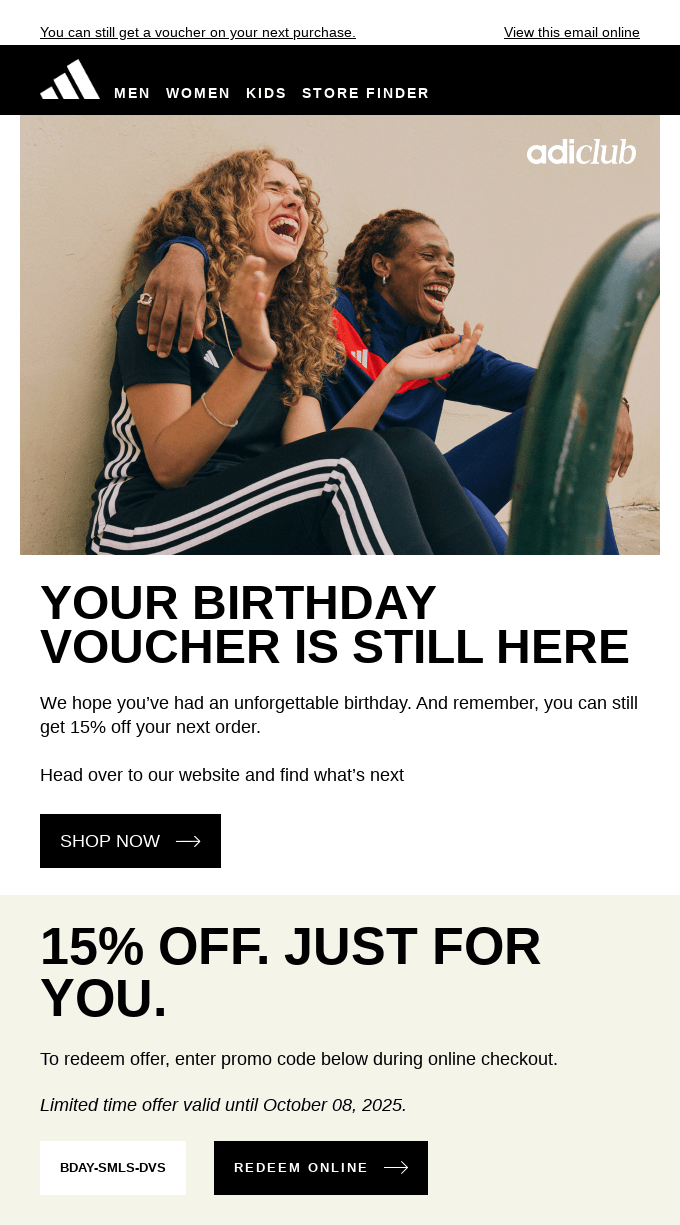
Platforms like Dotdigital make automation simple. You can set up journeys that trigger emails based on behavior like a welcome series for new subscribers or a reminder for customers who abandon their cart. Automation saves you time while keeping your customer experience consistent and timely.
One of the most important aspects of any email marketing campaign is to track, measure and analyze the results. This will allow you to understand how your campaign is performing and to make any necessary adjustments for better results in the future.
Start with key email marketing metrics like:
If something isn’t performing, use those insights to adjust. Maybe your subject lines need more punch, or your calls-to-action could be clearer. Small tweaks can have a big impact over time.
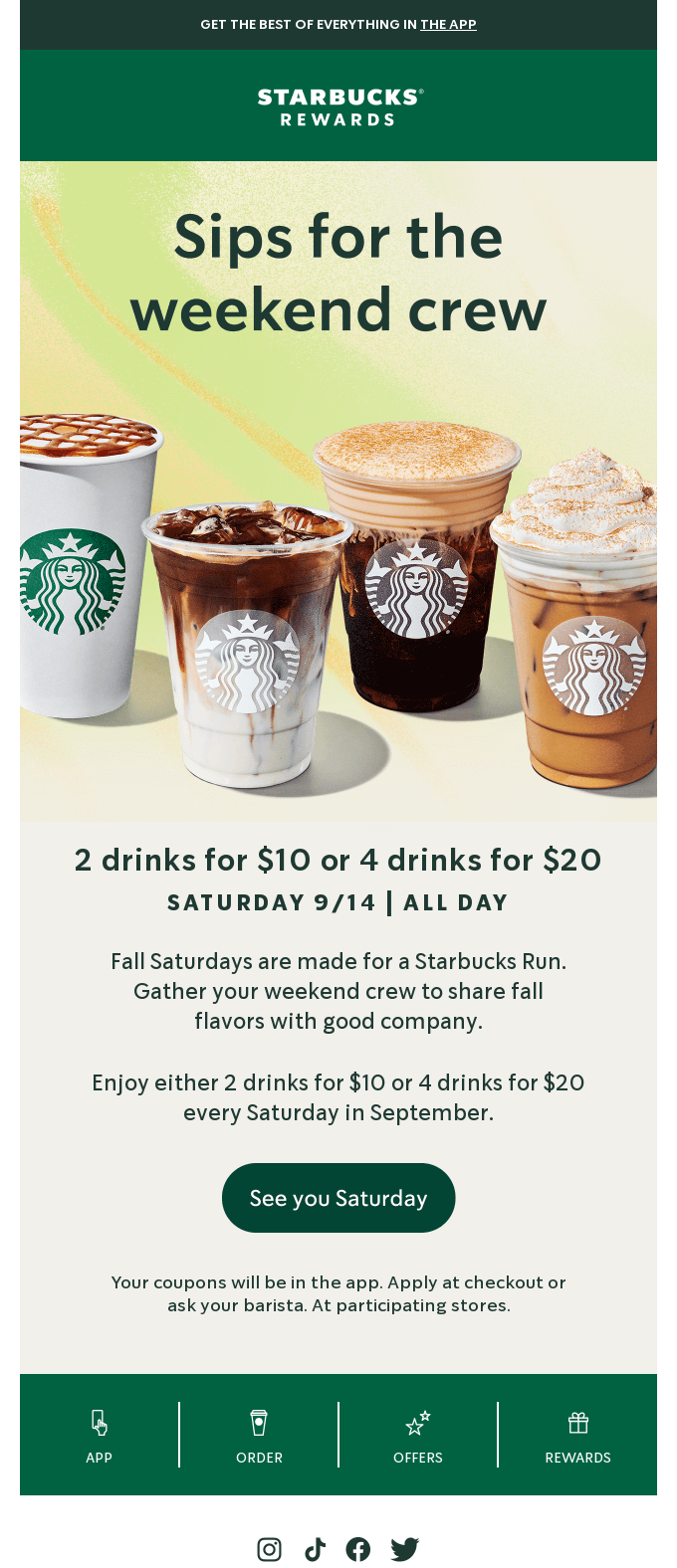
Looking for inspiration? Here are a few examples of strong email campaigns:
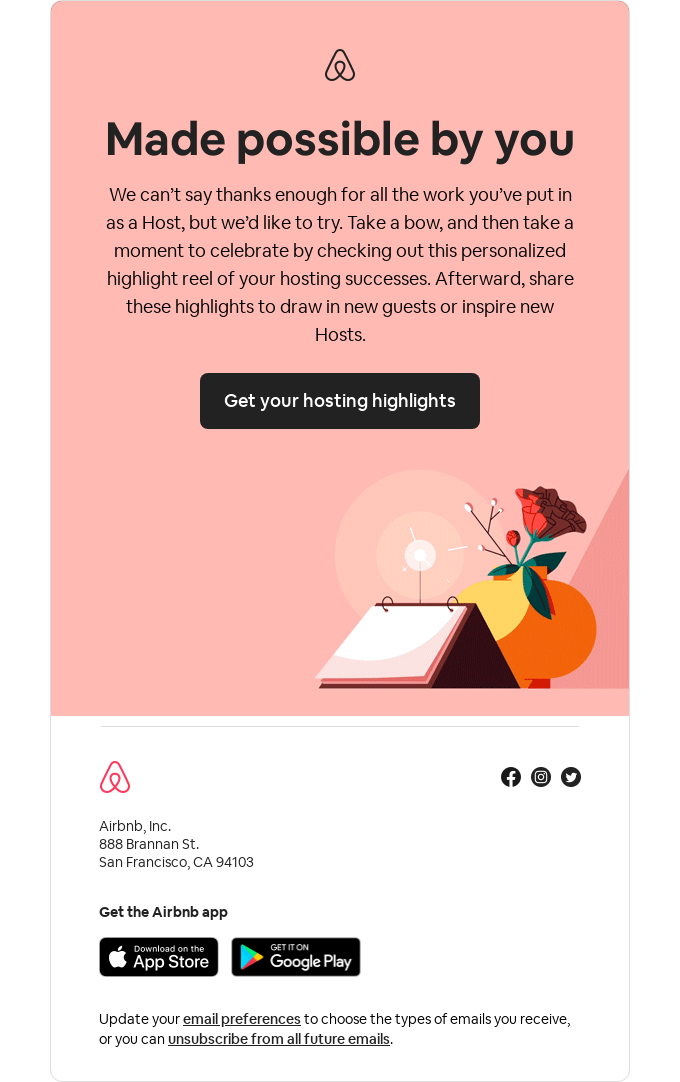
Each of these email campaigns focuses on adding value for the reader, which is the secret to long-term success.
When you define clear goals, understand your audience, and use smart tools like automation and segmentation, you’ll see stronger engagement and better results.
Email marketing is a lot more than simply sending messages, it’s about building meaningful relationships that grow your business over time.





