
12th
February, 2026
Social media collaboration is becoming a game-changer for e-commerce brands and Amazon sellers in 2026. By partnering with complementary brands or micro influencers, companies can tap into new audiences and build trust through authentic content. In fact, a recent survey found that 82% of consumers have purchased or considered a product after seeing it in a friend, family, or influencer’s social media post. This shows the immense power of collaboration and word-of-mouth on platforms like Instagram and TikTok.
In this post, we’ll explain what social media collaboration is and share five strategic tips for leveraging collaborations to drive engagement, user-generated content (UGC), and sales. You’ll learn how to form effective partnerships – whether it’s an influencer marketing campaign or a brand co-promotion – that can help your direct-to-consumer business thrive. Let’s dive in!

Social media collaboration (also known as a social media partnership or co-marketing) is a joint effort between two parties on social platforms to achieve mutual benefits. Those parties could be two brands teaming up or a brand working with content creators (influencers). Unlike a traditional ad or one-sided sponsorship, a collaboration means co-creating content or promotions together. For example, two brands with similar audiences might host a combined Instagram giveaway, or an e-commerce retailer might partner with an influencer to feature products in TikTok videos.
The key is that both collaborators bring value to the table – whether it’s an engaged audience, creative skills, or a great product – and both get to share the results. This differs from standard influencer marketing where a brand simply pays an influencer to post; in a collaboration, there’s often a deeper alignment and exchange. These partnerships are typically more authentic and engaging for audiences, since they see a genuine alliance rather than a one-off advertisement.
Why collaborate on social media? The benefits are big for online brands: collaborations can rapidly expand your reach by putting your brand in front of another’s followers, and they add credibility (people view a partner’s endorsement like a trustworthy recommendation). Collaborating also sparks fresh content ideas – two creative minds are better than one. Perhaps best of all, social media collabs tend to generate higher engagement and virality than solo campaigns while staying cost-effective. By leveraging each other’s strengths and audiences, brands can get more likes, comments, shares – and ultimately more conversions – without the hefty price tag of traditional ads. In short, teaming up with the right partner on Instagram, TikTok, or other networks can supercharge your social media marketing.
Now, let’s look at five tips to make your social media collaboration successful.

The foundation of any great collaboration is picking the right partner. You can’t just team up with anyone – the partnership has to be a good fit for both sides. Look for brands or influencers who share:
Before committing, do some homework. Examine a potential partner’s follower quality (are their followers real and engaged?), past collaborations, and reputation. Both parties should vet each other – you want to know if that influencer has had any controversies, and they’ll want to ensure your product/service is something they’re proud to promote. Mutual trust starts with knowing you’re a good match.
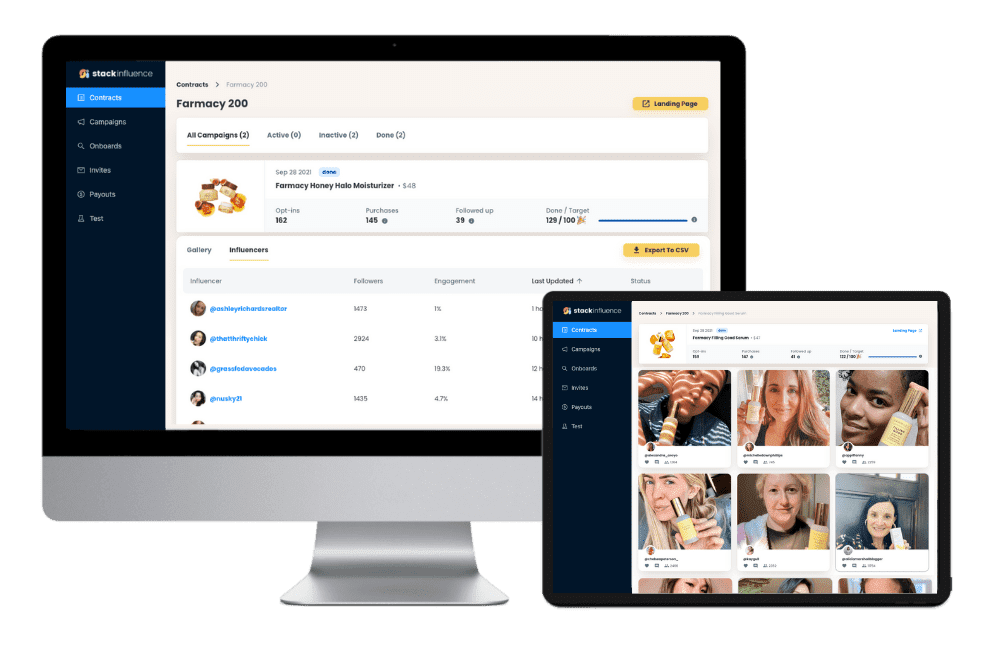
Pro tip: To find well-aligned influencer partners, consider using an influencer marketing platform like Stack Influence. Stack Influence specializes in connecting e-commerce brands with vetted micro-influencers, making it easier to discover creators who fit your niche and audience. Using a tool or marketplace (instead of random DM outreach) can save time and ensure you pick collaborators who truly match your brand’s profile. With the right partner on board, you’re set up for a collaboration where everyone – you, your partner, and your audiences – wins.
Once you’ve identified a great partner, the next step is planning how you will collaborate. There are many ways to team up on social media, so choose a format that aligns with your goals and resources. Here are some popular social media collaboration formats to consider:
When selecting the format, keep your primary objective in mind. If your goal is brand awareness, something like a viral giveaway or a co-branded campaign that media might cover would be ideal. If you want content to reuse in ads or on your site, focus on influencer UGC campaigns or collecting customer submissions via a contest hashtag. And if your goal is direct sales, perhaps an affiliate collaboration (where the partner earns a commission for sales they drive) or promo code swap would work – common among Amazon sellers teaming with influencers who share coupon codes to their followers.
Finally, make sure both partners are clear on the plan: outline who will do what and the timeline. Clarity here prevents any last-minute confusion. With the format settled, you can move forward knowing how the collaboration will come to life.
A successful collaboration isn’t just a transaction – it’s a relationship. To make that relationship work, you need to build trust with your partner and ensure authenticity in your joint content. Here’s how to foster a trusting, authentic partnership:
In short, treat your collaborator as an ally and build a real relationship. When both parties feel respected and invested, the audience will sense that authenticity. The result? Content that comes across as a genuine recommendation or creative synergy – not a forced marketing stunt. That genuine spirit is what will earn consumer trust (and drive results) in today’s social media landscape.
Even with trust in place, a collaboration can go off-track if you don’t nail down the logistics. That’s why clear communication about expectations, roles, and responsibilities is crucial before you launch any joint campaign.
Start by discussing and documenting the key details of the collaboration, such as:
It’s often helpful to put these agreements in writing (even if just in an email recap) so there’s no confusion. For more involved brand partnerships, you might sign a simple contract covering responsibilities, use of logos, content rights, etc. – especially important if you plan to reuse the collaborator’s content in ads or on your website. Clarity here prevents misunderstandings later.
By communicating clearly and getting aligned on the details, you set the stage for a smooth collaboration. Each partner knows their role, so when it’s showtime on social media, you can execute confidently and in sync.
Finally, to truly maximize a social media collaboration, you need to measure its success. Set clear goals upfront (as noted) and track how the collaboration performs against those targets. This not only shows you the ROI but also provides learnings for future campaigns.
Define Success Metrics: What does a “win” look like for this collaboration? Make the goals as specific as possible. For example: “Gain 1,000 new Instagram followers,” “Generate $5,000 in sales from the collab campaign this month,” “Get 100 user-generated posts using our hashtag,” or “Increase website traffic by 20% during the promo.” If you’re working with an influencer, you might set a target for link clicks or conversions from their unique referral link. For a brand-to-brand collab, you might both aim for a certain number of leads or a lift in engagement rate. Align these metrics with your partner so you’re on the same page.
Use Tracking Tools: Once goals are set, decide how to track them. On social platforms, take advantage of analytics – Instagram Insights, TikTok Analytics, YouTube stats, etc., will show you follower growth, reach, views, engagement and so on. If driving traffic or sales is the goal, set up UTM parameters on links or provide unique discount codes to the collaborator. For instance, give an influencer an exclusive promo code (“JANES10” for 10% off) for their followers – you can then count how many sales used that code. Amazon sellers can use Amazon Associates or the Amazon Attribution tool for tracking external traffic if available, or simply monitor your Amazon stats for a spike during the campaign period. The idea is to tie results back to the collaboration efforts as much as possible.
Monitor and Optimize: As the collaboration runs, keep an eye on progress. If halfway through the campaign you see that one type of post is performing exceptionally well, consider doubling down on it. Conversely, if something isn’t hitting the mark, communicate with your partner and adjust if you can. For example, maybe the engagement on the initial posts is lower than expected – you could decide to do an extra Instagram Live together to boost interest. Collaboration is a dynamic process; stay flexible and responsive to maximize outcomes.
Evaluate Together: After the campaign or partnership period ends, debrief with your collaborator. Share the metrics you tracked and ask them to share what they saw on their end. This combined view gives the full picture of impact. Did you meet the goals? Maybe you gained 1,200 followers (exceeding goal) but sales were a bit below target – discuss why. Perhaps the campaign fell during a slow sales week, or maybe the content was better for awareness than immediate conversions. These insights are incredibly valuable. If the collaboration was a success, you might even discuss making it an ongoing relationship or planning another project in the future.
Don’t forget the ROI. Social media collaborations, especially with influencers, can deliver strong returns when done right. For example, studies show brands earn about $6.50 in revenue for every $1 spent on influencer marketing, on average. That’s a 6.5× ROI – far higher than many traditional marketing channels. By tracking results, you’ll see if your collaboration approach is yielding that kind of return. And if not, you can tweak your strategy next time (perhaps choose a different type of influencer, platform, or content angle). The goal is to continuously improve your collaborative marketing efforts.
In summary, set clear objectives and use data to measure the impact. Not only will you justify the collaboration’s value to your business (or your boss), but you’ll also glean insights to make your next social media collaboration even more impactful.
In 2026, social media collaboration isn’t just a trendy idea – it’s a must-have strategy for growth. Whether you’re a scrappy Amazon seller or a booming DTC e-commerce brand, the right partnership can amplify your marketing in ways that traditional advertising can’t. By teaming up with influencers who create relatable content or with fellow brands that complement your own, you build trust and community around your products. You also get the kind of user-driven buzz that drives engagement and sales in today’s social commerce era.
The five tips above will help you lay the groundwork for successful collaborations: find the perfect partner, choose a smart format, foster trust, communicate thoroughly, and track your results. Keep in mind that the heart of any great collab is providing mutual value – when both sides benefit and audiences love what they see, you’ve struck social media gold.
Ready to take your e-commerce marketing to the next level? It’s time to put these collaboration strategies into action. Brainstorm a list of potential partners in your niche, reach out with a friendly proposal, and start creating something together. The sooner you start collaborating, the sooner you’ll tap into new audiences and fresh content that sets your brand apart. And if you need a helping hand connecting with the right creators, Stack Influence is here to assist – we help brands like yours launch micro-influencer campaigns that transform UGC into real ROI.
Don’t go it alone in the social media universe. Embrace collaboration, and watch your reach and credibility grow. By harnessing the power of partnerships on Instagram, TikTok, and beyond, you’ll build a vibrant brand community that keeps on expanding – and that’s a win-win worth aiming for this year.

By William Gasner
CMO at Stack Influence
William Gasner is the CMO of Stack Influence, he’s a 6X founder, a 7-Figure eCommerce seller, and has been featured in leading publications like Forbes, Business Insider, and Wired for his thoughts on the influencer marketing and eCommerce industries.
Want new articles before they get published? Subscribe to our Awesome Newsletter.
111 NE 1st St, 8th Floor
Miami, FL 33132



© 2026 Stack Influence Inc
© 2025 Stack Influence Inc
The post 5 TikTok & Instagram Social Media Collaboration Tips (2026) appeared first on Stack Influence.




