


Launching a website can be a massive undertaking for a brand, especially if it’s not the first time.
If this is your first time, you’ll learn quickly that behind every successful website relaunch is hours of planning, testing, and building.
It’s truly an all-hands-on-deck effort, but for good reason. With an estimated 12-24 million ecommerce websites out there, crafting an engaging online shopping experience is critical to standing out. Plus, a site with elevated web design (personalized shopping features, dynamic design, and intuitive ecommerce UX) converts better than others. One in three shoppers will abandon a brand after just one bad experience.
Do you think you could successfully relaunch your ecommerce site? Today, you’ll walk away knowing when you should relaunch your website, seven essential tips for relaunching your website, and more.
Unfortunately, it’s not always obvious when your website needs a revamp, let alone the degree to which it needs a refresh. Are we talking about a total overhaul? Or would small (yet impactful) tweaks suffice?
Here are two big telltale signs you need a total site relaunch.
If your site isn’t leading to sales via a streamlined customer experience, it’s time to refresh. Data shows the top priority for businesses in the next five years is customer experience (45.9% of respondents)—over product and pricing. Moreover, 86% of customers will pay more for a better customer experience.
If your data suggests your site may not serve customers—like an increased abandoned cart rate and poor NPS (net promoter score) and customer feedback—overhauling your ecommerce experience can alleviate friction.
As you grow, your brand is sure to evolve, too. You’re honing in on who your ideal customer is (and who isn’t), so it makes sense for your site to change as you gain that clarity.
With the barrier to e-commerce being so low these days (which is excellent!), it’s all the more important to design an online storefront that represents the quality of your products while telling your brand story. Differentiated e-commerce experiences are what set brands apart.
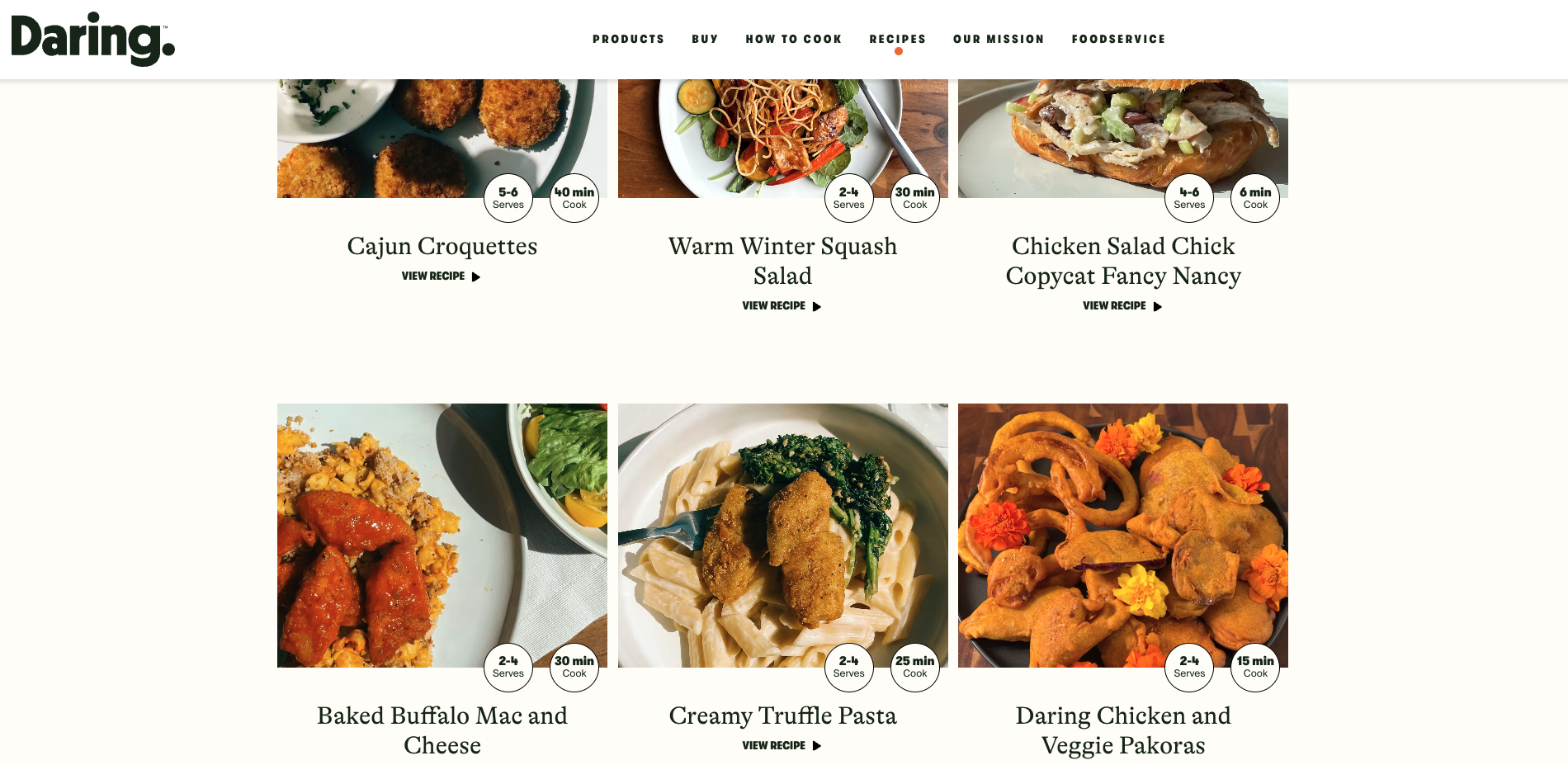
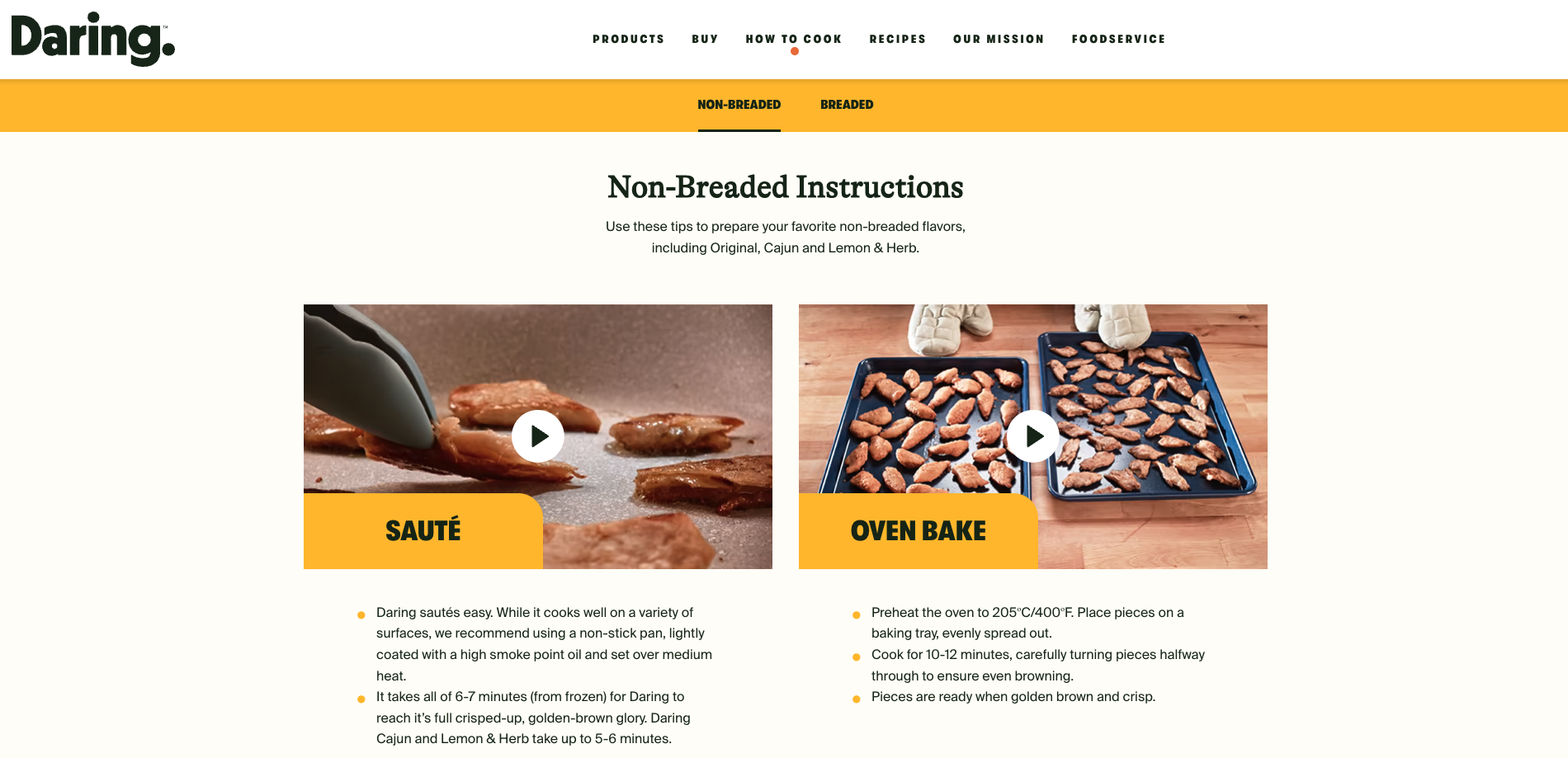
For example, the plant-based protein brand Daring wanted to redesign its website to better fit its customers’ growing customers growing needs. They wanted to create a space for customers to learn about their brand, how to cook with their products, and where to buy them (both online and in-store). Daring launched their new Shogun Frontend-powered site with an educational hub packed with how-to videos, recipes, and more.
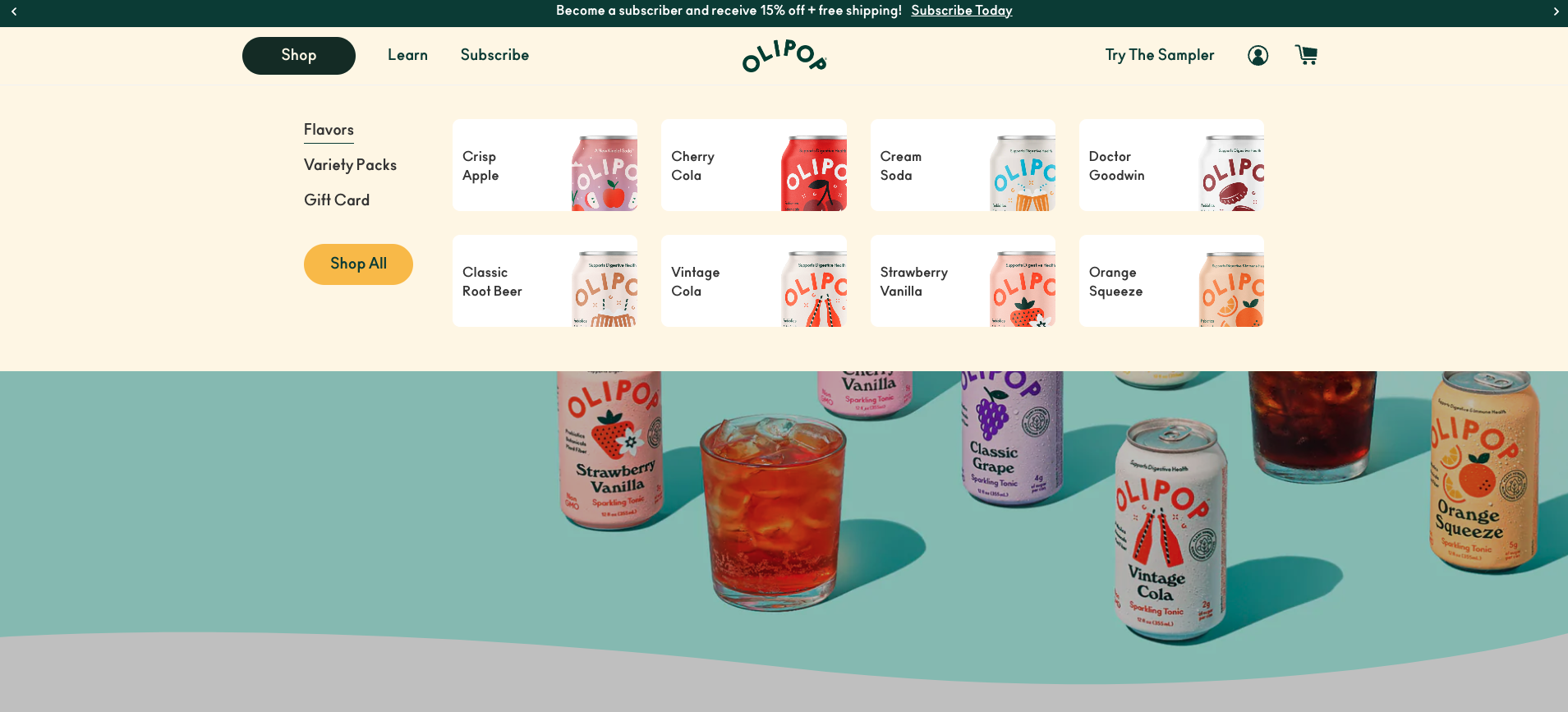
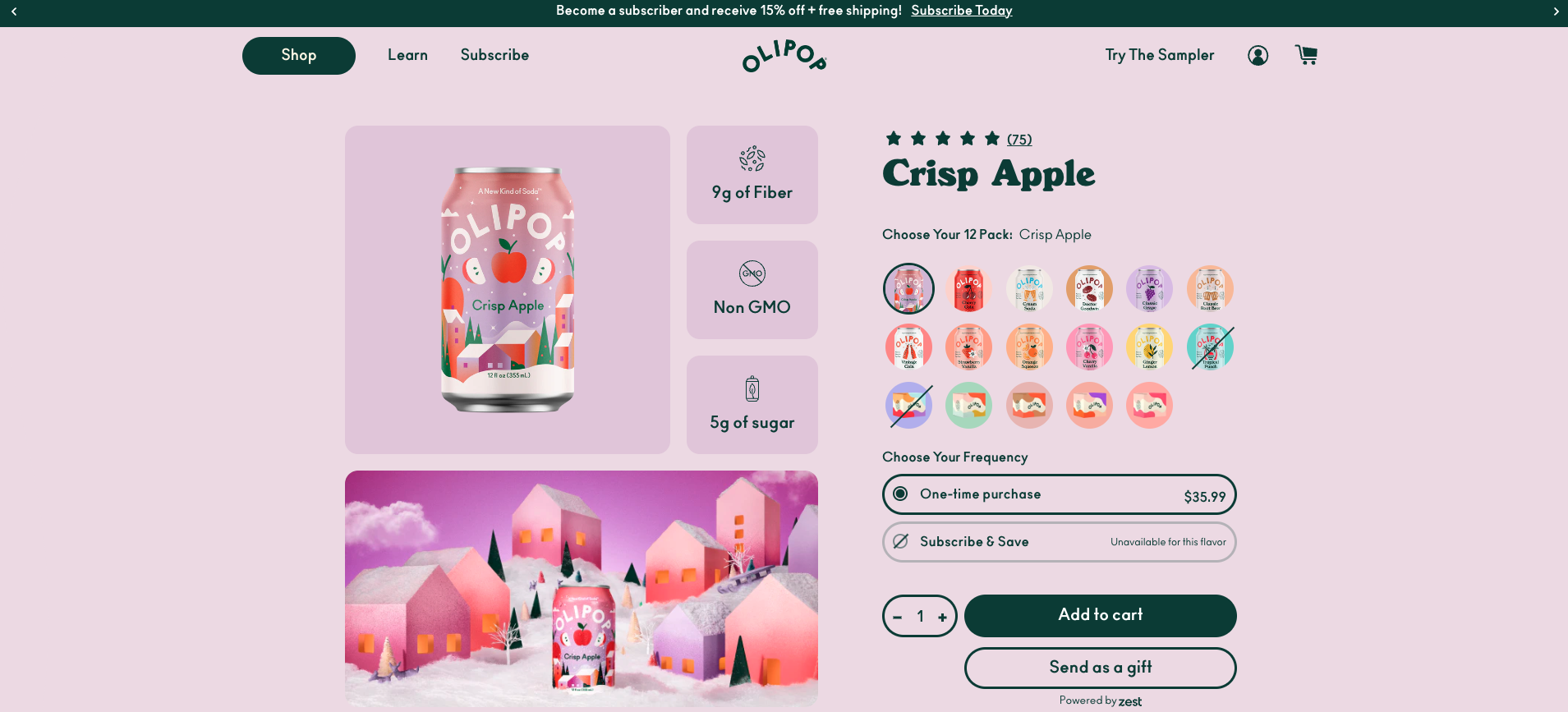
When reworking your ecommerce experience, you can inspect your current customer experience and determine how to improve it. Your site design must have customer experience at its core. This might look like revamping your site design to be more intuitive for shoppers (like OLIPOP’s easy-to-use, yet engaging site:
It may look like adding a dynamic search bar to help with product discovery like the one found on the Shapermint website:
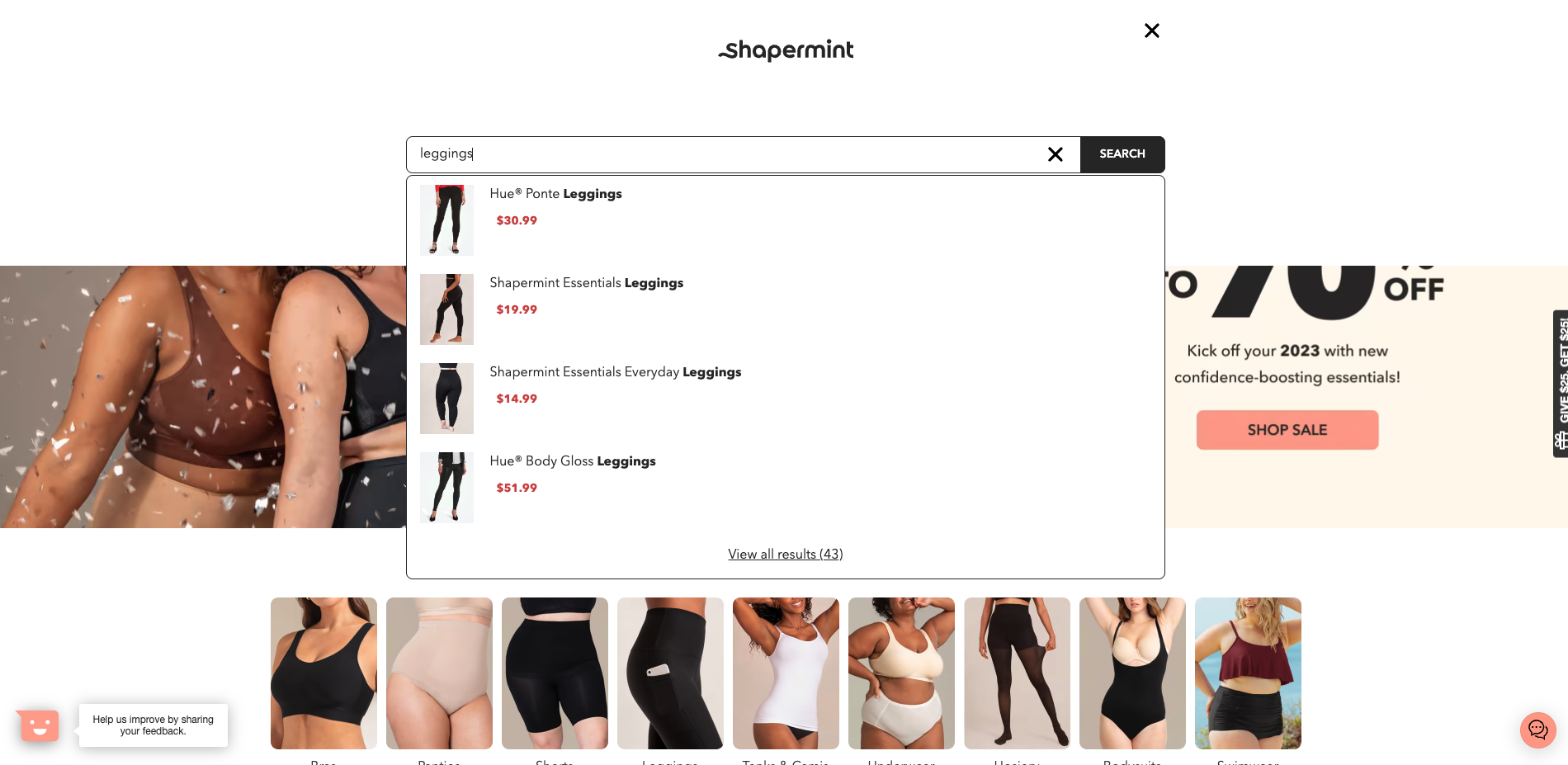
Or a quiz that helps with product discovery and reduces churn like TULA Skincare:
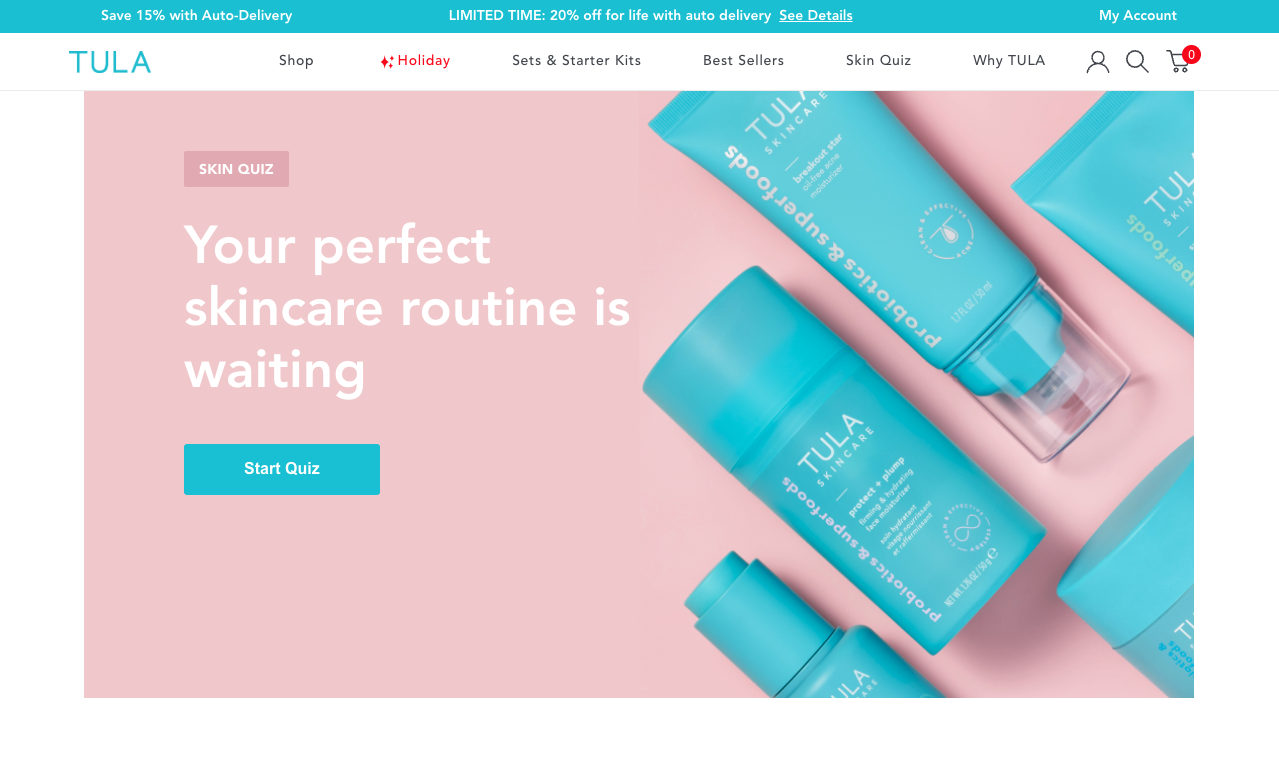
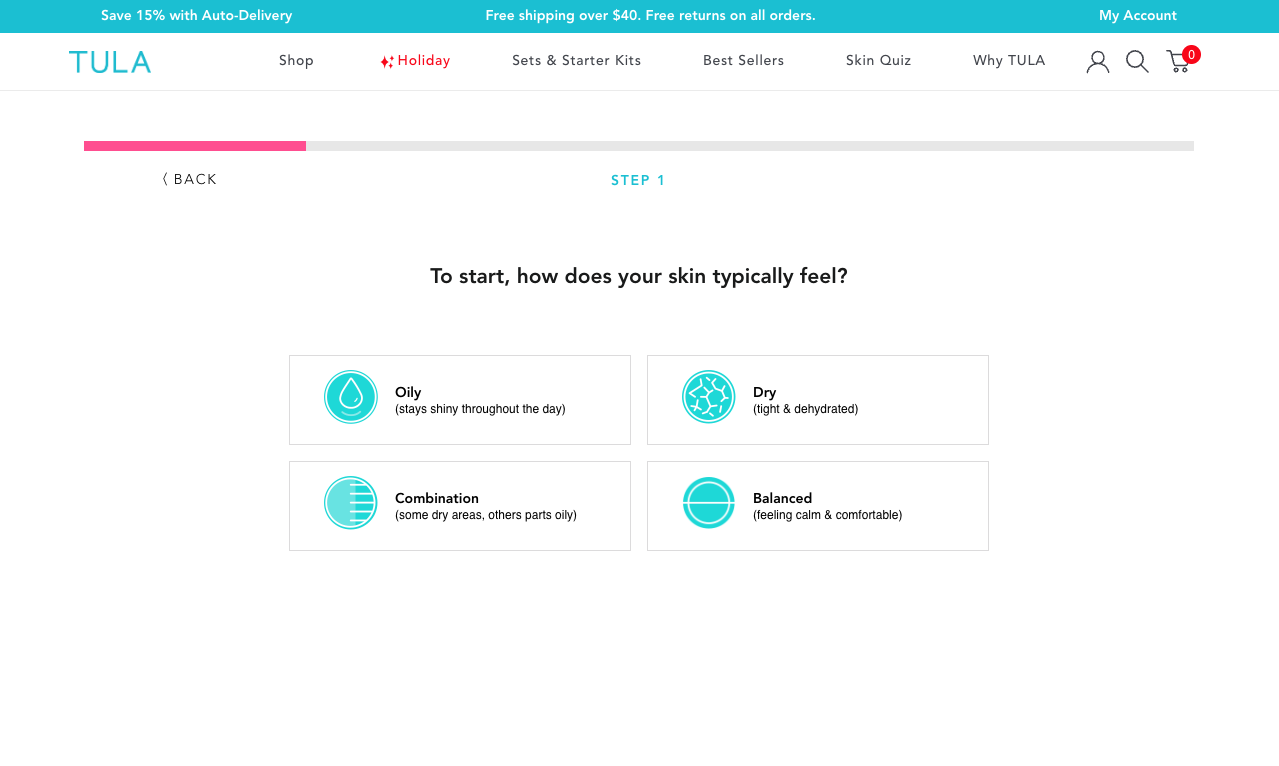
Approaching your new site design from a customer experience lens ensures no stone is left unturned and that you’re offering the best online shopping possible.
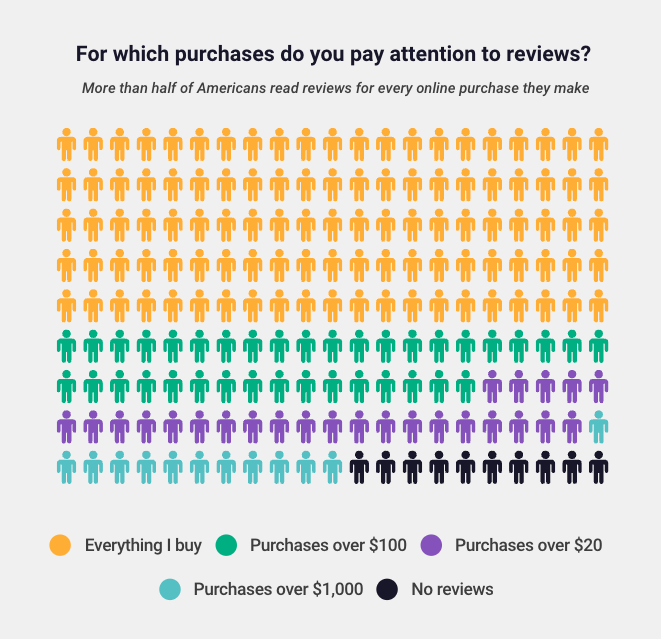
A great ecommerce site not only embodies your brand’s look and feel from a design lens, but it establishes trust with potential customers. Baking social proof into your site design tells customers your brand is legit and worth every penny. With more than half of customers reading product reviews before buying, adding this content to your site is a great way to build trust quickly, especially if your products are at a higher price point.
If the search engine can’t find your site, how will your customers? Prioritizing SEO best practices (both technical and non-technical) signals to search engines who you are and what you sell, making you more likely to show up when customers search.
Technical SEO best practices include adding metadata to your pages (so Google knows what it’s about when it crawls your site), improving site speed, using the smallest file size possible for images, using an SEO-friendly URL structure, and more.
Non-technical SEO best practices, on the other hand, include creating (educational and/or entertaining) content featuring your products, linking to relevant resources, and more.
For example, you can create a blog to drive high-quality organic traffic to your website using product-led content. Take a page from technical blanket brand Rumpl, who’s blog features many of their talented artist collaborations:
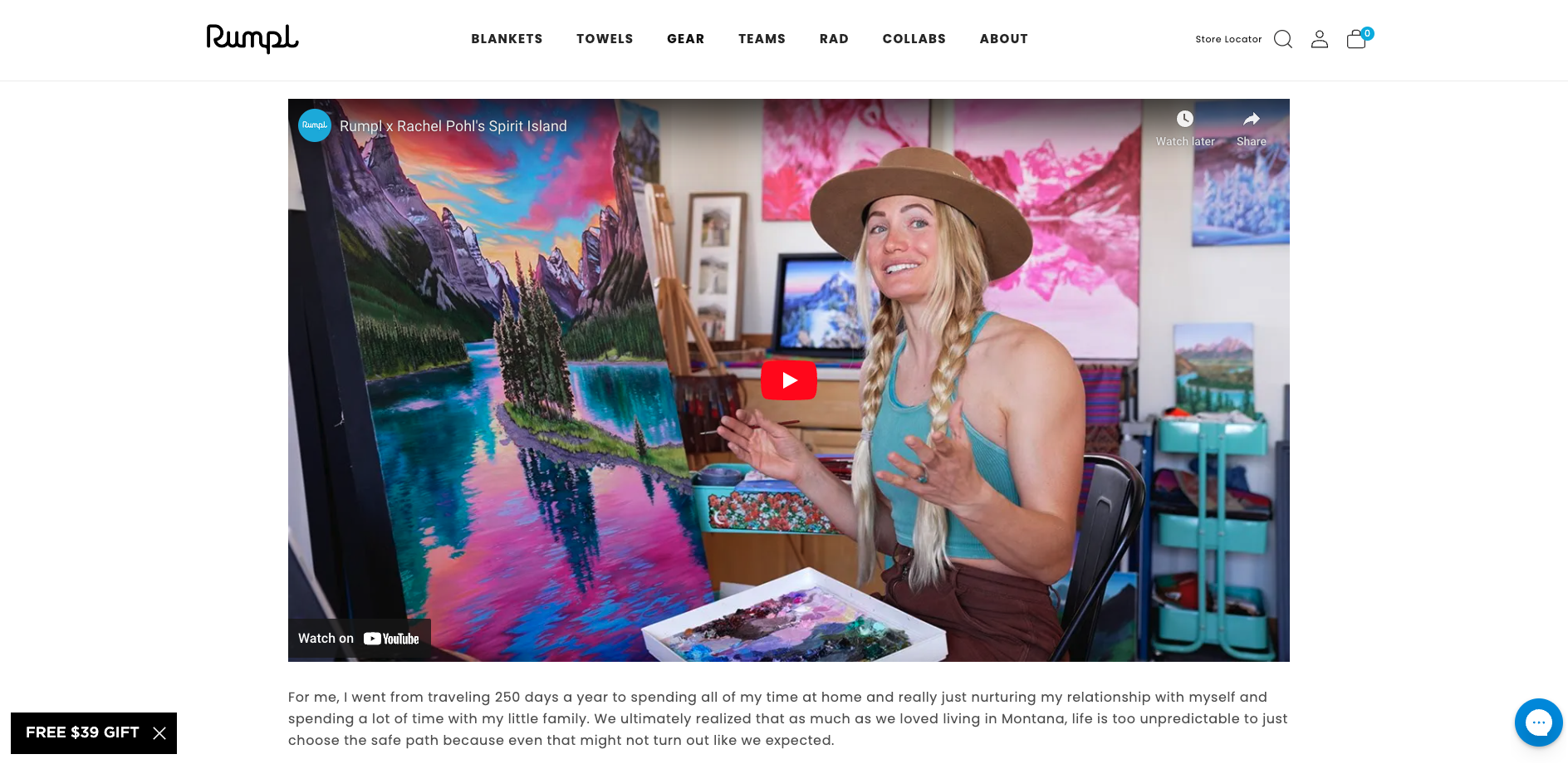
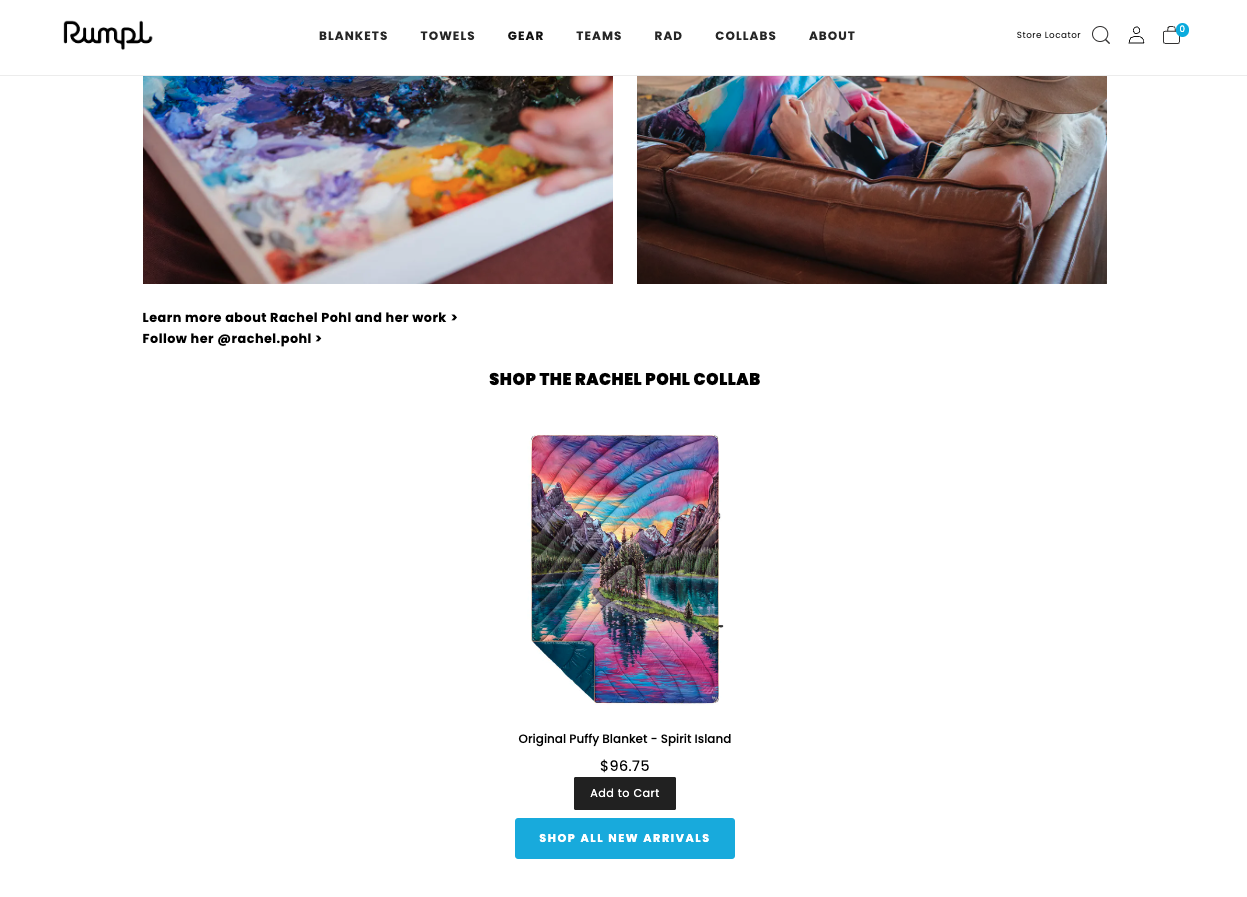
Content efforts like this can attract the right organic traffic and lead to purchases.
Ready to relaunch? Check out our best tips for rebooting your ecommerce site and ensuring your launch goes off without a hitch.
Before you jump into the redesign, run an audit of your existing site. An audit will show you the current state of your site and help you prioritize items for the relaunch.
A few areas your website audit should check for include:
In the same vein, you may run a competitive audit to see what others in your industry are doing, what’s working well, and where you can differentiate.
From your audit, you can determine what goals to set for your new site.
For example, if you learn in the audit phase that customers want to learn more about your products, you can optimize your product pages to include more relevant, helpful information, like The Ridge does:
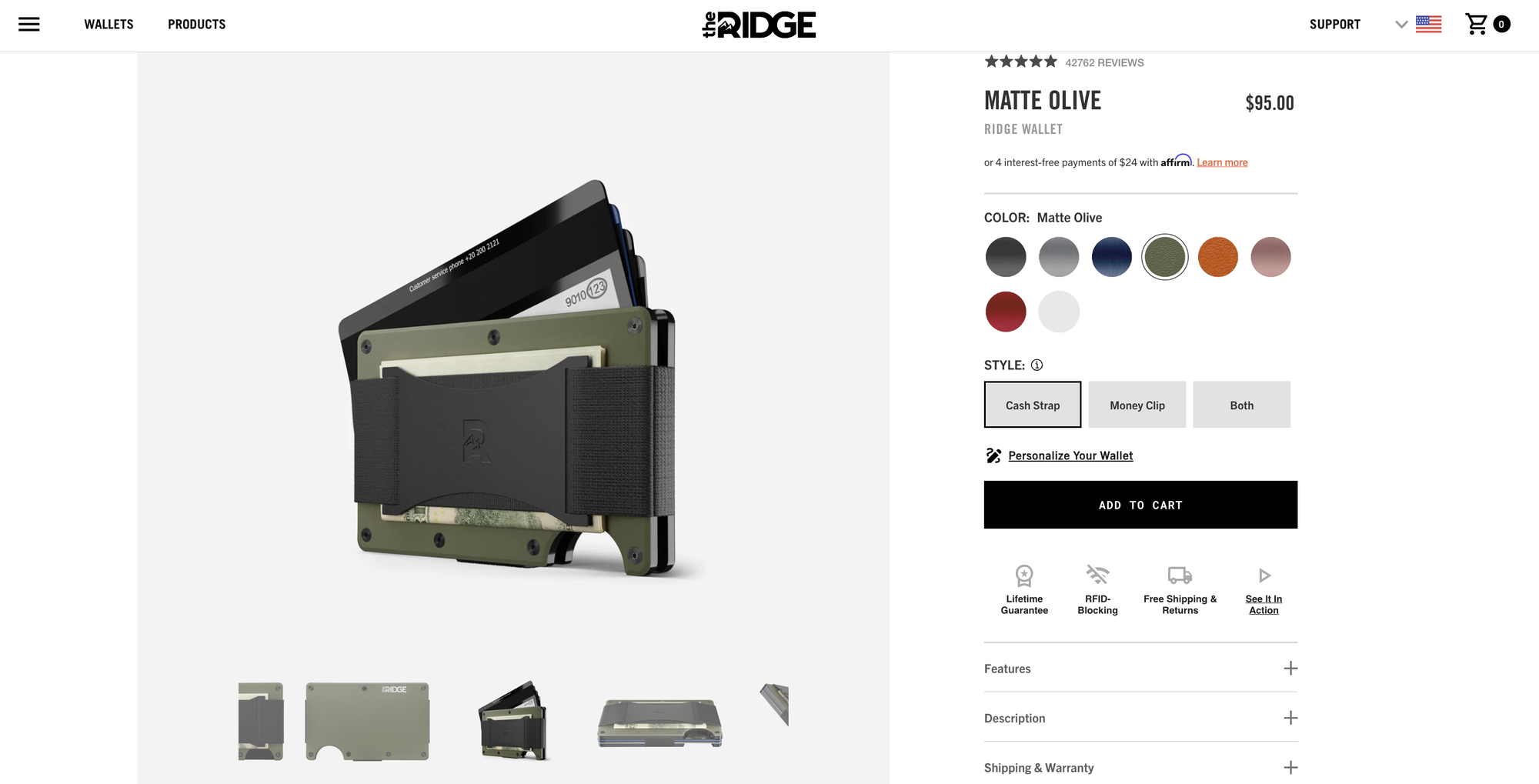
The Ridge includes multiple product images, color and style toggles, and more to give customers a complete view of their signature product. Design your updated site around customer needs to get the best ROI possible on your relaunch.
How To Start an Ecommerce Business (in 2023)
This guide explains how to start an ecommerce business for beginners. It outlines the stages of starting an online store from offline planning, to creating the online store, to selling products.
 The Smile.io BlogGabrielle Policella
Your website audit will also help you determine what site content needs to be updated or reworked. Duplicate, irrelevant, and outdated content can harm your customer experience and your SERP ranking.
“Freshness” is a confirmed Google ranking factor, meaning Google prioritizes sites with the most up-to-date content. If your content is collecting dust, it could
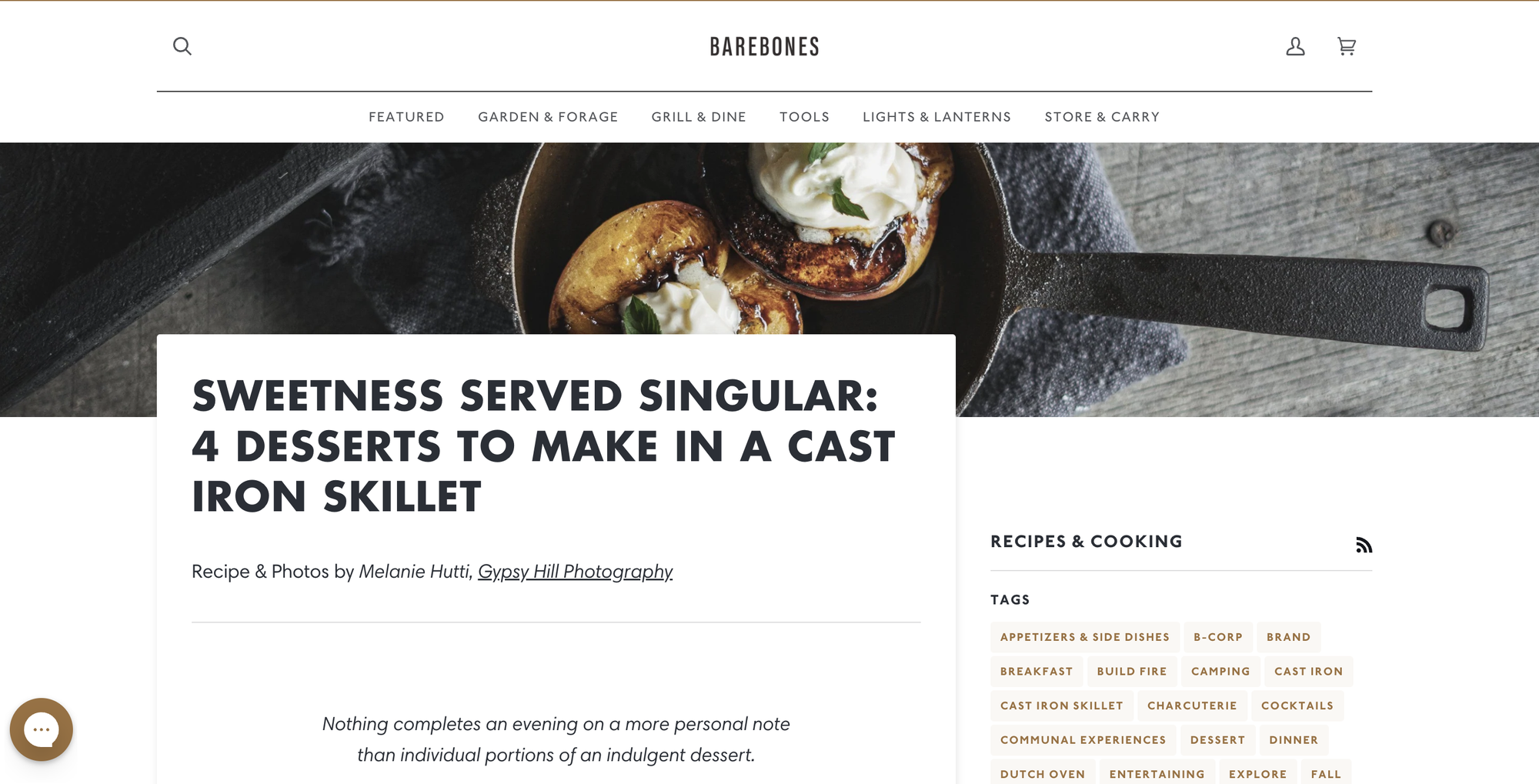
For example, the Barebones Living blog does a great job of balancing relevancy with their products. This blog post on four desserts to make in a cast iron skillet not only includes delicious recipes, but also features relevant products that can be purchased on their site.
Creating fresh content doesn’t just mean keeping up with your blog. It can also mean building quizzes, interactive experiences (like Nike’s app), and personalized content (like IKEA does with multi-store functionality).
Why Content Marketing Is Important for your Small Business’ Success
Content marketing is an important part of every brands’ marketing strategy. Discover how it can help your small business succeed.
The Smile.io BlogGabrielle Policella

The core of every memorable site design is how easy it is for customers to do what they came to your site to do—purchase, browse, or ideally, both!
When approaching your site relaunch, think about what you want customers to do and optimize for that. Understand where they are in their customer journey and build funnels to encourage purchase without friction. For many, this can start with a landing page that matches the message and intent of the customer in their journey.
For example, if you want to drive more purchases, reduce any friction with your checkout flow. Make it as easy as possible for customers to go from browsing to order confirmation.
As mentioned above, for your site to be discoverable, it needs to send the right signals to Google via metadata, alt tags, keywords, etc.
Here are a few technical ecommerce SEO best practices to keep in mind as you relaunch your ecommerce site:
8 Ways to Improve Your Ecommerce SEO
Learn how to improve search engine optimization for an ecommerce store. Read up on SEO tips including SEO audits, keyword research, product descriptions and more.
The Smile.io BlogGabrielle Policella
Drumming up some buzz about your new site launch is a great way to get customers excited about something new. A launch strategy can also include a gameplan of how you plan to mitigate post-launch hiccups to ensure no loss in service.
Here are a few points to consider when creating your launch announcement strategy:

Follow up and gather feedback: After your website relaunches, follow up with your audience to gather feedback and address any issues that may arise. This can help to ensure that your new site is meeting the needs of your audience and is performing as well as possible.
Continuing to test your website post-launch (and any time you make an update) is always a best practice.
Below are a few types of testing to add to your website relaunch plan:
The potential
Kat Ambrose is a content marketer at Shogun, where she creates value-driven ecommerce content for scaling brands. When she isn’t working, you can find her out for a run or trying to pet the nearest dog.





