


Dotdigital blog
Fan expectations have changed. Attention is fragmented, loyalty is harder to earn, and every interaction needs to feel personal. In this guide, we break down the customer engagement strategies sports and entertainment brands are using to create real connections across every channel.

Customer engagement has changed. Attention is harder to earn, loyalty is easier to lose, and people expect every interaction to feel relevant and timely.
For sports and entertainment brands, engagement is no longer about sending more messages. It’s about creating connected experiences that feel personal, exciting, and worth coming back for.
Here are the engagement strategies that matter most right now, and how to make them work harder for your brand.
Fans move fast. They jump between channels, follow teams and creators across platforms, and expect brands to recognize them wherever they show up.
They want content that feels real. Offers that make sense in the moment. And experiences that don’t stop when the final whistle blows or the credits roll.
That means engagement needs to be:
Let’s break down what that looks like in practice.
Personalization still matters. But, speed is just as important as accuracy. Fans expect brands to respond to what they do, not what they did weeks ago.
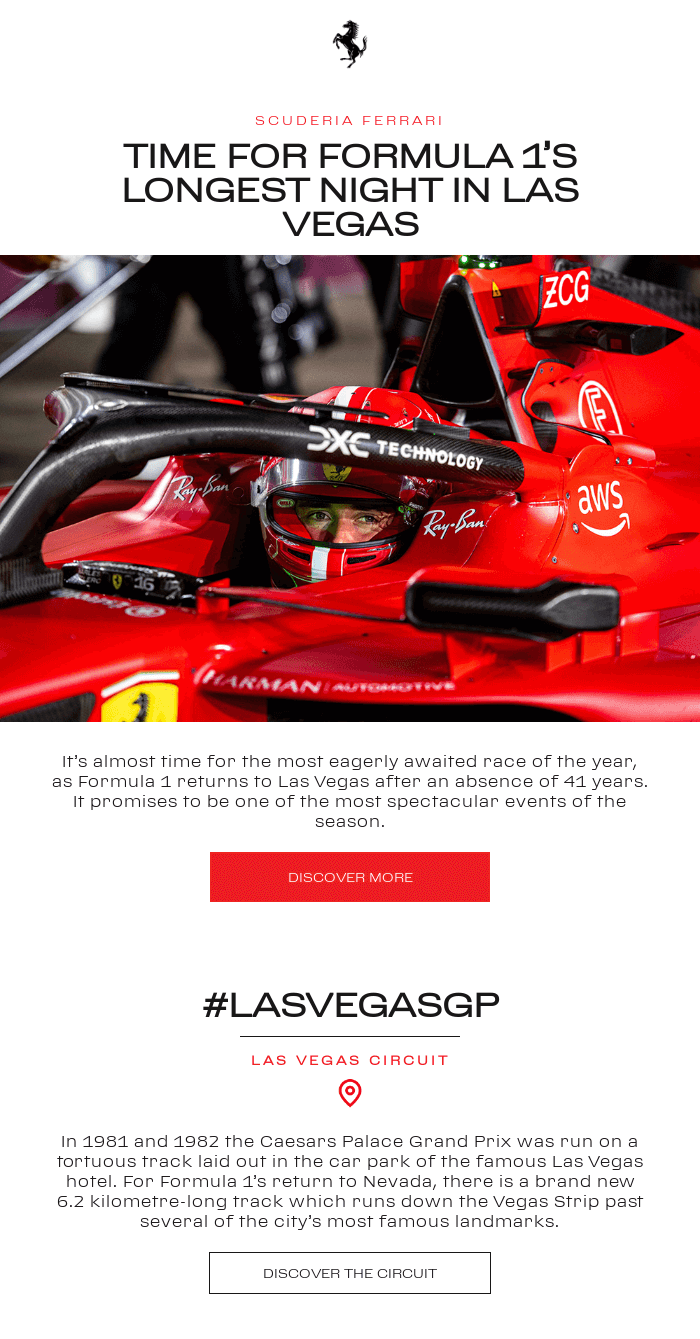
That could mean:
When personalization happens in real time, it feels helpful. When it doesn’t, it feels invisible. So, the goal is simple. Get the right message to the right fan at the right moment, no matter the marketing channel.
Engagement doesn’t have to stop at content consumption. Fans want to take part.
Interactive experiences help turn passive audiences into active participants. And they give you valuable insight into what fans actually care about.
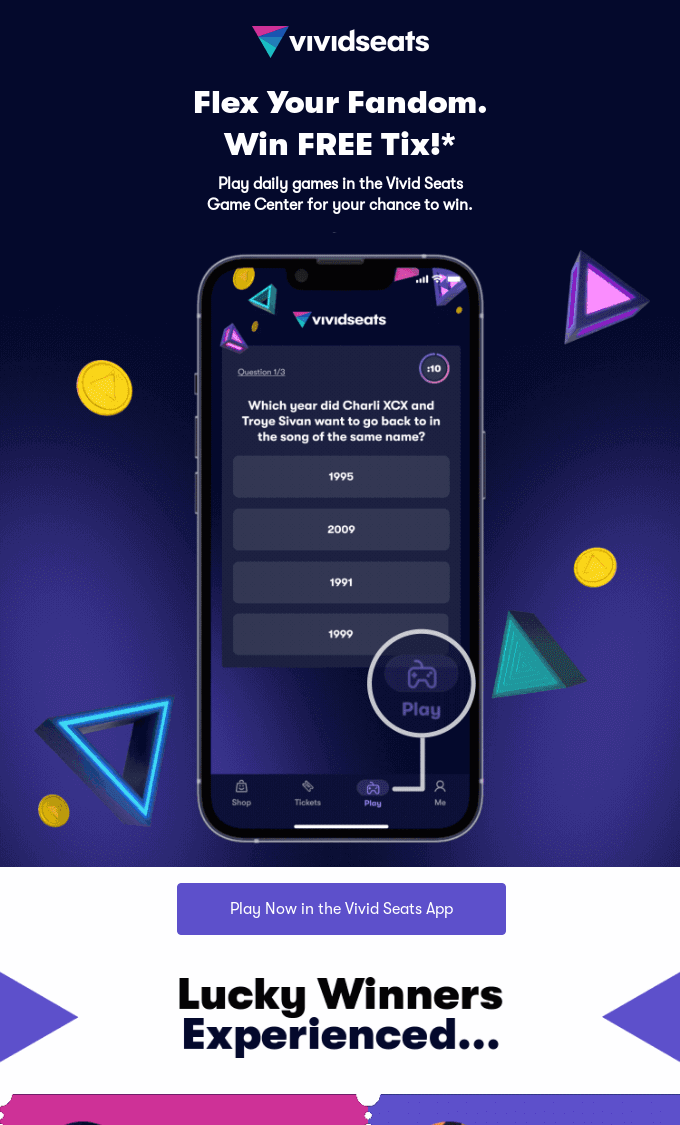
Think about:
These experiences don’t need to be complex. They just need to make fans feel involved.
When fans interact, they remember you.
Social media is still where fans discover, follow, and connect with brands. But how they use it has changed.
Short-form video now drives discovery. Behind-the-scenes content builds trust. Fan-created content fuels community.
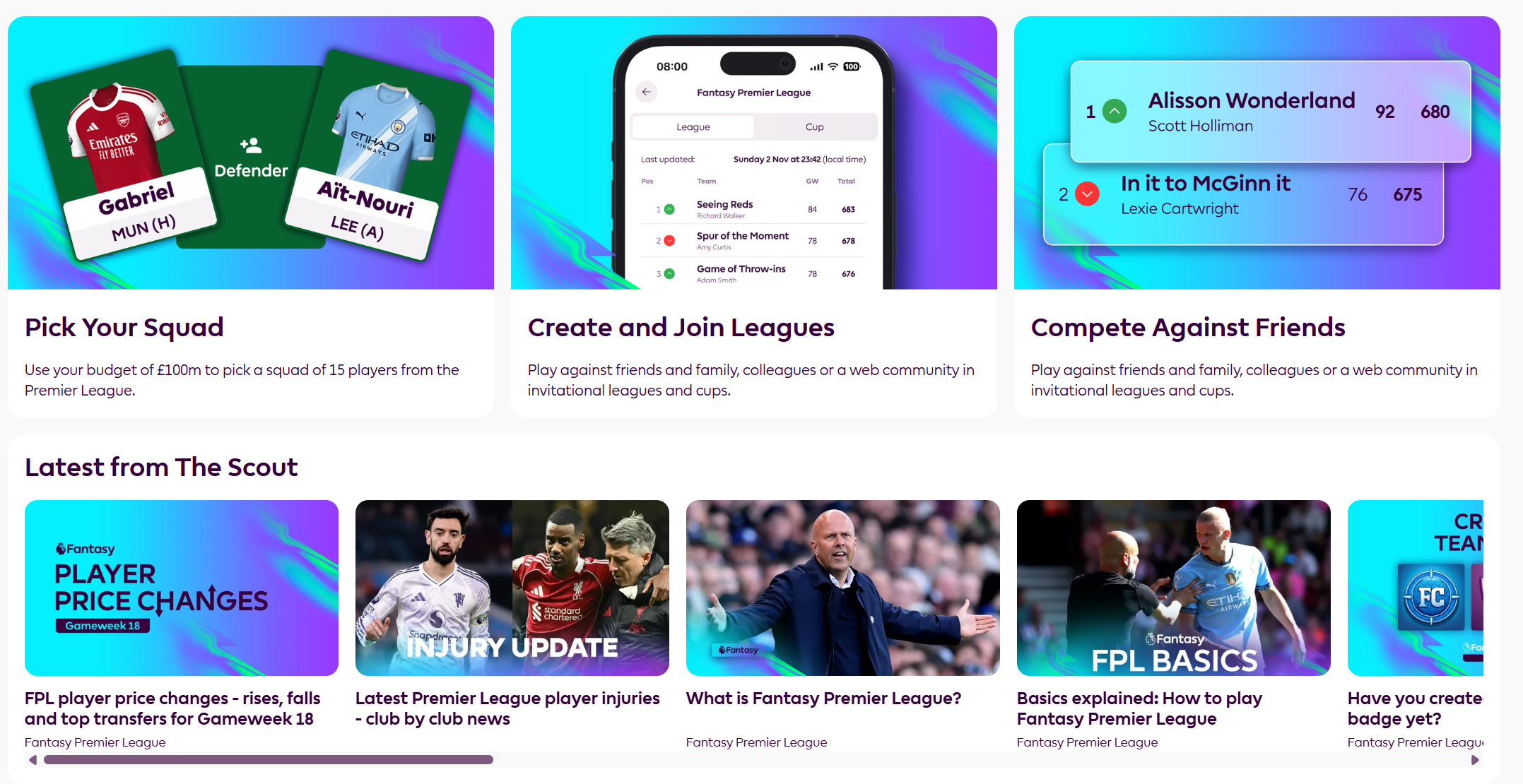
To keep engagement high:
Ultimately, the key is to show up where your fans already are, in a way that feels natural.
About 30% of customers sign up for brand newsletters to join loyalty programs
Traditional loyalty programs still work, but fans want more than discounts. They want things like exclusive access, recognition, and experiences that feel unique.
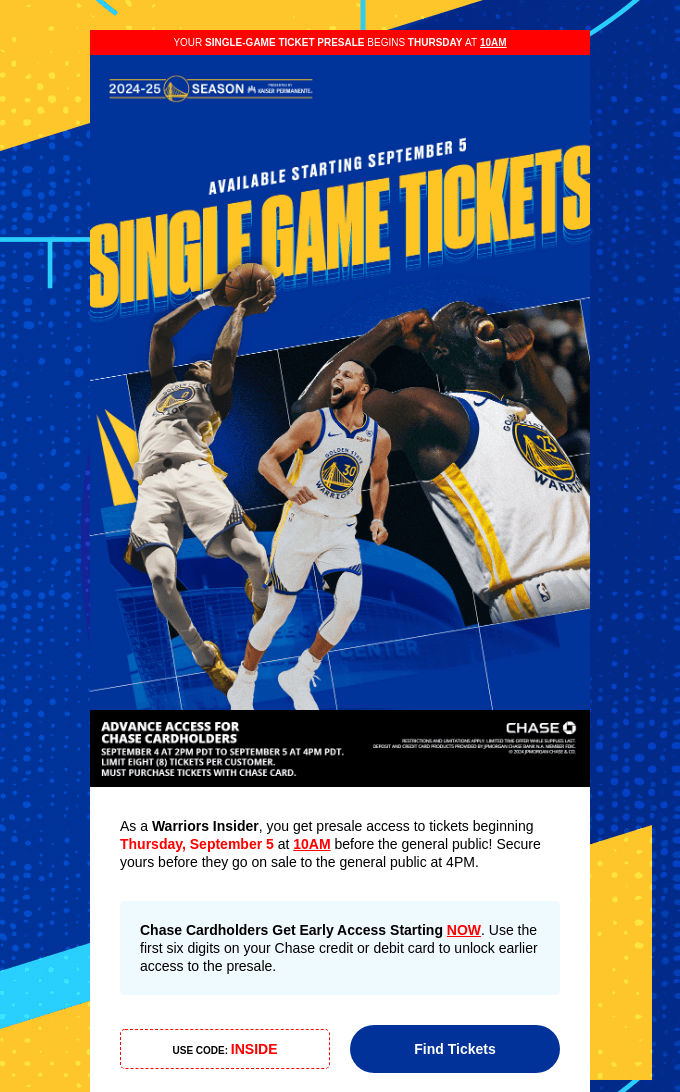
Strong loyalty strategies reward:
That could look like early access to tickets, exclusive content, or member-only experiences tied to behavior and interests.
When loyalty feels personal, fans stick around.
Friction kills engagement. If buying tickets, upgrading seats, or purchasing merch feels hard, fans will drop off fast. The best brands connect the entire journey, from discovery to post-purchase.
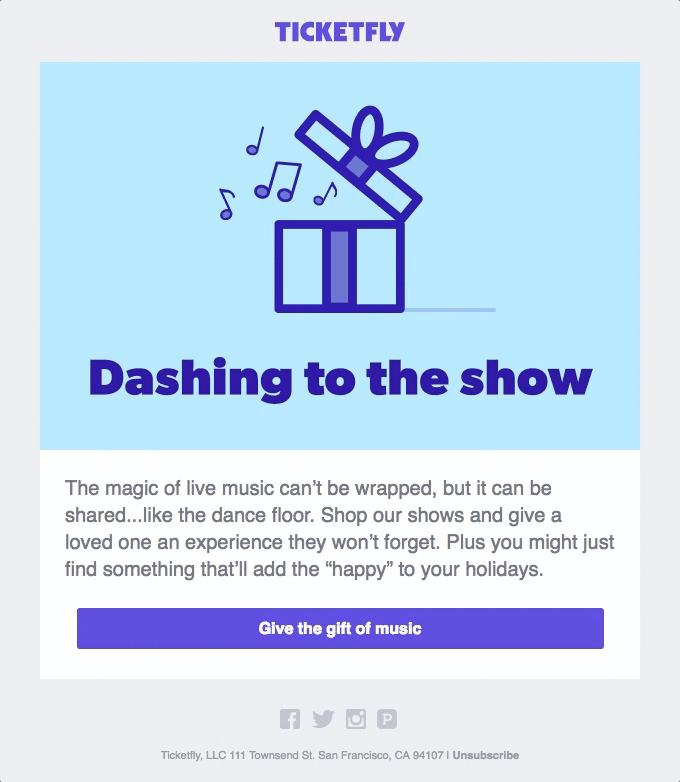
That means using:
93% of marketers agree that customers trust content created by other customers more than brand-created messages. And fans are no different.
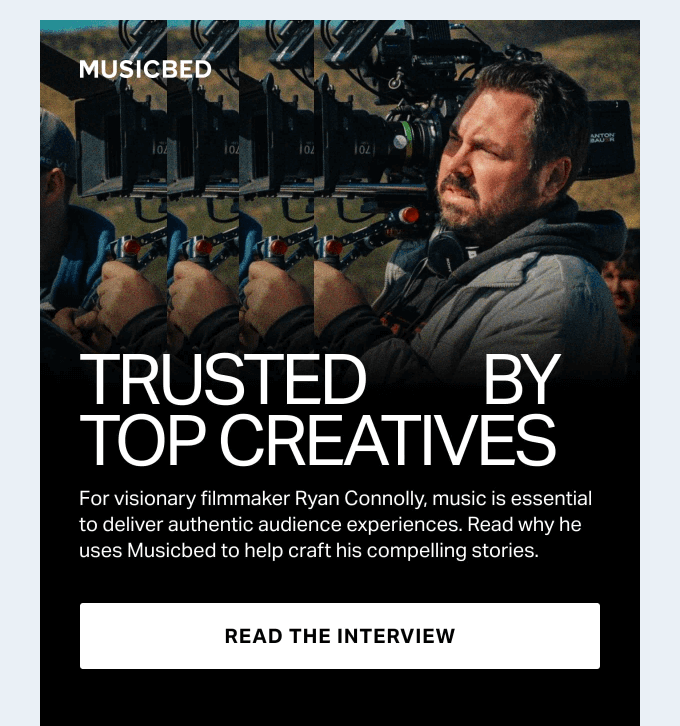
Athletes, performers, and creators bring authenticity that traditional campaigns often lack. When done right, these partnerships feel real, not forced.
Effective creator and athlete strategies focus on:
When fans trust the messenger, they’re more likely to trust the message.
Fans care about what brands stand for. Especially younger audiences. Purpose-led engagement works best when it’s genuine and consistent.

That could include:
The key is authenticity. Fans can spot performative messaging instantly.
Focus on actions, not statements.
Opens and clicks still matter, but they don’t tell the full story.
To understand real engagement, look at:
The best insights come from connecting data, not viewing channels in isolation. When measurement improves, engagement follows.
Customer engagement with sports and entertainment fans is an ongoing relationship. The brands that win focus on relevance, not reach. They connect moments across channels. And they treat fans like individuals, not audiences.
When engagement feels personal, timely, and connected, loyalty comes naturally. And that’s where long-term growth really starts.
To dig deeper into what drives loyalty and how you can build lasting customer relationships, check out our latest customer loyalty report.





