


Businesses are always at a high risk of cyber attacks that can steal important information, cause disruptions, and harm their reputations.
To keep business data safe from these threats, companies need to take a thorough and active approach to security. This guide will provide you with the ultimate strategies to safeguard your business data from cyber threats.
Common threats include malware, which damages systems or steals information, and phishing, where attackers trick people into giving away personal information. Ransomware locks data and demands money to unlock it, while Denial of Service (DoS) attacks flood networks to shut them down. Insider threats come from within the company, and Advanced Persistent Threats (APTs) are long-term, targeted attacks aimed at stealing data.
Knowing these threats helps businesses create better security measures like using strong passwords, multi-factor authentication, encryption, firewalls, and keeping software updated. Training employees about these risks also greatly reduces the chances of a successful cyber attack, providing a well-rounded approach to cybersecurity. Computer support firms play a crucial role in implementing these measures and ensuring robust protection against cyber threats.
The first step in protecting your business data is to get a good grasp on your current security posture. This means figuring out where the vulnerabilities are, taking a close look at your existing security measures, and understanding what could happen if a data breach occurs. Start by checking for potential problems and weaknesses, assess how serious they are, and come up with a plan to tackle them. It’s all about using your resources wisely to boost your overall security.
Make it a habit to regularly update your security policies. This way, you can be sure they cover everything, follow industry standards, meet legal requirements, and even take employee input into account. Don’t forget about regular security audits either. They’re key to spotting weaknesses by evaluating your systems, policies, and compliance. Plus, they offer recommendations and ensure continuous monitoring, which helps keep your security robust and ready to defend against cyber threats.
Protecting your business data is more important than ever. Here are some practical steps to beef up your cybersecurity:
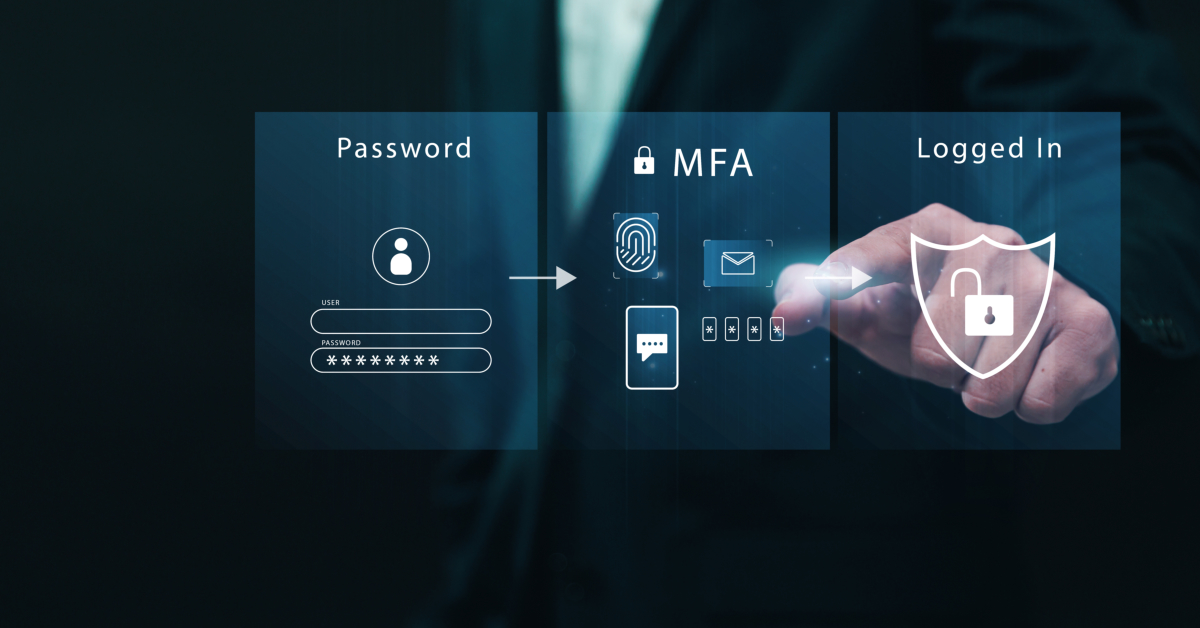
First off, make sure everyone in your company uses strong, unique passwords. And don’t stop there—set up MFA to add an extra layer of security. MFA requires multiple methods to verify someone’s identity. This makes it much harder for hackers to get in.
Next, encrypt your sensitive data both when it’s being sent and when it’s stored. This means if anyone unauthorized tries to access it, they won’t be able to read it. Don’t forget to securely store and manage your encryption keys. Only certain people should have access to them, and it’s a good idea to change them regularly. Make sure everyone understands why encryption is important and how to handle it properly.
These are your first line of defense against unauthorized access. Think of them as barriers that protect your network from unwanted visitors. Add Intrusion Detection Systems (IDS) to the mix, which keep an eye on your network traffic for any suspicious activity. Regularly updating and maintaining these tools will help keep your defenses strong and ensure you can quickly respond to any threats.
Always keep your software and systems updated with the latest security fixes. This means regularly checking for updates, prioritizing them, testing them, and then applying them as quickly as possible. Staying on top of this will protect you against known threats and keep everything running smoothly.
Make sure all devices are equipped with antivirus and anti-malware software. These tools help keep your devices safe from various threats. Use advanced tools to continuously monitor for potential issues. Keep all software updated, control who has access to what, and train your employees on best practices. Implementing Zero Trust architecture solutions can also be a game-changer, as it ensures that no one inside or outside your network is trusted by default.
Human error is one of the major factors in data breaches. To combat this, it’s essential to train employees and raise awareness about cyber threats effectively. Let’s dive into some practical approaches:
Regular training sessions are a must for keeping everyone up-to-date on cybersecurity best practices. These sessions should be interactive and engaging, tailored to specific roles within the company. It’s not just about ticking a box; it’s about fostering a culture where security is a priority. Continuously updating the content and measuring its effectiveness ensures the training stays relevant and impactful.
Phishing attacks are a common threat, and the best way to prepare is through practice. Running phishing simulations helps employees learn to spot and respond to phishing attempts. After each simulation, provide immediate feedback and detailed reports. Tailor training based on the results and keep running these simulations regularly to build a vigilant and resilient team.
Security awareness programs can be engaging and informative. Use newsletters, posters, and interactive content to keep the topic fresh. Incorporate regular training sessions, gamified learning experiences, and real-world scenarios. Continuous feedback and updates ensure the program remains effective and helps create a security-conscious culture.
Even with the best security measures, it’s crucial to be prepared for potential incidents. Here’s how you can develop a strong incident response plan:
Start by forming an incident response team that includes members from various departments. Clearly define roles and responsibilities, provide comprehensive training, and equip them with the necessary tools. Regular simulations and established response procedures are key to ensuring the team can manage and mitigate security incidents effectively. Continuous improvement should be a priority to keep the team sharp and ready.
Your incident response plan should have clear, actionable steps for identifying, containing, eliminating, and recovering from security breaches. Make sure to include detection mechanisms, reporting procedures, and communication protocols. Post-incident reviews are essential to understand what happened and how to prevent it in the future. Regular updates and thorough training ensure the plan remains effective and employees are well-prepared to implement it.
Regular drills and simulations are vital to assess the effectiveness of your incident response plan. Use realistic scenarios to test your team’s response and identify any weaknesses. These exercises help improve response times and refine procedures. Analyzing the results, updating the plan, and enhancing training based on these drills ensure your organization is always prepared for security incidents.
Limiting who can access sensitive data is crucial for keeping it safe. Here’s how to implement effective access controls:
RBAC ensures that your employees only access the data and systems they need for their roles. You need to regularly review and update permissions to reflect any changes in roles or responsibilities. Automate these processes where possible to maintain efficiency and accuracy.
The Least Privilege Principle means giving employees only the access they need to perform their jobs. Regularly check and adjust these permissions to ensure they are still appropriate. Use tools to manage access efficiently and effectively. Educating employees about the principle helps them understand its importance and encourages adherence to security policies.
Monitoring access logs regularly is vital for detecting unauthorized access and responding to suspicious activity. Investigate any anomalies promptly and update security measures as needed. Automated tools can help with real-time monitoring and alerts. Educating employees about the significance of access logs and how to report unusual activity enhances overall security.
Data protection is a critical aspect of modern business operations, especially in the e-commerce and retail sectors. Here’s a comprehensive approach to safeguarding your valuable information:
Implementing a robust backup system is essential for protecting your Shopify store’s data. Regular backups of all critical information should be performed and stored in multiple locations: onsite for quick access, offsite for physical separation, and in the cloud for redundancy. To enhance security, ensure all backups are encrypted to prevent unauthorized access.
Creating backups is only the first step; regular testing is crucial to ensure their effectiveness. Schedule recovery drills to verify that backups can be successfully restored. These tests should confirm that backups are complete, up-to-date, and free from errors. Address any issues promptly, update procedures as needed, and maintain detailed documentation of test results for compliance purposes and continuous improvement.
A comprehensive disaster recovery plan is vital for e-commerce businesses. This plan should outline specific steps for data restoration, system recovery, and resuming operations after a disaster strikes. Key components include:
– Risk assessments
– Recovery objectives
– Detailed procedures
– Clear role assignments
– Regular testing and updates
Ensure all team members understand the plan and their responsibilities within it.
Incorporating insider threat protection services into your data security strategy is crucial for Shopify-powered brands. These services help safeguard against potential risks posed by employees, contractors, or partners who may have authorized access to sensitive information. By implementing behavioral analytics, access controls, and monitoring systems, you can detect and prevent internal threats before they escalate into major security breaches.
1. Implement the principle of least privilege, granting employees access only to the data and systems necessary for their roles.
2. Use multi-factor authentication for all user accounts, especially those with elevated privileges.
3. Regularly audit user activities and access logs to identify suspicious behavior patterns.
4. Provide ongoing security awareness training to educate employees about the risks of insider threats and their role in prevention.
By integrating these comprehensive data protection strategies, including robust backup systems, regular testing, disaster recovery planning, and insider threat protection services, e-commerce businesses can significantly enhance their security posture and ensure business continuity in the face of potential threats or disasters.





