

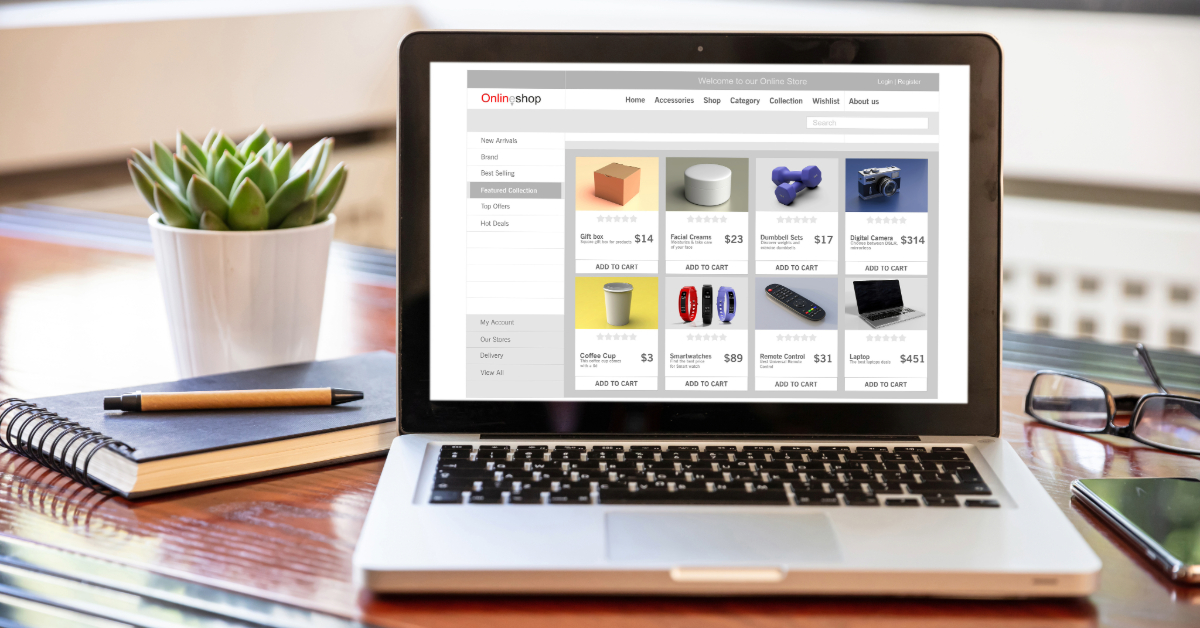
In today’s digital age, launching a Shopify store opens up a world of opportunities in the realm of ecommerce.
With the right approach and preparation, you can embark on an exciting journey towards building a successful online business. Whether you’re a seasoned entrepreneur or just starting out, this in-depth guide will walk you through the essential steps to establish and grow your Shopify store in 2025.
Before diving into the Shopify platform, take the time to refine your business idea. Identify a niche market and assess the demand for your products or services through thorough market research.
Understanding your target audience is key to tailoring your store to meet their needs. Develop buyer personas to gain insights into their preferences, behaviors, and pain points. For example if you are planning to run a rac n roll privacy curtains store using shopify, you must be aware of your target audience.
Craft a unique brand identity that reflects the essence of your business. This includes choosing a memorable brand name, designing a captivating logo, and defining your brand messaging.
Start by signing up for a free trial on Shopify’s website. This grants you access to the platform’s features and functionalities, allowing you to familiarize yourself with its interface.
Select a Shopify pricing plan that aligns with your store’s requirements and budget. Consider factors such as transaction fees, access to advanced features, and scalability options.
Your domain name serves as your store’s online address. Opt for a domain name that is easy to remember, relevant to your brand, and reflects your business identity.
Choose a Shopify theme that complements your brand aesthetic and provides a seamless user experience. Customization options allow you to personalize your store’s design to align with your brand identity.
Invest in professional product photography to showcase your offerings in the best possible light. High-quality images enhance the visual appeal of your store and entice customers to make purchases.
Craft compelling product descriptions that highlight the features, benefits, and unique selling points of each item. Clear and informative descriptions aid customers in making informed purchasing decisions.
Create product collections to streamline navigation and enhance the browsing experience for customers. Organizing products into categories makes it easier for shoppers to find what they’re looking for.
Enable secure payment processing by integrating popular payment gateways such as PayPal and Stripe. Offer multiple payment options to accommodate diverse customer preferences.
Define your shipping strategy and set up shipping zones and rates accordingly. Provide transparent shipping costs to customers and offer incentives such as free shipping for qualifying orders.
Establish credibility and trust with customers by including essential pages such as About Us, Contact Us, FAQs, and a clear Refund Policy. Transparent communication builds confidence in your brand.
Conduct comprehensive testing to ensure that all aspects of your store function smoothly. Test the checkout process, navigation, and responsiveness across different devices to deliver a seamless user experience.
Implement a multi-channel marketing strategy to drive traffic to your Shopify store. Leverage social media, email marketing, SEO, and influencer collaborations to expand your reach and attract potential customers.
Monitor your store’s performance using Shopify analytics to gain insights into customer behavior, sales trends, and marketing effectiveness. Use data-driven insights to optimize your strategies and improve overall performance.
Explore the option of dropshipping to streamline inventory management and reduce upfront costs. Dropshipping allows you to sell products without the hassle of stocking inventory yourself.
Browse the Shopify App Store for a diverse range of apps to enhance your store’s functionality. From marketing automation to customer loyalty programs, there are countless apps available to optimize your store’s performance.
Ensure compliance with legal and tax regulations relevant to your business location. Stay informed about changes in regulations and seek professional guidance to avoid any legal pitfalls.
Launching a successful Shopify store requires dedication, strategic planning, and ongoing effort. By following these steps and staying committed to providing a positive customer experience, you’ll be well-positioned to thrive in the competitive world of ecommerce in 2025 and beyond.





