Manual order processing for your wholesale accounts is likely slowing you down.
Seriously, think about the hours you’re spending on purchase orders. Then there are the chargebacks from shipments that don’t quite meet compliance standards. And connecting with new retail partners often feels like pulling teeth. That “complexity tax” impacts margins and puts the brakes on growth.
I’m Steve Hutt, founder of EcommerceFastlane. After working with hundreds of Shopify brands that scaled past seven figures, I’ve seen these operational snags derail growth time and again. We don’t just chase new apps. We focus on what truly scales, what impacts your profit and loss, and what serious teams actually adopt to get real results.
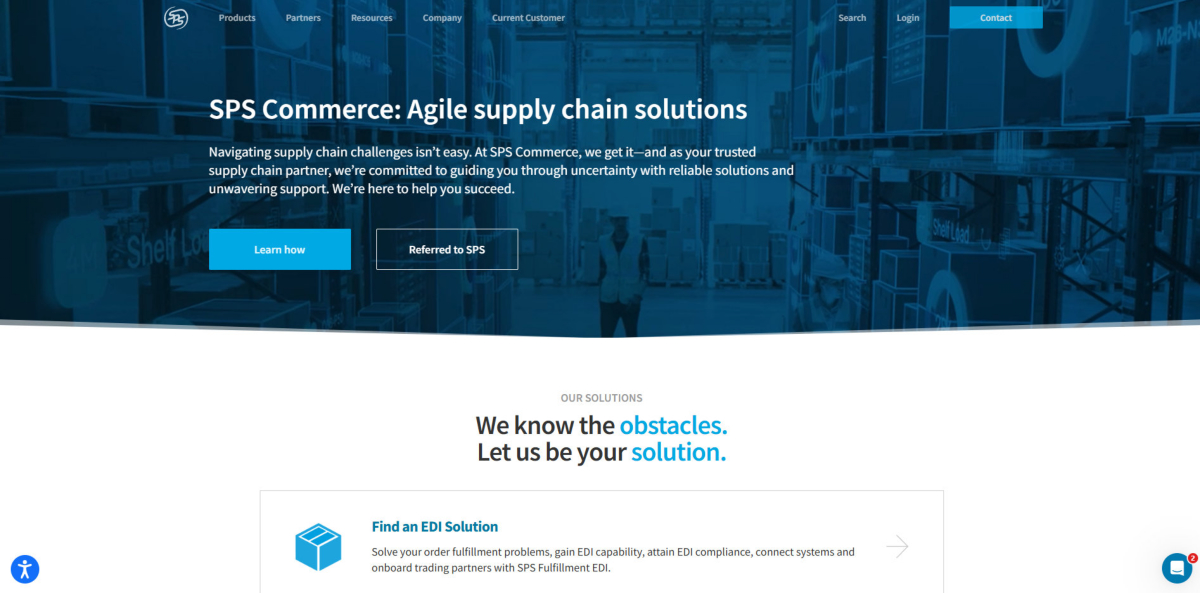
Today, we’re taking a close look at SPS Commerce. It’s a platform that promises to solve these complex Electronic Data Interchange (EDI) and supply chain challenges. We’ll find out if it delivers on that promise for scaling brands like yours.
Navigating the world of B2B retail partnerships means dealing with Electronic Data Interchange (EDI). It’s a non-negotiable part of working with major retailers. But should your brand jump into a solution like SPS Commerce? This isn’t a one-size-fits-all answer. From what I’ve seen working with hundreds of scaling brands, the decision usually comes down to where you are now and where you want to go.
You’ve hit that point where manual processes are actively hurting your growth. It’s more than just a minor annoyance. For some brands, I’ve watched spreadsheets turn into a tangled mess of compliance issues and missed deadlines.
Here are the specific scenarios where SPS Commerce makes a real difference:
Not every brand needs SPS Commerce. Sometimes, a simpler approach is best. It’s about being honest about your current business stage and where a complex solution might be overkill.
Consider holding off if these points sound familiar:
When you’re running a scaling brand, it is easy to get bogged down in the day-to-day. But true efficiency comes from strategic tooling, the kind that SPS Commerce offers. It is a system that handles the nitty-gritty of getting your products to market and keeping your supply chain humming. Let us break down what this solution does for your business.
Connecting with major retailers like Walmart, Target, or Nordstrom is a big win for any growing brand. But the reality? Each of these partners comes with its own set of complex Electronic Data Interchange (EDI) rules and data formats. Manually managing these is a nightmare. It is a slow process that often leads to costly errors.
SPS Commerce simplifies this. It acts as your universal translator for EDI, handling all the intricate data formats seamlessly. This means you do not have to worry about whether your purchase orders, invoices, or advance ship notices meet a specific retailer’s exact specifications.
Here is what I have seen: Brands using SPS Commerce avoid thousands in potential chargebacks. These are the fines retailers issue when your shipments do not comply with their rules. When you automate this, you expedite order processing. That directly impacts your cash flow and improves your profit and loss statements. I worked with a brand that saved an estimated $10,000 in just six months by avoiding compliance fines. They also cut their order-to-ship time by 30%, which meant getting paid faster and improving their vendor relationships.
Once those orders start rolling in from big retailers, how do you handle them? If you are still manually entering data or creating shipping labels, you are losing valuable time and money. That is simply not sustainable for a scaling ecommerce business.
SPS Commerce integrates with your existing Enterprise Resource Planning (ERP) or Warehouse Management System (WMS). This creates a direct line for order information to flow from your retailers straight into your fulfillment system. It automates critical steps:
This automation significantly reduces manual workload. It eliminates errors caused by human data entry. What is the payoff? Faster fulfillment cycles and happier customers. For one brand, this automation reduced their labor costs in the warehouse by 15% and cut their average delivery time by two days. Customers received their orders quicker, and the operations team could focus on more strategic tasks.
Think about your supply chain right now. Can you tell exactly where every order is? Do you know your precise inventory levels across all partners? Most brands have blind spots, and those blind spots lead to missed opportunities or costly mistakes.
SPS Commerce provides a clear window into your entire supply chain. It gives you immediate insights into:
This data is gold. It helps you make smarter decisions about everything from stocking levels to promotional planning. You can identify bottlenecks long before they become major problems. For example, one brand used these insights to optimize their inventory spend. They cut excess stock by 20% and avoided stockouts during peak season, which meant no missed sales. Knowing exactly what is happening in your supply chain lets you pivot quickly and keep your business moving forward.
When you are scaling a brand, the real test of a solution like SPS Commerce comes down to its daily operations. It is about how it fits into your existing tech stack, what it costs versus the actual value it delivers, and how easily your team can adopt it. These are the aspects that directly impact your profit and loss. Getting these details right is how you transition from just selling products to building a truly efficient enterprise.
Integrating SPS Commerce with your Shopify store means extending your ecommerce platform into the complex world of EDI. This connection is not just about moving data; it is about automating the critical process of B2B transactions.
SPS Commerce connects deeply with the Shopify ecosystem, handling essential functions like order syncing, inventory updates, and fulfillment notifications in real time. Here is what I have seen this integration enable for ambitious Shopify merchants:
For advanced use cases, if you need to bridge specific data points or trigger highly customized workflows that are not natively supported, tools like Zapier can often act as a connector. For example, if you wanted to sync a specific custom Shopify order tag to an unusual field in an EDI document, Zapier could provide that bridge. This means the system remains flexible as your needs grow.
The strategic benefits for Shopify scalers are clear. You spend less time on administrative tasks and more time on growth. You also maintain compliance with major retailers, which is non-negotiable for large-scale partnerships.
Talking about pricing for a platform like SPS Commerce is not just about a dollar amount. It is about understanding the value it brings to your profit and loss statement. SPS Commerce typically uses a transaction-based pricing model. This means the cost scales with your business volume.
Here is a general overview of their tiers, framed around the ideal EcommerceFastlane archetypes:
When you evaluate the cost, think about it this way:
Let us look at the math for tech stack consolidation:
Typical “Siloed” Stack for EDI:
Consolidated Stack with SPS Commerce:
This example shows a potential saving of $1000 per month.
The ROI is not just the $1000 saved per month in manual labor or avoided chargebacks. For scaling brands, it is the 15 hours saved by not needing to constantly troubleshoot EDI errors and the 8% increased fill rate from accurate, real-time data. Ultimately, this leads to higher revenue, stronger retail partner relationships, and a far more efficient back office. That is money directly back on your P&L.
From an operator’s viewpoint, the ease of learning and using SPS Commerce is key to generating value quickly. I have seen solutions that promise the world but fail because teams simply cannot adopt them.
SPS Commerce offers a systematic onboarding process. They walk you through connecting your systems and setting up your first trading partners. For a skilled team member, becoming proficient enough to manage daily operations and troubleshoot minor issues often takes 2-4 weeks. This includes initial setup, training, and processing a few live transaction cycles.
Here is what I have observed about the user experience:
The impact on your brand’s time-to-value is significant. If your team adopts SPS Commerce efficiently, you can start realizing savings from reduced chargebacks and increased operational speed within the first 1-2 months. This rapid adoption means your financial investment starts paying off quickly, allowing your team to focus on strategic growth rather than getting bogged down in administrative tasks.
SPS Commerce stands as a powerful tool for brands ready to scale their wholesale and retail partnerships. It moves past the headaches of manual EDI, letting you focus on growth, not compliance fines. For any Shopify brand pushing past seven figures, managing more than a few retail accounts, or aggressively pursuing expansion into major channels, SPS Commerce is a strategic necessity. It’s not just another vendor; it is an infrastructure play that shores up your P&L, reduces operational drag, and opens doors to bigger revenue.
My recommendation is clear. If you fit the profile of an Ambitious Shopify Scaler, a Strategic DTC Leader, or an Elite Ecommerce Specialist looking to standardize EDI, you need to see this platform in action. Do this: Get a demo with SPS Commerce. Be specific about your current pain points with retailers; ask them to show you how they solve those exact issues. This direct approach will quickly show you the real impact this solution can have on your brand’s growth and profitability.
SPS Commerce is a leading Electronic Data Interchange (EDI) solution. It helps brands manage complex wholesale and retail partnerships. It is important because it automates compliance, reduces errors, and speeds up order processing. This allows growing businesses to work with major retailers more efficiently.
SPS Commerce integrates deeply with Shopify. It handles order syncing, inventory updates, and fulfillment notifications in real time. This means orders from retail partners flow directly into Shopify. It also ensures inventory levels are accurate across all sales channels.
Brands that are expanding into major retail or wholesale should consider SPS Commerce. This includes ambitious Shopify scalers and strategic DTC leaders. It is also good for ecommerce specialists who manage EDI for multiple clients. SPS Commerce helps when manual processes can no longer keep up with growth.
A key benefit of SPS Commerce is avoiding chargebacks. These are fines retailers issue for non-compliant shipments. By automating compliance checks and ensuring correct document formats, SPS Commerce helps brands prevent these costly penalties. This directly improves your profit and loss.
No, SPS Commerce is not only for very large businesses. It offers tiered solutions that scale with your business. Even emerging brands with a few retail partners can benefit from its foundational EDI services. It becomes a strategic necessity as you expand your B2B relationships.
SPS Commerce helps streamline inventory management by integrating with your existing systems. It provides real-time updates on stock levels across all warehouses and retail partners. This automation prevents overselling and helps you make smarter decisions about your inventory.
For a skilled team member, it typically takes 2-4 weeks to become proficient with SPS Commerce. This includes initial setup, training, and processing live transactions. Efficient adoption allows brands to see the benefits, like reduced chargebacks, within the first 1-2 months.
SPS Commerce integrates with your existing Enterprise Resource Planning (ERP) or Warehouse Management Systems (WMS). It does not replace them. Instead, it enhances these systems by automating the flow of EDI data. This creates a more unified and efficient operational backbone.
The main difference is automation and compliance. Manually managing EDI is slow, prone to errors, and can lead to costly chargebacks. SPS Commerce automates data translation and compliance checks. This drastically reduces manual effort and improves operational accuracy and speed.
SPS Commerce offers enhanced analytics and supply chain visibility. It gives you immediate insights into order status, inventory levels, and performance metrics. This clear window helps you identify bottlenecks and make proactive decisions. You can optimize stocking levels and avoid missed sales opportunities.