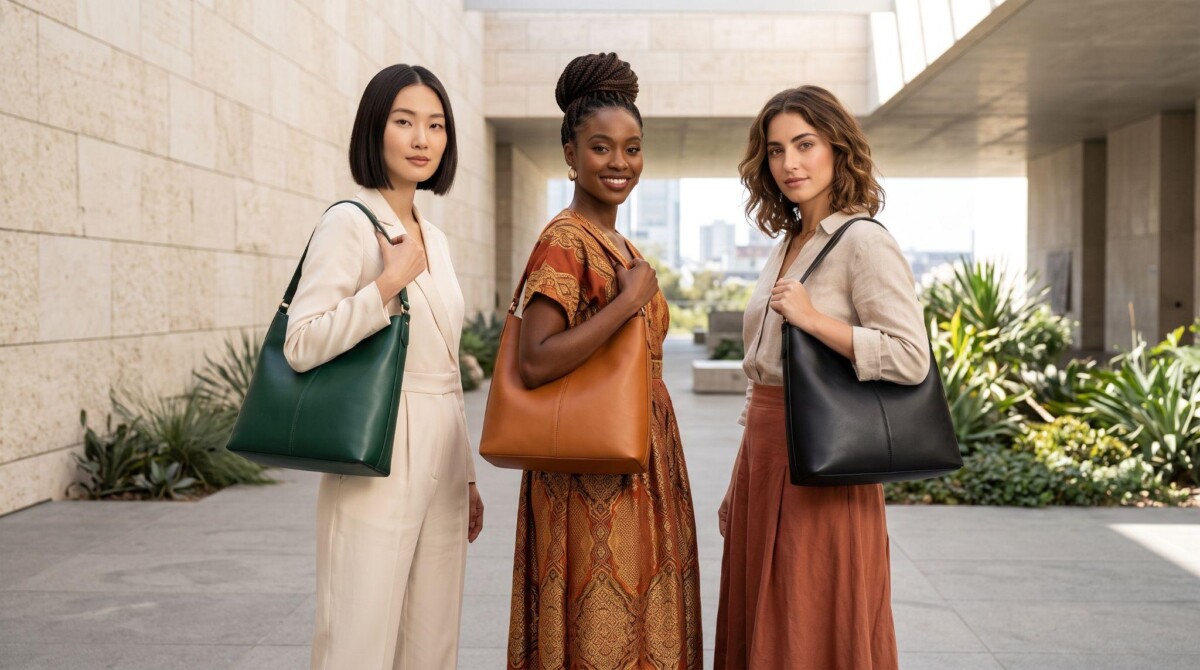
AI avatars can reduce the time and cost of producing TikTok and Reels variations, but they do not replace customer insight, real product proof, creator partnerships, or disclosure and claims review. Use them to test creative hypotheses faster, then scale only the variants that improve profitable acquisition.
AI avatars are not a substitute for creative strategy. They are a production multiplier for the parts of paid social that need more testing, faster learning, and tighter control.
If you run a Shopify brand right now, you already know the harsh truth about TikTok and Instagram Reels: they are absolute content vacuums.
The platforms demand a relentless, exhausting volume of fresh videos. To keep your Return on Ad Spend (ROAS) healthy, media buyers will tell you that you need to be testing anywhere from 5 to 15 new video creatives every single week. Ad fatigue sets in fast. A video that was printing money on Monday might completely burn out by Friday.
For a long time, the only solution was User-Generated Content (UGC). But let’s be honest about the reality of the UGC grind. You spend hours sourcing creators, negotiating rates, shipping out free products, and waiting weeks for the final videos. When you finally get the file, half the time the creator didn’t follow the brief, or the lighting is terrible, or—worst of all—the ad completely flops, and you’re out $300 to $500 per video with nothing to show for it.
It’s an unsustainable model for most growing e-commerce brands.
But there is a massive shift happening behind the scenes in e-commerce marketing. Smart Shopify owners are quietly stepping off the UGC treadmill and moving toward a much more scalable, cost-effective solution: AI Virtual Avatars.
And no, we aren’t talking about robotic, creepy-looking 3D animations. Thanks to platforms like APOB, brands are now generating hyper-realistic digital models that look, speak, and sell exactly like human influencers—at a fraction of the cost and time.
Here is exactly how e-commerce brands are using APOB to hack the TikTok algorithm, scale their ad testing, and drive massive sales without ever hiring a human model again.
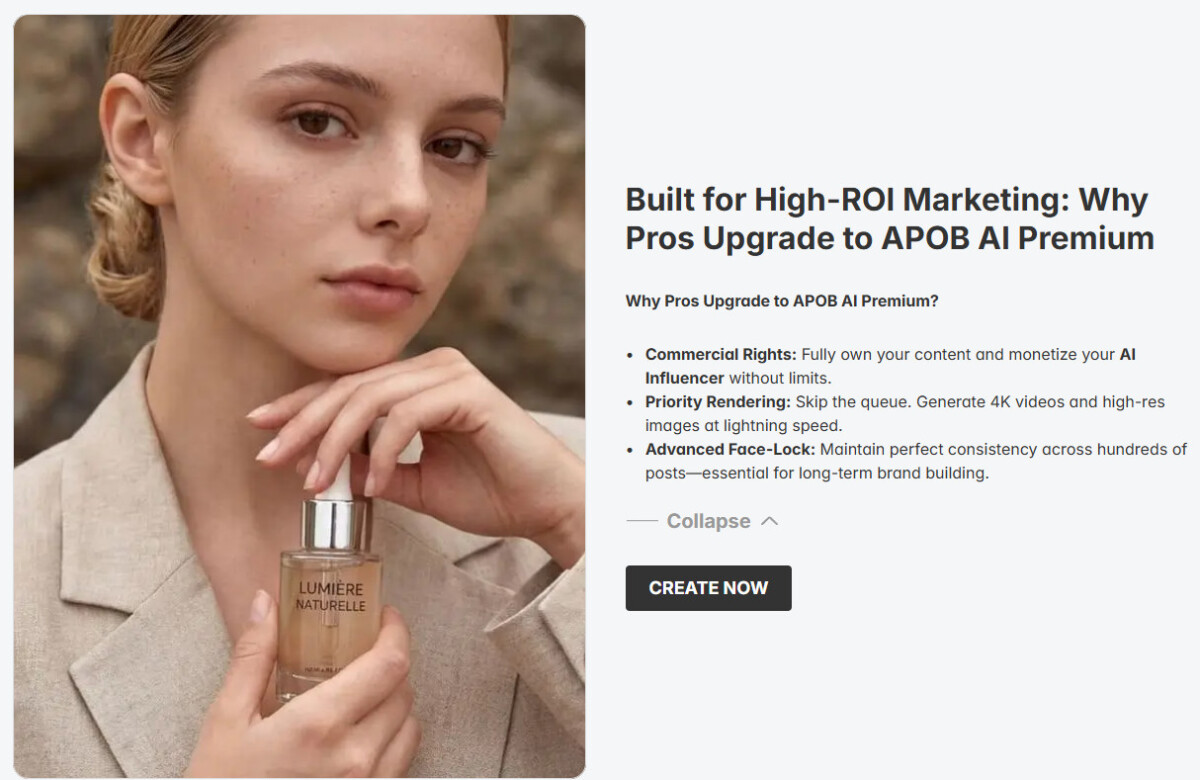
Before we look at the solution, we have to understand why the old way is breaking budgets. Winning on TikTok isn’t just about having a good product; it’s about finding the perfect “hook” (the first 3 seconds of your video).
To find that winning hook, you need to test aggressively.
If you are using human creators, testing 10 different hooks means paying for 10 different video variations. If you realize later that you want to change one word in the script, you have to go back, ask for a reshoot, and probably pay an extra fee.
The friction is incredibly high. The production cycle is too slow to keep up with TikTok’s fast-moving trends.
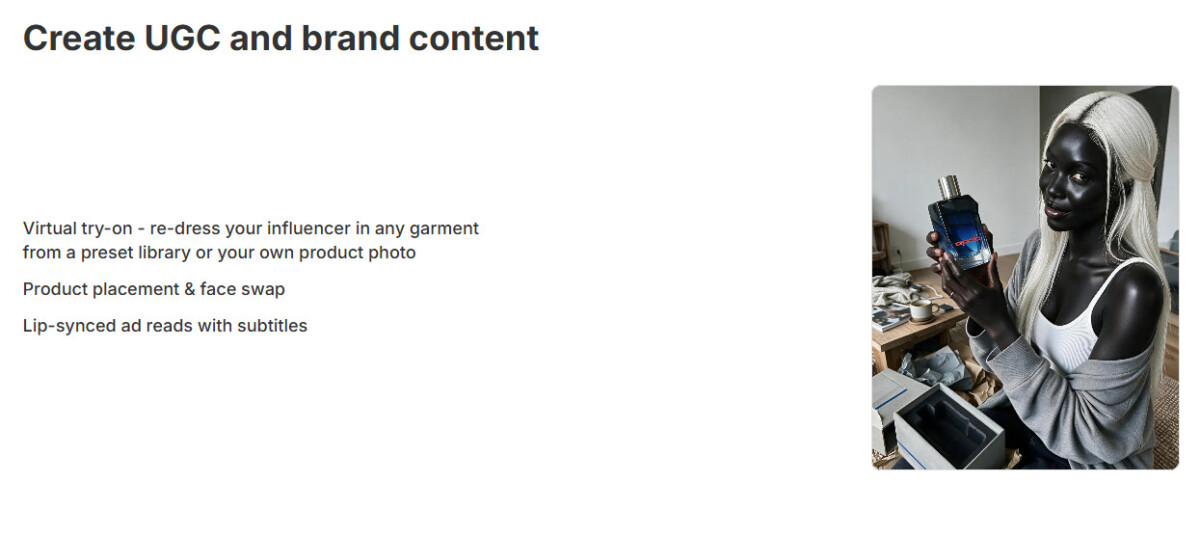
APOB is an AI platform specifically designed to bridge the gap between artificial intelligence and authentic social media marketing. It specializes in two core things that e-commerce marketers care about: AI Portrait Generation and Perfect Video Generation.
Instead of dealing with the logistics of human actors, APOB allows you to generate a unique, photorealistic virtual model (or use existing high-quality templates). You then type in your ad script, and the platform generates a video of that AI avatar speaking your script with flawless lip-syncing, natural facial expressions, and high-quality audio.
It looks like a real person filming a selfie video in their bedroom. It feels like a real UGC ad. But it was generated from a laptop in about five minutes.
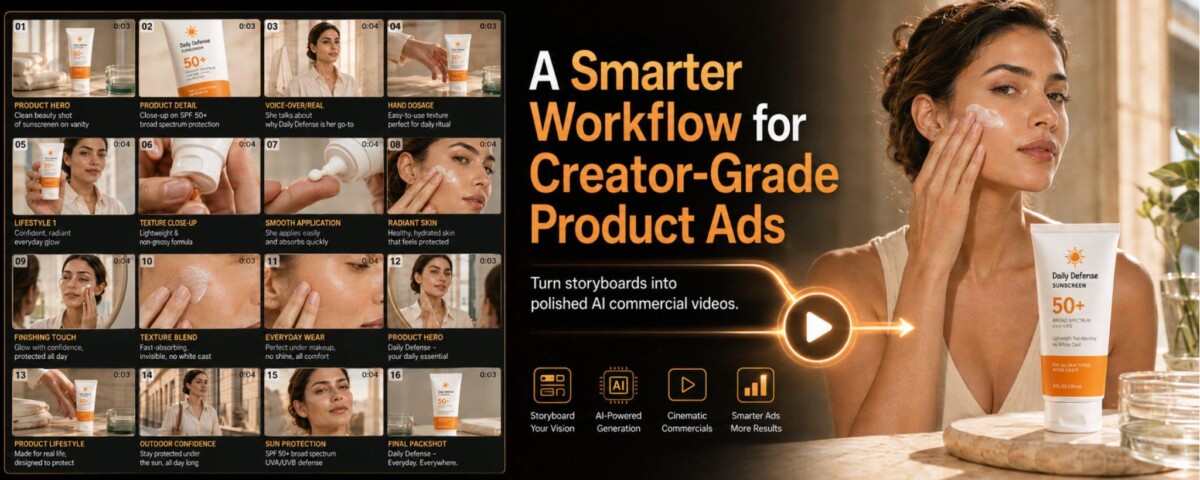
So, how does this actually translate to more sales for your Shopify store? Here is the exact playbook brands are using right now.
This is the absolute superpower of using AI avatars. Let’s say you have a new skincare product. You know the product works, but you don’t know which marketing angle will resonate best with Gen Z buyers.
With APOB, you select your virtual model and write 20 different 3-second script hooks.
You hit generate. Within minutes, you have 20 different videos of a realistic influencer speaking those exact lines. You launch them into your TikTok Ads Manager as Dynamic Creative Ads. You let the algorithm find the winner.
Because you aren’t paying a human per video, your cost to test 20 hooks is virtually zero. You are finally playing the volume game without the massive budget.
Many brand owners want to build an organic TikTok presence but are terrified of getting in front of the camera themselves. They also don’t want to rely on an external influencer who might raise their rates next month or get involved in a PR scandal.
APOB allows you to create a proprietary digital ambassador for your brand. This AI model becomes the face of your company. “She” or “he” can do your daily TikTok posts, explain product features, and reply to customer comments via video. You own the IP, you control the messaging 100%, and the avatar never gets tired, sick, or asks for a raise.
If your Shopify store ships internationally, you are likely leaving money on the table by only running ads in English. But hiring local UGC creators in Germany, France, or Japan is a logistical nightmare.
With APOB’s advanced lip-sync and audio technology, you can take your winning English video script, translate it, and have your AI avatar speak fluent German, Spanish, or Japanese. The mouth movements perfectly match the new language. Suddenly, you have localized ad creatives for all your target markets, instantly unlocking new revenue streams across the globe.
We all have a folder full of beautiful but static product photos that do absolutely nothing on video-first platforms like TikTok and Reels.
Smart marketers are using APOB to bring these assets to life. You can use the AI video generator to have a virtual model narrate the benefits of the product via a “green screen” effect, pointing out features on your static images in the background. You’ve just turned a boring product catalog into highly engaging, native-feeling social content.
Let’s look at the raw numbers.
A traditional UGC campaign for a mid-tier Shopify brand usually involves hiring 5 creators at $200 each. That’s $1,000 just for the raw assets. Factor in the cost of the products you shipped them, shipping fees, and the hours your team spent managing the process. You are easily looking at $1,500 to get 5 usable videos.
For a fraction of that cost, an APOB subscription gives you the power to generate hundreds of videos. If an ad starts experiencing fatigue on a Saturday night, your media buyer doesn’t have to panic. They can write a new script, generate a new AI avatar video, and have a refreshed ad live in the account before Sunday morning.
Speed is the ultimate competitive advantage in paid social.
The e-commerce landscape is shifting. The brands that win over the next few years won’t necessarily be the ones with the biggest production budgets; they will be the ones that can test creatives the fastest and adapt to data in real time.
Relying solely on human UGC is becoming a bottleneck. AI virtual influencers have crossed the “uncanny valley” and are now delivering real, measurable ROAS for Shopify brands across the globe.
If you are tired of negotiating with creators, waiting weeks for content, and watching your ad spend burn out on fatigued creatives, it’s time to modernize your workflow. Platforms like APOB aren’t just cool tech tools—they are essential growth engines for the modern e-commerce brand. Stop paying for slow UGC, and start generating creatives that actually scale.
Shopify brands can use AI avatars in TikTok ads when the creative follows TikTok’s current advertising and AI-generated-content requirements, accurately represents the product, and does not mislead viewers about who the presenter is. AI avatars work well for product education, hook tests, offer variations, and controlled script experiments. They should not be presented as real customers, real employees, or real creators without clear disclosure and documented permission. Before launch, review the ad for synthetic-content labeling, product accuracy, substantiated claims, visible text, and the destination-page promise.
AI avatar ads do not automatically perform better than human UGC ads because performance depends on the audience, product, offer, creative concept, landing page, and trust requirement. AI avatars are usually better for fast variation and controlled hook testing. Human creators are often stronger when a campaign needs real product use, authentic customer perspective, credibility, or social proof. The best approach is to test the same approved message in both formats, then compare qualified click-through rate, conversion rate, cost per acquisition, refund rate, and contribution margin before allocating more budget.
A brand should disclose AI-generated avatars by following the current platform-specific disclosure controls and using clear, understandable labeling when realistic synthetic people, voices, or scenes appear in an ad. TikTok requires labeling for fully generated or significantly AI-edited realistic content, and TikTok Shop provides a creator disclosure control for third-party AI content. Meta may apply AI-related labels and has specific disclosure rules for certain political and social-issue ads. For commercial brands, use the conservative standard: disclose clearly, retain records, and verify the policy inside each ads platform before publishing.
An AI avatar should not make customer testimonial claims unless the claim is clearly presented as a verified, accurately quoted customer review and does not imply that the synthetic presenter personally used the product. A virtual presenter can say, “Customers have reported that this organizer is easy to assemble,” if the statement is supported by genuine reviews and any required substantiation is available. It should not say, “I used this for three months and it changed my life,” because that falsely represents a synthetic character as a real customer with personal experience.
The best way to test AI-avatar creative is to run a controlled experiment with one product, one audience, one landing page, one offer, and one variable changed per ad version. Start with three to five approved hooks, hold the product footage and call to action steady, and define a budget and decision threshold before launch. Measure qualified click-through rate, landing-page conversion rate, cost per acquisition, average order value, refund rate, and contribution margin. Compare results against a creator-led control or a historical creative benchmark, then keep only the concepts that improve profitable acquisition.