

The platform you choose shapes how efficiently your team can execute across discovery, outreach, campaign management, analytics, and creator payments. Choosing on price alone is how teams end up rebuilding their stack six months later.
GRIN carved out a strong position as an influencer marketing platform for Shopify-native eCommerce brands. But as influencer marketing has matured – spanning discovery, outreach, campaign management, analytics, and creator payments – more teams are finding that GRIN’s rigid annual contracts and Shopify-centric architecture don’t match their needs.
The core frustrations are consistent. A $25,000/year minimum with a mandatory 12-month lock-in commits serious budget before a single campaign launches. No published pricing means teams can’t compare costs without sitting through sales calls. And workflows that work well for a handful of creators start to feel constraining as programs scale beyond Shopify-only operations.
This guide covers ten platforms – starting with Influencer Hero – that offer stronger flexibility across the full influencer marketing workflow: discovery, outreach automation, campaign management, multi-platform analytics, and creator payments.
GRIN works well for enterprise Shopify brands with established budgets and predictable influencer workflows. But for teams that need coverage across the full influencer marketing lifecycle – discovery through analytics – several friction points emerge:
The platforms below address these gaps across different parts of the influencer marketing workflow – from discovery depth and outreach automation to multi-platform eCommerce support and flexible pricing.
Before diving into alternatives, it’s worth recognizing what GRIN does well. The platform is purpose-built for eCommerce brands running large-scale creator programs, and several features reflect that focus.
GRIN offers unlimited creator partnerships with no caps on active influencer relationships – a genuine advantage for brands managing hundreds of creators simultaneously. Its native Shopify integration is among the deepest available, handling product gifting, discount codes, and automated fulfillment directly from the platform. Creator portals give influencers self-service dashboards for viewing briefs, submitting content, and tracking earnings. The UGC library provides a searchable archive including Stories, and built-in payout and tax documentation tools simplify creator compensation at scale. Real-time ROI dashboards tie clicks and conversions directly to revenue.
For enterprise Shopify brands with established budgets and long-term influencer strategies, GRIN remains a solid option. But for teams that need broader eCommerce support, stronger outreach automation, larger discovery databases, or the ability to start without a $25,000 annual commitment, the alternatives below offer better fits across the full marketing workflow.
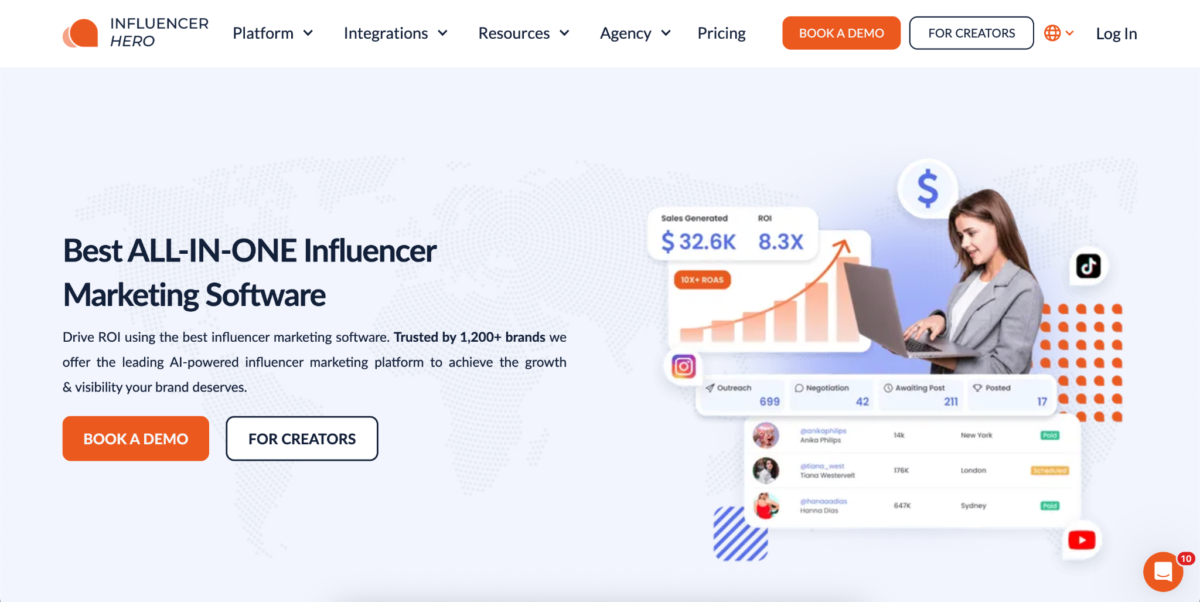
Influencer Hero is a full all-in-one influencer marketing platform covering discovery, AI-powered outreach, CRM, product gifting, UGC collection, affiliate tracking, analytics, creator storefronts, and payout management – all within a single system. Where GRIN focuses primarily on eCommerce-driven creator programs, Influencer Hero provides end-to-end workflow coverage across the entire influencer marketing lifecycle with month-to-month billing and transparent published pricing.
The platform’s 450M+ global creator database spans eight platforms including Instagram, TikTok, YouTube, and Pinterest – substantially larger than what most competitors offer and in contrast to GRIN’s unpublished database size. AI-powered outreach with automated drip campaigns and personalized first lines delivers a 43% average response rate, addressing one of the biggest operational gaps teams encounter when scaling beyond GRIN’s manual workflows.
The CRM is built around three layers – Campaign Manager for configuration and AI personalization, Campaign Boards for visual pipeline management with auto-progression, and Deal Pages that centralize profiles, communications, logistics, and performance data. Rules-based automation triggers handle tasks like generating Shopify discount codes on contract sign or advancing deal stages when posts are detected.
Best for: Teams that need complete influencer marketing coverage – from discovery through analytics and payments – with transparent pricing and the flexibility to scale without annual lock-in.
Pricing:
Standout features:
The comprehensive feature set means teams adopting the platform for the first time should expect an onboarding period. The workflow-driven approach is built for scale, so very small teams running only a handful of campaigns may not use every capability immediately.
Modash pairs one of the largest public creator databases – 350M+ profiles – with some of the most accessible pricing on this list. At $199/month for the Essentials plan with no annual contract required, it’s the easiest entry point for teams that want professional-grade discovery and affiliate tracking without the financial commitment GRIN demands.
The platform’s Shopify-native gifting and affiliate workflows handle discount codes, UTM tracking, and product selection directly from your catalog. AI visual discovery lets you describe a visual style or upload a reference image to surface creators with matching aesthetics – a useful feature for brands with specific visual identity requirements. Built-in outreach with Gmail and Outlook sync and automated affiliate payouts with creator dashboards round out the workflow.
Best for: Teams on a budget that want a large discovery database and Shopify affiliate tools with true month-to-month flexibility.
Pricing:
Standout features:
Modash’s deep integrations are Shopify-only – a meaningful limitation for brands on WooCommerce, Magento, or BigCommerce. The platform also lacks native AI-powered outreach automation, which means manual effort scales linearly as campaigns grow. Teams needing multi-platform eCommerce support and automated outreach sequences will find all-in-one platforms with broader integration coverage a better long-term fit.
Aspire has built a distinct model around inbound creator recruitment, with over a million creators actively applying to brand campaigns through its marketplace. This inverts the traditional cold-outreach approach and can significantly reduce sourcing time for well-known brands. First-party data integrations with Meta, TikTok, and Pinterest deliver reliable audience metrics for confident decision-making.
The end-to-end workflow covers discovery, contracts, content approvals, and performance tracking in a single pipeline. Aspire’s deep Shopify integration handles gifting and automated fulfillment, and the asset library ties UGC directly to ROI reporting. The structured campaign management approach gives teams clear visibility into every stage of the creator relationship.
Best for: Established brands with strong enough recognition that creators actively want to partner with them, making inbound recruitment effective.
Pricing:
Standout features:
Custom pricing limits upfront budget planning – you won’t know your cost until after a sales conversation, similar to GRIN. The inbound model works best for recognizable brands; teams that rely heavily on cold outreach to source niche creators will likely need a platform with AI-powered outreach automation and a larger database. Platforms indexing 350M-450M+ creators provide substantially broader reach for outbound discovery.
Traackr takes a data-driven approach to influencer marketing, focusing on long-term strategy and budget optimization rather than tactical campaign execution. The platform excels at performance benchmarking across markets and historical campaigns, helping teams identify where influencer spend drives the strongest returns. Cross-market analytics that standardize reporting across languages and regions make it particularly suited for global programs.
ROI reporting capabilities go beyond surface-level metrics to help teams optimize budget allocation across creator tiers and campaign types. Competitive insights reveal rival budget allocation patterns and creator partnerships, adding strategic context to planning. Automated workflows handle approvals and deliverable tracking within the platform.
Best for: Global brands that need cross-market analytics, budget optimization, and strategic planning tools for mature influencer programs.
Pricing:
Standout features:
At $32,500/year with annual-only billing, Traackr shares the same pricing structure friction as GRIN – a large upfront commitment with no monthly option. The platform is built for strategic oversight rather than tactical execution, which means teams that need hands-on campaign management tools like outreach automation, product gifting, and creator payments will likely need complementary tools. Teams wanting a single platform that handles the full workflow from discovery through payments will find more operationally complete alternatives.
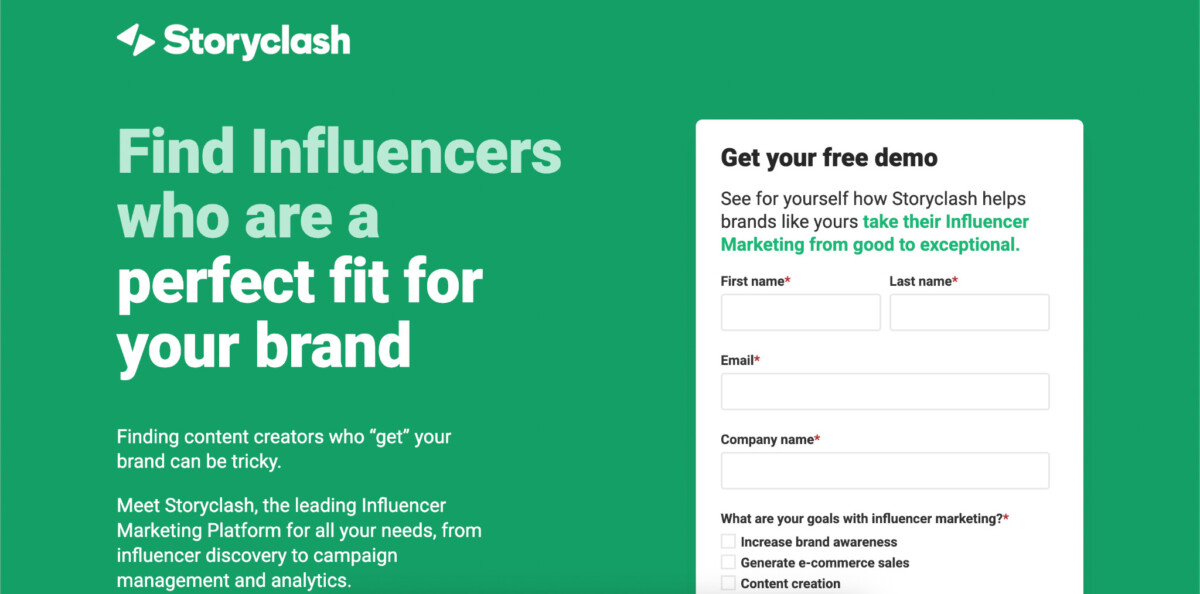
Storyclash differentiates itself through content performance analytics and competitive benchmarking. At $870/month with transparent published pricing, it sits between budget tools and enterprise platforms – a middle ground that GRIN’s pricing structure doesn’t offer. Teams can see which creators their competitors are working with and how those partnerships perform, turning discovery into a data-driven competitive exercise.
The platform indexes 183M creator profiles across Instagram, TikTok, and YouTube, and includes historical data on expired Stories – valuable for evaluating a creator’s full content track record rather than just what’s currently visible. AI-driven discovery uses image recognition and natural language prompts to surface relevant creators, and centralized campaign management with internal collaboration tools keeps teams aligned.
Best for: Brands that lead with competitive intelligence and content performance data to inform their influencer strategy.
Pricing:
Standout features:
Storyclash lacks built-in contract generation and content licensing workflows, which means managing those processes separately. Manual UGC repurposing rights handling adds overhead at scale. Teams that need end-to-end workflow coverage including outreach automation, CRM, and multi-platform eCommerce support will likely need a more comprehensive platform alongside or instead of Storyclash.
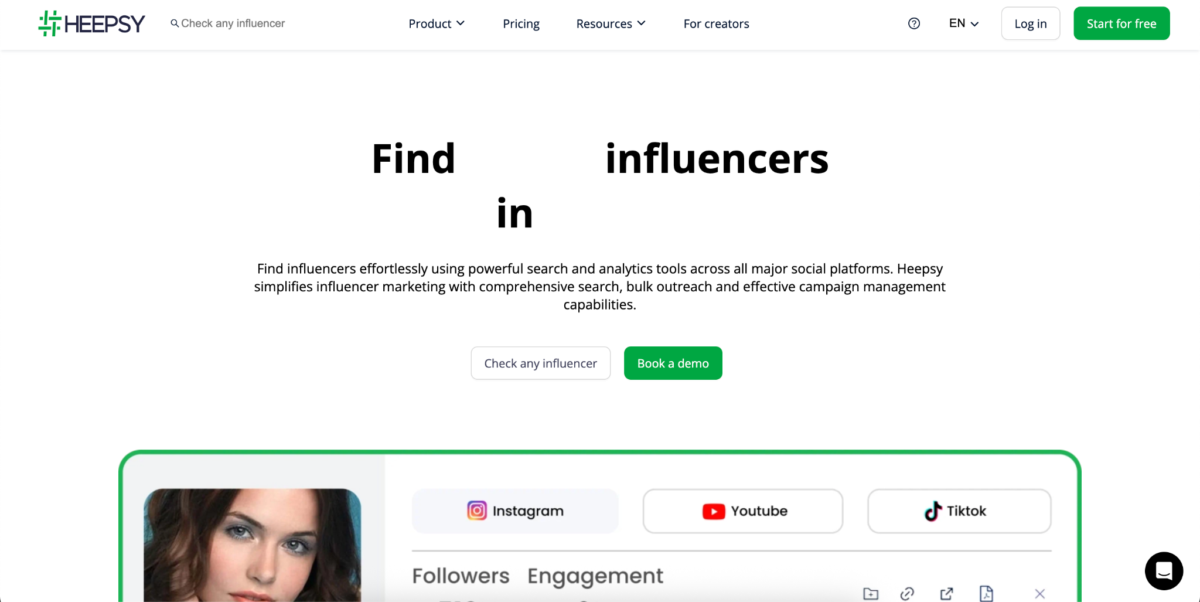
Heepsy is one of the most accessible entry points on this list, with a free plan and paid tiers starting at $89/month. The platform indexes 50M+ influencer profiles with strong coverage in the US and Europe, and its authenticity filters – fake follower detection and quality scores – provide a solid baseline for creator vetting without the complexity of enterprise analytics tools.
The Kanban-style CRM offers visual pipeline management for tracking creator relationships across campaign stages. Bulk email outreach supports up to 3,000 emails per month with follow-up sequences, and advanced plans include Shopify and WooCommerce affiliate tracking. For teams testing influencer marketing or operating on tight budgets, Heepsy’s price-to-feature ratio is hard to beat.
Best for: Small to mid-sized eCommerce brands that want affordable creator discovery and basic campaign management without enterprise complexity.
Pricing:
Standout features:
Heepsy’s best tools – including affiliate tracking and advanced analytics – are locked behind higher-priced plans. The 50M database is significantly smaller than competitors indexing 200M-450M+ profiles, which limits discovery for niche campaigns. Outreach lacks AI personalization, so response rates depend entirely on manual effort. Teams scaling beyond initial testing will likely outgrow the platform and need a more comprehensive all-in-one solution with deeper automation.
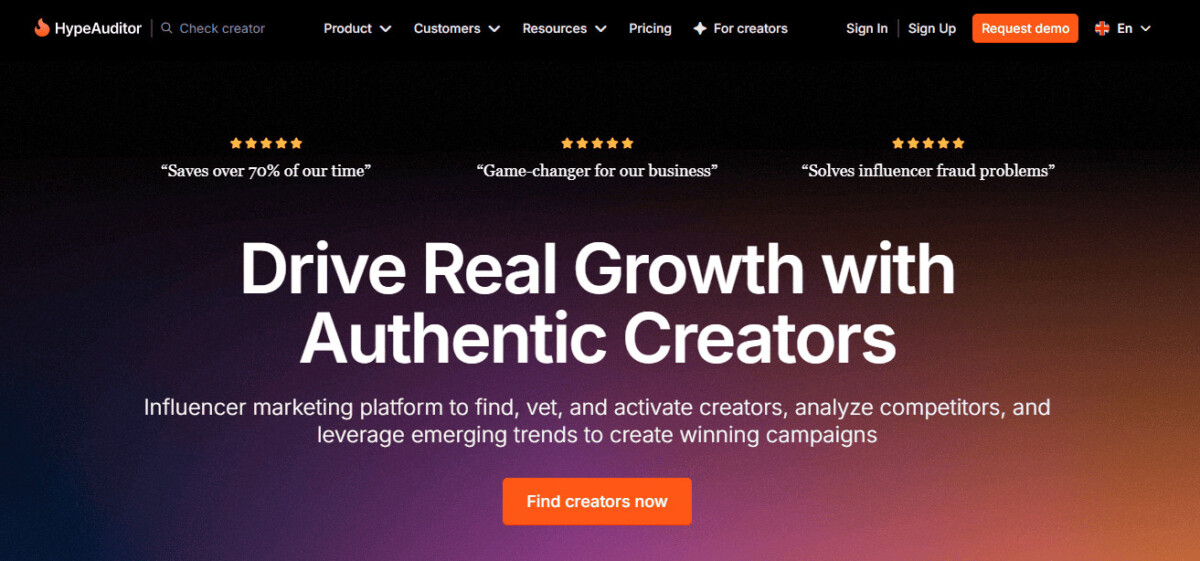
HypeAuditor has built its reputation as the gold standard for influencer auditing – fake follower detection, engagement quality analysis, and audience authenticity scoring. For brands where data credibility is non-negotiable, HypeAuditor’s analytics provide a level of due diligence that most platforms treat as a secondary feature. At roughly $10,000/year for the Business plan, it’s meaningfully cheaper than GRIN’s $25,000/year minimum.
Beyond auditing, the platform includes AI discovery with lookalike search that reads captions and analyzes images to surface similar creators. Social listening and competitor monitoring tools track hashtags, mentions, and rival creator partnerships. Shopify integration for revenue attribution and content approval workflows add structure to campaign management.
Best for: Brands that prioritize creator vetting and audience authenticity as a core part of their influencer selection process.
Pricing:
Standout features:
HypeAuditor is fundamentally an analytics and auditing tool, not a campaign execution platform. Only a small portion of influencers are registered for direct outreach through the platform, so you’ll likely need to pair it with a separate outreach and CRM tool. Teams wanting a single platform that handles everything from discovery through outreach, CRM, gifting, and affiliate tracking will find platforms with integrated automation engines and multi-platform eCommerce support more operationally efficient.
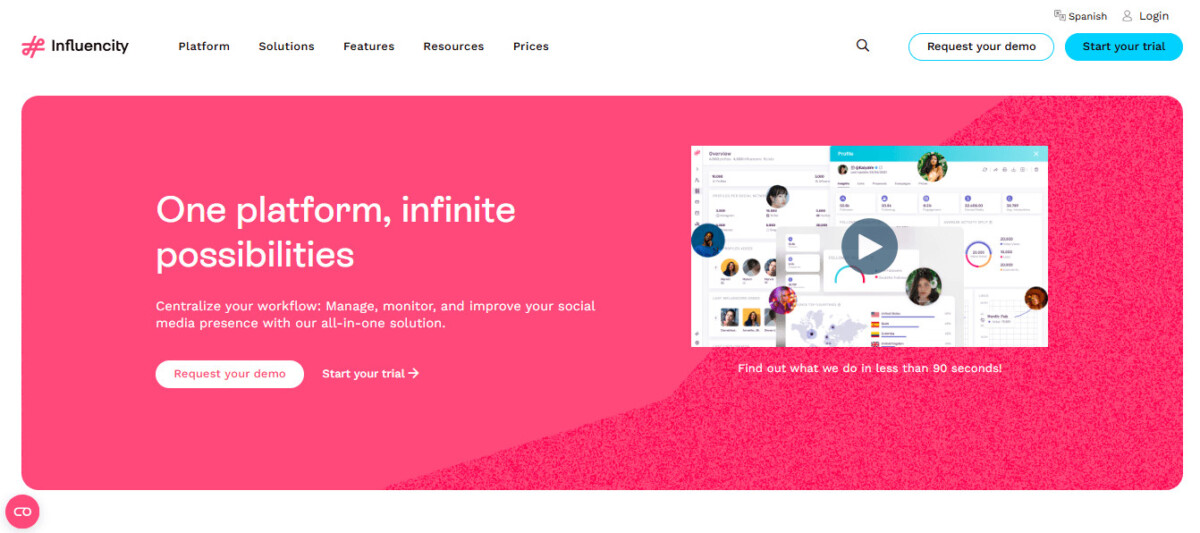
Influencity positions itself as a mid-market all-in-one platform that delivers a large creator database without the enterprise price tag. Starting at roughly $3,800/year, it offers AI-powered search with lookalike functionality and a visual Kanban-style CRM that makes pipeline management intuitive for teams without dedicated operations staff.
Direct Shopify integration handles discount codes and sales attribution, and flexible post tracking – both automated and manual – accommodates different campaign measurement approaches. The platform’s drag-and-drop pipeline stages give teams a visual overview of every creator relationship without needing complex CRM training.
Best for: Mid-market brands that want AI-powered discovery and visual CRM at a price point well below enterprise platforms.
Pricing:
Standout features:
Influencity’s native eCommerce integrations are limited beyond Shopify, and the add-on pricing model means costs can creep up as you enable more features. The platform lacks native AI-powered outreach automation, and teams managing high-volume campaigns across multiple eCommerce platforms may find the workflow coverage insufficient compared to more comprehensive alternatives.
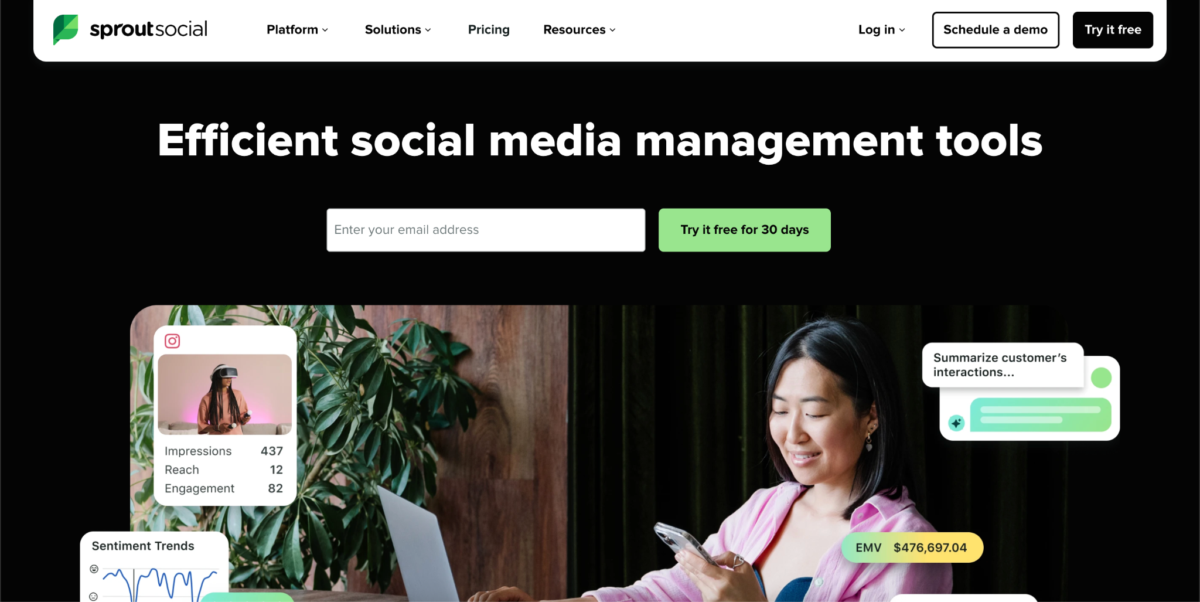
Sprout Social approaches influencer marketing from the social media management angle, weaving creator discovery and campaign management into its established analytics suite. The Brand Fit Score automates creator vetting against your brand criteria, and competitive benchmarking with EMV reporting adds strategic context that standalone influencer tools don’t always provide. The platform’s strength is the unified view – social performance, influencer campaigns, and audience analytics all in one dashboard.
Advanced approval workflows give teams oversight of content before it goes live, and client-ready exportable dashboards are useful for brands that report to stakeholders regularly. Granular audience and engagement discovery filters help surface creators that match specific demographic and performance criteria.
Best for: Brands that need influencer marketing tightly integrated with social media management and are willing to pay premium per-user pricing.
Pricing:
Standout features:
At $1,599/user/month, a three-person team pays nearly $58,000/year – making Sprout Social one of the most expensive options on this list. The 12-month minimum contract mirrors the same lock-in issue teams have with GRIN. Per-user pricing models punish growing teams disproportionately. The platform also lacks vibe-based visual search and UGC licensing tools. Brands looking for all-in-one influencer marketing with tiered pricing that includes multiple seats per plan will find better value in platforms designed specifically for influencer marketing rather than social suite add-ons.
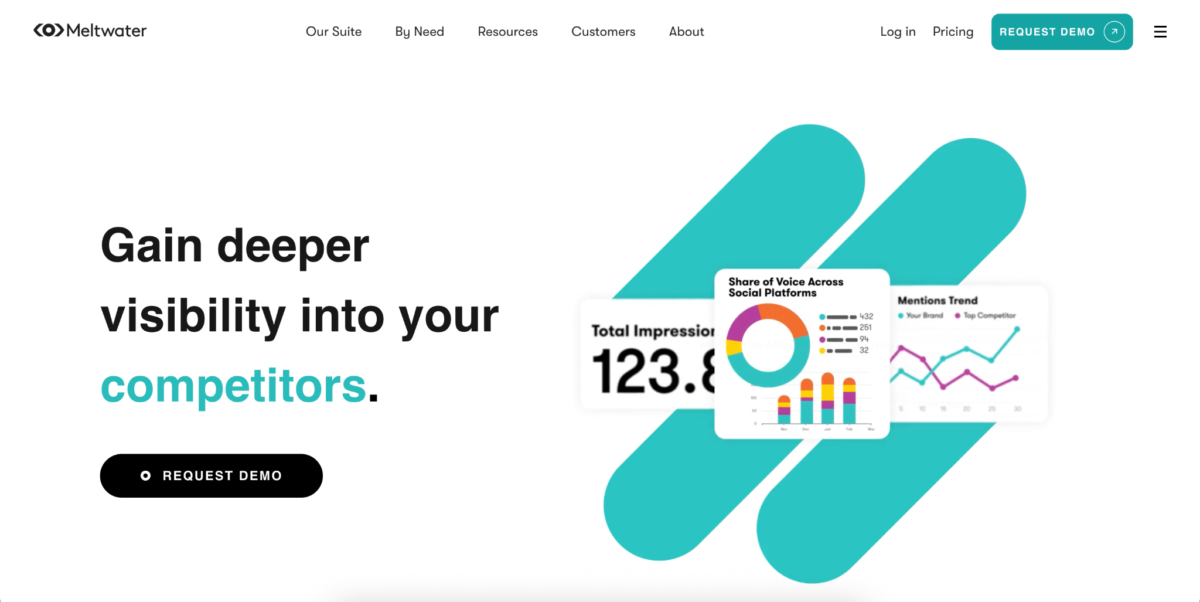
Meltwater approaches influencer marketing from the enterprise social listening and media intelligence angle. The platform’s AI-powered creator search spans 30M+ profiles, and its core strength lies in connecting influencer campaigns to broader brand monitoring – social listening for brand mention tracking, sentiment analysis, and PR impact measurement that standalone influencer tools typically don’t cover.
Campaign management includes content approval workflows and custom reporting dashboards for ROI measurement. The real differentiator is integration with Meltwater’s broader PR and media intelligence suite, which makes it particularly relevant for brands that need influencer marketing data connected to earned media, press coverage, and brand reputation metrics in a single view.
Best for: Enterprise teams that need influencer marketing connected to broader PR, media intelligence, and brand monitoring within a unified platform.
Pricing:
Standout features:
Meltwater’s enterprise-only pricing and complex setup make it overkill for teams that only need influencer marketing without the PR and media intelligence layer. The 30M profile database is significantly smaller than competitors indexing 200M-450M+ creators, which limits discovery breadth for niche campaigns. Teams that need a dedicated influencer marketing platform with deep outreach automation, CRM, and eCommerce integrations will find purpose-built alternatives more efficient and cost-effective.
Influencer marketing in 2026 isn’t a single-channel experiment anymore – it’s a coordinated operation spanning discovery, outreach, campaign management, analytics, and creator payments. The platform you choose shapes how efficiently your team can execute across all of those stages.
A few principles to guide the decision:
The right platform should match your current operational needs while giving you room to scale. Monthly billing options and transparent pricing let you test without overcommitting, and all-in-one platforms reduce the operational friction of managing multiple tools across the influencer marketing lifecycle.
GRIN starts at approximately $25,000 per year with a mandatory 12-month contract. Among the alternatives, entry points range from free (Heepsy) to $32,500/year (Traackr). Influencer Hero starts at $649/month with month-to-month billing, offering a full all-in-one feature set at roughly one-third of GRIN’s annual cost with no long-term commitment. Modash offers the lowest paid entry at $199/month.
Influencer Hero indexes 450M+ creator profiles across eight platforms, making it the largest database on this list. Modash follows with 350M+ public profiles. Database sizes across these alternatives range from 30M (Meltwater) to 450M+, compared to GRIN which doesn’t publish its database size.
Yes, but eCommerce integration depth varies significantly. Influencer Hero supports five platforms – Shopify, WooCommerce, Magento, BigCommerce, and Prestashop. Heepsy covers Shopify and WooCommerce. Most other platforms on this list focus primarily on Shopify integrations. If your eCommerce stack includes non-Shopify platforms, verify integration support before committing.
Influencer Hero offers AI-powered outreach with automated drip campaigns that analyze each creator’s last three posts to generate personalized first lines, delivering a 43% average response rate. Most other platforms on this list rely on manual outreach or basic email templates. Heepsy offers bulk email but without AI personalization. This is a key differentiator for teams scaling beyond a handful of creator relationships.
Heepsy’s free plan and $89/month Starter tier offer the lowest entry point for basic discovery and outreach. Modash at $199/month provides a larger database with Shopify affiliate tools. For teams that want complete all-in-one coverage including AI outreach, CRM, and multi-platform eCommerce support, Influencer Hero’s Standard plan at $649/month offers the most comprehensive feature set at an accessible price point.
GRIN’s 12-month contract typically locks you in for the full term. Most teams plan their transition for the contract renewal window. Platforms with month-to-month billing – like Influencer Hero, Modash, and Heepsy – allow you to run them in parallel during your remaining GRIN contract to test workflows and migrate campaigns gradually before fully switching over.




