Free every Thursday · 60,261 Readers
Fastlane Insider Newsletter: What's working for Shopify in the AI era?
Free every Thursday · 60,261 Readers
Fastlane Insider Newsletter: What's working for Shopify in the AI era?
For companies dealing with digital assets, using the US as their destination remains an attractive choice, since the nation introduces one of the biggest and the best-developed financial systems globally. However, the legal environment may not seem to be simple for the new entrants. Compared to markets that use a single approval process, the US spreads the regulatory power so that it is divided between federal agencies and state bodies, each having their own requirements.
Generally, a company needs to clarify what sort of activities it performs, which government bodies will handle such activities, and how procedures will comply with requirements across different levels.
This guide explains the structure of the American system, the role of the FinCEN, the importance of regional requirements for money transmission across the country, and other things overseas companies might want to consider before getting a crypto license in the USA.
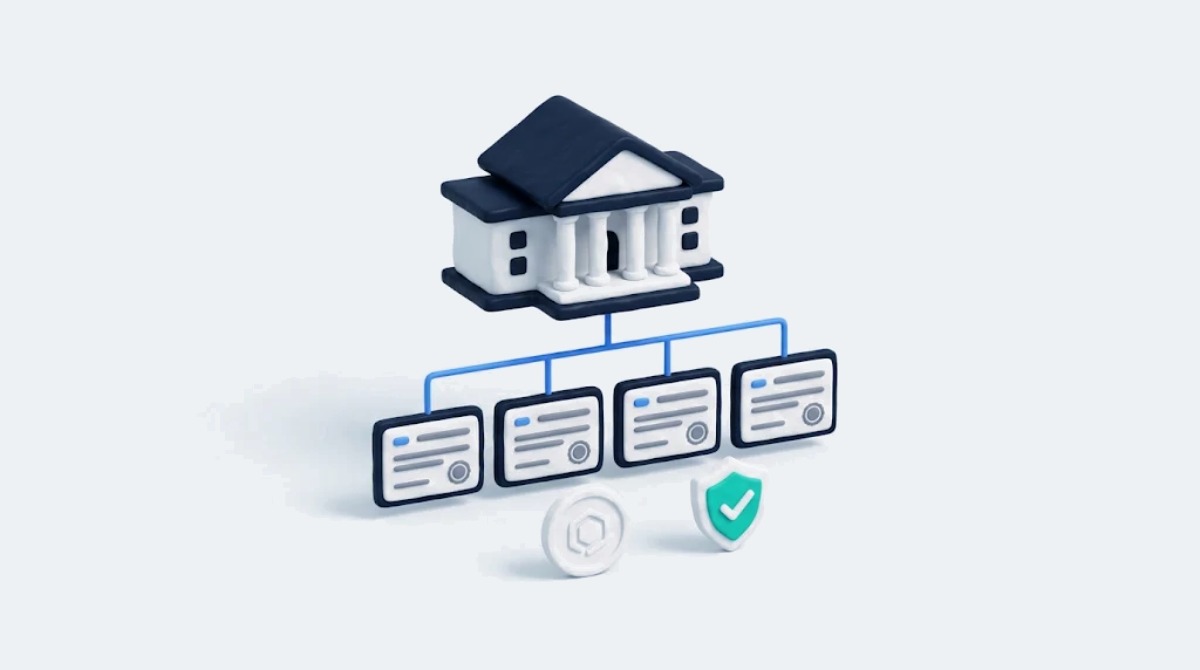
The US system does not operate through one central authority responsible for all matters related to crypto. Oversight is divided between nationwide institutions and separate jurisdictions, which means companies often have to consider several sets of rules at the same time.
As a consequence, the company may be required to do the following things:
Since the two levels serve different objectives, approval from one level does not mean that the company is automatically allowed to access the entire market. Companies have to familiarize themselves with this rule. Otherwise, they may experience setbacks upon their nationwide expansion attempts.
In addition, the situation is further complicated by the fact that the legal system keeps changing and developing. Regulatory guidance, court decisions, and legislative changes continue to influence how specific activities and assets are viewed. For this reason, companies operating in this sector need to follow legal developments closely and adjust their approach when necessary.
One of the first public bodies encountered by many crypto companies is the FinCEN, which operates within the US Department of the Treasury.
FinCEN focuses primarily on preventing money laundering, terrorist financing, and other forms of financial crime. Organizations involved in transferring value between customers are frequently expected to register as a MSB.
This step should not be confused with market authorization. Instead, it places an organization within the scope of the Bank Secrecy Act and establishes ongoing duties related to financial crime prevention.
Typical expectations include:
Authorities place significant emphasis on these measures because they help protect both consumers and the wider financial system from illicit activity.
Despite covering the financial crime requirements, the nationwide registry often does not allow firms to commence transmitting funds in local areas until they acquire individual licenses from different locations first.
Differences in rules, time frames, documents, and money requirements between different territories are common. The result is that expansion across the country often involves multiple approval processes rather than a single nationwide authorization.
The table below indicates the elements common to the regional examination processes.
| Area | What authorities commonly examine |
| Ownership | Company structure and controlling persons |
| Financial condition | Ability to meet customer obligations |
| Security measures | Protection of customer information and digital systems |
| Background reviews | History of founders and senior leadership |
| Consumer safeguards | Complaint handling and disclosure practices |
| Periodic reporting | Ongoing submission of financial and activity reports |
The level of scrutiny varies considerably. Some jurisdictions have developed detailed frameworks specifically designed for digital assets, while others continue to rely on existing money-transmission legislation.
New York, for example, is widely regarded as one of the most demanding jurisdictions for companies working with digital assets. Other parts of the country have adopted a more flexible approach in an effort to encourage technological innovation.
For many organizations, expansion begins in a limited number of strategically important regions before gradually extending nationwide.
Another important consideration involves determining how a particular digital asset is viewed under American law.
At the federal level, the classification of a crypto asset and the nature of the transaction in which it is offered or sold may determine whether US securities laws apply. In March 2026, the SEC issued an interpretation providing additional guidance on the application of federal securities laws to different categories of crypto assets and transactions involving them. Accordingly, regulatory analysis should consider both the characteristics of the asset and the manner in which it is offered, sold, distributed, or used.
Meanwhile, the CFTC oversees markets involving commodities and certain derivatives connected with digital assets. Several well-known cryptocurrencies have historically been treated as commodities for specific legal purposes.
Correct classification influences numerous practical issues, including:
Because every project has unique characteristics, legal analysis should be based on the asset’s actual features rather than marketing terminology.
Receiving initial approval is only the beginning. Organizations operating in several parts of the US are expected to maintain their status through continuous oversight and regular interaction with public authorities.
Common responsibilities include:
Different jurisdictions may impose different reporting schedules and disclosure expectations. Consequently, companies often create dedicated legal and governance teams capable of coordinating these responsibilities throughout the year.
Careful planning becomes increasingly important as geographic expansion continues.
International firms considering entry into the American market benefit from a structured approach rather than attempting nationwide expansion immediately.
A sensible roadmap usually includes the following steps:
Foreign organizations should likewise consider taxation, banking relationships, sanctions screening, data protection, and contractual arrangements before accepting American customers.
While preparation requires considerable effort, organizations that invest time in understanding the legal landscape are generally better positioned for sustainable growth and long-term cooperation with finance-sector institutions, banks, and commercial partners.
The author of the article is Denys Chernyshov.