

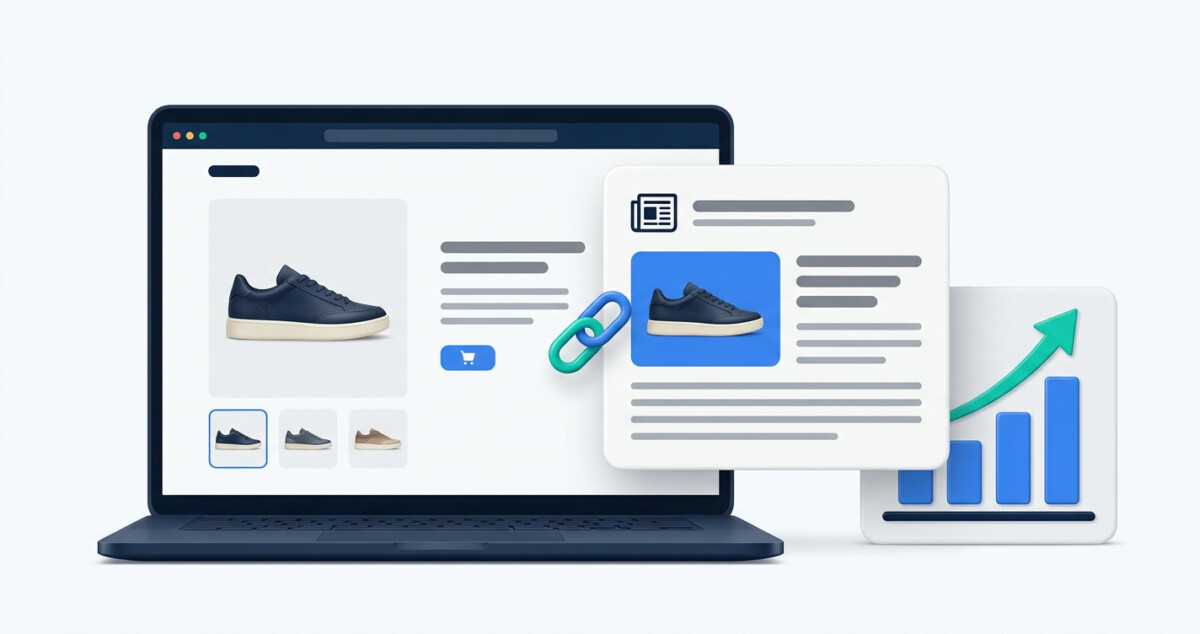
Digital PR should be part of an ecommerce growth strategy because it earns the independent visibility, authority signals, referral traffic, and credible backlinks that paid media alone cannot sustain. The strongest programs connect PR stories to commercial priorities, then measure results beyond media mentions.
Paid media rents attention. Digital PR helps your brand earn reasons to be discovered, trusted, and remembered after the campaign budget has stopped spending.
Growing an ecommerce business requires more than having competitive products and a well-designed website. Online retailers operate in crowded markets where customers can compare dozens of alternatives in minutes. Paid advertising can generate immediate traffic, while SEO can improve long-term visibility, but neither automatically gives shoppers a reason to recognize or trust a brand.
This is where digital PR can play an important role. By earning coverage, mentions, and links from relevant online publications, ecommerce businesses can increase their visibility beyond their own marketing channels. A strong campaign can support brand awareness, search performance, referral traffic, and credibility at the same time.
Rather than viewing public relations as something reserved for major retailers, growing ecommerce businesses can make it part of a broader, measurable acquisition strategy.
Digital PR is the process of earning online media coverage for a business, its products, its expertise, or the stories it can tell.
It combines elements of traditional public relations with content marketing, SEO, and online outreach. Campaigns may involve pitching journalists, supplying expert commentary, publishing original research, creating data-led stories, or promoting interesting insights to relevant publications.
For ecommerce companies, the possibilities are particularly broad. Product launches, shopping trends, customer surveys, seasonal purchasing habits, and anonymized sales data can all provide potential angles.
The objective is not simply to get the company name mentioned as frequently as possible. Effective digital PR focuses on securing relevant exposure in places that potential customers, journalists, and search engines are likely to consider credible.
One of the biggest challenges for a growing ecommerce company is reaching people who have never encountered the brand before.
Your existing marketing channels naturally have limits. Email campaigns communicate primarily with people already on your database. Organic social posts depend heavily on existing followers and platform algorithms. Paid campaigns can expand reach, but exposure generally disappears once spending stops.
Digital PR can introduce the business to completely new audiences.
For example, a homeware retailer might contribute data to an article about changing interior trends, while a fashion ecommerce company could provide insight into seasonal buying behavior. A specialist retailer may also have valuable expertise that journalists can use when explaining a topic to consumers.
Every relevant piece of coverage creates another opportunity for somebody to discover the brand.
SEO and digital PR are separate disciplines, but they can work extremely well together.
Backlinks remain an important part of building a website’s online authority. However, earning links from reputable publications can be difficult, particularly for ecommerce websites where many commercially important pages are product or category focused.
Digital PR gives businesses a reason to earn those links.
Instead of contacting websites simply to request a backlink, a PR campaign provides something useful or interesting: original research, statistics, expert insight, a timely story or another valuable resource.
Working with a specialist such as onlydigitalpr.com can therefore form part of a wider strategy for increasing online coverage and earning relevant links.
The SEO benefits can also extend beyond an individual campaign. As an ecommerce domain develops a stronger backlink profile, its wider organic search presence may benefit over time.
Customers cannot physically inspect most ecommerce products before buying them. Unless they already know the retailer, they have to decide whether they trust the company based largely on what they can find online.
Brands naturally describe their own products positively. Consumers know this, which is why independent signals can carry considerable weight.
Media coverage provides a form of third-party recognition. Seeing a retailer discussed by a familiar publication, quoted in an industry article, or featured in a relevant product guide can make the business appear more established.
This does not mean one press mention will immediately transform conversion rates. Trust develops through multiple signals, including reviews, website quality, customer service, secure payments, transparent policies, and external recognition.
Digital PR adds another valuable signal to that mix.
Some online retailers assume they have nothing newsworthy to say unless they are launching a revolutionary product. In practice, ecommerce businesses often have access to useful information that can be turned into compelling stories.
Sales data is one example. Depending on the retailer, aggregated information might reveal changing tastes, regional preferences, unusual seasonal patterns, or rapidly growing product categories.
Customer surveys can provide another source of original information. Businesses can investigate consumer attitudes towards topics directly connected with their industry and turn the findings into a media-friendly story.
Other potential approaches include:
The strongest angle will depend on the brand, its customers, and the publications it wants to reach. The key is identifying something that is genuinely useful or interesting to audiences outside the business.
Digital PR does not always need to revolve around large research campaigns.
For ecommerce retailers, product-focused PR can be equally useful. Consumer publications regularly create buying guides, seasonal features, product roundups, and trend articles. Relevant inclusion can put individual products in front of shoppers who are actively considering a purchase.
Timing matters considerably here.
Gift guides may be prepared weeks or even months before major occasions. Summer travel products need to reach journalists before holiday features are published, while Christmas campaigns often begin long before consumers start their festive shopping.
Building PR into the ecommerce calendar makes it easier to prepare suitable assets, samples, and pitches before journalists need them.
Paid advertising is valuable because it gives ecommerce businesses a relatively direct way to generate visibility. The drawback is that it requires continuous spending.
If advertising represents an overwhelming proportion of customer acquisition, changes in costs, competition, or platform performance can create problems quickly.
Digital PR helps diversify the channels through which customers can discover a retailer.
A successful piece of coverage may produce immediate referral visits. A backlink from that coverage could continue supporting organic visibility afterward. The article itself may remain searchable, while additional brand recognition can encourage future searches for the company.
Not every placement will generate substantial revenue, of course. PR should therefore complement rather than automatically replace channels such as paid search, paid social, email, and SEO.
The broader goal is to create a more balanced growth strategy.
One of digital PR’s most useful characteristics is that its value does not have to remain confined to PR.
Strong media coverage can become an asset for other marketing teams.
A brand may share relevant coverage through social channels, include notable features in newsletters, or reference legitimate media recognition on its website. PR campaigns can also generate content ideas for SEO, while search data can reveal subjects that might produce interesting PR stories.
This is why digital PR works best when it is integrated with the wider marketing strategy rather than operating in isolation.
SEO teams can identify topics where stronger authority would be valuable. Ecommerce teams can highlight products or categories that need additional exposure. PR specialists can then find stories capable of earning attention around those areas.
PR has sometimes been associated with vague measurements such as estimated reach or the number of press mentions generated. Ecommerce businesses can take a more commercially focused approach.
Coverage quantity still provides useful context, but quality and relevance matter just as much. Ten mentions on websites unrelated to your customers may be less valuable than one highly relevant placement in a respected publication.
Businesses can examine metrics such as earned links, referring domains, referral traffic, brand searches, and organic visibility. Where analytics allow it, they can also investigate assisted conversions and revenue from visitors arriving through media coverage.
Measurement should ultimately reflect the original campaign objective.
A campaign designed primarily to earn authoritative backlinks should not be judged solely on immediate referral sales. Equally, a product PR campaign aimed at shoppers should consider whether the coverage actually generated useful traffic and commercial activity.
Ecommerce marketing often encourages a short-term mindset because so many metrics can be monitored in real time. Businesses can see clicks, purchases, and advertising performance almost immediately.
PR works differently.
Journalist relationships take time to develop. Not every pitch receives coverage, and not every campaign generates dozens of links. Businesses also need time to learn which topics, formats and publications produce the most valuable results.
Consistency is therefore important.
Regularly providing journalists with useful information and credible expertise can gradually establish a company as a reliable source within its sector. Over time, journalists may even begin approaching the business for comments rather than the company always having to initiate contact.
That kind of reputation cannot be created overnight, but it can become a valuable competitive asset.
Sustainable ecommerce growth rarely comes from one channel alone. Businesses need multiple ways to attract customers, build credibility, and maintain visibility in competitive markets.
Digital PR can contribute to each of those goals. It can introduce a retailer to new audiences, earn valuable backlinks, strengthen brand authority, support product discovery, and provide assets that benefit wider marketing activity.
Results will not necessarily arrive as quickly or predictably as they might through paid advertising. However, that is also part of digital PR’s value. Strong coverage, authoritative links, and increased brand recognition can continue working long after a campaign has finished.
For ecommerce businesses seeking growth beyond simply increasing advertising budgets, integrating digital PR into the broader marketing strategy can help create a stronger and more diversified foundation for long-term visibility.
Digital PR helps an ecommerce brand grow by earning independent coverage that can increase awareness, strengthen trust, drive referral traffic, and support search visibility through relevant editorial links. Unlike paid ads, a strong placement can continue generating value after the campaign ends because the article may remain searchable, linked, and shareable. The best results come when the campaign supports a clear commercial goal, such as a priority category, seasonal product range, or authority gap in organic search. Treat PR as a complement to paid media, SEO, retention, and conversion optimization rather than as a replacement for them.
An ecommerce company should pitch stories that give journalists and their audiences something useful, timely, credible, or surprising. Effective angles include anonymized sales trends, customer survey findings, category expertise, reactive commentary, product innovation, founder stories, seasonal buying insights, and analysis of public datasets. The pitch should not be a disguised advertisement or a request for a backlink. Start with the audience value, then make the brand’s role in the story clear. A credible expert quote or a distinct data point usually creates a stronger opening than generic company news.
Digital PR can generate referral visits immediately after a placement publishes, but meaningful authority, awareness, and SEO benefits usually build over several months of consistent work. Product-led coverage may produce a faster response when it reaches shoppers close to a purchase decision, while data-led campaigns may create more durable backlink and reputation value. Ecommerce teams should plan campaigns around editorial lead times, especially for gift guides and seasonal stories, which can be commissioned weeks or months before publication. Evaluate PR over a quarter or longer, not only through a short-term last-click revenue view.
Digital PR can reduce dependence on paid ads by creating additional ways for customers to discover and trust a brand, but it should not be treated as a direct replacement for paid acquisition. Paid media offers control, speed, and precise targeting, while PR builds earned visibility that can create referral traffic, branded search demand, backlinks, and lasting credibility. The strategic benefit is diversification. When a business relies less heavily on a single ad platform, it becomes more resilient to changes in auction costs, targeting rules, creative fatigue, and platform performance.
Ecommerce brands should measure digital PR using metrics that match the campaign objective, including relevant earned links, referring domains, referral sessions, engaged sessions, branded search growth, email signups, assisted conversions, and revenue from tagged coverage. Media mention counts and estimated reach are useful context, but they should not be the core definition of success. For a product-discovery campaign, prioritize qualified traffic and commercial activity. For an SEO-focused campaign, prioritize link relevance and organic visibility. For awareness, monitor branded demand and repeat exposure across the publications your customers actually trust.




